Why Wont My Toyota Corolla Tire Pressure Light Turn Off
Your Toyota Corolla tire pressure light stays on because of low air, a faulty sensor, or a need to reset the system. This guide walks you through every common cause and the exact steps to fix it yourself. You will learn how to check your tire pressure, replace sensor batteries, and reset the warning light quickly.
That little yellow horseshoe icon on your dashboard can really get on your nerves. You check your Toyota Corolla tires, they look fine, and the air seems okay. Yet the tire pressure light just sits there, refusing to go off. It is frustrating, right?
You are not alone. Thousands of Toyota Corolla owners face this exact problem every year. The good news is that most of the time, the fix is simple and takes just a few minutes. This guide covers every reason your tire pressure monitoring system light might be stuck on. We also walk you through the exact steps to turn it off and keep it off.
Whether the issue is a slow leak, a dead battery in the sensor, or just a reset that needs to happen, you will find the answer here. Let us dive in and get that annoying light off your dashboard for good.
Key Takeaways
- Low tire pressure is the most common reason your Corolla’s TPMS light stays on.
- A dead sensor battery can cause the tire pressure warning to persist even after you inflate your tires.
- Resetting the system is often all it takes to turn off the light after you fix the real problem.
- Cold weather causes tire pressure fluctuation, which can trigger the light temporarily.
- A damaged valve stem or punctured tire will keep the light on until the issue is repaired.
- Ignoring the light can reduce fuel efficiency and make your tires wear out faster.
📑 Table of Contents
- What the Toyota Corolla Tire Pressure Light Means
- Top Reasons Why the Tire Pressure Light Won’t Turn Off
- How to Reset the Toyota Corolla Tire Pressure Light
- How to Check Your Tire Pressure Correctly
- Can You Drive With the Tire Pressure Light On?
- When to See a Professional
- Preventing the Tire Pressure Light From Coming Back
- Common Mistakes People Make With the Tire Pressure Light
- Final Thoughts
What the Toyota Corolla Tire Pressure Light Means
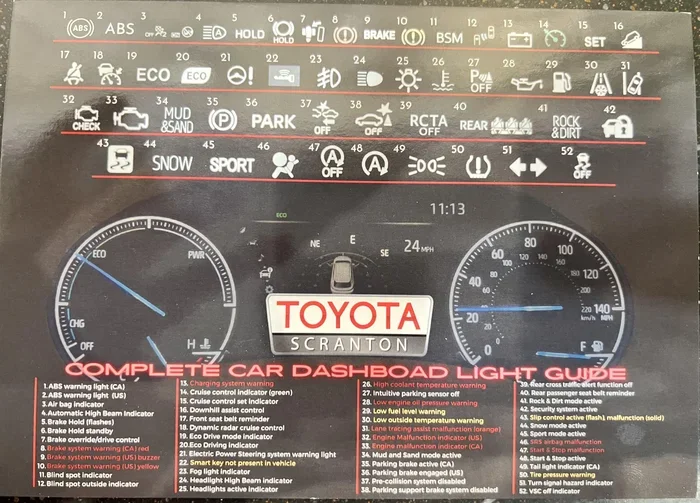
The tire pressure warning light is part of your Corolla’s TPMS, which stands for Tire Pressure Monitoring System. This system watches the air level inside each tire and alerts you when something is off. When the light turns on, it means one or more tires are not at the right pressure.
Here is what the light looks like: a yellow circle with an exclamation mark in the middle, shaped like a horseshoe. Some older models show a top-down view of a tire with the exclamation point inside. Either way, the message is clear — check your tire pressure.
Why the TPMS Light Matters
Your Toyota designed this system to keep you safe. Underinflated tires can cause poor handling, longer stopping distances, and even blowouts. They also waste fuel because your engine has to work harder. So when that light comes on, it is your car telling you something needs attention. Do not ignore it.
According to the National Highway Traffic Safety Administration, underinflated tires contribute to thousands of accidents each year. The tire pressure sensor in your Corolla helps prevent this by catching problems early. Even a small drop in pressure can affect how your car drives and handles.
Top Reasons Why the Tire Pressure Light Won’t Turn Off
Now that you understand what the light means, let us look at the specific reasons it might stay on. Each cause has a clear fix, and we will walk you through them one by one.
1. Low Tire Pressure in One or More Tires
This is the number one reason the light stays on. A slow leak from a nail, a cracked valve stem, or just natural air loss over time can drop your tire pressure below the recommended level. Your Toyota Corolla recommends a specific tire pressure, usually found on a sticker inside the driver’s door frame.
Check all four tires with a tire pressure gauge. Compare the reading to what your Corolla needs. If one tire is low, add air until it reaches the right number. Most Corollas need between 32 and 35 PSI, but always check your owner’s manual or the door sticker to be sure.
Quick Tip: Check your tire pressure when the tires are cold. Driving heats up the air inside, which can give you a false reading. Park your car for at least three hours or drive less than a mile before checking.
2. A Faulty or Damaged Tire Pressure Sensor
Each tire has a small sensor inside the valve stem or mounted on the wheel. These sensors send air pressure data to your car’s computer. When a sensor breaks or gets damaged, it sends the wrong signal. Your car thinks the pressure is low, even when it is not.
Impact from potholes, road debris, or just age can damage a sensor. Corrosion around the valve stem is another common culprit. If you have checked your air pressure and everything looks correct, a bad sensor is likely the problem.
Replacing a sensor costs between $50 and $100 per tire at most dealerships. Some tire shops can also handle sensor replacement. If your Corolla is older, you might want to check if all four sensors need replacing at once, since they tend to fail around the same age.
3. A Dead Sensor Battery
Each tire pressure sensor runs on a small battery. These batteries last about five to ten years, depending on driving conditions. When the battery dies, the sensor cannot send data to your car. The TPMS warning light then stays on to tell you something is wrong.
A dead sensor battery is one of the most common reasons the light refuses to go away, even after you inflate your tires. The fix is to replace the sensor entirely, since the battery is built into the unit. You cannot just swap the battery separately.
Quick Tip: If your Corolla is over five years old and you have never replaced the sensors, a dead battery could be the cause. This is especially likely if the light comes on in cold weather and stays on even after your tires are properly inflated.
4. Temperature Changes Cause Tire Pressure Fluctuation
Did you notice the light comes on more in winter? Cold weather causes the air inside your tires to contract. A drop of just 10 degrees Fahrenheit can reduce tire pressure by about one PSI. Over several days of cold weather, this adds up and can trigger the tire pressure monitoring system light.
The good news is this is usually temporary. Simply add air to bring your tires back to the recommended pressure. Once the sensors detect the correct level, the light should turn off after a short drive. If it does not, you may need to manually reset the system (more on that below).
5. You Need to Reset the TPMS System
After you fix the real problem — like adding air to a low tire or replacing a sensor — the light does not always turn off right away. Your Corolla’s computer needs a reset to confirm that everything is back to normal. This is a very common reason the light stays on even when your tires are fine.
Different Toyota model years have different reset methods. We will cover the most common ones in the next section. The key thing to remember is that resetting the system does not fix the underlying problem. Always check and correct your tire pressure first, then reset.
6. A Slow Leak or Punctured Tire
A small nail, screw, or sharp object stuck in your tire can cause a slow leak. The tire looks fine at first glance, but air escapes slowly over hours or days. Your TPMS picks up on the gradual drop and keeps the light on.
To find a slow leak, spray soapy water on each tire and look for bubbles. A bubble forming means air is escaping from that spot. You can also listen for a faint hissing sound near the tire. Once you find the leak, a tire shop can patch or plug it for a small fee.
Common Mistake: Do not just keep adding air and resetting the light without finding the leak. The problem will come back, and you will be dealing with the same annoying light again in a few days.
7. Aftermarket Wheels or Tires Without Proper Sensors
If you recently changed your wheels or tires, the new setup might not have compatible TPMS sensors. Aftermarket wheels sometimes do not come with sensors, or the sensors might not match your Corolla’s system. This mismatch can keep the light on constantly.
If this applies to you, check with the shop that installed your wheels. They may need to install compatible sensors or reprogram your system. Always make sure any tire or wheel change includes TPMS-compatible parts for your Toyota.
How to Reset the Toyota Corolla Tire Pressure Light
Once you have fixed the actual problem — whether that means adding air, replacing a sensor, or repairing a leak — the next step is to reset the system. Here are the most common methods for resetting the TPMS light on a Toyota Corolla.
Method 1: Use the Reset Button
Most Toyota Corollas have a TPMS reset button. It is usually located under the steering column or on the left side of the dashboard. Follow these steps:
- Make sure all your tires are at the correct pressure.
- Turn the ignition to the “ON” position without starting the engine.
- Press and hold the TPMS reset button until the warning light blinks three times.
- Start the engine and drive for about 20 minutes.
- The light should turn off as the system recalibrates.
If the light does not go off after this, try driving at a steady speed of 50 mph for about 10 minutes. The system often resets itself during highway driving.
Method 2: Use the Steering Wheel Controls
Newer Corolla models (2014 and up) use the steering wheel controls to reset the TPMS. Here is how:
- Press the “Menu” button on the steering wheel.
- Navigate to “Vehicle Settings” using the arrow buttons.
- Select “TPMS Calibration” or “Reset TPMS.”
- Confirm the reset and drive for several minutes.
The exact menu names vary slightly by model year, but the process is similar across recent Corollas. Check your owner’s manual for the specific steps for your year.
Method 3: Disconnect the Battery
If the light still will not go off, you can try disconnecting the car battery for 15 to 30 minutes. This clears the computer’s memory and forces it to recalibrate when you reconnect.
To do this safely:
- Turn off the engine and all electronics.
- Disconnect the negative battery terminal first.
- Wait at least 15 minutes.
- Reconnect the terminal and start the car.
- Drive for a few minutes and check if the light is off.
Warning: Disconnecting the battery may reset other settings like your radio presets and clock. Have those details handy before you start.
How to Check Your Tire Pressure Correctly
Knowing how to properly check your tire pressure is a basic skill every Corolla owner should have. A handheld tire pressure gauge costs just a few dollars and can save you a trip to the shop. Here is the right way to do it.
- Find the recommended pressure. Look at the sticker on the driver’s door frame or in your owner’s manual. Do not use the number printed on the tire itself — that is the maximum pressure, not the recommended pressure.
- Check when tires are cold. Park the car for at least three hours or drive less than one mile.
- Remove the valve cap. Twist it off counterclockwise and keep it somewhere safe.
- Press the gauge firmly onto the valve stem. You should hear a brief hiss. If the hiss continues, press harder or reposition the gauge.
- Read the number. Compare it to your recommended PSI. Add air if it is low, or let some out if it is too high.
- Replace the valve cap. This keeps dirt and moisture out of the valve stem.
Quick Tip: Keep a tire pressure gauge in your glove box. Check your tires once a month. This simple habit prevents the tire pressure warning light from coming on unexpectedly and helps your tires last longer.
Can You Drive With the Tire Pressure Light On?
This is a question many Corolla owners ask. The short answer is: it depends. If the light is on and you just noticed it, check your tire pressure right away. If the pressure is only slightly low, you can usually drive a short distance to a gas station or tire shop to add air.
However, driving on significantly underinflated tires is dangerous. It can cause poor steering, reduced braking performance, and increased tire wear. In extreme cases, a badly underinflated tire can blow out, especially at highway speeds. If the light is flashing rather than staying solid, pull over safely and call for assistance.
If you notice other warning lights on your dashboard along with the tire pressure light, such as the VSC light, it could indicate a broader system issue. In that case, it is best to stop driving and have your car inspected by a professional.
Expert Insight: The tire pressure light is a warning system, not a suggestion. Treat it seriously every time it comes on. A few minutes of checking can prevent a dangerous situation and save you money on tire replacements.
When to See a Professional
Most of the time, you can fix the tire pressure light yourself. But there are situations where a trip to the shop is the right move. Here are the signs that you need professional help:
- The light stays on even after you have checked and corrected all tire pressures.
- You see visible damage to a tire, such as a bulge, crack, or embedded object.
- Multiple sensors have failed, which could indicate a wiring or computer issue.
- The light comes on right after you have had new tires or sensors installed.
- You notice uneven tire wear along with the warning light.
A Toyota dealership or trusted tire shop can run a diagnostic scan to read the exact error code from each sensor. This tells you exactly which sensor is failing and whether it needs replacement. If your Corolla is still under warranty, check if your Toyota warranty covers TPMS repairs before paying out of pocket.
Remember, ignoring the tire pressure light for too long can lead to bigger problems. Underinflated tires wear out on the outer edges of the tread, which means you need new tires sooner. Proper tire maintenance also improves your fuel economy, so fixing the light quickly actually saves you money in the long run.
Preventing the Tire Pressure Light From Coming Back
The best way to deal with the tire pressure light is to prevent it from coming back in the first place. Here are some simple habits that keep your Toyota Corolla running smoothly and the warning light off:
- Check tire pressure monthly. Set a reminder on your phone to check all four tires once a month. It takes less than five minutes.
- Check before long trips. Always verify your tire pressure before a road trip or any long drive.
- Keep a portable air compressor in your trunk. A small 12-volt compressor plugs into your cigarette lighter and can top off a tire in minutes.
- Replace valve stems when you replace tires. Old valve stems can crack and leak air. New ones cost just a few dollars each.
- Watch for temperature swings. In cold weather, check your pressure more often. Air contracts in the cold and can drop below the alert threshold.
- Rotate your tires regularly. Follow your Corolla’s maintenance schedule for tire rotation. This helps tires wear evenly and last longer.
Quick Tip: If your Corolla has a cabin air filter that needs replacing, you might want to check that at the same time. Staying on top of routine maintenance keeps your car healthy and prevents surprise warning lights.
Common Mistakes People Make With the Tire Pressure Light
Even well-meaning Corolla owners make mistakes when dealing with the tire pressure light. Here are the most common ones to avoid:
- Just resetting the light without checking pressure. This is the biggest mistake. If there is a real problem, resetting just hides it and the light will come back.
- Ignoring a flashing light. A solid light usually means low pressure. A flashing light often means a sensor malfunction. Both need attention, but a flashing light is more urgent.
- Using the wrong PSI number. The number on the tire sidewall is the maximum, not the recommended pressure. Always use the number on the door sticker.
- Checking tires after driving. Hot tires give a higher reading, which can make you think the pressure is fine when it is actually low.
- Assuming all four tires are at the same pressure. They might not be. Always check each tire individually.
By avoiding these mistakes, you save time, money, and keep yourself safer on the road. A few minutes of attention now can prevent costly repairs later.
Final Thoughts
The Toyota Corolla tire pressure light might seem like a small annoyance, but it is actually one of the most important warning systems in your car. It protects your safety, your fuel economy, and the life of your tires. When it stays on, it is telling you that something needs your attention.
The good news is that the fix is almost always straightforward. Check your air pressure, look for slow leaks, inspect your sensors, and reset the system. Most Corolla owners can handle all of these steps themselves in under 30 minutes. If the problem persists, a quick trip to a tire shop or Toyota dealership will sort it out.
Do not let that yellow light sit on your dashboard and bother you any longer. Follow the steps in this guide, get your tire pressure where it belongs, and enjoy the peace of mind that comes with a properly maintained car. Your Toyota Corolla will thank you with better performance, safer driving, and fewer trips to the repair shop.
Frequently Asked Questions
Why does my Toyota Corolla tire pressure light come on even when my tires are fine?
This usually happens because the tire pressure sensor battery has died or a sensor is malfunctioning. Cold weather can also cause temporary pressure drops that trigger the light. Try resetting the TPMS system after confirming your tire pressure is correct, and the light should turn off.
How much does it cost to replace a tire pressure sensor on a Toyota Corolla?
Expect to pay between $50 and $100 per sensor at a dealership or tire shop. Some independent shops may charge less. If you have a newer Corolla, the sensors are often integrated into the valve stem and require professional installation.
Can I drive my Toyota Corolla with the tire pressure light on?
You can drive a short distance if the pressure is only slightly low, but it is not safe for long drives. Underinflated tires reduce handling and braking performance. If the light is flashing or the pressure is significantly low, pull over and check your tires immediately.
How do I know if my tire pressure sensor battery needs replacing?
The most common sign is the tire pressure light staying on even after you have inflated your tires to the correct level. Toyota does not provide a battery-level warning for individual sensors, so replacement is usually based on age. Sensors typically last five to ten years.
How often should I reset my Toyota Corolla TPMS light?
You should only reset the TPMS light after you have fixed the underlying issue, such as adding air to a low tire or replacing a faulty sensor. Resetting without fixing the real problem will just cause the light to come back within a short time.
What should my Toyota Corolla tire pressure be set to?
Most Toyota Corollas recommend a tire pressure of between 32 and 35 PSI. However, the exact number varies by model year and trim level. Always check the sticker on the driver’s door frame or your owner’s manual for the correct specification for your specific vehicle.