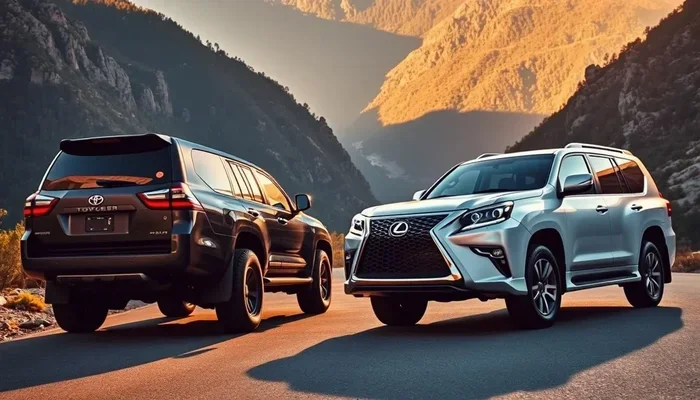
Are Lexus and Toyota the Same or Completely Different
Lexus and Toyota share the same parent company — Toyota Motor Corporation — but they serve different markets. While Toyota focuses on reliable and affordable vehicles, Lexus offers a premium luxury experience with higher-end features, superior comfort, and refined engineering. Both brands share many platforms, engines, and technologies, which means owning either one comes with strong reliability and excellent support. Understanding the differences helps you decide which brand fits your needs and budget best.
Key Takeaways
- Same Parent Company: Lexus is the luxury division of Toyota Motor Corporation, so they share the same corporate roots and resources.
- Different Target Markets: Toyota targets everyday drivers seeking reliability and value, while Lexus targets buyers who want premium luxury and refinement.
- Shared Platforms and Parts: Many Lexus and Toyota models share the same underlying platform, engine, and components, which keeps costs manageable.
- Lexus Offers Higher Quality Materials: Lexus interiors feature premium leather, wood trim, and advanced noise insulation that Toyota models typically lack.
- Service and Warranty Differences: Lexus offers a more luxurious ownership experience at the dealership, with complimentary maintenance and extended warranty benefits.
- Reliability Is Strong for Both: Both brands are known for outstanding reliability, though Lexus models often receive even higher ratings due to premium build standards.
- Price Gap Is Significant: Lexus vehicles generally cost 20 to 40 percent more than their Toyota counterparts, reflecting the luxury positioning.
📑 Table of Contents
Are Lexus and Toyota the Same? The Full Breakdown
Many car shoppers wonder, are Lexus and Toyota the same? The short answer is yes and no. They belong to the same family of brands, but they serve very different purposes. If you have ever sat inside a Lexus and then a Toyota, you know the difference feels real. The materials, the ride quality, the noise levels — everything points in a different direction.
Toyota Motor Corporation owns Lexus. The Japanese automaker created Lexus in 1989 as a direct challenge to German luxury brands like BMW, Mercedes-Benz, and Audi. The goal was simple. Build a luxury car that matched or exceeded the competition while keeping the legendary Toyota reliability. Decades later, Lexus has proven that mission successful.
So what does this mean for you as a buyer? It means you get access to two very different brands under one roof. You can buy a dependable Toyota Camry for daily commuting, or you can step up to a Lexus ES for a more refined experience. Both cars share DNA, but they deliver very different driving experiences. Let us dive deep into what makes each brand unique and how they compare.
The History of Lexus and Toyota
Toyota started building cars in 1937. For decades, the brand focused on practical, reliable, and affordable vehicles. By the 1980s, Toyota had become one of the largest automakers in the world. But the company saw an opportunity. Luxury car sales were booming in North America and Europe, and Toyota wanted a piece of that pie.
Why Toyota Created Lexus
Toyota launched Lexus in 1989 with two flagship models. The LS 400 sedan and the SC 400 coupe stunned the automotive world. They were quiet, comfortable, powerful, and built with exceptional attention to detail. Critics praised them. Buyers loved them. And just like that, Lexus had a strong foothold in the luxury market.
The creation of Lexus was a strategic move. Toyota did not want to dilute its reputation for building affordable, reliable cars. Instead, it created a separate brand that could compete at the highest levels of the luxury segment. This allowed Toyota to serve two very different customer bases without confusing its core identity.
How Lexus Grew Into a Global Luxury Brand
Over the years, Lexus expanded its lineup significantly. Today, you can find Lexus sedans, SUVs, coupes, and even hybrid performance vehicles. The Lexus lineup includes popular models like the IS, ES, RX, GX, LX, and the stunning LC coupe. Each model carries the Lexus promise of quality, comfort, and refinement.
Lexus also became a pioneer in hybrid technology. The Lexus RX 450h was one of the first luxury hybrid SUVs on the market. Today, many Lexus models offer hybrid powertrains, giving buyers the option to enjoy luxury without sacrificing fuel efficiency. This commitment to innovation has helped Lexus stay competitive against other luxury brands.
Key Differences Between Lexus and Toyota
While both brands share the same corporate parent, the differences are significant. These differences affect everything from the driving experience to the cost of ownership. Let us break down the major areas where Lexus and Toyota diverge.
Target Audience and Brand Positioning
Toyota positions itself as a brand for the masses. Its cars and trucks are designed for families, commuters, and work vehicles. The focus is on durability, affordability, and low cost of ownership. Models like the Corolla, Camry, RAV4, and Tacoma are some of the best-selling vehicles in the world for good reason. They work hard and last long.
Lexus targets a more affluent buyer. The brand appeals to people who want premium features, superior comfort, and a refined driving experience. Lexus buyers expect more from their vehicles, and Lexus delivers. The brand competes with BMW, Mercedes-Benz, Audi, and Genesis in the luxury segment.
Build Quality and Interior Materials
This is where you feel the difference the most. When you open the door of a Lexus, the first thing you notice is the materials. Premium leather, real wood or aluminum trim, soft-touch plastics everywhere, and a level of fit and finish that feels exquisite. Every surface tells you this is a luxury vehicle.
Toyota interiors are good, but they use more hard plastics and simpler materials. The focus is on durability and practicality rather than luxury aesthetics. For many buyers, this is perfectly fine. But if you want a more upscale cabin experience, Lexus clearly wins in this area.
Ride Comfort and Driving Dynamics
Lexus vehicles are tuned for comfort. The suspension is softer, the cabins are quieter, and the ride feels more polished. Lexus puts a strong emphasis on isolating the driver and passengers from road noise and vibrations. This creates a serene driving environment that is a hallmark of the brand.
Toyota vehicles are tuned more for practicality. They ride well, but they are not as refined as Lexus models. The difference is especially noticeable on rough roads or at highway speeds. If you spend a lot of time behind the wheel, the Lexus experience will feel noticeably more comfortable and composed.
Technology and Features
Both brands offer modern technology, but Lexus typically gets more advanced features as standard or available options. Premium audio systems, ambient lighting, massaging seats, heads-up displays, and advanced driver-assistance systems are common in Lexus models. Toyota offers many of these features too, but they often come at higher trim levels or as extra-cost options.
Lexus also places a strong emphasis on the in-cabin experience. The ambient lighting systems, the quality of the speakers, and the overall atmosphere of a Lexus cabin are designed to make you feel pampered. Toyota cabins are functional and user-friendly, but they do not aim for the same level of sensory luxury.
Pricing and Value Proposition
Lexus vehicles cost more than their Toyota counterparts. A Lexus ES starts at a significantly higher price than a Toyota Camry. A Lexus RX costs more than a Toyota Highlander. The price difference reflects the premium materials, enhanced features, and refined engineering that Lexus offers.
However, Lexus also offers strong value. The brand includes complimentary maintenance for the first few years of ownership. Lexus vehicles tend to hold their value well. And because many Lexus models share platforms and engines with Toyota models, the cost of repairs and parts is often lower than you would expect for a luxury brand.
What Lexus and Toyota Share in Common
Despite their differences, Lexus and Toyota share a lot under the skin. Understanding what they have in common helps you appreciate why both brands are so well-regarded.
Shared Platforms and Architecture
Many Lexus and Toyota models are built on the same platform. The Toyota Camry and the Lexus ES share a common architecture. The Toyota RAV4 and the Lexus NX are closely related. This shared approach allows Toyota to develop vehicles more efficiently and pass savings on to buyers.
Shared platforms mean shared engineering. The suspension design, the chassis structure, and the basic driving dynamics are often very similar. The differences come down to tuning, materials, and the level of refinement applied to each model.
Engines and Powertrains
Lexus and Toyota share many engines. The reliable Toyota V6 engines are used in both Toyota and Lexus vehicles. Both brands offer hybrid powertrains across their lineups. And both brands are known for building engines that last well beyond 200,000 miles with proper maintenance.
If you are wondering about reliability, both brands deliver. Toyota consistently ranks at the top of reliability surveys, and Lexus usually performs even better. The premium build standards at Lexus mean that every component is held to a higher tolerance, which often translates into even fewer issues over time.
Dealer Network and Service
Toyota has one of the largest dealer networks in the world. Lexus dealers are typically part of the same dealership groups. In many cases, you can visit a Toyota dealer for service on a Lexus vehicle, though dedicated Lexus dealerships offer a more tailored experience.
If you are considering either brand, it is worth knowing that you can take your Toyota to any dealer for service at many locations. Lexus service departments tend to offer a more premium experience with complimentary shuttle service, loaner vehicles, and extensive complimentary maintenance packages.
Which Brand Should You Choose?
The right choice depends on your priorities, budget, and lifestyle. Both brands offer excellent vehicles, but they serve different needs.
Choose Toyota If You Want Value and Reliability
Toyota is the smart choice if you want a dependable vehicle without paying a luxury premium. The Toyota Camry, RAV4, and Tacoma are some of the most reliable vehicles on the road. They are affordable to buy, cheap to maintain, and built to last for hundreds of thousands of miles.
Toyota also offers strong resale value. Used Toyota vehicles are in high demand because buyers know they are getting a proven product. If you are a practical shopper who cares about long-term value, Toyota delivers in spades.
Choose Lexus If You Want Luxury and Refinement
Lexus is the better choice if you want a premium driving experience without the German brand premium. Lexus vehicles offer superior comfort, refined interiors, and a quiet, composed ride. The brand also provides a more luxurious ownership experience at the dealership.
If you have the budget for it, a Lexus gives you the refinement of a luxury car with the reliability that Toyota is famous for. Many luxury car buyers choose Lexus precisely because it offers the best of both worlds. You get premium features and materials, but you also get the peace of mind that comes with Toyota engineering.
Consider Your Long-Term Costs
When comparing these two brands, do not just look at the sticker price. Consider the total cost of ownership. Insurance costs, maintenance expenses, fuel economy, and resale value all matter. Lexus vehicles typically cost more to insure and maintain than Toyota models, but they also hold their value better.
A good rule of thumb is to budget about 20 to 30 percent more for a Lexus compared to an equivalent Toyota model. That extra cost covers the premium materials, the enhanced features, and the more refined driving experience. If that investment is worth it to you, Lexus is a fantastic choice.
Common Myths About Lexus and Toyota
There are several misconceptions about these two brands that are worth clearing up. Let us address the most common ones.
Myth 1: Lexus Is Just a Rebranded Toyota
This is not entirely true. While Lexus and Toyota share platforms and engines, Lexus models undergo significant additional development. The suspension is tuned differently. The interiors use premium materials. The noise insulation is more extensive. A Lexus is not simply a Toyota with a different badge. It is a genuinely different driving experience.
Myth 2: Toyota Vehicles Are Not Luxury Quality
Toyota vehicles are not luxury cars, but that does not mean they lack quality. Toyota builds some of the finest vehicles in the world. The fit and finish, the reliability, and the durability are outstanding. The difference is that Toyota focuses its quality efforts on dependability and value rather than luxury aesthetics and premium comfort features.
Myth 3: Lexus Maintenance Is Expensive
Lexus maintenance costs are generally lower than BMW or Mercedes-Benz maintenance. Because many Lexus models share components with Toyota vehicles, parts are more affordable than you might expect. And Lexus includes complimentary maintenance at many dealerships, which further reduces ownership costs.
Final Thoughts
So, are Lexus and Toyota the same? They are related but distinct. Toyota is the foundation. Lexus is the luxury expression of that foundation. Both brands offer outstanding reliability, strong build quality, and excellent value — just at different price points and with different levels of refinement.
If you want a practical, affordable, and incredibly reliable vehicle, Toyota is hard to beat. If you want a premium experience with luxury comfort and refined performance, Lexus is the way to go. Either way, you are buying into one of the most respected automotive families in the world.
Take your time, test drive both brands, and see which one speaks to you. Whichever you choose, you are getting a vehicle backed by decades of engineering excellence and a commitment to quality that few brands can match.
And remember, if you ever need service, you can use Toyota Care at any dealership for many Toyota models, and Lexus dealerships offer their own complimentary maintenance programs that make ownership even more rewarding.
Frequently Asked Questions
Is Lexus owned by Toyota?
Yes, Lexus is the luxury vehicle division of Toyota Motor Corporation. Toyota created Lexus in 1989 to compete in the premium car market. While they share corporate ownership, each brand operates independently with its own design philosophy, target audience, and product lineup.
Are Lexus and Toyota built on the same platforms?
Many Lexus and Toyota models share the same underlying platform and architecture. For example, the Toyota Camry and Lexus ES share a common platform, and the Toyota RAV4 and Lexus NX are closely related. However, Lexus models receive additional refinement in tuning, materials, and comfort features that set them apart from their Toyota counterparts.
Is Lexus more reliable than Toyota?
Both brands are known for exceptional reliability, and Lexus often ranks slightly higher in reliability surveys. This is because Lexus holds its vehicles to even stricter quality standards during manufacturing. However, Toyota vehicles are also incredibly reliable and typically cost less to maintain over the long term.
Can I service my Lexus at a Toyota dealership?
In many cases, yes. Toyota and Lexus share many components and parts, so a Toyota dealer can often service a Lexus vehicle. However, dedicated Lexus dealerships offer a more specialized experience with technicians trained specifically on luxury models. For the best experience, visit a Lexus dealership for Lexus-specific needs.
Why is Lexus more expensive than Toyota?
Lexus costs more because it uses premium materials, advanced technology, and refined engineering that go beyond what Toyota offers. The interiors feature higher-quality leather, wood trim, and noise insulation. The suspension is tuned for superior comfort. All of these enhancements add to the production cost, which is reflected in the higher price tag.
Which is better for long-term ownership, Lexus or Toyota?
Both brands excel at long-term ownership. Toyota vehicles are famous for lasting well over 200,000 miles with minimal issues. Lexus vehicles offer the same reliability but with a more premium ownership experience. If you prioritize low running costs and simplicity, Toyota is excellent. If you want luxury comfort alongside long-term reliability, Lexus is the stronger choice.
=== CONCLUSION ===
Lexus and Toyota are not the same brand, but they are deeply connected. They share the same parent company, many platforms, and a commitment to building vehicles that last. The differences lie in the level of luxury, refinement, and target audience. Toyota serves the practical buyer who values reliability and affordability. Lexus serves the buyer who wants premium comfort and a refined driving experience without sacrificing the legendary Toyota dependability.
Understanding these differences helps you make a confident buying decision. Whether you choose a Toyota or a Lexus, you are investing in a brand that consistently delivers quality, performance, and long-term value. Both brands have earned their reputations through decades of excellence, and both continue to innovate and improve with every new model year.