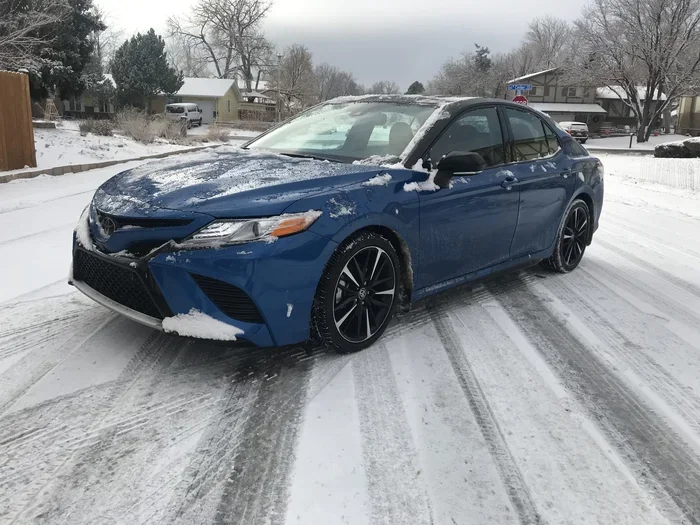
Are Toyota Camrys Good in the Snow for Winter Driving
The Toyota Camry handles light to moderate snow surprisingly well, especially with AWD and proper winter tires. Its traction control, stability systems, and reliable brakes make it a solid winter commuter. However, deep snow and icy roads demand caution regardless of the model. Learn what makes the Camry work in winter and how to get the most out of it.
Are Toyota Camrys good in the snow? This is a question many drivers ask before buying a sedan for winter use. The short answer is yes, the Toyota Camry handles snow reasonably well, but there are important factors to consider. The Camry is not a dedicated winter car, but it is one of the most capable sedans you can find for cold-weather driving.
Millions of people drive their Camrys through snowy winters every year without major issues. The car comes packed with safety technology, reliable drivetrains, and solid engineering. Whether you face light dustings or heavier snowfall, the Camry can handle the job with the right setup.
In this guide, we will break down everything you need to know about Toyota Camry snow performance. We will look at AWD versus FWD, traction systems, tire choices, braking, and real-world winter driving tips. By the end, you will know exactly how a Camry performs in snow and what you can do to improve its winter capability.
Key Takeaways
- AWD models handle snow best: The all-wheel-drive Camry delivers superior grip and confidence on snowy roads.
- Traction and stability control are standard: These systems help prevent skidding and sliding in winter conditions.
- Winter tires make a huge difference: Even FWD Camrys perform much better with dedicated snow tires.
- The Camry is reliable in cold weather: Toyota builds these cars to handle temperature extremes, including freezing conditions.
- Braking distance increases in snow: Always leave extra following distance when driving a Camry on icy roads.
- Regular maintenance matters: Keeping up with oil changes and fluid checks helps your Camry perform in winter.
- The Camry is affordable to own: It offers strong value compared to other sedans in the winter driving category.
📑 Table of Contents
- How the Toyota Camry Performs in Snow
- Safety Systems That Help the Camry in Snow
- Tire Choices for Winter Camry Driving
- Cold Weather Reliability of the Toyota Camry
- Real-World Winter Driving Tips for Camry Owners
- How the Camry Compares to Other Sedans in Snow
- Common Mistakes to Avoid When Driving a Camry in Snow
- The Bottom Line: Is the Camry Worth It for Winter Driving?
- Frequently Asked Questions
How the Toyota Camry Performs in Snow
The Toyota Camry is a midsize sedan built for comfort, reliability, and daily driving. When snow hits, the Camry shows its strengths. The car has a low center of gravity, which helps it stay stable on slippery surfaces. Its weight distribution is well balanced, so you get predictable handling even when roads get slick.
That said, the Camry is a sedan, not a truck or SUV. It sits closer to the ground than taller vehicles. This means deep snow can be a challenge. If you live in an area with heavy snowfall and unplowed roads, you may want to consider a higher vehicle. But for most winter conditions, the Camry holds its own.
The Camry also benefits from Toyota’s reputation for building durable cars. Many Camrys last well over 200,000 miles, and they do not fall apart in cold weather. If you want a car that will serve you year after year in winter, the Camry is a strong choice.
Front-Wheel Drive vs. All-Wheel Drive in Snow
This is the biggest factor in how a Camry handles snow. The front-wheel-drive Camry pulls the car forward using the front wheels. This works fine for light snow and salted roads. But when you hit ice or heavy snow, FWD can feel less confident.
The all-wheel-drive Camry is a different story entirely. AWD sends power to all four wheels, giving you much better grip. You will notice the difference immediately when you pull out of your driveway on a snowy morning. AWD helps with acceleration, cornering, and overall stability in winter conditions.
Here is a quick comparison:
- FWD Camry in snow: Works well for light snow and paved roads. Adequate for daily commuting in moderate winter climates.
- AWD Camry in snow: Offers significantly better traction and confidence. Ideal for heavier snow and colder regions.
- Both models: Benefit greatly from winter tires and careful driving habits.
If you live somewhere with harsh winters, the AWD Camry is the clear winner. The extra cost is worth the peace of mind.
Safety Systems That Help the Camry in Snow
Toyota equips the Camry with a suite of safety features that shine in winter. These systems work behind the scenes to keep you stable and in control. You may not even notice them working, but they make a real difference.
Traction Control
Traction control prevents your wheels from spinning when you accelerate on slippery surfaces. When you hit a patch of ice, traction control adjusts engine power and applies brakes to individual wheels. This helps you maintain forward momentum without slipping.
For Toyota Camry snow driving, traction control is one of the most important features. It works automatically and you cannot turn it off on most models. This is a good thing in winter because you want all the help you can get.
Vehicle Stability Control
Stability control goes a step further. It monitors your steering angle, yaw rate, and wheel speed. If the system detects that the car is sliding or skidding, it applies brakes to specific wheels and reduces engine power. This can save you from spinning out on an icy corner.
Many drivers wonder if they should turn off stability control in certain situations. In snow, always keep it on. The system is designed to help you maintain control, and turning it off removes a critical safety net.
Anti-Lock Braking System (ABS)
ABS prevents your wheels from locking up when you brake hard on slippery surfaces. Instead of skidding, you maintain steering control while braking. This is essential when you need to stop quickly on snow or ice.
The Camry’s ABS system works well in winter conditions. However, remember that ABS does not shorten your braking distance on ice. It helps you steer while stopping. Always leave extra following distance in snow.
Tire Choices for Winter Camry Driving
Tires are the single biggest factor in how your Camry handles snow. Even the best AWD system cannot help if your tires lack grip. Choosing the right tires can transform your winter driving experience.
All-Season Tires
All-season tires are the standard on most Camry trims. They work well in a variety of conditions, including light snow. If you live in a mild winter climate with occasional snowfall, all-season tires are perfectly fine.
However, all-season tires have limitations. Their rubber compound hardens in extreme cold, reducing grip. The tread pattern is not optimized for deep snow. For true winter driving, all-season tires are a compromise, not a solution.
Winter Tires
Winter tires are designed specifically for cold weather and snow. They use a softer rubber compound that stays flexible in freezing temperatures. The tread pattern has deeper grooves and more biting edges for grip on snow and ice.
Putting winter tires on your Camry is the best thing you can do for winter performance. You will notice improved acceleration, braking, and cornering immediately. Winter tires make even a front-wheel-drive Camry feel confident in snow that would otherwise be challenging.
Tire Chains
In extreme conditions, tire chains provide the ultimate grip. They are bulky and noisy, but they work when nothing else will. If you live in a mountain area or face severe winter storms, chains can save you from getting stuck.
Check your Camry’s owner manual for tire chain guidelines. Some models have limited clearance for chains. Always practice installing chains before you need them in an emergency.
Cold Weather Reliability of the Toyota Camry
One reason the Camry excels in winter is its overall reliability. Toyota builds these cars to last, and cold weather does not break them down easily. The engine starts reliably even in freezing temperatures, and the electrical systems hold up well.
Engine Performance in Cold Weather
The Camry is available with a 2.5-liter four-cylinder engine or a 3.5-liter V6. Both engines are proven performers in cold conditions. The four-cylinder version is fuel-efficient and sufficient for most winter driving. The V6 offers more power, which can be helpful when accelerating out of snowy intersections.
Are Toyota V6 engines reliable? Yes, and the Camry’s V6 is no exception. It provides strong performance in all seasons, including winter. For drivers who want extra confidence in snow, the V6 Camry offers a power advantage.
Battery and Electrical Systems
Cold weather is tough on car batteries. The Camry’s electrical system is designed to handle typical winter demands. However, if your battery is old, cold mornings can be a problem. Consider testing your battery before winter arrives and replacing it if it is more than four years old.
The Camry’s heated seats, defroster, and climate control all work well in cold weather. These comfort features make winter driving more pleasant and help keep you focused on the road.
Fluids and Maintenance
Keeping your Camry well-maintained is essential for winter performance. Use the right oil for cold weather. You can use 5W-30 oil in a Toyota Camry, and it flows well in freezing temperatures. Check your coolant levels and make sure your washer fluid is rated for below-freezing temperatures.
Regular maintenance keeps your Camry running its best in winter. Follow the maintenance schedule in your owner manual, and do not skip winter-specific checks like tire rotation and battery testing.
Real-World Winter Driving Tips for Camry Owners
Owning a Camry in a snowy climate comes with a few practical considerations. These tips will help you stay safe and get the most from your car all winter long.
Drive Smooth and Slow
The biggest rule for driving a Camry in snow is to be gentle. Smooth steering, gentle acceleration, and early braking keep you in control. Jerky movements on slippery roads can cause skids. Take your time and allow extra space for stops.
Keep Your Gas Tank at Least Half Full
Running low on gas in winter is risky. You could get stuck in traffic or a snowstorm and run out of fuel. Keeping your tank at least half full also helps prevent moisture from freezing in the fuel lines.
Clear Snow Off Your Entire Car
This is a simple but important tip. Clear all snow from your roof, hood, trunk, and windows before driving. Snow on your roof can fly off at highway speeds and blind other drivers. Clear lights and mirrors so you can see and be seen.
Use Your Defroster Effectively
The Camry’s climate control system is effective at clearing fog and frost. Point the vents toward the windshield and use the air conditioning setting to remove moisture faster. Keep your windows clear for maximum visibility in all winter conditions.
Know When to Stay Home
Even the best car has limits. If a storm is severe or roads are truly impassable, stay home. No sedan, no matter how capable, is worth the risk of driving through dangerous winter weather.
How the Camry Compares to Other Sedans in Snow
The Toyota Camry is not the only sedan that handles snow, but it stands out for several reasons. Its standard safety features, reliability, and available AWD give it an edge over many competitors.
Compared to the Honda Accord, the Camry offers a more available AWD system and slightly better cold-weather reliability. Against the Nissan Altima, the Camry’s V6 option provides more power for pushing through snow. The Hyundai Sonata is a strong competitor, but the Camry’s resale value and proven track record give it an advantage.
One thing the Camry lacks compared to some competitors is a dedicated winter mode. Some vehicles have specific settings that optimize traction and stability for snow. The Camry relies on its standard traction and stability control systems, which work well but are not as specialized.
Overall, the Camry is one of the best sedans for winter driving. It combines capability, reliability, and value in a way few other cars can match.
Common Mistakes to Avoid When Driving a Camry in Snow
Even with a reliable car like the Camry, mistakes happen in winter. Here are common errors to avoid.
- Rushing to accelerate: Spinning your wheels in snow wastes energy and reduces control. Accelerate gently and let the tires find grip.
- Braking too hard: Slamming the brakes on ice causes skids. Brake early and steadily, letting ABS do its work.
- Ignoring tire condition: Worn tires have poor grip in snow. Check your tread depth before winter and replace tires that are bare.
- Over-relying on AWD: AWD helps with traction but does not improve braking. It does not make you invincible on ice. Drive carefully regardless of your drivetrain.
- Neglecting maintenance: A poorly maintained Camry will not perform well in winter. Keep up with oil changes, fluid top-offs, and tire care.
Avoiding these mistakes keeps you safer and helps your Camry last for years. If you want your car to last 30 years or more, proper winter care is a big part of that equation.
The Bottom Line: Is the Camry Worth It for Winter Driving?
The Toyota Camry is a strong choice for winter driving. It handles snow better than most sedans thanks to its available AWD, advanced safety systems, and proven reliability. While it is not a winter-specific vehicle, it handles the job admirably for most drivers.
If you face mild to moderate winters, the Camry is more than capable. If you live in a harsh winter climate, the AWD model with winter tires will serve you well. The Camry offers excellent value for a reliable winter commuter.
Remember that no car is perfect in all conditions. Snow driving always requires caution and respect for the road. But with the right setup and smart driving habits, the Toyota Camry will get you through winter safely and comfortably.
For owners wondering about long-term ownership, the Camry is known to last 20 years or more with proper care. It is one of the most dependable sedans on the road, rain or shine, snow or sun.
Frequently Asked Questions
Is the Toyota Camry AWD worth it for snow driving?
Yes, the AWD Camry is worth it if you regularly drive in snow. AWD provides noticeably better traction and stability compared to FWD. It makes winter driving safer and more confident, especially on unplowed or icy roads. The extra cost pays for itself in peace of mind.
Can I use all-season tires on my Camry in winter?
All-season tires work for light snow and mild winters. They are convenient because you do not need to swap tires seasonally. However, for heavy snow or icy conditions, dedicated winter tires are strongly recommended. They provide significantly better grip and shorter braking distances in true winter weather.
Does the Camry have a snow driving mode?
The Camry does not have a dedicated snow mode like some competitors. Instead, it relies on its standard traction control and vehicle stability control systems. These systems work automatically and effectively in snow. They adjust power delivery and braking to help you maintain control on slippery surfaces.
How does the Camry hybrid perform in snow?
The Camry hybrid performs well in snow, similar to the gas-powered models. The hybrid system delivers smooth power delivery, which is helpful on slippery roads. The added weight of the battery pack can actually provide a slight traction advantage. Just make sure to use winter tires for the best results.
Is the Camry too heavy for snow driving?
The Camry’s weight is actually an advantage in snow. Heavier vehicles tend to have more momentum and grip on slippery surfaces. The Camry weighs between 3,300 and 3,600 pounds depending on the trim, which helps it stay planted on snow and ice. This makes it more stable than lighter sedans.
How do I prepare my Camry for winter driving?
Start by installing winter tires and checking your battery health. Make sure your fluids are winter-rated, including oil and washer fluid. Keep your gas tank at least half full, and pack an emergency kit with blankets, a flashlight, and jumper cables. Regular maintenance keeps your Camry running its best all winter long.