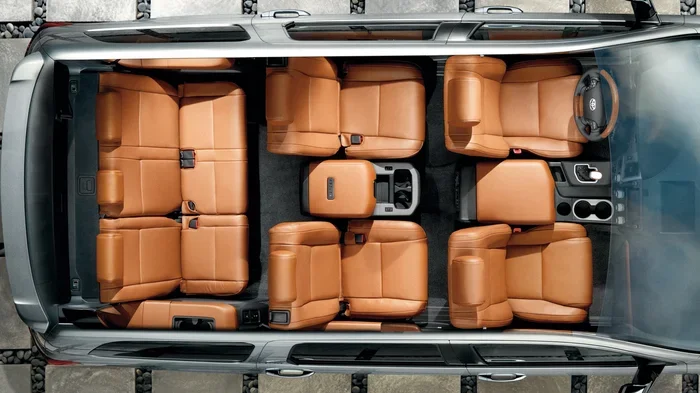
Do Toyota 4Runners Have 3rd Row Seating Explained Today
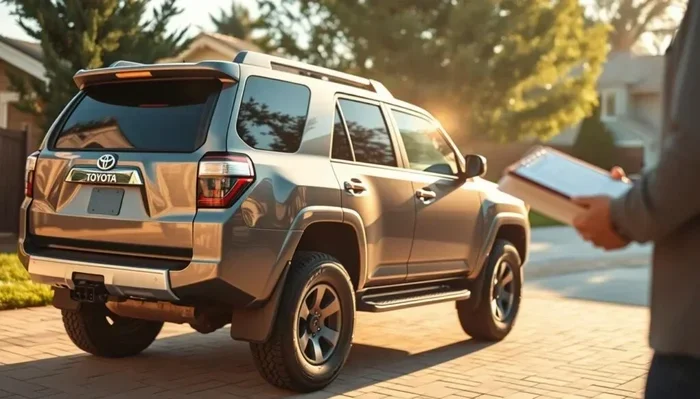
Do Toyota 4Runners have 3rd row seating? The short answer is no — the Toyota 4Runner does not come with a third row of seats in any trim or model year. This popular mid-size SUV offers seating for five passengers across two rows. However, with the rear seats folded down, the 4Runner provides impressive cargo space that many families find plenty useful. Let’s dive deeper into the Toyota 4Runner seating configuration and what you can expect.
Do Toyota 4Runners have 3rd row seating? This is one of the most common questions people ask when shopping for a rugged, reliable SUV. The Toyota 4Runner has been a favorite among adventure seekers and families alike for decades. But when it comes to seating, the answer might surprise you.
The Toyota 4Runner does not have a third row of seats. Every model year and every trim comes with just two rows, seating five passengers total. This is an important detail to know before you buy. Many shoppers assume that a big SUV like the 4Runner must have extra rows. But Toyota designed the 4Runner with a different priority in mind — durability, off-road capability, and cargo space.
In this article, we will explore everything about the Toyota 4Runner seating configuration. We will look at why there is no third row, what the interior actually feels like, and how the cargo space compares to SUVs that do offer a third row. Whether you are a first-time 4Runner buyer or just curious, this guide has you covered.
Key Takeaways
- No Third Row: The Toyota 4Runner does not offer a third row of seating in any trim or generation.
- Five-Passenger Capacity: All 4Runner models seat five passengers with two rows of seats.
- Fold-Down Rear Seats: The rear seats fold flat to create a large cargo area for hauling gear.
- Two Trim Levels: The 4Runner comes in SR5 and TRD Off-Road trims, both with the same seating setup.
- Alternative Options Exist: If you need a third row, consider the Toyota Highlander or other Toyota SUVs.
- Spacious Interior: Despite only two rows, the 4Runner offers generous legroom and headroom for all passengers.
📑 Table of Contents
Understanding Toyota 4Runner Seating
The Toyota 4Runner seating capacity is straightforward. It seats five people. There are two captain’s chairs or a bench seat in the front, and a bench seat in the rear. That is it. No hidden third row, no folding jump seats, no secret compartments with tiny seats.
Toyota has kept the 4Runner’s seating simple and functional. This approach works well for several reasons. First, it keeps the vehicle’s center of gravity low, which helps with handling and stability. Second, it allows for a flat cargo floor when the rear seats are folded down. Third, it means every passenger gets a full-size seat with generous legroom.
Front Row Seating
The front row of the 4Runner is comfortable and spacious. The driver gets a high seating position with excellent visibility. The passenger seat is also roomy. In some trims, you get two separate captain’s chairs. In others, you get a front bench seat that can seat three people. The captain’s chairs are more popular because they make it easier to access the rear seats.
The front seats offer good lumbar support and plenty of adjustment options. If you are tall, you will have no problem finding a comfortable driving position. The seats are also very durable, which is important for a truck-based SUV like the 4Runner.
Rear Row Seating
The rear row is where most passengers will spend their time on road trips. The rear bench seat is wide and comfortable. Adults can sit in the back without feeling cramped. Legroom is generous, and headroom is excellent thanks to the 4Runner’s tall roofline.
The rear seat folds down in a 60/40 split. This means you can fold down just the passenger side or both sides. When the seats are up, you get a flat cargo floor behind the front seats. When folded down, you get a long, flat surface that is perfect for hauling gear, luggage, or even furniture.
Why the 4Runner Has No Third Row
There are several reasons why Toyota chose not to add a third row to the 4Runner. Understanding these reasons helps you appreciate the design philosophy behind this iconic SUV.
Body-on-Frame Construction
The 4Runner uses a body-on-frame platform. This is the same type of construction found in trucks. It makes the vehicle incredibly strong and durable. But it also limits the interior space in certain ways. Adding a third row would require a longer wheelbase or a different design approach. Toyota has chosen to keep the 4Runner’s dimensions relatively compact for a body-on-frame SUV.
This construction also gives the 4Runner its legendary off-road capability. The solid rear axle and robust frame make it one of the best off-road SUVs on the market. Sacrificing a third row was a trade-off Toyota was willing to make to preserve these capabilities.
Focus on Cargo Space
Without a third row, the 4Runner has a massive cargo area. When the rear seats are folded down, you get over 89 cubic feet of cargo space. This is more than many SUVs with three rows when their third row is folded up. The 4Runner’s cargo area is flat, wide, and deep. It can easily handle coolers, camping gear, luggage, and more.
For many buyers, the choice is simple. They would rather have a huge cargo area than a third row of seats that rarely gets used. The 4Runner’s design reflects this preference perfectly.
Target Audience
Toyota designed the 4Runner for people who value adventure and ruggedness over passenger capacity. The typical 4Runner buyer is someone who goes on weekend camping trips, hits the trails, or needs a dependable daily driver that can handle anything. For this audience, five seats are usually plenty.
If you regularly carry more than five people, the 4Runner might not be the best fit. But for most families and adventure-seekers, the five-seat setup works great. Toyota also offers other models like the Highlander and Sequoia for buyers who need a third row.
4Runner Seating Compared to Other Toyota SUVs
If you need a third row, Toyota has several other options. Let us compare the 4Runner to some other popular Toyota SUVs to help you understand the differences.
| Model | Seating Capacity | Rows | Cargo Space (Seats Up) |
|---|---|---|---|
| Toyota 4Runner | 5 passengers | 2 rows | ~46 cubic feet |
| Toyota Highlander | 8 passengers | 3 rows | ~16 cubic feet |
| Toyota Sequoia | 8 passengers | 3 rows | ~18.9 cubic feet |
| Toyota Tacoma | 5 passengers | 2 rows | ~73.7 cubic feet (crew cab) |
As you can see, the 4Runner offers the best cargo space among these options when the rear seats are up. The Highlander and Sequoia give you more passenger seats, but they sacrifice cargo room. The choice depends on what matters most to you.
If you are considering a Toyota for its reliability and longevity, you might also want to check out Can Toyota Last 500000 Miles. The 4Runner is known for its durability, and many owners report high mileage with proper maintenance.
Maximizing the 4Runner’s Interior Space
Even without a third row, the Toyota 4Runner offers plenty of ways to make the most of its interior space. Here are some practical tips and ideas.
Fold-Down the Rear Seats
The 60/40 split rear bench is one of the 4Runner’s best features. Fold it down, and you get a long, flat floor that can accommodate oversized items. Need to move a large piece of furniture? The 4Runner can handle it. Going on a camping trip with lots of gear? The folded rear seats give you plenty of room.
One thing to note is that the rear seats do not fold completely flat in all model years. Some years have a slight step-up where the seat bottom meets the rear window. This is a minor issue but worth knowing before you try to load very tall items.
Use the Front Passenger Seat
The front passenger seat in the 4Runner can fold down forward. This creates an even longer cargo area for items that are too long to fit with the rear seats up. You can use this feature to slide long items like surfboards, skis, or even a small table through the cabin.
Under-Floor Storage
The 4Runner has hidden storage compartments under the rear cargo floor. These are perfect for storing smaller items like tools, first-aid kits, or emergency supplies. The storage keeps your cargo area organized and makes it easy to find what you need without digging through everything.
If you are also curious about how many people the 4Runner can officially seat, you might want to read up on Can A Toyota 4Runner Seat Eight. The answer is no, but there are some creative workarounds people discuss online.
Who Is the Toyota 4Runner Best Suited For?
The 4Runner is a fantastic vehicle, but it is not for everyone. Here is a quick look at who benefits most from the 4Runner’s two-row seating setup.
- Campers and Adventurers: The massive cargo area is perfect for camping gear, coolers, and outdoor equipment.
- Small Families: Families with one or two children will find the 4Runner comfortable and practical.
- Off-Road Enthusiasts: The 4Runner’s rugged capabilities are best appreciated without the weight of a third row.
- Daily Commuters: The durable interior holds up well to everyday use and easy cleaning.
- Buyers Who Value Resale: The 4Runner holds its value exceptionally well, and the simple seating setup is part of why.
If you regularly need to transport more than five people, you should look at other options. The Toyota Highlander, Toyota Sienna, or even a larger SUV like the Sequoia might be a better match. But if five seats meet your needs, the 4Runner is hard to beat.
When thinking about long-term ownership, the average life expectancy of a Toyota 4Runner is impressive. Many owners keep their 4Runners for 200,000 miles or more with proper care. You can learn more about this in our guide on the Average Life Expectancy Of A Toyota 4Runner.
Common Misconceptions About 4Runner Seating
There are several myths and misconceptions floating around about the 4Runner’s seating. Let us clear them up.
Myth: The 4Runner Has a Hidden Third Row
Some people believe there is a secret third row that folds out from the floor or cargo area. This is not true. The 4Runner has always been a two-row vehicle. There is no hidden seating option in any model year.
Myth: You Can Fit Eight People in a 4Runner
While the 4Runner can technically fit more than five people in an emergency, it is not designed or safe for that purpose. The rear bench is rated for three passengers, but fitting eight people in any vehicle is dangerous and illegal. Always follow the manufacturer’s seating capacity.
Myth: Newer 4Runners Added a Third Row
Toyota has not added a third row to the 4Runner in any recent generation. The 2024 and newer 4Runner models still offer five-passenger seating. Toyota has kept the design consistent because it works so well for the vehicle’s intended purpose.
Final Thoughts on 4Runner Seating
So, do Toyota 4Runners have 3rd row seating? The answer is a clear no. The Toyota 4Runner is a two-row, five-passenger SUV that prioritizes durability, off-road performance, and cargo space over passenger capacity. For the right buyer, this is a huge advantage.
The 4Runner’s seating setup is simple, practical, and effective. Every seat is comfortable, the cargo area is generous, and the interior is built to last. Whether you are heading to the trails or running errands around town, the 4Runner delivers.
If you need more than five seats, Toyota has other models that can help. But if you want a rugged, reliable SUV that can go anywhere and carry everything you need, the 4Runner is one of the best choices on the market. Its seating configuration is just one piece of what makes this vehicle so beloved by millions of owners worldwide.
Before making your final decision, take the time to sit in a 4Runner at your local dealership. Test the rear seats, fold them down, and see how the cargo area feels. Once you experience the 4Runner’s interior, you will understand why so many people choose it year after year.
Remember, the best vehicle is the one that fits your needs. For many buyers, the Toyota 4Runner’s two-row setup is exactly what they are looking for. It is simple, honest, and incredibly capable — just like the SUV itself.
Frequently Asked Questions
Do Toyota 4Runners have a third row of seats?
No, the Toyota 4Runner does not have a third row of seats in any model year or trim. It is a two-row SUV that seats five passengers. Toyota has never offered a third row option for the 4Runner.
How many people can a Toyota 4Runner seat?
The Toyota 4Runner seats five passengers. There are two seats in the front row and three seats in the rear row. This is the standard seating capacity across all trims and generations of the 4Runner.
Can you add a third row to a Toyota 4Runner?
Aftermarket third-row conversions exist, but they are not common and can be expensive. Most experts do not recommend them because they can compromise the vehicle’s safety and structural integrity. Toyota has not offered a factory third-row option for the 4Runner.
What SUV does Toyota offer with a third row?
Toyota offers several SUVs with third-row seating, including the Highlander, Highlander Hybrid, and Sequoia. These models seat up to eight passengers and are great alternatives if you need more seating capacity than the 4Runner provides.
Is the 4Runner’s cargo space good without a third row?
Yes, the 4Runner’s cargo space is excellent. With the rear seats up, you get about 46 cubic feet of cargo room. When the rear seats fold down, the space expands to over 89 cubic feet. This makes the 4Runner one of the most versatile SUVs for hauling gear and equipment.
Why does the Toyota 4Runner not have a third row?
Toyota designed the 4Runner as a rugged, body-on-frame SUV focused on off-road capability and durability. Adding a third row would add weight, reduce cargo space, and compromise the vehicle’s off-road performance. The two-row design keeps the 4Runner light, capable, and practical for its target audience.