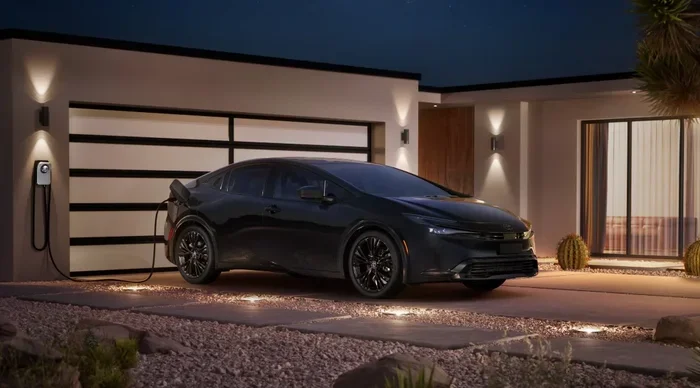
Does a Toyota Prius Qualify for a Tax Credit in 2024
The standard Toyota Prius hybrid does not qualify for the federal EV tax credit. However, the Prius Prime plug-in hybrid may be eligible for up to $4,502 in federal credits. Eligibility depends on battery capacity, income limits, and IRS rules. State incentives can add extra savings too. Always check current year requirements before buying.
Thinking about buying a Toyota Prius? You might have heard about tax credits for fuel-efficient vehicles. But here is the big question: does a Toyota Prius qualify for tax credit? The short answer is: it depends on which Prius model you buy. The standard Prius hybrid does not qualify for the federal EV tax credit. But the Prius Prime plug-in hybrid might. Let us break this down so you know exactly what to expect.
Tax credits can save you thousands of dollars. That is a big deal when you are shopping for a car. But the rules are tricky. The IRS has specific requirements that a vehicle must meet. Not every fuel-efficient car makes the cut. This guide walks you through everything you need to know about the Toyota Prius and tax credits in 2024. We will cover eligibility, amounts, how to claim, and common mistakes people make.
Whether you are looking at the regular Prius or the Prius Prime, this article has you covered. We will also look at state incentives that can stack on top of any federal credit. By the end, you will know exactly where you stand. No confusion. No guesswork. Just clear, practical info you can use.
Key Takeaways
- The standard Prius hybrid is not eligible: The federal clean vehicle tax credit only applies to plug-in hybrids and fully electric vehicles.
- The Prius Prime qualifies: The plug-in version meets IRS requirements for the alternative fuel vehicle credit.
- Battery capacity matters: The IRS looks at kWh capacity to determine your exact credit amount.
- Income limits apply: Modified adjusted gross income caps can affect your eligibility.
- State incentives add value: Many states offer additional rebates or tax breaks on top of federal credits.
- Claim it on Form 8936: You report the credit when filing your annual tax return.
- Check for updates each year: Tax credit rules change frequently, so always verify current eligibility.
📑 Table of Contents
- Does the Toyota Prius Qualify for a Federal Tax Credit?
- How the Toyota Prius Prime Qualifies for a Tax Credit
- IRS Eligibility Requirements for the Prius Prime Tax Credit
- How to Claim the Toyota Prius Prime Tax Credit
- State and Local Incentives for Toyota Prius Owners
- Common Mistakes People Make with Prius Tax Credits
- Toyota Prius Tax Credit vs Other Hybrid Vehicles
- Final Thoughts: Is the Prius Prime Worth the Tax Credit?
Does the Toyota Prius Qualify for a Federal Tax Credit?
The federal government offers tax credits to encourage people to buy cleaner vehicles. But not every hybrid or electric car qualifies. The rules come from the Inflation Reduction Act and IRS guidelines. The key factor is whether the vehicle is a plug-in hybrid or a standard hybrid.
The standard Toyota Prius is a regular hybrid. It uses a combination of gas and electric power. But you cannot plug it in to charge the battery. Because of this, the standard Prius does not qualify for the federal clean vehicle credit. The IRS only credits vehicles that can run on electricity alone for a meaningful distance.
Why the Standard Prius Does Not Qualify
The federal tax credit program focuses on plug-in electric vehicles. A standard hybrid like the regular Prius charges its battery through regenerative braking and the gas engine. It does not need an external power source. So it falls outside the eligibility rules.
Here is what the IRS looks for:
- Plug-in capability: The vehicle must be able to charge from an external source.
- Battery size: There is a minimum battery capacity requirement.
- Vehicle weight: The gross vehicle weight must be under a certain limit.
- Assembly location: The vehicle must be assembled in North America.
- Critical mineral sourcing: Battery minerals must come from qualifying sources.
The regular Prius checks none of these boxes for the federal credit. That is a hard truth for many Prius fans. But do not worry. The Prius Prime does qualify. More on that below.
How the Toyota Prius Prime Qualifies for a Tax Credit
The Toyota Prius Prime is a plug-in hybrid electric vehicle. It can run on electricity alone for about 44 miles on a full charge. After the battery is depleted, it switches to hybrid mode just like the regular Prius. Because it can plug in and charge, the Prius Prime meets the basic IRS requirement.
The Prius Prime qualifies for the federal alternative fuel vehicle credit. The credit amount depends on battery capacity. For the Prius Prime, the credit is up to $4,502. This is based on the IRS formula that awards $417 per kilowatt-hour of battery capacity above a certain threshold.
Understanding the Credit Amount
The IRS calculates the credit using a specific formula. Here is how it works in simple terms:
- Base amount: The first 5 kWh of battery capacity counts for a base credit.
- Additional kWh: Each kWh above 5 kWh adds $417 to the credit.
- Maximum cap: The total credit cannot exceed a set limit per vehicle.
The Prius Prime has a 13.6 kWh battery. Using the IRS formula, this puts the credit at $4,502. That is a nice chunk of change. It brings the effective price of the car down significantly.
But there is more to consider. The credit is not guaranteed for every buyer. Income limits and other factors can affect whether you actually receive the full amount. We will cover that in detail shortly.
IRS Eligibility Requirements for the Prius Prime Tax Credit
Even if the Prius Prime qualifies as a vehicle type, you still need to meet several requirements to claim the credit. The IRS does not give credits to just anyone. There are rules about who can claim and under what conditions.
Income Limits
The IRS sets modified adjusted gross income caps for clean vehicle credits. For the 2024 tax year, these limits are:
- Single filers: $150,000 or less
- Head of household: $225,000 or less
- Married filing jointly: $300,000 or less
If your income exceeds these limits, you cannot claim the credit. This is an important factor many people overlook. Make sure you check your filing status and income before counting on the credit.
Vehicle Price Caps
The IRS also caps the price of the vehicle. For the Prius Prime, the sticker price must fall under the limit for the vehicle category. The MSRP of the Prius Prime stays within the qualifying range for most trim levels. However, higher-end trims or added options could push the price over the cap.
New vs Used Vehicles
The federal clean vehicle credit applies to new vehicles purchased from a dealer. Used vehicles have a separate credit program. If you are buying a used Prius Prime, check the used clean vehicle credit rules. Those have different income limits and price caps.
How to Claim the Toyota Prius Prime Tax Credit
Once you know the Prius Prime qualifies, the next step is claiming the credit. The process is straightforward if you have the right paperwork. Here is exactly what you need to do.
Step-by-Step Guide
- Buy the vehicle from a licensed dealer. The credit only applies to new purchases through authorized dealers. Private sales do not qualify for the federal credit.
- Get the proper documentation. Your dealer will provide you with a Form 8936 and a Manufacturer’s Certificate of Origin. Keep these safe.
- Fill out IRS Form 8936. This is the Qualified Plug-in Electric Drive Motor Vehicle Credit form. It calculates your exact credit amount.
- Attach Form 8936 to your tax return. File it with your annual federal tax return. Do not submit it separately.
- Keep records for at least three years. The IRS can audit your return. Have all documentation ready in case of questions.
The credit is non-refundable. This means it can reduce your tax bill to zero, but it will not give you a refund beyond what you owe. If your tax liability is less than the credit amount, you may not be able to use the full credit. However, you can carry forward any unused portion to future tax years.
When to Claim the Credit
You claim the credit in the tax year you take possession of the vehicle. If you buy and register the Prius Prime in 2024, you claim it on your 2024 tax return filed in 2025. Timing matters. Make sure you coordinate your purchase with your tax planning.
Quick tip: talk to a tax professional before filing. They can confirm you are maximizing your credit and avoiding mistakes. A small investment in tax advice can save you from big headaches later.
State and Local Incentives for Toyota Prius Owners
Federal tax credits are great, but they are not the only way to save. Many states and local governments offer additional incentives for fuel-efficient and electric vehicles. These can add real value on top of the federal credit.
Common State Incentives
- State tax credits: Some states offer their own tax credits for hybrid and plug-in vehicles. The amounts vary widely by state.
- Rebate programs: States like California, Colorado, and New York have rebate programs that give you money back at the point of sale.
- HOV lane access: Several states allow Prius Prime owners to use carpool lanes even when driving solo.
- Reduced registration fees: Some states charge lower registration fees for fuel-efficient vehicles.
- Utility rebates: Your local electric utility may offer rebates for home charging equipment.
The Prius Prime is a popular choice in states with strong EV incentives. California, for example, has had rebate programs specifically for plug-in hybrids. Check your state’s energy or transportation department website for current programs. Incentives change often, so always verify the latest information.
Also, if you are charging your Prius Prime at home, you may want to look into home charging setup. You can plug a Prius into a regular outlet for Level 1 charging. This is convenient but slow. For faster charging, consider a Level 2 home charger. Many utility companies offer rebates for these installations.
Common Mistakes People Make with Prius Tax Credits
Tax credits are confusing. Even well-informed buyers make mistakes. Here are the most common errors people make when claiming the Prius Prime tax credit.
Confusing the Standard Prius with the Prius Prime
This is the number one mistake. Many people assume all Prius models qualify for the tax credit. They do not. Only the Prius Prime plug-in version is eligible. If you buy a standard Prius hybrid, you will not receive a federal tax credit. Always double-check the model name before purchasing.
Not Verifying Income Eligibility
Even if your vehicle qualifies, your income might not. Many people assume they qualify without checking the MAGI limits. If your income is too high, the credit is not available. This is a hard stop that no amount of planning can work around.
Buying from a Private Seller
The federal credit only applies to new vehicle purchases from licensed dealers. Buying a Prius Prime from a private party does not qualify for the federal credit. Some people do not realize this until it is too late.
Forgetting to File Form 8936
The credit does not apply automatically. You must actively claim it by filing Form 8936 with your tax return. Many people forget this step and miss out on money they are entitled to. Set a reminder or ask your tax preparer to include it.
Assuming the Credit Is Refundable
The Prius Prime tax credit is non-refundable. It can only reduce your tax liability to zero. If you owe less in taxes than the credit amount, the remainder does not turn into a refund. Some people expect a big refund check that never comes.
Ignoring Battery Degradation Concerns
Some buyers worry about long-term battery health. The good news is that the Prius Prime battery is designed for longevity. Many owners report that a Prius battery can last well over 200,000 miles with proper care. If you are concerned about battery replacement costs, know that most Prius batteries are very durable and reliable.
Expert insight: if you are worried about battery health, you can check if a Prius battery is still good using a simple load test. Most dealerships and independent shops can do this for a small fee. Regular maintenance goes a long way in preserving battery life.
Toyota Prius Tax Credit vs Other Hybrid Vehicles
How does the Prius Prime stack up against other hybrids on the market? Let us compare a few popular options. This table shows the federal credit eligibility for several well-known hybrid and plug-in hybrid vehicles.
Keep in mind that tax credit eligibility changes based on IRS updates each year. Always verify current status before making a purchase decision. Vehicle qualification also depends on final assembly location and battery sourcing requirements that the IRS updates regularly.
Final Thoughts: Is the Prius Prime Worth the Tax Credit?
The Toyota Prius Prime is one of the most practical plug-in hybrids on the market. It offers solid electric-only range, excellent fuel economy in hybrid mode, and a reliable reputation. Combined with the federal tax credit of up to $4,502, it becomes an even more compelling value proposition.
But the tax credit is just one piece of the puzzle. Think about your daily driving habits. If you have a short commute, the Prius Prime can handle most of your trips on electricity alone. That means very little gas usage and significant fuel savings over time.
Also consider the total cost of ownership. The Prius Prime has lower fuel costs than a traditional gas car. Maintenance costs are reasonable. And the federal and state incentives reduce the upfront price. When you add all of this up, the financial case is strong.
Before you buy, confirm your eligibility. Check the income limits, make sure you are buying from a dealer, and verify that the specific trim you want qualifies. Talk to a tax advisor if you are unsure about anything. A few minutes of homework can save you thousands of dollars.
The bottom line is this: if you want a Toyota Prius that qualifies for a tax credit, go with the Prius Prime. The standard Prius is a great car, but it does not unlock the federal credit. The Prime does. And in 2024, that credit is still available for eligible buyers.
Tax credits are a fantastic way to reduce the cost of going green. The Toyota Prius Prime makes it easy to take advantage of these incentives. Do your research, plan your purchase, and enjoy the savings. You will be glad you did.
Frequently Asked Questions
Does the standard Toyota Prius hybrid qualify for any tax credit?
No, the standard Prius hybrid does not qualify for the federal EV tax credit. It is not a plug-in vehicle, and the IRS requires plug-in capability for the clean vehicle credit. However, you may still benefit from state or local incentives depending on where you live.
How much is the Toyota Prius Prime tax credit in 2024?
The Prius Prime qualifies for a federal tax credit of up to $4,502. The exact amount depends on battery capacity and IRS formulas. This credit is claimed on IRS Form 8936 when you file your annual tax return.
Can I claim the Prius Prime tax credit if I bought a used car?
Yes, but under a different program. The used clean vehicle credit applies to pre-owned plug-in hybrids and EVs. It has separate income limits and price caps. You must buy the used vehicle from a licensed dealer to qualify.
What happens if my income is too high for the Prius Prime credit?
If your modified adjusted gross income exceeds the IRS limits, you cannot claim the credit. There is no workaround for this rule. Consider whether the vehicle still makes financial sense without the credit based on fuel savings alone.
Do I need to charge the Prius Prime to qualify for the tax credit?
No. The tax credit is based on the vehicle’s classification as a plug-in hybrid. You do not need to charge it or prove that you charge it. However, actually plugging it in is what allows you to use the electric-only mode and save on fuel.
What should I do if my tax preparer has never heard of the Prius Prime credit?
Tax preparers deal with many forms and credits. If yours is unfamiliar, point them to IRS Form 8936. You can also visit the IRS website directly for guidance. Most major tax software programs include the plug-in vehicle credit as a standard option.