Do I Have to Reprogram My Key Fob After Changing Battery
You might need to reprogram your key fob after changing your car battery, but it depends on your vehicle make and model. Most modern cars with push button start or remote keyless entry require a key fob reset once the car battery dies or is disconnected. The good news? Reprogramming is often simpler than you think, and in many cases, you can do it yourself at home in just a few minutes.
So you just replaced your car battery. You hook everything up, turn the key, and the engine roars to life. But then you reach for your key fob to lock the doors, and nothing happens. Your heart drops. Did you just lose access to your remote keyless entry? This is a very common situation, and it catches a lot of car owners off guard.
The big question on everyone’s mind is the same: do I have to reprogram my key fob after changing the battery? The short answer is: it depends. Some cars need a full key fob programming session. Others barely notice the battery was even removed. In this guide, we will walk you through everything you need to know. We will cover why key fobs stop working, which vehicles require reprogramming, and exactly how to fix the problem step by step.
Whether you drive a sedan, SUV, or truck, this article has you covered. We will look at real-world examples, share practical tips, and help you avoid common mistakes. By the end, you will know exactly what to do the next time your car battery dies or needs replacement. Let us get into it.
Key Takeaways
- Not all cars need reprogramming: Some vehicles retain key fob memory even after a battery swap.
- Older vehicles are less likely to require reprogramming compared to newer models with advanced vehicle security systems.
- You can often reprogram at home using simple steps found in your owner’s manual or online guides.
- A dead car battery does not erase your key fob code in most cases, but disconnecting the battery sometimes does.
- An OBD scanner can help with reprogramming if the manual method does not work.
- Common mistakes like using the wrong battery type can cause key fob problems after replacement.
- Professional help is affordable if you cannot reprogram the remote key fob yourself.
📑 Table of Contents
- Why Does Your Key Fob Stop Working After a Battery Change?
- Which Cars Require Key Fob Reprogramming After a Battery Change?
- How to Reprogram Your Key Fob After Battery Replacement
- When Reprogramming Is NOT Necessary
- Common Key Fob Problems After Battery Swap
- Expert Tips to Avoid Key Fob Issues After Battery Replacement
- How to Know if Your Key Fob Needs a New Battery vs. Reprogramming
- Key Takeaways
- Conclusion
Why Does Your Key Fob Stop Working After a Battery Change?
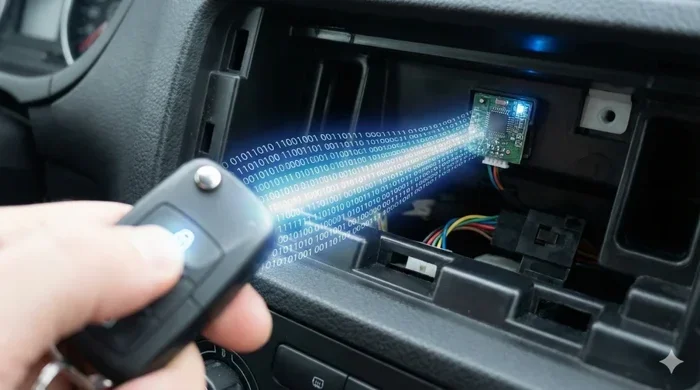
When your car battery dies or gets disconnected, it cuts power to the entire electrical system. This includes the vehicle security system that communicates with your remote key fob. Think of it like unplugging your home Wi-Fi router. When you plug it back in, your devices need to reconnect. The same idea applies to your key fob and car pairing.
Here is what happens under the hood. Your car has a transponder key system or a passive entry system. These systems store a unique code that matches your key fob. When the car battery is removed, the computer sometimes forgets that saved code. It is like clearing the short-term memory of your vehicle. The good news is that the key fob itself usually still holds its code. You just need to re-establish the connection.
The Role of the Immobilizer System
Most cars built after 1995 have an immobilizer system. This is an anti-theft feature that prevents your engine from starting unless the correct key fob is detected. When you disconnect the car battery, the immobilizer loses its stored pairing data. It essentially goes into a “locked out” mode until it recognizes the key fob again. This is why your push button start might not work after a battery swap, even though the engine turns over fine.
Does the Type of Battery Matter?
Yes, it can. If you only let your car battery die and then jump-started it, the key fob might still work. But if you fully disconnected the battery terminals, the chances of needing to reprogram your key fob go up significantly. Also, using the wrong type of car battery can sometimes cause electrical glitches that affect key fob range and signal strength.
Which Cars Require Key Fob Reprogramming After a Battery Change?
Not every vehicle needs reprogramming. The rules vary widely depending on the make and model, the year, and the type of keyless entry system installed. Let us break it down by vehicle category so you know what to expect.
Japanese and Korean Brands
Many Toyota, Honda, Hyundai, and Kia vehicles have a simple re-sync process. In most cases, you can reprogram the key fob in under five minutes without any special tools. These brands often use a key fob reset button inside the cabin or a specific sequence of pressing the lock and unlock buttons.
European Luxury Brands
BMW, Mercedes-Benz, Audi, and Volkswagen vehicles tend to have more complex key fob programming requirements. Some models require an OBD scanner or a visit to the dealer. However, many newer European models have a self-programming feature that lets you pair the key fob again after a battery change if you follow the correct steps.
American Brands
Ford, Chevrolet, and Dodge fall somewhere in the middle. Many Ford models allow you to reprogram the remote key fob using the ignition cycle method. Chevrolet and Dodge vehicles also have built-in programming modes, though the steps vary from one model to the next.
Electric and Hybrid Vehicles
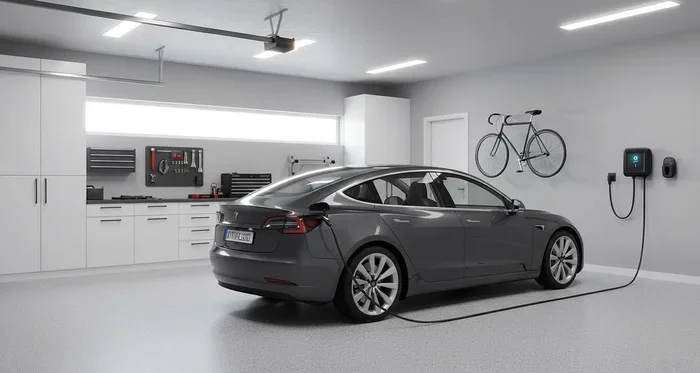
Electric vehicles like the Tesla and Nissan Leaf handle key fob battery changes differently. Tesla, for example, does not use a traditional key fob in most cases. Instead, it relies on a smartphone app and a credit-card-sized key card. Nissan Leaf owners may need to reprogram the intelligent key after a battery disconnect, but the process is straightforward.
How to Reprogram Your Key Fob After Battery Replacement
If your key fob is not working after you changed the car battery, do not panic. Most of the time, you can fix this yourself. Here is a general guide that works for many popular vehicles. Always check your owner’s manual first, as every car is slightly different.
Step-by-Step Reprogramming Process
Follow these steps to reprogram your key fob after a battery change. The process below covers the most common method used across many vehicle brands.
- Sit inside the car with all doors closed. Make sure the car battery is fully connected and charged.
- Turn the ignition to the “On” position without starting the engine. On some cars, you just need to press the push button start without pressing the brake.
- Press the lock button on the key fob and hold it for about three to five seconds.
- Turn the ignition off, then back to “On” within five seconds.
- Press the lock button again on the key fob and hold it.
- Turn the ignition off again and wait for the doors to lock or hear a confirmation beep.
- Repeat this cycle for any additional key fobs you want to pair.
- Turn the ignition off and step out of the car. Test the key fob by locking and unlocking the doors from a few feet away.
Using an OBD Scanner for Reprogramming
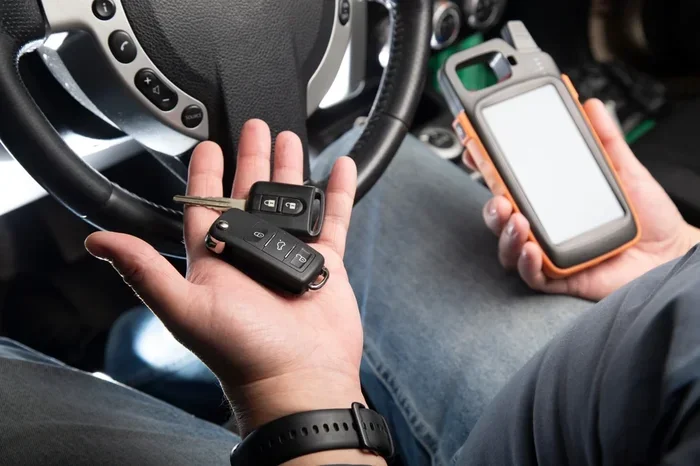
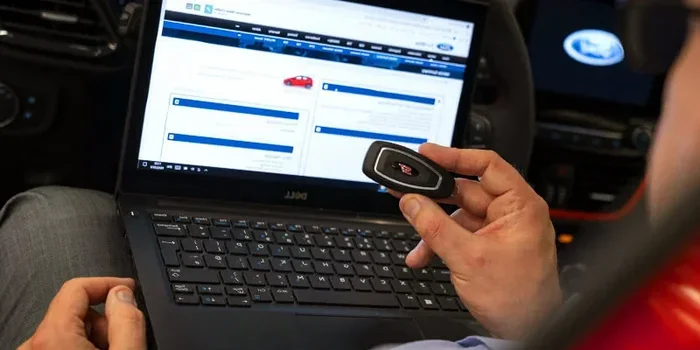
If the manual method does not work, an OBD scanner can help. This small device plugs into the OBD-II port under your dashboard. It communicates directly with your car’s computer system. Some OBD scanners have a key fob programming mode that walks you through the process step by step. You can buy a basic scanner for under $50 at most auto parts stores.
Here is how to use one:
- Plug the OBD scanner into the port under your steering column.
- Turn the ignition to the “On” position.
- Follow the on-screen prompts to access the key fob programming menu.
- Select “Add Key” or “Program New Key Fob.”
- Press the buttons on your key fob when prompted.
- Wait for the confirmation message that the key fob has been paired.
Reprogramming with a Professional
If you do not feel comfortable doing it yourself, or if your vehicle requires specialized equipment, a professional locksmith or dealership can help. The cost typically ranges from $50 to $200 depending on the make and model. Many mobile locksmiths offer key fob programming services at your doorstep, which is incredibly convenient.
When Reprogramming Is NOT Necessary
Here is some good news. In many cases, you do not need to reprogram your key fob after a battery change. Let us look at when the key fob will keep working on its own.
When the Battery Was Not Fully Disconnected
If you only replaced the car battery without disconnecting the terminals, the vehicle computer may retain the key fob pairing data. The electrical system never fully lost power, so the memory stays intact. This is common when you simply swap out a dead battery with a new one without touching the cables.
When You Only Replaced the Key Fob Battery
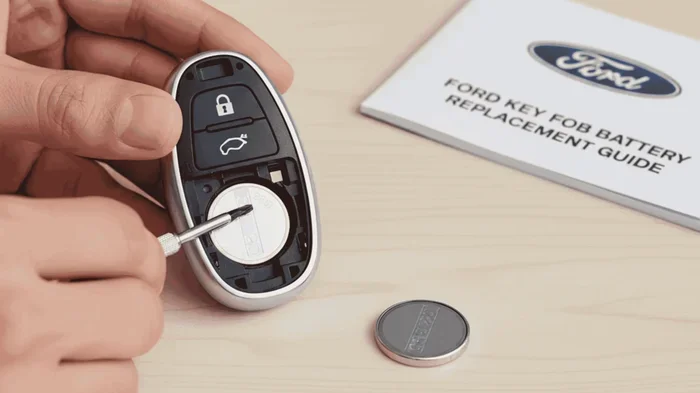
Replacing the small coin-cell battery inside your key fob is a completely different process from changing the car battery. Swapping the key fob battery does not erase the pairing code. Your remote key fob should work immediately after you snap the case back together.
Vehicles With Passive Keyless Entry
Some newer vehicles with passive keyless entry systems remember the key fob even after a full battery disconnect. These systems use a rolling code technology that is more resilient to power loss. If you are not sure whether your car falls into this category, check the owner’s manual or search online for your specific model.
Common Key Fob Problems After Battery Swap
Even when you follow the correct steps, issues can still pop up. Here are the most common key fob problems people face after changing their car battery, along with simple fixes.
The Key Fob Works but Has Limited Range
If your key fob only locks or unlocks when you are standing right next to the car, the signal strength might be weak. This can happen if the key fob battery inside the remote is also low. Try replacing the small coin-cell battery inside the key fob and see if the range improves.
The Key Fob Does Not Work at All
A completely dead key fob after a battery change usually means the pairing was lost. This is the most common scenario and is easily fixed by reprogramming the key fob. Follow the steps in the section above, or use an OBD scanner to re-pair the device.
The Car Starts But the Dashboard Shows a Warning Light
Some vehicles display a security warning light on the dashboard after a battery change. This light looks like a car with a key or a lock icon. It means the immobilizer system does not recognize the key fob. Reprogramming the key fob usually clears this warning light.
Multiple Key Fobs Stop Working
If you have more than one key fob and all of them stopped working after the battery change, the issue is with the car’s computer, not the individual remotes. You will need to reprogram all of the key fobs at once using the methods described earlier. Some vehicles require you to reprogram every key fob in sequence.
Expert Tips to Avoid Key Fob Issues After Battery Replacement
Prevention is always better than cure. Here are some expert-backed tips to help you avoid key fob problems the next time you change your car battery.
Keep Your Key Fob Safe During the Process
Before you disconnect the car battery, place your key fob in a safe spot inside the cabin. Do not leave it on the garage floor or in the trunk. You want easy access to it during the reprogramming process.
Use the Correct Battery
Always use the recommended car battery type for your vehicle. Using the wrong voltage or size can cause electrical issues that affect your keyless entry system. Check your owner’s manual or the label on the old battery before purchasing a replacement.
Replace the Key Fob Battery Too
If your key fob has been acting up for a while, now is a great time to replace its internal battery. A weak key fob battery can mimic the symptoms of a lost pairing, leading to unnecessary confusion. Keep a spare CR2032 or CR2025 battery in your glove box at all times.
Write Down the Reprogramming Steps
Every time you change your car battery, jot down the key fob reprogramming steps in your owner’s manual or a note on your phone. This saves you time and frustration the next time the battery dies or needs replacement.
Test Immediately After Reconnecting
Once you reconnect the car battery and the engine starts, immediately test your key fob. Try locking the doors, unlocking them, and pressing the remote start button if your car has that feature. If anything feels off, address it right away before you walk away from the vehicle.
How to Know if Your Key Fob Needs a New Battery vs. Reprogramming
It is easy to confuse a low key fob battery with a lost pairing. Here is a quick way to tell the difference.
If the key fob works from very close range but not from a few feet away, the internal battery is probably low. If the key fob does absolutely nothing, even when standing right next to the car, the pairing was likely lost during the car battery change. In that case, you need to reprogram the key fob, not replace its battery.
Sometimes, both issues happen at the same time. You lose the pairing and the internal battery is also dying. In this situation, replace the key fob battery first and then reprogram the device. This ensures you are working with a fully powered remote during the programming process.
Key Takeaways
- Not all cars need reprogramming: Some vehicles retain key fob memory even after a battery swap.
- Older vehicles are less likely to require reprogramming compared to newer models with advanced vehicle security systems.
- You can often reprogram at home using simple steps found in your owner’s manual or online guides.
- A dead car battery does not erase your key fob code in most cases, but disconnecting the battery sometimes does.
- An OBD scanner can help with reprogramming if the manual method does not work.
- Common mistakes like using the wrong battery type can cause key fob problems after replacement.
- Professional help is affordable if you cannot reprogram the remote key fob yourself.
Conclusion
So, do you have to reprogram your key fob after changing the battery? The honest answer is: maybe. It really comes down to your specific vehicle, how the battery was changed, and the type of keyless entry system your car uses. In many cases, a simple reprogramming session at home solves the problem in just a few minutes. For more complex vehicles, an OBD scanner or a quick trip to the locksmith gets the job done.
The most important thing to remember is that this is a very common issue and it is almost always fixable. You do not need to panic if your remote key fob stops working after a car battery change. Follow the steps in this guide, stay patient, and you will be back to locking and unlocking your doors with ease. Keep your owner’s manual handy, stay on top of your key fob battery replacements, and you will avoid most key fob problems for good.
Now that you know what to expect, you are better prepared the next time your car battery dies or needs replacing. Share this guide with a friend who might need it, and keep these tips in mind for a smoother, stress-free battery change experience every single time.
Frequently Asked Questions
Can I drive my car if the key fob stops working after a battery change?
Yes, in most cases you can still drive your car even if the key fob stops working. Many vehicles allow you to start the engine using the physical key blade hidden inside the key fob. However, you will not be able to use remote keyless entry or push button start until you reprogram the device.
How much does it cost to reprogram a key fob?
If you do it yourself using the manual method or an OBD scanner, the cost is essentially zero. If you visit a dealership or locksmith, the cost typically ranges from $50 to $200. The price depends on your vehicle make and model and the complexity of the key fob programming required.
Will changing the battery inside my key fob fix the problem?
Replacing the key fob battery will only fix the issue if the problem is a low internal battery. If the key fob lost its pairing with the car after the car battery was changed, you will need to reprogram it. Replacing the battery inside the remote does not restore the lost pairing.
How long does it take to reprogram a key fob?
Most key fob reprogramming processes take between three and ten minutes. The exact time depends on your vehicle brand and the method you use. Using an OBD scanner can sometimes speed up the process, while older vehicles with simple manual methods may take just a few minutes.
Do I need special tools to reprogram my key fob?
For most vehicles, you do not need any special tools. A working car battery and your key fob are all you need. However, some luxury and European vehicles benefit from using an OBD scanner for the reprogramming process. A basic scanner costs under $50 and is a worthwhile investment for any car owner.
Can a dead car battery erase my key fob code?
A dead car battery alone usually does not erase the key fob code. However, if you disconnected the battery terminals or the car battery was completely drained for an extended period, the vehicle computer may lose the pairing data. In that case, you will need to reprogram the key fob to re-establish the connection.