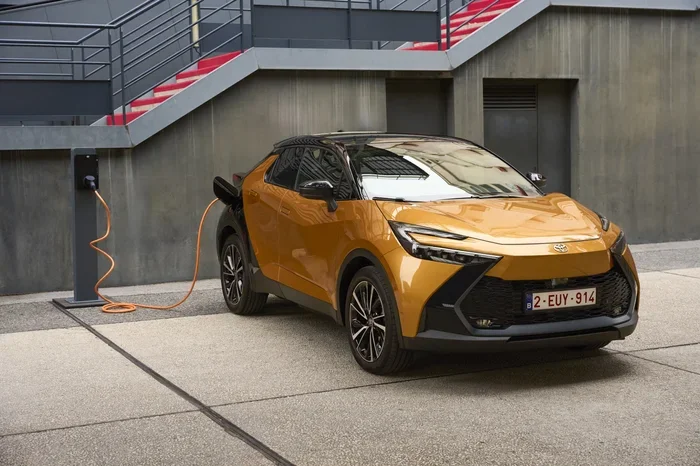
Does Toyota Have a Plug In Hybrid You Can Drive Today
Yes, Toyota does make plug-in hybrid vehicles, and you can buy them today. The Toyota plug-in hybrid lineup includes popular models like the Prius Prime and RAV4 Prime that combine electric driving with a gas engine. These PHEVs offer impressive electric-only range, excellent fuel economy, and the flexibility of a traditional hybrid.
So, does Toyota have a plug-in hybrid? The short answer is a firm yes. Toyota has been making hybrid cars for decades, and in recent years, they have expanded into the plug-in hybrid world. These vehicles, often called PHEVs, give you the best of both worlds. You get electric driving for short trips and a gas engine for longer journeys.
If you have been wondering whether a Toyota plug-in hybrid makes sense for your life, you are in the right place. This guide covers everything you need to know. We will look at the models available, how they work, what makes them different from regular hybrids, and why you might want one. By the end, you will know exactly whether a Toyota PHEV is the right choice for you.
Toyota has been a leader in hybrid technology for a long time. The brand introduced the original Prius way back in 1997. Since then, millions of people have bought Toyota hybrids. Now, Toyota is taking the next step with plug-in versions. These vehicles have bigger batteries and can be charged from an outlet. That means you can drive on electricity alone for a good portion of your daily driving.
Key Takeaways
- Toyota offers plug-in hybrid options: Models like the Prius Prime and RAV4 Prime are available now and ready to drive.
- Plug-in hybrids work differently than regular hybrids: They have larger batteries that you charge by plugging in, giving you more electric-only driving.
- Electric range is practical for daily use: Most Toyota PHEVs offer 40-60 miles of electric-only driving, which covers the average commute.
- Fuel economy is outstanding: Toyota plug-in hybrids deliver impressive MPG numbers, saving you money at the pump.
- Charging is simple: You can charge at home with a standard outlet or a dedicated Level 2 charger.
- Toyota has more PHEVs coming: The brand is expanding its electrified lineup with new models planned for the near future.
- You can still drive a Toyota hybrid with a bad battery: Learn more about hybrid battery reliability and what to do if issues arise.
📑 Table of Contents
- What Is a Plug-In Hybrid, and How Does It Work?
- Toyota Plug-In Hybrid Models You Can Buy Today
- How to Charge a Toyota Plug-In Hybrid
- Benefits of Owning a Toyota Plug-In Hybrid
- Things to Consider Before Buying a Toyota PHEV
- Toyota Plug-In Hybrid vs. Regular Hybrid: A Quick Comparison
- Can You Still Drive a Toyota Hybrid With a Bad Battery?
- How Long Can a Toyota Hybrid Sit Without Being Driven?
- Expert Tips for Getting the Most from Your Toyota Plug-In Hybrid
- Is a Toyota Plug-In Hybrid Worth It?
- Conclusion
What Is a Plug-In Hybrid, and How Does It Work?
A plug-in hybrid, or PHEV, is a car that has both a gas engine and an electric motor. Unlike a regular hybrid, a PHEV has a much larger battery pack. You charge this battery by plugging the car into an electrical outlet or a charging station. This gives you the ability to drive using only electric power for a set distance before the gas engine kicks in.
Here is how a Toyota plug-in hybrid works in simple terms:
- You plug the car in overnight. Just like your phone, the battery charges while you sleep.
- In the morning, you drive on electric power. For most Toyota PHEVs, this covers your daily commute easily.
- When the battery gets low, the gas engine starts. You can keep driving without worrying about finding a charger.
- The car recovers energy through regenerative braking. This helps recharge the battery a little while you drive.
The beauty of a PHEV is the flexibility. You do not need to plug in every day if you do not want to. You can still drive on gas alone, just like a regular car. But when you do plug in, you save money on fuel and reduce your carbon footprint.
How Is a Plug-In Hybrid Different from a Regular Hybrid?
This is a common question, and the difference is important. A regular Toyota hybrid, like the standard Prius, cannot be plugged in. The battery charges itself through driving and regenerative braking. The electric-only range is very short, usually just a mile or two. A plug-in hybrid, on the other hand, has a much bigger battery and can drive 40 to 60 miles on electricity alone.
Think of it this way. A regular hybrid sips a little bit of electricity to help the gas engine. A plug-in hybrid runs mostly on electricity for your daily driving and only uses gas when the battery runs out. For most people, this means filling up the gas tank much less often.
Toyota Plug-In Hybrid Models You Can Buy Today
Toyota currently offers several plug-in hybrid models. Each one serves a different type of driver. Whether you need a compact sedan or a spacious SUV, Toyota has a PHEV option worth considering.
Toyota Prius Prime
The Prius Prime is Toyota’s flagship plug-in hybrid sedan. It is the PHEV version of the legendary Prius. The Prime offers an EPA-rated electric-only range of about 44 miles. That is more than enough for most daily commutes. When the battery is depleted, the car operates like a regular hybrid and still gets great gas mileage.
Here are some key specs for the Prius Prime:
- Electric-only range: Around 44 miles
- Combined MPGe: Over 100 MPGe
- Total range with full tank and battery: Over 600 miles
- Power: 194 horsepower combined
- Starting price: Around $33,000 (varies by year and trim)
The Prius Prime is a great choice for commuters. You can plug it in at home every night and rarely use gas for your daily drive. Even if you forget to plug in, the car still works as a regular hybrid and gets excellent fuel economy.
Toyota RAV4 Prime
The RAV4 Prime is a plug-in hybrid SUV. It combines the practicality of the RAV4 with the efficiency of a PHEV. This model offers an electric-only range of about 42 miles. It also delivers impressive performance with 302 horsepower combined from the gas engine and electric motor.
Key details about the RAV4 Prime include:
- Electric-only range: Around 42 miles
- Combined MPGe: Around 94 MPGe
- Total range with full tank and battery: Over 600 miles
- Power: 302 horsepower
- Starting price: Around $43,000 (varies by year and trim)
The RAV4 Prime is perfect for families who want an SUV with strong efficiency and decent electric driving. It also has all-wheel drive as standard, which makes it great for all weather conditions. You get the utility of an SUV without sacrificing fuel savings.
Other Toyota Electrified Models Worth Noting
Toyota is expanding its electrified lineup. While the Prius Prime and RAV4 Prime are the main plug-in options right now, Toyota also offers regular hybrids across its lineup. Models like the Camry Hybrid, Highlander Hybrid, and Corolla Hybrid are very popular. These are not plug-ins, but they still offer great fuel economy.
If you are interested in the broader Toyota hybrid family, you might want to check out how long a Toyota hybrid can last. Many Toyota hybrids have been known to run well past 200,000 miles with proper maintenance. The hybrid battery technology has improved a lot over the years, and Toyota continues to invest in making their electrified vehicles more reliable.
How to Charge a Toyota Plug-In Hybrid
Charging a Toyota PHEV is simpler than you might think. You do not need a fancy setup. There are three main ways to charge a Toyota plug-in hybrid at home.
Level 1 Charging (Standard Outlet)
Every Toyota plug-in hybrid comes with a Level 1 charging cable. You can plug it into any standard 120-volt household outlet. This is the slowest method, but it works. A Level 1 charge adds about 3 to 5 miles of electric range per hour. If you plug in overnight, you can get a full charge by morning.
Level 1 charging is great for people who drive short distances each day. If your daily driving is under 40 miles, a standard outlet might be all you need.
Level 2 Charging (Dedicated Home Charger)
A Level 2 charger uses a 240-volt outlet, similar to what a clothes dryer uses. This is the most popular home charging option. A Level 2 charger can fully charge a Toyota PHEV in about 2 to 3 hours. The cost of a Level 2 charger ranges from $300 to $800 for the equipment, plus installation.
Many Toyota owners install a Level 2 charger in their garage or carport. It makes the charging process fast and convenient. If you want to learn more about what it costs to set up a home charger, you might want to check out how much it costs to program a push-to-start key fob or other Toyota-related costs for context on ownership expenses.
Public Charging Stations
You can also charge at public stations. Many shopping centers, workplaces, and parking garages now offer Level 2 charging. Some DC fast chargers are compatible with PHEVs, though most Toyota PHEVs do not support DC fast charging. Public charging is useful when you are away from home and need a top-up.
Benefits of Owning a Toyota Plug-In Hybrid
There are many reasons to consider a Toyota PHEV. Let us look at the biggest benefits that owners enjoy.
Exceptional Fuel Economy
The most obvious benefit is saving money on fuel. When you drive on electric power, you use no gas at all. Even when the gas engine kicks in, Toyota PHEVs get excellent combined fuel economy. The Prius Prime gets over 100 MPGe, and the RAV4 Prime delivers around 94 MPGe. Over a year, these savings can really add up.
Environmental Impact
Driving on electricity produces zero tailpipe emissions. For short trips around town, a Toyota plug-in hybrid can run entirely on clean energy. Even when the gas engine starts, PHEVs produce fewer emissions than traditional gas-powered cars. This is a big win for anyone who cares about reducing their environmental footprint.
No Range Anxiety
One concern people have with electric vehicles is range. What happens when you run out of charge? With a PHEV, you never have to worry. The gas engine takes over when the battery is low. You can drive hundreds of miles total, just like a regular car. This makes PHEVs a great bridge between fully electric and gas-powered vehicles.
Tax Credits and Incentives
Depending on where you live, you may qualify for federal or state tax credits for buying a PHEV. The federal tax credit for Toyota plug-in hybrids can be up to $4,502. Some states offer additional incentives like HOV lane access, reduced registration fees, or rebates. These savings can make a Toyota PHEV more affordable upfront.
Things to Consider Before Buying a Toyota PHEV
Toyota plug-in hybrids are great, but they are not perfect for everyone. Here are some things to think about before you buy.
Charging Infrastructure
To get the most out of a PHEV, you need to charge it regularly. If you do not have access to a garage or an outlet where you park, charging can be a challenge. Level 1 charging works with a standard outlet, but it is slow. If you live in an apartment or condo without assigned parking, a PHEV might not be the best fit.
Higher Upfront Cost
Toyota PHEVs cost more than their gas-only counterparts. The Prius Prime starts at a higher price than the regular Prius. The RAV4 Prime costs more than the standard RAV4 Hybrid. However, the fuel savings over time can help offset this higher price. Many buyers find that the total cost of ownership is lower with a PHEV.
Battery Life and Replacement
Like all hybrids, PHEVs have batteries that degrade over time. Toyota hybrid batteries are known for lasting a long time, often 150,000 miles or more. But eventual replacement can be expensive, sometimes costing several thousand dollars. It is worth noting that Toyota offers strong warranty coverage on hybrid components, including the battery. Most Toyota hybrid warranties cover the battery for 8 to 10 years or up to 100,000 miles.
If you are curious about what happens if a hybrid battery fails, you can read about whether you can still drive a Toyota hybrid with a bad battery. The good news is that many owners continue driving even with a degraded hybrid battery, though performance may be reduced.
Toyota Plug-In Hybrid vs. Regular Hybrid: A Quick Comparison
Still not sure if a plug-in hybrid is right for you? Here is a quick comparison table to help you decide.
| Feature | Toyota Plug-In Hybrid | Toyota Regular Hybrid |
|---|---|---|
| Battery Size | Larger (8-18 kWh) | Smaller (1-2 kWh) |
| Electric-Only Range | 40-60 miles | 1-3 miles |
| Charging Required | Yes, plug in to charge | No, charges itself |
| Fuel Economy | 94-100+ MPGe | 40-55 MPG |
| Upfront Cost | Higher | Lower |
| Tax Credits | Eligible for federal credit | Not eligible |
| Best For | Daily short commutes | All-around driving |
If your daily driving is under 50 miles and you can charge at home, a Toyota plug-in hybrid is the clear winner. If you drive long distances regularly or cannot charge at home, a regular Toyota hybrid might be the better choice.
Can You Still Drive a Toyota Hybrid With a Bad Battery?
This is a question many buyers ask, and the answer is yes. You can still drive a Toyota hybrid, including PHEVs, with a degraded hybrid battery. The car will still operate, though it may rely more on the gas engine and have reduced performance. The electric-only range will be shorter, and you may see lower fuel economy.
If your hybrid battery is failing, you have options. You can replace the battery, which restores full performance. You can also continue driving on the gas engine alone. Some owners choose to repair or refurbish the battery instead of replacing it entirely, which can save thousands of dollars.
For more details on this topic, check out our article on whether you can still drive a Prius with a bad hybrid battery. It covers the symptoms of a failing battery and what you can do about it.
How Long Can a Toyota Hybrid Sit Without Being Driven?
Another common concern is what happens if you do not drive your Toyota PHEV for a while. Hybrid batteries slowly lose charge over time, even when the car is not being used. If a Toyota hybrid sits for too long without being driven or charged, the 12-volt auxiliary battery may drain completely. This can prevent the car from starting.
To avoid this issue, try to drive or charge your Toyota PHEV at least once a week. If you plan to store it for an extended period, keep it plugged in and maintain the battery charge. This simple habit will keep your car ready to go whenever you need it.
Expert Tips for Getting the Most from Your Toyota Plug-In Hybrid
Want to maximize your savings and efficiency? Here are some practical tips from experienced Toyota PHEV owners.
- Charge every night. Plugging in at home every evening ensures you start each day with a full battery. This maximizes your electric-only driving.
- Use ECO mode for daily driving. ECO mode optimizes power usage and helps you squeeze every mile out of your electric charge.
- Plan your charging. If you have access to public charging at work, top up during the day. This extends your electric range even further.
- Monitor your battery health. Keep an eye on your battery state of charge. Avoid letting it drop to zero regularly, as this can shorten battery life over time.
- Take advantage of regenerative braking. Gentle, early braking recovers more energy and helps keep your battery charged.
- Keep your tires properly inflated. Proper tire pressure improves efficiency for both electric and gas driving modes.
Is a Toyota Plug-In Hybrid Worth It?
The answer depends on your driving habits and lifestyle. If you have a short commute, can charge at home, and want to save on fuel, a Toyota PHEV is an excellent choice. The Prius Prime and RAV4 Prime both deliver real-world savings that add up over time.
Toyota has built a strong reputation for reliability, and their plug-in hybrids carry that same trust. The brand continues to invest in electrification, and more PHEV models are expected in the coming years. This makes now a great time to consider a Toyota plug-in hybrid.
Before you make a decision, test drive a Toyota PHEV if you can. Visit your local Toyota dealer and experience the electric driving mode firsthand. You will immediately feel the difference in smoothness and quietness compared to a gas-only car. Many drivers say they never want to go back after trying a plug-in hybrid.
Conclusion
So, does Toyota have a plug-in hybrid? Absolutely. Toyota offers two main PHEV models right now: the Prius Prime sedan and the RAV4 Prime SUV. Both deliver impressive electric-only range, outstanding fuel economy, and the flexibility of a gas engine for longer trips. Toyota plug-in hybrids are practical, reliable, and ready to drive today.
Whether you are looking to save money on fuel, reduce your environmental impact, or simply try something new, a Toyota PHEV is worth your consideration. The technology is proven, the lineup is growing, and the benefits are real. If you have been on the fence about switching to a plug-in hybrid, Toyota makes it easy to take the leap.
Take the time to research, test drive, and compare. A Toyota plug-in hybrid could be the perfect fit for your next vehicle. And with strong resale value, excellent reliability, and growing charging infrastructure, the future of Toyota PHEVs looks bright.
Frequently Asked Questions
Can you plug a Toyota Prius into a regular outlet?
Yes, Toyota plug-in hybrids like the Prius Prime come with a Level 1 charging cable that plugs into any standard 120-volt household outlet. This is the slowest charging method, but it works for overnight charging. For faster charging, you can install a Level 2 charger at home.
How much does it cost to charge a Toyota plug-in hybrid at home?
Charging a Toyota PHEV at home is very affordable. Using a standard outlet, the cost is typically just a few dollars per full charge. With a Level 2 charger, the cost depends on your local electricity rates, but most owners pay less than $2 to fully charge their plug-in hybrid for daily driving.
Can you still drive a Toyota hybrid with a bad battery?
Yes, you can still drive a Toyota hybrid, including plug-in hybrids, with a degraded battery. The car will switch to gas-only mode and continue operating, though performance and electric range will be reduced. However, it is best to address battery issues promptly to maintain optimal efficiency.
How long does the battery in a Toyota plug-in hybrid last?
Toyota hybrid batteries are designed to last a long time. Most owners get 150,000 to 200,000 miles before needing a replacement. Toyota also covers the hybrid battery with an 8-year or 100,000-mile warranty, giving owners peace of mind about long-term reliability.
Is it okay to jump start a Toyota hybrid?
Yes, it is okay to jump start a Toyota hybrid, including plug-in models. The process is similar to jump starting a regular car. Just make sure to follow the correct procedures in your owner’s manual. You can also learn more about jump starting a Toyota hybrid battery specifically if needed.
Does Toyota have more plug-in hybrid models coming?
Yes, Toyota has announced plans to expand its electrified lineup significantly. The company is investing heavily in PHEV and fully electric technology. While the Prius Prime and RAV4 Prime are the current plug-in options, more models are expected in the near future as Toyota continues its electrification strategy.
=== INTERNAL LINKS ===
For more Toyota hybrid insights, check out these helpful resources: