How Long Is the Toyota Camry and What You Need to Know
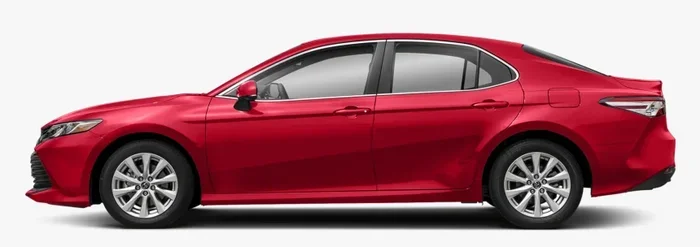
The Toyota Camry measures approximately 192 to 196 inches long depending on the model year and generation. This mid-size sedan offers a comfortable balance of exterior size and interior room, making it one of the most popular choices for families and commuters alike. Understanding the Toyota Camry dimensions helps buyers make informed decisions about parking, garage fit, and overall driving experience.
So, how long is Toyota Camry, really? If you have been shopping for a reliable sedan, you have probably wondered about the size of this popular car. The Toyota Camry is one of the best-selling sedans in the world, and for good reason. It offers a great mix of comfort, reliability, and style. But its length plays a bigger role in your daily life than you might think.
Whether you are parking in a tight garage, comparing it to other sedans, or just curious about the specs, knowing the Toyota Camry dimensions matters. In this guide, we will break down everything you need to know about the Camry’s length, how it has changed over the years, and what that means for you as a driver or buyer.
The average Toyota Camry length falls between 192 and 196 inches. That is roughly 16 feet long. It sits in the mid-size sedan segment, which means it is not tiny, but it is also not as large as a full-size sedan like the Toyota Avalon. The exact measurement depends on the model year, trim level, and body style. For example, the Camry sedan is slightly longer than some of the older compact models, and the newer generations have added a few inches here and there.
Understanding the length of the Camry helps you make smarter buying decisions. It affects parking, maneuverability, garage fit, and even how the car feels on the highway. Let us dive deeper into the details.
Key Takeaways
- The Camry is roughly 192 to 196 inches long, placing it firmly in the mid-size sedan category.
- Different generations and trims affect the overall length, with newer models being slightly longer.
- Interior passenger space remains generous even though the Camry is not a full-size sedan.
- Trunk capacity is competitive among midsize sedans at around 15 cubic feet.
- The wheelbase contributes to ride comfort and interior room.
- Size matters for parking and garage fit, so knowing the exact dimensions is helpful.
- The Camry’s length has evolved over the years, growing slightly with each new generation.
📑 Table of Contents
- Toyota Camry Dimensions Across Generations
- Interior Space and Passenger Room
- Trunk Space and Cargo Capacity
- How Camry Size Compares to Other Sedans
- What the Length Means for Daily Driving
- Quick Tips for Buying the Right Camry Size
- Common Mistakes People Make When Choosing a Sedan Based on Size
- Expert Insights on Camry Size and Design
- Key Takeaways
- Conclusion
Toyota Camry Dimensions Across Generations
The Toyota Camry has been around since the 1980s, and its size has changed quite a bit over the decades. Each generation brought updates to the design, technology, and dimensions. Here is a look at how the Camry’s length has evolved.
Early Generations (1980s to 1990s)
The first few generations of the Camry were more compact. In the late 1980s and early 1990s, the car measured closer to 175 to 185 inches long. These models were smaller and lighter, which made them fuel-efficient and easy to drive. Many people who remember these older Toyota Camry models appreciate their simplicity and smaller footprint.
However, as consumer preferences shifted toward more spacious sedans, Toyota responded by making the Camry bigger. By the late 1990s and early 2000s, the Camry had grown to about 190 inches. This was a significant jump that gave passengers more room and made the car feel more premium.
Modern Generations (2010s to Present)
Today’s Toyota Camry is longer than ever. The current generation measures around 192 to 196 inches in length. This puts it right in the sweet spot for a mid-size sedan. The extra length comes from a longer wheelbase and updated exterior design. Toyota has focused on making the Camry feel spacious without turning it into a land yacht.
One thing to keep in mind is that the Camry dimensions by year can vary slightly between trims. The base L or LE trim might be a fraction shorter than the XSE or TRD trim, but the difference is usually less than an inch. The overall Toyota Camry size comparison across trims is minimal when it comes to length.
How Long Is Each Generation Compared
Here is a simple breakdown of the approximate lengths across recent generations:
- 2000s models: Around 190 to 192 inches
- 2010s models: Around 191 to 193 inches
- 2020s models: Around 192 to 196 inches
As you can see, the Camry has grown steadily over time. This trend is common across the automotive industry, where consumers want more space without sacrificing fuel economy or drivability.
Interior Space and Passenger Room
One of the biggest reasons people buy a Toyota Camry is for the interior space. Even though the car is a mid-size sedan, it feels like it could rival some full-size models inside. The Toyota Camry interior dimensions are designed to maximize comfort for both front and rear passengers.
Front Seat Space
The front seats on the Camry offer plenty of legroom and headroom. Most drivers over 6 feet tall will find the front cabin comfortable. The steering wheel adjusts for reach and tilt, which helps you find the perfect driving position. If you are tall, you will appreciate the generous Camry passenger space up front.
Rear Seat Legroom
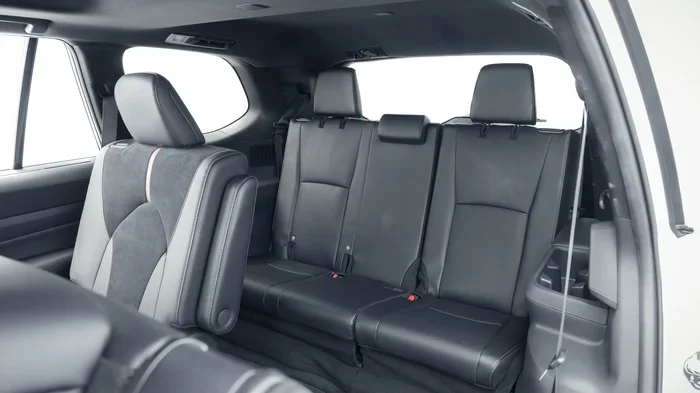
The rear seats are where the Camry really shines. With approximately 40 inches of rear legroom, adults can sit comfortably in the back seat for long drives. This makes the Camry a great family car. You can fit three adults in the back seat, though it is a bit snug for taller passengers on long trips.
If you are comparing the Camry to other sedans, the rear seat room is one of its strongest selling points. It rivals cars that cost significantly more, which is a big reason why the Camry has such a strong reputation for value.
Headroom and Shoulder Room
Headroom is generous in both the front and rear. Shoulder room is also wide, which means passengers will not feel cramped. Toyota has done an excellent job of using the Toyota Camry exterior dimensions to create a roomy interior. The car is long enough to stretch the cabin, but not so long that it becomes unwieldy.
Trunk Space and Cargo Capacity
The Camry trunk is another area where the car’s length pays off. The Toyota Camry trunk space is approximately 15 cubic feet. That is plenty for a family of four heading out on a weekend trip. You can fit several suitcases, grocery bags, and other items without feeling like you are running out of room.
The trunk opening is wide and tall, which makes loading and unloading easy. The rear seats also fold down, which extends the cargo area significantly. This is helpful if you need to move larger items like furniture or sports equipment.
Compared to other midsize sedans, the Camry’s cargo capacity is competitive. It is not the largest in its class, but it is practical and well-designed. The overall Camry cargo space is one of the reasons the car appeals to practical buyers who need a daily driver that can also handle occasional hauling tasks.
How Camry Size Compares to Other Sedans
When you are car shopping, it helps to compare the Camry to its competitors. The Toyota Camry length puts it in the middle of the midsize sedan pack. Here is how it stacks up against some popular rivals.
Camry vs. Honda Accord
The Honda Accord is one of the Camry’s closest competitors. The Accord is slightly shorter in some model years, measuring around 192 to 195 inches. Both cars offer similar interior space, but the Camry tends to have a slightly longer wheelbase, which contributes to a smoother ride.
Camry vs. Nissan Altima
The Nissan Altima is another midsize sedan that is close in length to the Camry. The Altima measures around 193 to 195 inches, depending on the year. The interior dimensions are also comparable, though the Camry often gets better marks for rear seat comfort.
Camry vs. Full-Size Sedans
Full-size sedans like the Toyota Avalon are significantly longer, often exceeding 200 inches. The Avalon is a much larger car, and it shows in the extra interior room and trunk space. However, the Camry strikes a balance that many buyers prefer. It is big enough to feel spacious, but not so big that it is hard to park or maneuver in traffic.
If you are deciding between the Camry and a full-size sedan, consider where you will be driving most often. The Camry’s smaller footprint makes it easier to navigate city streets and fit into tight parking spots.
What the Length Means for Daily Driving
The Toyota Camry overall length affects your daily driving experience in several ways. Let us look at the practical implications of owning a car that is just over 16 feet long.
Parking and Maneuverability
At around 192 to 196 inches long, the Camry is easy to park in most standard parking spaces. It fits comfortably in a regular garage and is not too long for parallel parking on city streets. If you have a smaller driveway or a tight garage, the Camry should still fit without issue.
Maneuverability is another advantage. The Camry is long enough to feel stable at highway speeds, but short enough to navigate tight corners and crowded parking lots with ease. This is one of the reasons it is such a popular choice for daily commuters.
Fuel Economy and Size
Longer cars tend to weigh more, which can affect fuel economy. However, Toyota has engineered the Camry to be lightweight and aerodynamic. The result is a car that delivers excellent fuel economy for its size. Whether you are commuting to work or taking a road trip, the Camry offers a great balance of size and efficiency.
Keeping up with regular maintenance like oil changes also helps the car run efficiently. If you are wondering about oil compatibility, check out this guide on whether a Toyota Camry can take regular oil. It is a common question among Camry owners.
Long-Term Ownership and Reliability
The Camry is known for its longevity. Many owners report driving their Camrys well past 200,000 miles. The car’s size and engineering contribute to its durability. If you are looking for a car that will last, the Camry is one of the best options on the market.
For those interested in long-term ownership, it helps to understand what mileage is considered good for a used car. This article on good mileage for a used car provides valuable insights that can help you make a smart purchase decision.
The Camry’s reputation for lasting many years is well-earned. With proper care, a Toyota Camry can easily reach 300,000 miles or more. Some owners have even pushed their Camrys past the 500,000-mile mark. If you want to learn more about the Camry’s long-term potential, this article on whether a Toyota Camry can go to 500,000 miles is worth a read.
The Camry’s longevity is also tied to its size. A well-built midsize sedan with a solid frame and reliable engine tends to age better than smaller, less robust vehicles. This is one of the hidden benefits of the Camry’s dimensions. The car is large enough to be sturdy, but not so large that it becomes a maintenance burden.
Quick Tips for Buying the Right Camry Size
Here are some practical tips to keep in mind when shopping for a Toyota Camry:
- Measure your garage before buying. Make sure the Camry’s length will fit comfortably with room to open the doors.
- Test drive with your family. Check the rear seat space with everyone who will regularly ride in the car.
- Consider the trunk needs. If you carry a lot of gear or have a growing family, the Camry’s 15 cubic feet of trunk space should work well.
- Compare model years. Newer Camrys are slightly longer, so if garage space is tight, an older model might fit better.
- Think about parking. The Camry is easy to park, but if you frequently park in very tight spaces, consider how the length feels in person.
These tips can save you from buying a car that does not quite fit your lifestyle. The Camry is a versatile car, but it is still important to make sure it works for your specific situation.
Common Mistakes People Make When Choosing a Sedan Based on Size
Many buyers make the mistake of focusing only on exterior length when choosing a sedan. The Toyota Camry dimensions are only one part of the equation. Here are common mistakes to avoid.
- Ignoring interior dimensions. A car can look compact outside but feel roomy inside. Always check the interior measurements.
- Assuming bigger is better. A longer car is not always more comfortable. The Camry proves that smart design can maximize space without adding length.
- Not test-driving. Specs on paper do not tell the full story. Sit in the car, drive it, and see how the size feels in real-world conditions.
- Forgetting about visibility. Longer sedans can sometimes have larger blind spots. Make sure you can see clearly in all directions.
Avoiding these mistakes will help you choose a car that fits your needs and feels right every time you get behind the wheel.
Expert Insights on Camry Size and Design
Automotive experts often praise the Camry for its balanced proportions. The car is long enough to offer a comfortable ride and spacious interior, but not so long that it becomes difficult to handle. Toyota’s design team has clearly put thought into how the Camry’s length affects the driving experience.
According to industry reviews, the Camry’s wheelbase-to-length ratio is one of the best in the midsize sedan class. This ratio contributes to a smooth ride, stable handling, and efficient use of interior space. It is one of the reasons the Camry consistently ranks at the top of reliability and satisfaction surveys.
Experts also note that the Camry’s size makes it a good choice for a wide range of buyers. Single drivers, couples, and families of four can all find the Camry comfortable and practical. Its Toyota Camry size comparison against competitors shows that it holds its own in every category.
Key Takeaways
- The Camry is roughly 192 to 196 inches long, placing it firmly in the mid-size sedan category.
- Different generations and trims affect the overall length, with newer models being slightly longer.
- Interior passenger space remains generous even though the Camry is not a full-size sedan.
- Trunk capacity is competitive among midsize sedans at around 15 cubic feet.
- The wheelbase contributes to ride comfort and interior room.
- Size matters for parking and garage fit, so knowing the exact dimensions is helpful.
- The Camry’s length has evolved over the years, growing slightly with each new generation.
Conclusion
So, how long is Toyota Camry? The answer is approximately 192 to 196 inches, depending on the model year and trim. This mid-size sedan offers a perfect blend of exterior proportions and interior comfort. Whether you are a daily commuter, a family driver, or someone who simply values reliability, the Camry’s size makes it a smart choice.
The Camry’s length has evolved over the decades, growing just enough to improve comfort and space without becoming unwieldy. Its dimensions strike a balance that few competitors can match. From the trunk space to the rear seat legroom, every inch of the Camry is designed with the driver and passengers in mind.
If you are in the market for a dependable sedan, the Toyota Camry should be at the top of your list. Its size, reliability, and value make it one of the best choices on the road today. Take a test drive, measure your garage, and see for yourself why the Camry has remained a favorite for decades.
Remember, the right car is one that fits your life. And when it comes to size, comfort, and long-term ownership, the Toyota Camry delivers on all fronts.
Frequently Asked Questions
How long is a Toyota Camry in feet?
The Toyota Camry is approximately 16 feet long, measuring between 192 and 196 inches depending on the model year and trim. This places it in the mid-size sedan category, making it easy to park and maneuver while still offering plenty of interior space.
Is the Toyota Camry considered a full-size sedan?
No, the Toyota Camry is classified as a mid-size sedan. Full-size sedans like the Toyota Avalon are significantly longer, often exceeding 200 inches. The Camry offers a good balance of size and practicality without the larger footprint of a full-size car.
Does the Camry length vary by trim level?
The length difference between trims is minimal, usually less than an inch. The base LE trim and the sportier XSE or TRD trim are nearly identical in length. The variation comes more from the wheels and body styling than the actual overall dimensions.
How does the Camry’s length affect fuel economy?
The Camry’s length is optimized for aerodynamics and efficiency. While longer cars can weigh more, Toyota has engineered the Camry to be lightweight and streamlined. This helps it deliver excellent fuel economy despite its mid-size proportions.
Can a Toyota Camry last over 200,000 miles?
Yes, the Toyota Camry is known for its durability and can easily last over 200,000 miles with proper maintenance. Many owners report driving their Camrys well past 300,000 miles. Regular oil changes, timely repairs, and gentle driving all contribute to the Camry’s long lifespan.
What is the wheelbase length of the Toyota Camry?
The Toyota Camry wheelbase is approximately 111 to 112 inches, depending on the generation. The wheelbase is the distance between the front and rear wheels, and it plays a key role in ride comfort, interior space, and overall stability.