How Much Gas Does a Toyota Camry Hold and Why It Matters
The Toyota Camry holds between 15.8 and 16.0 gallons of gas depending on the model year and trim. This means most Camrys can travel 500 to 650 miles on a full tank. Knowing your fuel tank size helps you plan road trips, budget for gas, and avoid unexpected stops.
If you drive or are thinking about buying a Toyota Camry, one question comes up more than you might expect. How much gas does a Toyota Camry hold? It seems like a simple question, but the answer actually depends on a few things. The model year, the trim level, and even the engine type all play a role in determining your fuel tank size.
Knowing your Camry’s gas tank capacity is more useful than most people realize. It helps you plan long road trips. It tells you how often you need to stop for fuel. And it gives you a real sense of your total driving range before you need to refuel. Whether you are commuting to work or heading cross-country, understanding your fuel capacity matters.
In this guide, we will break down the gas tank size for every major Toyota Camry generation. We will look at fuel economy numbers, driving range estimates, and practical tips to help you get the most out of every gallon. By the end, you will know exactly what to expect from your Camry’s fuel tank.
Key Takeaways
- Standard tank size: Most Toyota Camry models carry 15.8 to 16.0 gallons of fuel.
- Driving range: A full tank can take you 500 to 650 miles depending on MPG and driving habits.
- Generation matters: Newer Camry models have slightly different tank sizes than older ones.
- Fuel efficiency: The Camry averages 28 to 32 MPG combined, making it a great commuter car.
- Maximizing range: Simple habits like smooth driving and proper tire pressure can boost your miles per tank.
- Regular maintenance: Using the right oil and keeping up with service helps your Camry run efficiently.
- Long-term value: With proper care, a Camry can easily last 200,000+ miles and still hold its value.
📑 Table of Contents
- How Much Gas Does a Toyota Camry Hold Across Different Generations
- Why Does Tank Size Matter for Your Daily Driving?
- Toyota Camry Fuel Economy and Driving Range
- Factors That Affect Your Toyota Camry’s Fuel Range
- Tips to Maximize Your Toyota Camry’s Fuel Range
- Toyota Camry Gas Tank: Common Myths and Mistakes
- Final Thoughts
How Much Gas Does a Toyota Camry Hold Across Different Generations
The Toyota Camry has been around since 1982. Over the decades, Toyota has made changes to the fuel tank size. Some generations used slightly larger tanks. Others kept things more compact to save weight and improve aerodynamics. Let us walk through the numbers generation by generation.
6th Generation (1987-1991)
The early Camrys had smaller fuel tanks compared to today’s standards. The 1987 through 1991 models typically held around 18.0 gallons. This was a generous size for the era. It gave drivers a solid range without adding too much weight to the car.
7th Generation (1992-1996)
Toyota kept the tank size similar during the 7th generation. Most models from this period carried about 18.0 gallons as well. The fuel economy improved during these years thanks to better engine technology. This meant drivers could go farther on each fill-up.
8th Generation (1997-2001)
The 8th generation Camry saw a slight reduction in tank size. Most models held around 17.0 to 18.0 gallons. Toyota was focusing more on weight reduction and aerodynamics during this period. The trade-off was a small decrease in total range per tank.
9th Generation (2002-2006)
The 9th generation brought some changes. The fuel tank size varied depending on the trim and engine. Most models held approximately 18.0 gallons. The V6 versions sometimes had slightly different specs than the four-cylinder models. Overall, this generation offered a good balance of capacity and efficiency.
10th Generation (2007-2011)
Toyota reduced the tank size a bit more for the 10th generation. Most models came with a 16.0-gallon tank. This was a deliberate choice. Toyota wanted to improve fuel economy and reduce overall vehicle weight. The smaller tank was more than offset by better MPG ratings.
11th Generation (2012-2017)
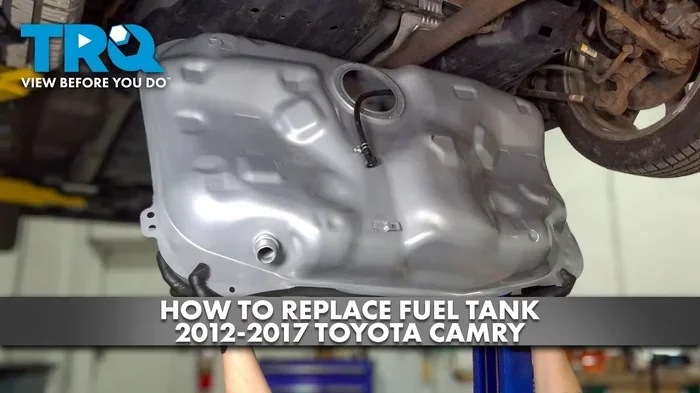
The 11th generation Camry continued with a 16.0-gallon tank. This became the new standard for the model. Toyota focused heavily on fuel efficiency during this period. The Camry became one of the most popular midsize sedans in America partly because of its excellent range per tank.
12th Generation (2018-Present)
The current generation Camry also uses a 16.0-gallon tank. Toyota made no major changes to the fuel capacity in recent years. The focus has shifted to hybrid variants. The Camry Hybrid offers even better fuel economy, which means more miles per fill-up.
Why Does Tank Size Matter for Your Daily Driving?
You might wonder why the exact tank size matters so much. After all, you can just fill up whenever the light comes on. But understanding your fuel capacity gives you real advantages in everyday driving.
First, it helps you estimate your total range. If your Camry gets 30 MPG and has a 16.0-gallon tank, you can go about 480 miles on a full tank. That is a lot of driving between fill-ups. This is especially helpful for road trips or long commutes where gas stations are far apart.
Second, tank size affects how often you need to stop. A larger tank means fewer interruptions on your journey. A smaller tank might mean more frequent stops, but it also means less fuel sitting in the car. Less fuel weight can actually improve handling and fuel economy slightly.
Third, knowing your tank size helps with budgeting. You can calculate exactly how much you spend on gas each month. This makes it easier to plan your household expenses. It also helps you compare the Camry to other vehicles you might be considering.
If you are curious about how other maintenance habits affect your fuel economy, check out our article on does a cabin air filter affect gas mileage. Small things like air filters can surprisingly impact your MPG over time.
Toyota Camry Fuel Economy and Driving Range
The fuel tank is only half the equation. The other half is how efficiently your Camry uses gas. The Toyota Camry has always been known for solid fuel economy. But the exact numbers vary by engine type, driving conditions, and model year.
City vs Highway MPG
Most Camry models get better fuel economy on the highway than in the city. This is true for almost every car. Highway driving keeps the engine at a steady speed, which is more efficient. City driving involves lots of stopping and starting, which uses more fuel.
Here is a general breakdown of what you can expect:
- City MPG: Around 25 to 29 MPG depending on the engine
- Highway MPG: Around 33 to 41 MPG depending on the engine
- Combined MPG: Around 28 to 32 MPG for most trims
The hybrid Camry models stand out in this category. They often achieve 40 to 52 MPG combined. This is significantly better than the gas-only versions. If you drive a lot in stop-and-go traffic, a hybrid Camry can save you a lot of money at the pump.
How Far Can a Toyota Camry Go on a Full Tank?
Let us do the math. With a 16.0-gallon tank and 30 MPG combined, your Camry can travel about 480 miles. With a 16.0-gallon tank and 40 MPG (hybrid), you could go 640 miles. That is a serious driving range. Most people could drive from one major city to another without stopping for gas.
Of course, real-world numbers vary. Your driving style matters a lot. Aggressive acceleration and hard braking waste fuel. Smooth, steady driving gets you the best results. Also, things like air conditioning, cargo weight, and tire pressure all affect your actual range.
For those wondering about long-term reliability and whether all those miles add up, read our piece on can a Toyota Camry go to 500000 miles. The Camry has a well-deserved reputation for lasting well beyond 200,000 miles with proper care.
Factors That Affect Your Toyota Camry’s Fuel Range
Several factors determine how far you actually go on a full tank. Understanding these can help you maximize your range and save money on gas.
Driving Habits
Your driving style has a huge impact on fuel economy. Aggressive driving wastes gas. Speeding, rapid acceleration, and hard braking all burn fuel faster. Smooth, predictable driving is the best way to stretch your miles per tank.
Vehicle Load
Carrying extra weight uses more fuel. If you haul heavy items in your trunk or on a roof rack, your MPG will drop. Keeping your Camry light and streamlined helps you get the best fuel economy.
Tire Pressure
Underinflated tires create more rolling resistance. This means your engine has to work harder to move the car. Keeping your tires at the recommended pressure improves both safety and fuel economy. Check your tire pressure at least once a month.
Engine Condition
A well-maintained engine runs more efficiently. Regular oil changes, clean air filters, and properly functioning spark plugs all contribute to better MPG. Neglecting maintenance can cause your Camry to use more gas than it should.
Weather and Terrain
Cold weather reduces fuel economy. Your engine takes longer to reach optimal temperature in winter. Hilly or mountainous terrain also uses more fuel than flat highways. These are factors you cannot control, but knowing about them helps you set realistic expectations.
Tips to Maximize Your Toyota Camry’s Fuel Range
Getting the most out of every gallon is easier than you think. Here are some practical tips to help you stretch your fuel range and save money.
Drive at Moderate Speeds
Fuel economy drops significantly at speeds above 65 mph. Driving at or below the speed limit saves gas. It also keeps you safer on the road. Try to maintain a steady speed whenever possible. Using cruise control on highways is a great way to do this.
Avoid Idling
Letting your car idle burns fuel without moving. If you are parked for more than a minute, turn off the engine. This is especially important in drive-through lines and school drop-off zones.
Keep Up with Maintenance
Regular maintenance keeps your Camry running at its best. Follow Toyota’s recommended service schedule. Change your oil on time. Replace your air filters when needed. These small investments pay off in better fuel economy and long-term reliability.
Use the Right Fuel
The Toyota Camry runs well on regular unleaded gasoline. You do not need premium fuel unless your specific model requires it. Using the recommended fuel type saves you money at every fill-up. The Camry is designed to work with regular oil and regular gas, which keeps ownership costs low.
Plan Your Routes
Before you drive, think about your route. Highways are more fuel-efficient than stop-and-go city streets. If you have options, choose the route with fewer traffic lights and less congestion. This simple change can improve your MPG noticeably over time.
Remove Unnecessary Items
Clean out your Camry regularly. Extra weight in the trunk or cabin forces your engine to work harder. Remove roof racks and cargo carriers when you are not using them. These small changes add up to better fuel economy over thousands of miles.
Toyota Camry Gas Tank: Common Myths and Mistakes
There are several misconceptions about fuel tanks and gas mileage that confuse many Camry owners. Let us clear some of those up.
Myth: You Should Keep Your Tank Below Half to Save Weight
Some people believe driving with less fuel saves gas because the car weighs less. The truth is, the weight difference is minimal. A full tank of gas weighs about 100 pounds. That is not enough to make a meaningful difference in fuel economy. Plus, running low on gas can damage your fuel pump over time.
Myth: Premium Gas Gives You Better Performance in a Camry
The Toyota Camry does not require premium gasoline. Using premium will not improve your performance or fuel economy. Stick with regular unleaded unless your owner’s manual specifically says otherwise. This saves you money every time you fill up.
Mistake: Ignoring the Check Engine Light
If your check engine light comes on, do not ignore it. It could signal an issue that is hurting your fuel economy. Something as simple as a loose gas cap can trigger the light and reduce your MPG. Address problems quickly to keep your Camry running efficiently.
Mistake: Overfilling Your Tank
Some people try to squeeze every last drop into the tank after the pump clicks off. This can actually cause problems. It can flood the charcoal canister and trigger emissions codes. When the pump clicks off, stop. Do not try to add more gas.
For those interested in how long a Camry can truly last with proper care, check out can a Toyota Camry last 30 years. With the right maintenance habits, these cars are built to go the distance.
Final Thoughts
So how much gas does a Toyota Camry hold? The answer is 15.8 to 16.0 gallons for most modern models. This gives you a driving range of 480 to 640 miles depending on your fuel economy and driving habits. The Camry remains one of the best choices for anyone who wants a reliable, fuel-efficient sedan.
Understanding your fuel tank capacity helps you plan better. It saves you money. It reduces the stress of wondering when your next stop for gas will be. And it gives you a clearer picture of your total cost of ownership.
The Toyota Camry has earned its reputation as one of the most dependable cars on the road. With a solid fuel tank, excellent MPG ratings, and a long track record of reliability, it is easy to see why so many drivers choose this vehicle. Whether you are buying your first Camry or have been driving one for years, knowing your fuel capacity is a smart move.
Take care of your Camry. Keep up with maintenance. Drive smoothly. And enjoy the freedom that comes with a car that can go the distance without constantly sending you to the gas station.
Frequently Asked Questions
What is the gas tank size for a 2024 Toyota Camry?
The 2024 Toyota Camry comes with a 16.0-gallon fuel tank across all trim levels. This capacity has remained consistent across the current generation. With an average MPG of 30 to 32 combined, you can expect a driving range of around 480 to 510 miles on a full tank.
How far can a Toyota Camry go on a full tank of gas?
A Toyota Camry with a 16.0-gallon tank can travel between 480 and 640 miles depending on the engine type and driving conditions. The gas-only models typically achieve around 480 to 520 miles. The hybrid Camry models can push past 600 miles on a single fill-up thanks to their superior fuel economy.
Does the Toyota Camry Hybrid have a different gas tank size?
No, the Camry Hybrid uses the same 16.0-gallon tank as the gas-only models. The difference is in fuel economy. The hybrid system recovers energy during braking and uses it to assist the engine. This means you use less gas overall, even though the tank size is the same.
How often do you need to fill up a Toyota Camry?
For most drivers, a Toyota Camry needs to be filled up every 500 to 600 miles. This depends on your daily driving distance, MPG, and driving habits. If you commute 30 miles each way, you might only need to fill up once a week or less.
Can a Toyota Camry last 30 years?
Yes, with proper maintenance, a Toyota Camry can last 30 years or more. The Camry has a strong reputation for durability and longevity. Regular oil changes, timely repairs, and gentle driving all contribute to a long lifespan. Many Camrys have been known to surpass 300,000 miles when well cared for.
Is it bad to drive your Camry with low gas?
Driving with low gas occasionally is fine, but making a habit of it can cause problems. Running the tank very low can strain the fuel pump, which relies on fuel for cooling. It is best to refuel when your tank reaches about a quarter full. This protects your fuel pump and gives you peace of mind.