Can You Engine Swap Any Car And What You Need To Know
The short answer is no, you cannot engine swap any car with any engine. Vehicle compatibility depends on factors like engine mounts, wiring, transmission fit, and ECU tuning. This guide breaks down everything you need to know before starting your engine swap project.
Have you ever looked under the hood of a car and thought, “I wish this had a different engine”? You are not alone. Engine swaps are one of the most exciting projects a car enthusiast can take on. But the big question everyone asks is: can you engine swap any car? The answer is more complicated than a simple yes or no.
Swapping an engine into a vehicle sounds straightforward in theory. You pull out the old motor and drop in a new one, right? In reality, there are many moving parts to consider. From engine mounts and wiring harnesses to transmission compatibility and ECU tuning, every detail matters. Get one thing wrong, and your project could stall before it even starts.
This guide will walk you through everything you need to know. We will cover what makes an engine swap work, the factors that determine compatibility, real-world examples, costs, and practical tips to save you time and money. Whether you are a weekend garage hobbyist or someone just curious about the process, you will find plenty of useful information here.
Key Takeaways
- Not every engine fits every car: Compatibility depends on mounting points, transmission, and physical space.
- Wiring and ECU matching is critical: A mismatched engine control unit can cause serious running issues.
- Budget realistically: A full engine swap can range from $2,000 to over $15,000 depending on complexity.
- Common swaps have existing kits: Popular combinations like LS swaps come with pre-made adapter kits.
- Legal and emissions considerations matter: Some regions restrict engine swaps based on age or emissions standards.
- Professional help is often worth it: Electrical and drivetrain integration can be tricky for beginners.
📑 Table of Contents
- What Is an Engine Swap?
- Can You Actually Swap Any Engine Into Any Car?
- Key Factors That Determine If a Swap Works
- Common Engine Swap Combinations That Work Well
- How Much Does an Engine Swap Cost?
- Step-by-Step: What the Engine Swap Process Looks Like
- Common Mistakes to Avoid During an Engine Swap
- Legal and Emissions Considerations
- Should You Hire a Professional or DIY?
- Final Thoughts
What Is an Engine Swap?
An engine swap is the process of removing a car’s original engine and replacing it with a different one. This could mean putting a larger engine into a smaller car. Or it could mean swapping a worn-out motor for a newer, more reliable unit. Some people do it for more power. Others do it for better fuel economy or to keep a classic car on the road.
The term car engine replacement is sometimes used interchangeably with engine swap. But there is a subtle difference. A replacement usually means putting the same or very similar engine back in. A swap means going with a completely different engine, often from a different vehicle or manufacturer.
Why Do People Swap Engines?
There are many reasons someone might want to swap engines:
- More horsepower and torque: A bigger or newer engine can dramatically improve performance.
- Better reliability: Swapping in a proven modern engine can solve chronic problems with older motors.
- Fuel efficiency: Some swaps allow you to use a more efficient engine that saves gas.
- Availability of parts: If your original engine is rare or expensive, a common swap engine might be easier and cheaper to maintain.
- Custom builds: Enthusiasts love creating unique cars with unusual engine combinations.
Can You Actually Swap Any Engine Into Any Car?
Here is the honest truth. You cannot engine swap any car with just any engine. While it is technically possible to make almost any combination work with enough time and money, not every swap is practical. Some combinations are simple plug-and-play. Others require so much fabrication and modification that they become extremely expensive projects.
Think of it like trying to fit a square peg into a round hole. With enough grinding and modification, you can make it fit. But is it worth the effort? That depends on your goals, budget, and how much fabrication work you are willing to do.
The Myth of Universal Compatibility
There is a common misconception that all engines are basically the same and will bolt into any car. This is far from the truth. Engines come in different sizes, shapes, and configurations. The way they attach to the transmission, the direction they face, and how they connect to the car’s systems all vary widely.
Some engines are designed to be modular and fit into multiple vehicles. These are the easiest to swap. But even with those, you will still need to address wiring, mounts, and possibly the drivetrain. Other engines are highly specific to one platform and are very difficult to adapt.
Key Factors That Determine If a Swap Works
Before you start any engine swap project, you need to understand the factors that determine whether it will work. Let us break them down one by one.
Engine Mounting and Physical Fit
The first thing to check is whether the engine will physically fit in the engine bay. Every car has a specific amount of space allocated for the engine. If the new engine is too big, it will not fit. It might also interfere with other components like the radiator, steering column, or suspension parts.
Engine mounts are another critical factor. These are the brackets that hold the engine in place. Most engines use a specific mount pattern. If the new engine does not match your car’s mount pattern, you will need custom mounts. Companies like Custom Cams and Energy Suspension make adapter mounts for many popular swap combinations.
Transmission Compatibility
The engine and transmission need to work together. This means the bell housing pattern must match. The bell housing is the piece that connects the engine to the transmission. Different engines use different bell housing patterns, so you need to make sure your new engine mates properly with either your existing transmission or a new one.
You also need to consider the driveshaft length and drivetrain components. A different engine might change the position of the transmission output shaft, which affects how the driveshaft connects to the differential.
Wiring and Electrical Systems
This is where most DIYers run into trouble. Modern engines rely heavily on electronics. The engine control unit (ECU) manages fuel injection, ignition timing, idle speed, and emissions controls. If you swap in an engine with a different ECU, you need to figure out how to make it communicate with your car’s existing systems.
The wiring harness is the bundle of wires that connects the engine to the car’s electrical system. Swapping a different engine often means you need a new wiring harness or an adapter harness. Companies like Painless Wiring and American Autowire sell harnesses designed for popular swap applications.
Cooling System Requirements
A new engine might generate more heat than the original. Or it might need a different type of cooling setup. You will need to make sure your radiator, water pump, and hoses can handle the new engine’s cooling demands. Overheating is one of the most common problems after an engine swap.
Fuel System Compatibility
Different engines have different fuel requirements. Some use fuel injection while others use carburetors. The fuel pump, fuel lines, and fuel rail all need to match the new engine. You also need to make sure your fuel tank and sender unit are compatible with the new setup.
Exhaust and Emissions Compliance
The exhaust system needs to match the new engine’s header or exhaust manifold configuration. In many areas, you also need to pass emissions testing after a swap. This means the new engine must meet the emissions standards for your vehicle’s model year or be from a compatible year range.
Common Engine Swap Combinations That Work Well
Some engine swaps have become incredibly popular because they work well and have plenty of aftermarket support. Here are some of the most common combinations.
LS Engine Swap
The GM LS engine swap is arguably the most popular engine swap in the automotive world. The LS1, LS2, LS3, and LS7 engines from GM are compact, powerful, and reliable. They fit into a huge variety of cars including classic Mustangs, BMWs, trucks, and even compact cars.
The reason LS swaps are so popular is the availability of swap kits. Companies like LSx Swap Kits and Flexible Engine Mounts sell complete kits that include motor mounts, transmission adapters, and wiring harnesses. This makes the process much easier for DIYers.
Honda K-Series Swap
The Honda K20 and K24 engines are another favorite for swaps. They are high-revving, fuel-efficient, and proven in Honda and Acura vehicles. Many enthusiasts swap K-series engines into older Civics, Integras, and even non-Honda cars like the Miata or Ford Focus.
Toyota 2JZ Swap
The Toyota 2JZ-GTE is legendary for its ability to handle massive horsepower. Swapping this engine into cars like the MK4 Supra, Toyota 86, or even older Toyota trucks is a favorite among enthusiasts looking for serious power potential.
Ford Coyote Swap
The Ford Coyote 5.0L V8 has become a go-to swap for classic Fords and even vehicles from other manufacturers. Its compact size and massive torque output make it a versatile choice for street and strip applications.
| Swap Combination | Typical Difficulty | Avg. Cost Range | Aftermarket Support |
|---|---|---|---|
| GM LS Swap | Moderate | $4,000 – $10,000 | Excellent |
| Honda K-Series Swap | Moderate | $3,500 – $9,000 | Very Good |
| Toyota 2JZ Swap | Moderate to Hard | $5,000 – $12,000 | Good |
| Ford Coyote Swap | Moderate | $5,000 – $11,000 | Very Good |
| BMW M54 into E36 | Hard | $6,000 – $14,000 | Moderate |
How Much Does an Engine Swap Cost?
The swap cost varies widely depending on the engines involved, the car, and whether you do the work yourself or hire a shop. Here is a general breakdown.
Cost Breakdown
- Donor engine: $500 – $5,000 depending on the engine and condition.
- Transmission: $500 – $3,000 if you need a new or rebuilt unit.
- Mounts and adapter kits: $200 – $1,500.
- Wiring harness and ECU: $300 – $1,500.
- Cooling system upgrades: $200 – $800.
- Exhaust system: $200 – $1,000.
- Labor (if professional): $1,000 – $5,000+ depending on complexity.
- Miscellaneous parts and fluids: $200 – $500.
As you can see, a basic engine swap can start around $2,000 if you do most of the work yourself with a cheap donor engine. A more complex swap with a built engine, new transmission, and professional labor can easily exceed $15,000.
Tips to Save Money
- Source your donor engine from a junkyard or online auction.
- Buy a swap kit that includes most of the hardware you need.
- Do the mechanical work yourself if you have basic tools and skills.
- Reuse your existing transmission if it is compatible with the new engine.
- Look for forums and classifieds where people sell used swap components at a discount.
Step-by-Step: What the Engine Swap Process Looks Like
Every swap is different, but most follow a similar process. Here is a general overview of what to expect.
Step 1: Planning and Research
Before you buy anything, research your chosen combination thoroughly. Look for swap guides, forums, and YouTube videos specific to your car and engine. Create a parts list and budget. Order all the major components before you start pulling the old engine.
Step 2: Remove the Original Engine
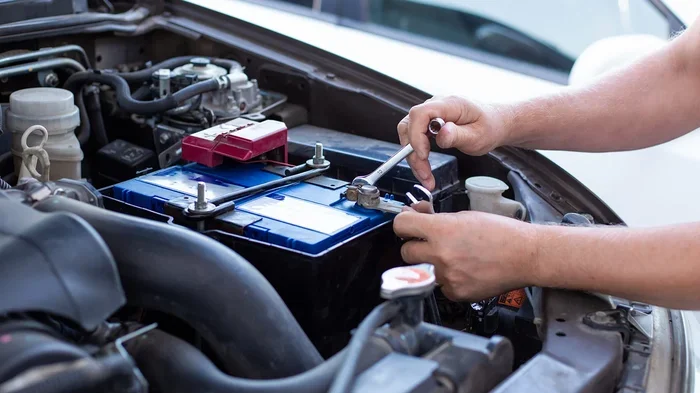
You will need to disconnect the battery, drain fluids, remove the hood (if necessary), and unbolt the original engine from its mounts. Carefully lower it out using an engine hoist or jack. This step alone can take a full day for most cars.
Step 3: Prepare the Engine Bay
Clean up the engine bay and install any new components like motor mounts, transmission crossmembers, or engine bay reinforcement plates. Make sure the new engine will fit without interference from surrounding components.
Step 4: Install the New Engine
Mount the new engine using the appropriate motor mounts. Connect it to the transmission and secure all bolts to the proper torque specifications. This is the most physically demanding part of the process.
Step 5: Wiring and Electrical Integration
Install the new wiring harness and connect it to the ECU, sensors, ignition system, and fuel system. This step requires patience and attention to detail. A single misconnected wire can prevent the engine from starting or cause damage.
Step 6: Cooling, Fuel, and Exhaust Systems
Connect the radiator hoses, fuel lines, and exhaust system. Make sure everything is properly sealed and secured. Double-check for any leaks before you start the engine.
Step 7: ECU Tuning and Initial Start
Before you turn the key, make sure the ignition timing, fuel mixture, and idle settings are correct. Many swaps require ECU tuning to run properly. You can use a standalone ECU or have the existing ECU reflashed by a professional tuner.
Step 8: Testing and Fine-Tuning
Start the engine and let it idle. Check for leaks, unusual noises, and warning lights on the dash. Take it for a careful test drive and monitor temperatures, oil pressure, and transmission behavior. Make adjustments as needed.
Common Mistakes to Avoid During an Engine Swap
Even experienced builders make mistakes. Here are some common errors to watch out for.
- Skipping the wiring harness: Trying to wire a new engine with the old harness almost always leads to problems.
- Ignoring ECU compatibility: A mismatched ECU can cause the engine to run poorly or trigger constant check-engine lights.
- Underestimating cooling needs: A bigger engine generates more heat. Upgrading the radiator is often necessary.
- Using the wrong transmission: Make sure the transmission can handle the torque output of the new engine.
- Forgetting about the driveshaft: A different transmission or engine position can change the driveshaft length requirement.
- Not checking local laws: Some areas have strict regulations about engine swaps and emissions compliance.
Legal and Emissions Considerations
Before you start any engine swap, check your local laws. In the United States, the EPA has rules about engine swaps that vary by state. Generally, you must swap an engine from the same or newer model year, and the new engine must be emissions-compliant for the vehicle.
Some states like California have very strict emissions regulations. Other states are more lenient. If you plan to register and title your car with a swapped engine, you will likely need to pass an emissions inspection. Keep documentation of your swap and the donor vehicle’s emissions equipment.
Should You Hire a Professional or DIY?
This is a personal decision that depends on your skills, tools, and budget. If you have experience working on cars and access to a proper garage, a DIY swap can save you thousands in labor costs. However, if you are new to automotive work, hiring a professional can prevent costly mistakes.
The electrical and ECU tuning aspects of a modern engine swap are particularly challenging for beginners. Many shops specialize in engine swap installations and can handle the tricky parts while you focus on sourcing parts and doing simpler mechanical tasks.
Final Thoughts
So, can you engine swap any car? The real answer is that almost any car can accept a different engine with enough time, money, and fabrication work. But not every swap makes sense. The best results come from choosing a combination that has good aftermarket support, clear installation guides, and compatible mounting and electrical systems.
A successful engine swap is one of the most rewarding projects you can do with a car. It gives you a chance to completely transform the performance and character of a vehicle. Just make sure you plan carefully, budget realistically, and do your homework before you start cutting metal or pulling wires.
Whether you are going for a GM LS swap, a Honda K-series swap, or something completely custom, the key is preparation. Know your goals, understand the challenges, and be patient. The best engine swap projects are the ones that are done right, not rushed.
Start small if you are new to this. Watch build videos, join online forums, and talk to people who have done similar swaps. The car enthusiast community is incredibly helpful and full of people who love sharing their knowledge. With the right approach, you can turn your dream engine swap into a reality.
Frequently Asked Questions
Is an engine swap legal?
In most places, engine swaps are legal as long as the new engine meets emissions requirements for the vehicle. Check your local and state regulations before starting a swap, especially if you plan to register and title the car.
How long does an engine swap take?
A typical engine swap takes anywhere from two days to two weeks depending on the complexity of the combination and your experience level. Professional shops can sometimes complete a straightforward swap in one to three days.
Do I need a new transmission for an engine swap?
Not always. If the new engine uses the same bell housing pattern and bolt pattern as your existing transmission, you can reuse it. Otherwise, you will need a compatible transmission, which may require a new drivetrain setup.
Can I swap any engine into a classic car?
Classic cars are popular candidates for engine swaps because their original engines are often outdated or unreliable. However, you still need to ensure physical fit, electrical compatibility, and emissions compliance based on your location.
What is the easiest engine swap to do at home?
Swaps with available adapter kits, like the GM LS swap or Honda K-series swap, tend to be the easiest for DIYers. These combinations have extensive documentation, pre-made mounts, and plug-and-play wiring harnesses.
How much does a professional engine swap cost?
Professional engine swap costs typically range from $4,000 to $15,000 or more depending on the engine, the vehicle, and the shop’s labor rates. Simple swaps with common engines cost less, while complex custom setups can be very expensive.
=== CONCLUSION ===
Engine swaps are an incredible way to breathe new life into any vehicle. But the answer to can you engine swap any car comes with important caveats. Compatibility, wiring, mounts, and emissions laws all play a role in determining whether a swap is practical and legal. With proper planning, the right parts, and a solid understanding of the process, you can achieve amazing results that turn an ordinary car into something truly special.