Can A CR-V Last 20 Years – What Owners Need to Know
Can A CR-V Last 20 Years? The answer is a strong yes for most owners who stay on top of upkeep. The Honda CR-V has earned a reputation as one of the most reliable SUVs on the road, with many examples crossing the 200,000-mile mark and beyond. Regular maintenance, smart driving habits, and prompt repairs play a huge role in reaching the 20-year milestone. In this guide, we break down what real owners experience, what to watch for, and how to keep your CR-V running strong for two decades or more.
So, can a CR-V last 20 years? The short answer is yes, and it is not even close to unusual. The Honda CR-V has been one of the best-selling compact SUVs in the world for decades. People buy them, drive them hard, and still sell them running 20 years later. But how does that actually happen? What separates a CR-V that dies at 100,000 miles from one that keeps going past 250,000?
The truth is, Honda CR-V longevity comes down to a combination of solid engineering and consistent care. The CR-V was built with simplicity and durability in mind. There are fewer complex parts to break compared to many modern SUVs. That does not mean they are indestructible. Every vehicle needs attention. But when you treat a CR-V right, it rewards you with years of dependable service.
In this article, we are going deep into the world of CR-V long-term ownership. We will look at which generations hold up best, what common problems you need to watch for, and exactly how to maintain your CR-V so it reaches that magical 20-year mark. Whether you already own one or are thinking about buying a used model, this guide has everything you need.
Key Takeaways
- High Reliability: The Honda CR-V consistently ranks among the most dependable compact SUVs, with many models lasting 20+ years.
- Maintenance Is Key: Staying current with oil changes, fluid flushes, and belt replacements dramatically extends CR-V lifespan.
- Some Generations Are Better: Certain model years have fewer known issues than others, which we break down below.
- Common Problems Exist: Knowing what to watch for — like transmission wear and rust — helps you catch issues early.
- Cost of Ownership Is Reasonable: Compared to competitors, the CR-V offers lower long-term repair and maintenance costs.
- Resale Value Holds Strong: A well-kept 20-year-old CR-V still commands respect in the used market.
📑 Table of Contents
Can A CR-V Last 20 Years? The Real-World Evidence
The question “can a CR-V last 20 years” is not just theoretical. There are thousands of real owners who have done exactly that. Online forums, owner surveys, and long-term test reviews all point to the same conclusion: the Honda CR-V is built to endure.
Honda designed the CR-V with a focus on Honda CR-V reliability from the very first generation in 1995. The early models used simple, proven engines and transmissions that were easy to maintain. Over the years, Honda has refined the design but kept the core philosophy the same: build it right, keep it simple, and it will last.
Many CR-V owners report reaching the 200,000-mile mark without major engine or transmission failure. Some go well beyond that. The key factors that determine whether your CR-V hits 20 years include:
- Maintenance consistency: Owners who follow the service schedule closely see far fewer major issues.
- Driving conditions: Highway driving is generally easier on a vehicle than constant stop-and-go city driving.
- Climate: Cars in dry, moderate climates tend to last longer than those in harsh winter or coastal environments.
- Driving habits: Gentle acceleration and braking reduce wear on all major components.
If you are asking yourself, “can a CR-V last 20 years,” the real question might be, “will I take care of mine well enough?” The answer to both is usually yes.
What Owners Say About 20-Year CR-Vs
Walk through any Honda enthusiast forum and you will find stories of CR-Vs with 250,000 or even 300,000 miles. These are not rare exceptions. They are the norm for owners who stayed on top of basic maintenance. Common themes in these stories include:
- The engine still runs strong with no major repairs needed.
- The transmission shifts smoothly, even after two decades.
- The body and frame remain solid, especially in models from non-rust-belt regions.
- Fuel efficiency remains respectable, even if it drops slightly with age.
CR-V longevity is not a myth. It is a well-documented reality backed by real owner experiences across multiple generations.
Honda CR-V Reliability Across the Generations
Not all CR-Vs are created equal when it comes to lasting 20 years. Honda has gone through five distinct generations since 1995. Each one has its strengths and weaknesses. Understanding these differences helps you choose the right used CR-V or maintain your current one properly.
First Generation (1995-2001)
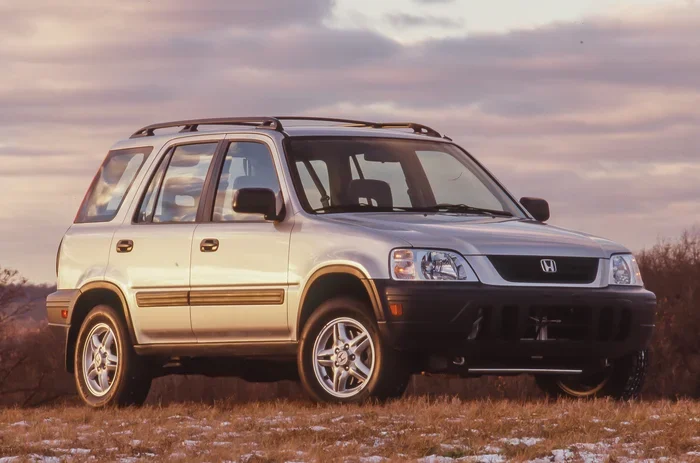
The original CR-V set the tone for the model’s reputation. It came with a 2.0-liter inline-four engine that was simple, reliable, and easy to work on. The first generation is known for its Honda CR-V engine lifespan — many examples from this era are still on the road today. The main concerns with early first-gen models include some reports of rust on the rear wheel wells and a basic interior that shows its age. But mechanically, these trucks are tough.
Second Generation (2002-2006)
The second generation CR-V received a slightly larger 2.4-liter engine. This is widely considered one of the most reliable Honda engines ever produced. The Honda CR-V reliability rating for this generation is excellent. Common issues are minimal, with the main concern being some premature wear on the rear differential in higher-mileage examples. Overall, the second gen is a fantastic choice for long-term ownership.
Third Generation (2007-2011)
The third generation brought more features and a slightly more complex design. The 2.4-liter engine continued to perform well, but some owners reported increased Honda CR-V common problems compared to earlier generations. These include issues with the i-VTEC system and occasional transmission hesitation. Still, the third-gen CR-V has plenty of examples that have easily lasted 20 years with proper care.
Fourth Generation (2012-2016)
The fourth generation introduced a more refined design and better fuel efficiency. The 2.4-liter engine in this generation is solid, though some models experienced Honda CR-V oil consumption issues. Honda addressed this in later production years. The transmission in the fourth gen has been generally reliable. This generation is a strong contender for 20-year ownership, provided you stay on top of oil changes.
Fifth Generation (2017-Present)
The current generation CR-V is still relatively new, so long-term data is limited. However, early reports are positive. The turbocharged 1.5-liter engine offers strong performance, though some owners have raised concerns about turbo durability over very long periods. The hybrid variant adds complexity but has shown promise. Only time will tell if the fifth gen matches the 20-year mark as reliably as its predecessors.
Common Problems That Affect CR-V Longevity
Even the most reliable vehicle has its weak spots. Knowing what can go wrong on a CR-V helps you prevent small issues from becoming big, expensive problems. Here are the most common issues that can shorten a CR-V’s lifespan if ignored.
Transmission Wear
The CR-V’s transmission is generally reliable, but it is not immune to wear. In older models with automatic transmissions, the valve body and solenoids can degrade over time. Signs of transmission trouble include rough shifting, slipping, or hesitation during acceleration. Regular CR-V maintenance schedule adherence — especially fluid changes — can prevent most transmission issues.
Rust and Body Corrosion
Rust is one of the biggest killers of older CR-Vs. Models from the 1990s and early 2000s are particularly susceptible. The rear wheel wells, rocker panels, and undercarriage are the most vulnerable areas. If you live in a region that uses road salt in winter, rust prevention should be a top priority. Regular washing of the undercarriage and applying rust protection can add years to your CR-V’s life.
Oil Consumption Issues
Some CR-V generations, particularly the fourth gen with the 2.4-liter engine, have experienced higher-than-normal oil consumption. This is not universal, but it is common enough to be aware of. Checking your oil level regularly and topping it off between changes is essential. Ignoring oil consumption can lead to engine damage over time.
Suspension Component Wear
After 15 or 20 years, suspension parts like shocks, struts, and control arm bushings wear out. This is normal and expected. The good news is these are relatively affordable repairs. Replacing worn suspension components keeps the CR-V safe and comfortable to drive well into its 20th year.
Electrical Gremlins
Older CR-Vs can develop electrical issues as wiring harnesses age. Things like flickering lights, intermittent power window failures, or sensor malfunctions become more common. Most electrical issues are minor and inexpensive to fix, but they can be frustrating. Keeping connections clean and replacing worn harnesses when needed helps.
Quick Tips to Avoid Common CR-V Problems
- Change your oil every 5,000 to 7,500 miles with quality synthetic oil.
- Check for rust under the car at least twice a year.
- Replace the timing belt according to the maintenance schedule.
- Flush the transmission fluid every 60,000 miles.
- Keep the cooling system fresh with regular coolant flushes.
Maintenance Schedule for a 20-Year CR-V
If you want your CR-V to last 20 years, maintenance is not optional — it is essential. Honda designed the CR-V with a recommended service schedule, and following it closely is the single best thing you can do for your vehicle’s longevity.
Regular Maintenance Essentials
Here is what you need to stay on top of to keep your CR-V running for two decades or more:
- Oil changes: Every 5,000 to 7,500 miles with synthetic oil. This is the single most important maintenance task.
- Tire rotations: Every 5,000 to 7,500 miles to ensure even wear and extend tire life.
- Brake inspections: Check pads and rotors every 15,000 miles. Replace as needed.
- Coolant flush: Every 30,000 to 50,000 miles to prevent overheating and internal corrosion.
- Transmission fluid change: Every 60,000 miles for automatic transmissions.
- Timing belt replacement: Typically every 100,000 miles or per the owner’s manual.
- Spark plug replacement: Every 30,000 to 60,000 miles depending on the generation.
The Cost of Staying Current
Some owners skip services to save money in the short term. This is a common mistake that costs far more in the long run. A neglected CR-V will develop expensive problems that proper maintenance would have prevented. Think of it this way: spending a few hundred dollars on regular service saves you thousands in major repairs later.
Expert Insight from Long-Term CR-V Owners
Experienced CR-V owners consistently say the same thing: “The maintenance is simple and cheap compared to what it saves you.” The CR-V does not require special tools or dealer-level expertise for most services. A competent DIYer can handle the majority of routine maintenance at home, saving even more money over 20 years.
Cost of Owning a CR-V Long-Term
One of the biggest advantages of the Honda CR-V is its low cost of ownership over the long haul. Compared to many competitors in the compact SUV class, the CR-V costs less to maintain and repair over a 20-year period.
Repair Costs Over Time
Here is a realistic breakdown of what you might expect to spend on repairs over 20 years of ownership:
- Routine maintenance (oil, filters, fluids): $200-$400 per year
- Brake jobs: $200-$400 every 30,000-50,000 miles
- Timing belt and water pump: $500-$800 around the 100,000-mile mark
- Suspension components: $300-$600 per repair as needed
- Major repairs (transmission, engine): Rare if maintenance is kept up, but budget $1,500-$3,000 if needed
Overall, keeping a CR-V for 20 years is significantly cheaper than replacing it every 5-7 years. The CR-V ownership cost is one of the lowest in its class, which is a big reason why so many people hold onto them for the long haul.
Resale Value of Older CR-Vs
Even a 20-year-old CR-V holds its value remarkably well. The Honda CR-V resale value is consistently strong in the used market. This is because buyers trust the CR-V’s reputation for reliability. A well-maintained 20-year-old CR-V can still sell for $3,000-$5,000 or more, depending on mileage and condition.
Which CR-V Generations Last the Longest?
When shopping for a used CR-V with the goal of reaching 20 years of ownership, some generations are better bets than others. Here is a quick comparison of the generations most likely to hit the 20-year mark with minimal issues.
| Generation | Years | Engine | Known Strengths | Common Issues |
|---|---|---|---|---|
| First Gen | 1995-2001 | 2.0L I4 | Simple, reliable, easy to fix | Rust, basic interior |
| Second Gen | 2002-2006 | 2.4L I4 | Best engine, high reliability | Rear differential wear |
| Third Gen | 2007-2011 | 2.4L I4 | More features, still solid | i-VTEC issues, transmission hesitation |
| Fourth Gen | 2012-2016 | 2.4L I4 | Fuel efficient, refined | Oil consumption in some models |
| Fifth Gen | 2017+ | 1.5T / Hybrid | Modern tech, better efficiency | Turbo durability unknown long-term |
If your goal is maximum CR-V longevity, the first and second generations are the safest bets. They are the simplest, most proven designs Honda ever put into the CR-V. The second generation in particular is widely regarded as the sweet spot between reliability and modern features.
Years to Avoid on the CR-V
While no generation is a total lemon, some model years have more reported problems than others. The 2002-2003 first generation had some reports of transmission issues. Certain fourth-generation models from 2012-2013 showed higher oil consumption rates. Always research the specific model year before buying a used CR-V, and look for models with documented maintenance records.
Common Mistakes That Shorten CR-V Lifespan
- Skipping oil changes: This is the number one killer of engines, in CR-Vs and every other vehicle.
- Ignoring warning lights: That check engine light is trying to tell you something. Do not ignore it.
- Driving on worn tires: Poor tires affect handling, safety, and can strain the drivetrain.
- Neglecting coolant system: Overheating can destroy an engine in minutes.
- Using cheap parts: Saving $20 on a part can cost you $500 in labor when it fails prematurely.
Final Thoughts: The Verdict on CR-V Longevity
So, can a CR-V last 20 years? The evidence is clear and overwhelming: yes, it absolutely can. The Honda CR-V is one of the most reliable vehicles ever built, and thousands of owners prove this every single day. The key is simple — take care of your CR-V, stay on top of maintenance, and address problems before they become big issues.
Whether you are already driving a 15-year-old CR-V and wondering how much longer it will last, or you are shopping for a used model to hold onto for decades, the CR-V delivers. Its combination of simplicity, reliability, and low cost of ownership makes it one of the best vehicles for long-term ownership on the market today.
The Honda CR-V reliability story is not just about numbers and statistics. It is about real people driving real vehicles for real decades. And the results speak for themselves. If you treat your CR-V well, it will reward you with 20 years or more of dependable, affordable transportation.
Keep up with the maintenance, drive it smart, and enjoy the ride. Your CR-V can absolutely be with you for the long haul.
Frequently Asked Questions
What is the average lifespan of a Honda CR-V?
A well-maintained Honda CR-V can last between 200,000 and 300,000 miles or more. With proper care, many owners reach the 20-year mark without major mechanical issues. The key factors are consistent maintenance and prompt attention to any problems that arise.
What are the most common problems with older Honda CR-Vs?
The most common issues include rust on older models, transmission hesitation in some generations, oil consumption in certain 2.4-liter engines, and suspension wear after high mileage. Most of these problems are manageable and affordable to fix when caught early.
Is it expensive to maintain a CR-V for 20 years?
No, the Honda CR-V is known for its low cost of ownership. Routine maintenance is affordable and widely available. Major repairs are uncommon when the vehicle is properly maintained, keeping long-term costs well below many competitors.
Which Honda CR-V generation is the most reliable?
The second generation (2002-2006) is widely considered the most reliable CR-V generation. It features the proven 2.4-liter engine with minimal known issues. The first generation (1995-2001) is also extremely reliable due to its simple design.
Can a CR-V reach 300,000 miles?
Yes, many CR-Vs have reached 300,000 miles and beyond. This requires diligent maintenance, gentle driving habits, and prompt repairs when issues arise. The engine and transmission designs in most generations are robust enough to handle this level of mileage.
What should I check before buying a used CR-V for long-term ownership?
Check the maintenance records first. Look for evidence of regular oil changes, fluid flushes, and timely repairs. Have a trusted mechanic inspect the vehicle for rust, transmission issues, and engine health. A clean Carfax or AutoCheck report is also essential for long-term buying decisions.