Are Older Toyotas Reliable And Still Worth The Money
Are Older Toyotas Reliable — yes, and they often hold their value better than most competing brands. Older Toyota models are known for exceptional Toyota reliability, low Toyota maintenance cost, and Toyota longevity that can surprise even skeptical buyers. If you are looking for a used Toyota that keeps running for years, the right older model can be one of the smartest Toyota ownership cost decisions you ever make.
Have you ever wondered if an older Toyota can still be a smart buy? The answer might surprise you. Are Older Toyotas Reliable is one of the most searched questions among car buyers, and for good reason. Toyota has built a reputation for making vehicles that last. People trust these cars because they see Toyotas on the road with 200,000 or even 300,000 miles still running strong.
When you buy a used Toyota, you are not just getting a car. You are getting years of dependable service. Toyota reliability is not a marketing trick. It comes from decades of focused engineering and real-world testing. In this article, we will break down why older Toyotas hold up so well, which models you should look at, and what costs to expect. By the end, you will know if a pre-owned Toyota is the right move for you.
So let us dive into the world of older Toyota models and find out if they are still worth your hard-earned money.
Key Takeaways
- Older Toyotas are highly reliable: Toyota builds engines and components designed to last well beyond 200,000 miles with basic care and regular maintenance.
- Maintenance costs are lower than average: Parts are widely available and mechanics are familiar with Toyota designs, keeping repair bills manageable and predictable.
- Resale value stays strong: Even older Toyotas hold their value better than most competitors, making them a smart long-term financial choice for any buyer.
- Some models stand out above the rest: The Toyota Camry, Corolla, Hilux, and Land Cruiser have proven track records of durability over multiple decades.
- Pre-purchase inspection matters: Always get a thorough check and vehicle history report before buying any used Toyota to avoid hidden and costly issues.
- High mileage Toyotas can be great buys: Well-maintained older Toyotas with 150,000 or more miles often still have plenty of reliable life left in them.
📑 Table of Contents
- Why Are Older Toyotas Reliable? The Truth Behind the Reputation
- The Most Reliable Older Toyota Models You Should Consider
- What Makes Toyota Engines Last So Long?
- Common Problems in Older Toyotas
- The True Cost of Owning an Older Toyota
- How to Know If a Used Toyota Is Worth Your Money
- Final Thoughts on Are Older Toyotas Reliable
Why Are Older Toyotas Reliable? The Truth Behind the Reputation
Are Older Toyotas Reliable more than newer cars from other brands? Many owners and experts say yes. The reasons go deep into how Toyota designs and builds its vehicles. Let us explore what makes these cars so tough.
Toyota’s Build Quality Legacy
Toyota has been building cars since 1937. That is over 85 years of experience. The company focuses on Toyota build quality from the ground up. Every part is designed to work together smoothly. This attention to detail is why Toyota dependability is so well known around the world.
Toyota engineers think about long-term durability. They do not just design for the first year. They design for the long haul. This mindset has created a legacy of Toyota longevity that few brands can match. When you drive a ten-year-old Toyota, you feel the difference. The car still feels solid. The engine still runs smooth. That is what Toyota reliability really means in everyday life.
Engineering Simplicity That Pays Off
One big reason older Toyotas last is their simple design. Toyota does not overcomplicate things. The engines are straightforward. The electronics are basic compared to modern cars. This simplicity is a huge advantage. Toyota engine durability comes partly from using proven designs that work reliably over time.
When a car has fewer complex parts, there are fewer things that can break. A high mileage Toyota with a simple engine will often outlast a complicated modern car. This is why many mechanics prefer working on older Toyotas. They know the systems inside and out. Toyota parts availability is another big plus. Parts are easy to find and affordable at shops and online stores.
Quick Tips for Understanding Toyota Reliability
- Look for models from 1995 to 2015 for the best balance of age and modern features.
- Always check the service history. A well-documented car tells you it was cared for properly.
- Simple trims and base models tend to have fewer things that can go wrong over time.
- Ask a trusted mechanic to do a pre-purchase inspection before you commit to buying.
The Most Reliable Older Toyota Models You Should Consider
Not all Toyotas are created equal. Some models have proven themselves over decades of real-world use. Here are the best used Toyota models that continue to earn top marks for reliability and durability.
Toyota Camry: The Sedan That Keeps Going
The Toyota Camry has been a favorite for over 30 years. Toyota model years from the 1990s through 2010s are especially well-regarded. The Camry offers a smooth ride, spacious interior, and excellent Toyota reliability rating. Many Camrys reach 250,000 miles with only basic maintenance and care.
If you want a used Toyota for daily driving, the Camry is hard to beat. It is comfortable, fuel-efficient, and easy to work on. Toyota repair costs for the Camry are generally low. Parts are everywhere. Any mechanic can handle Camry repairs without special training or expensive tools.
Toyota Corolla: Small Car, Big Reliability
The Toyota Corolla is the best-selling car name in history. There is a reason for that. The Corolla is Toyota worth buying at any age. It is small, efficient, and incredibly tough. Older Corollas from the 1990s and 2000s are still on the road today, ticking along happily.
The Corolla may not be flashy. But that is not the point. It is about Toyota ownership cost and getting you where you need to go safely. Toyota maintenance cost for a Corolla is among the lowest in the entire industry. This makes it a perfect first car or commuter vehicle for budget-conscious buyers.
Toyota Hilux: The Truck That Never Quits
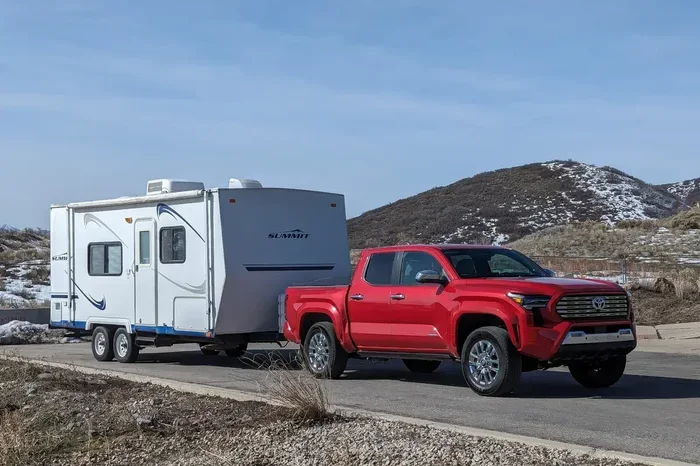
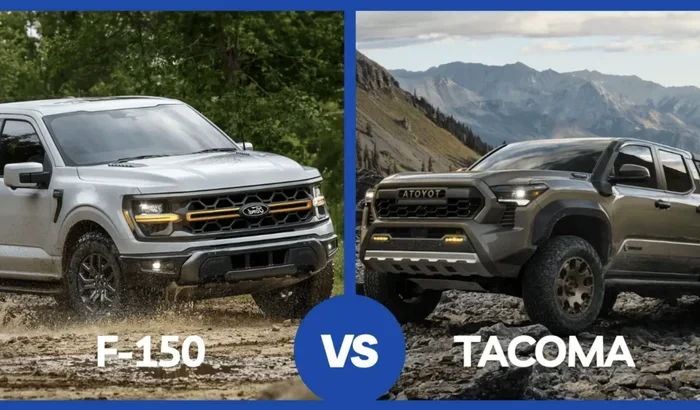
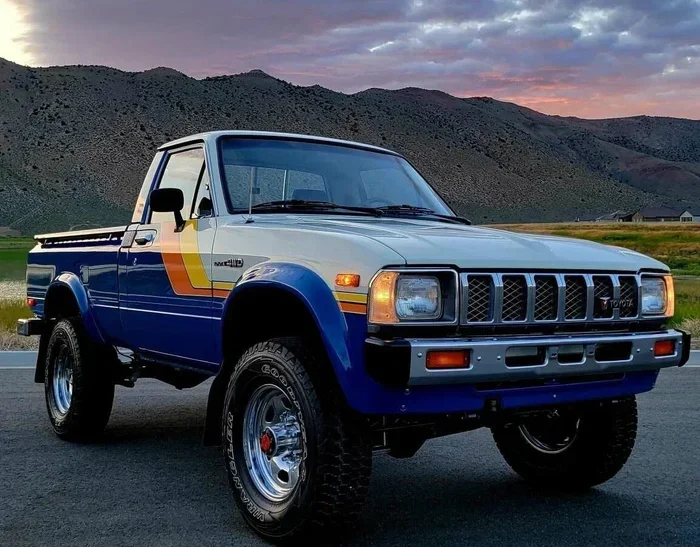
The Toyota Hilux (known as the Tacoma in North America) is a legend. This truck has been used in the toughest conditions on Earth. Older Toyota models like the Hilux have been driven across deserts, through rivers, and up rocky mountains. They keep going long after other trucks would have given up.
The Hilux is proof of Toyota engine durability. The diesel versions are especially tough and long-lasting. If you need a pre-owned Toyota truck, the Hilux is one of the smartest choices you can make. Toyota resale value for the Hilux stays strong for many years, even with high mileage.
Toyota Land Cruiser: The SUV That Defies Time
The Land Cruiser is Toyota’s crown jewel for off-road durability. Older models from the 1980s and 1990s are still going strong today. The Land Cruiser is built for extreme conditions. Its Toyota reliability in harsh environments is simply unmatched by any other SUV on the market.
Owning a Land Cruiser comes with higher Toyota repair costs than a Camry or Corolla. But the Toyota dependability and Toyota longevity make it worthwhile for those who need a serious off-roader. This is a vehicle you can pass down to your children and they will still be grateful for it.
What Makes Toyota Engines Last So Long?
Toyota engines are famous for lasting hundreds of thousands of miles. What is the real secret behind this? Let us look at the key factors that contribute to Toyota engine durability.
Simple Designs That Are Easy to Maintain
Toyota keeps engine designs as simple as possible. Fewer moving parts means less wear and tear over time. The engines are also well-balanced and well-cooled. This leads to less stress on internal components. Toyota engine durability is a direct result of smart, no-nonsense engineering that prioritizes function over flash.
Modern engines have turbochargers, direct injection, and complex variable valve timing. Older Toyotas keep things basic. A simple engine with a timing belt and simple fuel system is easier to maintain. You can often do repairs yourself with basic tools and a little know-how. This simplicity is a major reason why are older Toyotas reliable remains such a popular search topic.
The Role of Regular Maintenance
No engine lasts forever without proper care. Toyota reliability works best when you keep up with Toyota maintenance cost basics. Regular oil changes are the single most important thing you can do. Fresh oil keeps engine parts lubricated and cool, preventing premature wear.
Other key maintenance tasks include:
- Replacing the timing belt at recommended intervals to prevent catastrophic engine failure.
- Changing the coolant on schedule to keep the engine from overheating.
- Checking and replacing the air filter to ensure proper airflow and fuel efficiency.
- Keeping the transmission fluid fresh for smooth shifting and long transmission life.
- Rotating tires regularly to ensure even wear and safe handling.
If you follow these simple steps, your older Toyota models will reward you with many years of dependable service. Toyota dependability is a partnership between the maker and the owner. Take care of the car, and it will take care of you.
Common Problems in Older Toyotas
No car is perfect. Even the most Toyota reliable vehicles have issues over time. Knowing what to watch for helps you avoid surprises and plan your budget accordingly.
Rust and Body Wear
Rust is the number one enemy of older Toyotas. Depending on where you live, body rust can be a serious issue. Cars from northern states or coastal areas often show more rust due to road salt and salt air. Check the wheel wells, rocker panels, and undercarriage carefully before buying.
Surface rust is manageable and easy to fix. But structural rust can compromise safety and frame integrity. Always get a rust inspection before buying any high mileage Toyota. Fixing rust early keeps your car safe, looking good, and roadworthy for many more miles ahead.
Electrical Issues in Higher-Mileage Models
Older Toyotas are known for simple electrical systems. But after 15 or 20 years, things can go wrong. Corroded connectors, failing alternators, and worn wiring are common issues in aging vehicles. These problems are usually not expensive to fix, but they can be annoying.
However, electrical problems can be tricky to diagnose on your own. If you are not experienced with car wiring, get a professional inspection. A good mechanic can spot Toyota common problems before they become costly repairs. Early detection saves you money and headaches down the road.
Suspension and Wear Parts
Shock absorbers, bushings, and ball joints wear out over time. This is true for any car on the road. Older Toyota models are no exception. You may notice a rougher ride or strange noises over bumps and uneven surfaces.
Replacing suspension parts is routine maintenance. The good news is that Toyota parts availability makes these repairs affordable. You can often find used parts at salvage yards for even less money. Keeping up with suspension maintenance ensures a smooth and safe ride in your older Toyota.
Common Mistakes Buyers Make When Purchasing Older Toyotas
- Skipping the vehicle history report: This is the single biggest mistake. Always get a Carfax or AutoCheck report to reveal accidents, title issues, and service gaps.
- Ignoring rust: Surface rust is fine, but structural rust under the body can be dangerous and expensive to repair properly.
- Buying without a test drive: Always test drive the car. Listen for unusual sounds, check for pulling, and feel how the transmission shifts.
- Overlooking maintenance records: A car with no service history is a gamble. Choose vehicles with documented maintenance for peace of mind.
The True Cost of Owning an Older Toyota
Buying an older Toyota is affordable upfront. But what about the long run? Let us break down the real Toyota ownership cost so you know exactly what to expect.
Maintenance and Repair Expenses
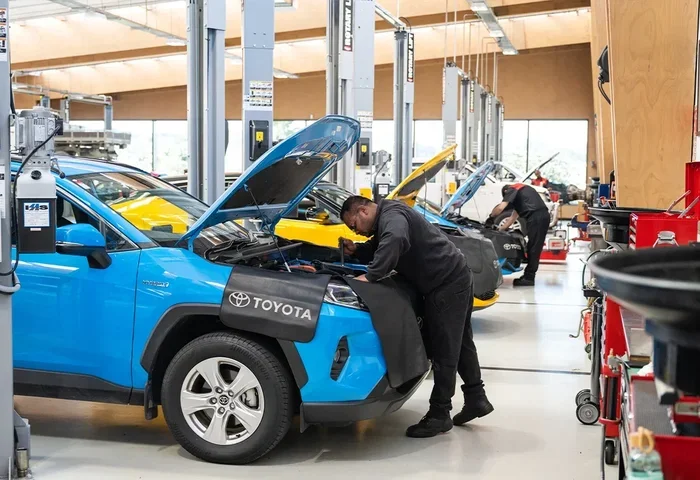
One of the biggest advantages of older Toyotas is low Toyota maintenance cost. Oil changes, brake pads, and tires are all standard and affordable. A basic service might cost 100 to 200 dollars at a shop. Major repairs are rare on well-maintained Toyotas.
When they do happen, Toyota repair costs are usually reasonable. A new engine is rare before 250,000 miles. Transmission work can cost 1,500 to 3,000 dollars, but this is uncommon on older models that have been properly cared for. Overall, the Toyota reliability of older models keeps repair costs well below the industry average.
Insurance and Fuel Costs
Older Toyotas are cheaper to insure than new cars. Insurance companies value their Toyota reliability and lower theft risk compared to newer luxury brands. Premiums for older Toyotas are often quite low, which saves you money every month.
Fuel costs depend on the model you choose. A Corolla gets excellent gas mileage and is perfect for daily commuting. A Camry is also very efficient for its size. Trucks like the Hilux use more fuel but offer serious utility and capability. Overall, Toyota ownership cost remains low across most models, making them excellent value propositions for budget-conscious buyers.
Expert Insights: What Mechanics Say About Older Toyotas
Experienced mechanics consistently rank Toyota among the most reliable brands they work on. Toyota parts availability is a huge factor. Every shop stocks Toyota parts, which means faster and cheaper repairs. Mechanics also note that Toyotas are forgiving of minor maintenance oversights. While no car should be neglected, a Toyota can often tolerate a missed oil change or two better than most competitors.
One master technician shared this insight: “I have seen 1990s Toyota Camrys with over 300,000 miles still running strong. The engines are overbuilt and the designs are proven. That is why I recommend older Toyotas to my own family members.” This kind of real-world endorsement speaks volumes about Toyota dependability and why are older Toyotas reliable remains a trusted answer across the automotive world.
How to Know If a Used Toyota Is Worth Your Money
Buying a pre-owned Toyota takes a little homework. Follow these steps to make a smart and confident purchase that you will not regret.
Check the Vehicle History Report
Always get a Toyota vehicle history report before buying. Services like Carfax or AutoCheck show accidents, title issues, and service records. A clean history report gives you confidence in your purchase and protects you from hidden problems.
Look for consistent oil change records. A high mileage Toyota with full service history is a great find. Avoid cars with salvage titles or major accident damage. These vehicles may have hidden problems that cost you thousands of dollars in repairs later on.
What to Look for During a Test Drive
Start the car cold. Listen for unusual noises. The engine should start smoothly and idle steady without shaking or rattling. Take the car on the highway and check for vibrations or pulling to one side. Test the brakes and steering feel carefully.
Pay attention to the transmission. It should shift smoothly without hesitation or jerking. Toyota dependability means the car should feel solid at every speed. Trust your instincts. If something feels off during the test drive, walk away. There are plenty of other older Toyota models available on the market.
When an Older Toyota Is NOT Worth Buying
Not every old Toyota is a good deal. Avoid cars with heavy rust on structural parts like the frame, rocker panels, or wheel wells. Stay away from vehicles that have been in major accidents with frame damage. Be cautious of cars that have been neglected or driven without oil changes for long periods.
Also, be wary of modified Toyotas. Aftermarket changes can hide problems or create new ones that are difficult to diagnose. Stick to Toyota model years that have strong reliability records. A little research goes a long way in finding the right used Toyota that will serve you well for years to come.
| Model | Known For | Avg. Lifespan | Toyota Maintenance Cost |
|---|---|---|---|
| Toyota Camry | Comfortable daily driver | 250,000+ miles | Low |
| Toyota Corolla | Fuel efficiency | 250,000+ miles | Very Low |
| Toyota Hilux | Off-road toughness | 300,000+ miles | Moderate |
| Toyota Land Cruiser | Extreme durability | 300,000+ miles | Moderate to High |
Final Thoughts on Are Older Toyotas Reliable
So, are older Toyotas reliable? The answer is a clear and confident yes. Toyota has earned its reputation through decades of building cars that last. The Toyota reliability, low Toyota maintenance cost, and strong Toyota resale value make older models a smart choice for almost any buyer.
Whether you want a dependable daily driver or a tough work truck, there is an older Toyota that fits your needs and budget. Just do your homework before buying. Check the history, inspect the body, and take a thorough test drive. A well-chosen older Toyota model can serve you reliably for many more years and tens of thousands of miles.
Are Older Toyotas Reliable and worth the money? If you pick the right model and take care of it, absolutely. A pre-owned Toyota offers one of the best values in the car market today. Trust the legacy, do your research, and you will not be disappointed. Your older Toyota can become the most dependable vehicle you have ever owned.
Frequently Asked Questions
How many miles can an older Toyota last?
With proper maintenance, many older Toyotas can last well beyond 250,000 miles. Some models like the Hilux and Land Cruiser have been known to reach 300,000 miles or more. Regular oil changes and basic care are the key factors that determine how long your Toyota will run.
What is the cheapest Toyota to maintain?
The Toyota Corolla is generally the cheapest Toyota to maintain. Parts are affordable, repairs are straightforward, and the engine is simple. The Toyota Camry is also very affordable to own over the long term. Both models offer excellent Toyota ownership cost value.
Are older Toyotas expensive to insure?
No, older Toyotas are typically cheaper to insure than new cars. Insurance companies view them as lower risk compared to newer vehicles. The Toyota reliability rating also contributes to lower premiums. Expect to pay less on insurance for an older Toyota than for a newer model.
What should I check before buying a used Toyota?
Always get a vehicle history report, inspect for rust, and take a thorough test drive. Ask for maintenance records and have a mechanic do a pre-purchase inspection. Checking these items helps you avoid hidden problems and find a Toyota worth buying that will serve you well.
Do older Toyotas have good fuel economy?
Yes, older Toyotas are known for good fuel economy, especially models like the Corolla and Camry. These cars were designed with efficiency in mind. While they may not match the fuel economy of newest hybrid models, they still offer excellent mileage for their age and class.
Is it better to buy a high-mileage or low-mileage older Toyota?
A well-maintained high-mileage Toyota is often better than a low-mileage car that has been sitting unused. Regular use keeps fluids circulating and parts lubricated. Look for service history over mileage numbers alone when choosing between older Toyota models.