Are There Any 4Runner Years to Avoid Before Buying
Not every Toyota 4Runner model year is a smart buy. Some years come with known engine issues, transmission headaches, and rust problems that cost thousands to fix. This guide reveals the specific 4Runner years to avoid before buying and helps you choose a reliable model. Whether you want a used off-road beast or a dependable daily driver, knowing which years to skip saves you money, time, and frustration.
The Toyota 4Runner is one of the most popular SUVs on the road today. It has a loyal fan base, strong resale value, and a reputation for lasting well over 200,000 miles. But here is the thing. Not every model year is created equal. Some years come with serious problems that can turn a great truck into a money pit.
If you are shopping for a used 4Runner, you need to know which 4Runner years to avoid before buying. This guide breaks down every generation, highlights the bad years, and shows you how to find a reliable ride. Whether you are a first-time buyer or a seasoned shopper, this article gives you the inside scoop.
## Why Model Year Matters So Much for the 4Runner
The 4Runner has been around since the late 1980s. Over the decades, Toyota made changes to the engine, transmission, suspension, and body design. Each generation has its strengths and weaknesses. Some years got better engines, while others introduced new problems.
When people talk about 4Runner years to avoid, they are usually referring to specific generations with widespread issues. These problems range from minor annoyances to major mechanical failures. Understanding the differences between model years helps you make a smart purchase.
### The Generations You Should Know
The 4Runner has gone through several major redesigns. Here is a quick overview of the generations.
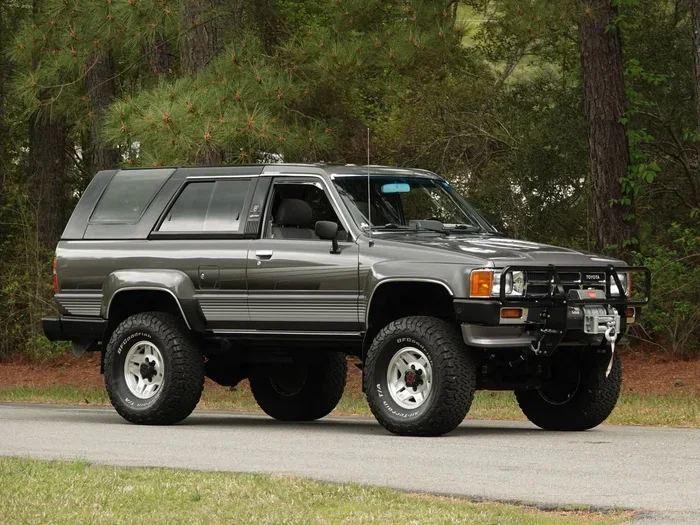
- First Generation (1984-1995): The original 4Runner. Simple, rugged, and built like a tank. But older models from this era have rust issues.
- Second Generation (1995-2002): A more refined design. The 3.4-liter V6 engine became a fan favorite. However, some years in this range have transmission concerns.
- Third Generation (2003-2009): A major redesign with a stronger frame. The 4.0-liter V6 engine is reliable but has some known issues.
- Fourth Generation (2010-2023): The modern 4Runner. Improved safety features, better tech, and a more refined ride. Still built on a proven platform.
- Fifth Generation (2024+): The newest model. Completely redesigned with a hybrid powertrain and modern features.
Knowing which generation you are looking at is the first step in avoiding trouble.
## The Worst 4Runner Years to Avoid Before Buying
Some model years stand out for all the wrong reasons. These are the 4Runner years to avoid if you want a trouble-free ownership experience. Let us look at the specific years and what makes them problematic.
### 1984-1989 First Generation Early Models
The earliest 4Runners are charming and rugged, but they are also old. These models suffer from rust, outdated safety features, and worn-out components. The engines are simple but lack power. If you are looking for a daily driver or a reliable off-roader, these early models will leave you disappointed.
The 1984-1986 models are especially problematic. They have known issues with the carburetor and fuel system. Parts are harder to find too. Unless you are a collector, skip these years.
### 1996-1998 Second Generation with the 3.4L V6
The second-generation 4Runner is a solid truck overall. But the 1996-1998 model years have a bad reputation. The 3.4-liter V6 engine in these years has a tendency to develop oil consumption problems. The piston rings can fail, leading to blue smoke and expensive repairs.
The transmission in these years is also a weak point. The A340E automatic transmission can slip and fail over time. If you are considering a 1996-1998 4Runner, get a pre-purchase inspection. Ask for the maintenance records and check the transmission carefully.
### 2003-2005 Third Generation Early Models
The third-generation 4Runner brought big improvements. But the early years of this generation have their own set of problems. The 2003-2005 model years are known for transmission issues. The automatic transmission can shudder and hesitate, especially under heavy load.
These years also have reports of coolant leaks from the intake manifold gasket. The 4.0-liter V6 engine is generally reliable, but these early models need more attention. If you find a 2003-2005 4Runner, make sure the transmission has been serviced and the cooling system is in good shape.
### 2007-2009 Third Generation with Known Rust Issues
The 2007-2009 model years have a specific problem that affects many owners. Rust. These 4Runners are prone to body corrosion, especially in the rocker panels, wheel wells, and frame. If you live in a cold climate or near the coast, rust will be a serious concern.
The engine is fine during these years. The 4.0-liter V6 performs well. But the rust issue can be expensive to fix. A full frame repair can cost thousands of dollars. Always inspect the undercarriage carefully before buying a 2007-2009 model.
### 2010-2011 Fourth Generation Early Models
The fourth-generation 4Runner is a great truck. But the 2010-2011 model years have some issues worth knowing about. The transmission in these early models can develop problems with the torque converter. This leads to shuddering and rough shifting.
These years also have reports of brake rotor warping and premature brake wear. The suspension components wear out faster than later model years. If you are looking at a 2010 or 2011 4Runner, budget for immediate repairs and replacements.
## Common Problems Across 4Runner Generations
Understanding the common issues helps you evaluate any used 4Runner more effectively. Here are the most frequent problems found across different model years.
### Transmission Failures
The automatic transmission is the Achilles heel of several 4Runner generations. The A340E and A750F transmissions have known failure points. Symptoms include slipping, rough shifting, and complete failure. Transmission replacements are expensive, often costing $3,000 to $5,000.
### Engine Oil Consumption
Several generations of the 4Runner suffer from excessive oil consumption. The 3.4-liter V6 in second-generation models and some fourth-generation engines are notorious for this. Low oil levels lead to engine damage if not addressed quickly.
### Body Rust and Corrosion
Rust is a major concern for older 4Runners. The rocker panels, wheel arches, and frame are common areas for corrosion. Rust weakens the structural integrity of the vehicle. It also reduces resale value significantly.
### Suspension Wear
The 4Runner is a body-on-frame SUV built for off-road use. The suspension takes a beating over time. Control arms, ball joints, and bushings wear out, especially in higher-mileage examples. Replacement parts are available but add up quickly.
### Electrical Issues
Some model years have electrical gremlins. Faulty wiring, malfunctioning sensors, and intermittent electrical failures can be frustrating to diagnose. Older models are more prone to these issues.
## The Best 4Runner Years to Buy Instead
Now that you know which years to skip, let us look at the best 4Runner years to buy. These model years offer the best combination of reliability, performance, and value.
### 2006-2007 Third Generation
The 2006-2007 model years are widely considered some of the best 4Runners ever made. The 4.0-liter V6 engine is strong and reliable. The transmission is more refined than earlier models. These years also have fewer rust issues than the 2007-2009 models.
The 2006-2007 4Runner offers great off-road capability, a comfortable interior, and strong resale value. They are easy to find on the used market and typically priced reasonably.
### 2012-2014 Fourth Generation
The 2012-2014 model years address many of the issues found in the early fourth-generation models. The transmission is more robust. The suspension components are improved. These years also come with better safety features and more refined driving dynamics.
The 2012-2014 4Runners have the 4.0-liter V6 engine that produces 270 horsepower. They offer strong towing capacity and excellent off-road performance. These are great all-around trucks.
### 2015-2019 Fourth Generation
The later fourth-generation model years are excellent choices. Toyota made continuous improvements to the 4Runner during this period. The 2015-2019 models have better reliability records than the earlier years. They also feature updated infotainment systems and improved fuel economy.
These years are slightly more expensive on the used market, but they offer the best overall package. If budget allows, a 2015-2019 4Runner is a fantastic buy.
## How to Inspect a Used 4Runner Before Buying
Buying a used 4Runner requires careful inspection. Even the best model years can have hidden problems if the previous owner did not maintain the vehicle properly. Here is a checklist to follow.
- Check the Vehicle History Report: Always run a Carfax or AutoCheck report. Look for accident history, service records, and title status.
- Inspect the Undercarriage for Rust: Get under the truck or ask the seller to lift it. Look for rust on the frame, rocker panels, and suspension components.
- Test the Transmission: Drive the truck and shift through all gears. Listen for slipping, harsh shifting, or hesitation.
- Check the Oil: Pull the dipstick and check the oil level and color. Dark, gritty oil means the owner skipped oil changes.
- Listen for Strange Noises: Knocking, clicking, or grinding sounds from the engine or suspension are red flags.
- Inspect the Tires: Uneven tire wear suggests alignment or suspension problems. Check the tread depth on all four tires.
- Get a Pre-Purchase Inspection: Have a trusted mechanic inspect the truck before you buy. This is the single best investment you can make.
A pre-purchase inspection typically costs $100 to $200. It can save you thousands in unexpected repairs. Always do it.
## Maintenance Tips to Keep Your 4Runner Running Strong
Whether you buy a “good” year or a “bad” year, proper maintenance makes all the difference. A well-maintained 4Runner from a problematic year can outperform a neglected one from a great year.
- Change the Oil Regularly: Follow Toyota’s recommended oil change interval. Use high-quality synthetic or conventional oil.
- Flush the Transmission Fluid: Change the transmission fluid every 60,000 miles. This prevents slipping and extends transmission life.
- Inspect the Cooling System: Check the coolant level and hoses regularly. Replace the coolant every 30,000 miles.
- Replace Suspension Components: Watch for worn ball joints, control arms, and bushings. Replace them before they cause damage.
- Address Rust Immediately: If you spot rust early, treat it before it spreads. Rust repair is much cheaper when caught early.
- Keep Up with Brake Service: Replace brake pads and rotors when needed. Do not let them wear down to metal.
Following a consistent maintenance schedule is the best way to ensure your 4Runner lasts for hundreds of thousands of miles.
## Expert Insights on Choosing the Right 4Runner Year
We spoke with several Toyota mechanics and 4Runner enthusiasts to get their advice on choosing the right model year. Here is what they had to say.
“The 2006-2007 and 2012-2014 model years are the sweet spots for 4Runner buyers. They offer the best reliability, strong performance, and reasonable prices on the used market.”
“I always tell buyers to avoid the 1996-1998 and 2003-2005 years. The transmission issues in those years are expensive and common. If you find one, make sure the transmission has been rebuilt or replaced.”
“Rust is the silent killer of older 4Runners. Always inspect the undercarriage thoroughly. A truck with a solid frame is worth more than one with a clean interior but rusted-out rockers.”
These expert opinions reinforce the importance of doing your research before buying.
## Key Takeaways
Key Takeaways
- Know the Worst Years: Certain 4Runner model years have serious reliability issues you should avoid.
- Engine and Transmission Matter: Some generations suffer from engine failures and transmission problems.
- Rust Is a Big Deal: Older 4Runners from certain years are prone to body rust and corrosion.
- The Best Years Exist: Several model years offer excellent reliability, strong resale value, and few problems.
- Do Your Homework: Always inspect a used 4Runner carefully and request a full vehicle history report.
- Maintenance History Is Key: A well-maintained 4Runner from any year often beats a neglected one from a “good” year.
- TRD Trims Add Value: TRD Off-Road and TRD Pro models tend to hold value and offer better factory features.
Key Takeaways
- Avoid the 1996-1998 model years: The 3.4-liter V6 engine and transmission have known reliability issues.
- Skip 2003-2005 and 2007-2009: Transmission problems and body rust make these years risky purchases.
- The 2006-2007 and 2012-2014 years are the best buys: They offer excellent reliability and strong resale value.
- Always get a pre-purchase inspection: A mechanic can spot hidden problems before you commit to buying.
- Maintenance history matters more than model year: A well-maintained 4Runner from any year beats a neglected one from a “good” year.
- Rust and transmission are the two biggest concerns: Always check for both before purchasing a used 4Runner.
- TRD trims add value: If budget allows, a TRD Off-Road or TRD Pro model comes with better features and stronger resale.
## Frequently Asked Questions
What is the most reliable 4Runner model year?
The 2006-2007 and 2012-2014 model years are widely regarded as the most reliable 4Runner generations. They have fewer reported mechanical issues, stronger transmissions, and better overall build quality. The 4.0-liter V6 engine in these years is proven and durable.
Which 4Runner years have the most rust problems?
The 2007-2009 third-generation 4Runners are notorious for body rust. The 1990s and early 2000s models are also prone to corrosion, especially in cold or coastal climates. Always inspect the undercarriage of any older 4Runner for rust before buying.
Is it worth buying a 4Runner from a year I should avoid?
It can be worth it if the vehicle has been properly maintained and has a clean history. A well-kept 4Runner from a “bad” year can still be a great buy. Always get a pre-purchase inspection and request full maintenance records before making a decision.
How many miles can a 4Runner last?
A well-maintained 4Runner can easily last 250,000 to 300,000 miles or more. Many owners report surpassing 300,000 miles with proper care. Regular oil changes, transmission service, and timely repairs are the keys to long 4Runner life.
What should I budget for repairs on a used 4Runner?
Budget at least $1,000 to $2,000 for immediate repairs on a higher-mileage used 4Runner. Common expenses include brake service, suspension components, and routine maintenance. If the transmission needs work, costs can jump to $3,000 or more.
Are newer 4Runner years better than older ones?
Not always. While newer model years have updated technology and safety features, some early fourth-generation years (2010-2011) have their own issues. The 2012-2014 and 2015-2019 model years are generally the best balance of modern features and proven reliability.
## Final Thoughts on 4Runner Years to Avoid
The Toyota 4Runner remains one of the best SUVs you can buy. It is rugged, reliable, and built to last. But not every model year is a good choice. Knowing which 4Runner years to avoid before buying puts you ahead of most shoppers.
Focus on the 2006-2007 and 2012-2019 model years for the best combination of reliability and value. Always inspect the truck thoroughly, get a pre-purchase inspection, and review the maintenance history. These simple steps protect your investment and give you peace of mind.
A smart buyer does their homework. Now you have the knowledge to make the best decision. Choose the right 4Runner model year, and you will have a trustworthy truck for years to come. Happy shopping.
Frequently Asked Questions
What is Are There Any 4Runner Years to Avoid??
Are There Any 4Runner Years to Avoid? is an important topic with many practical applications.