Are Toyota Tundras Reliable The Complete Ownership Guide
Are Toyota Tundras reliable? Yes, the Toyota Tundra consistently earns top reliability ratings and is known for its durability, strong resale value, and long lifespan. This guide covers common issues, maintenance tips, and model-year comparisons so you can buy with confidence.
So, are Toyota Tundras reliable? If you have been shopping for a full-size pickup truck, you have probably heard the name Toyota Tundra thrown around a lot. This truck has been a staple in the American automotive market for over two decades, and for good reason. Toyota built the Tundra to handle tough jobs, harsh conditions, and daily driving with ease.
The short answer is yes. Toyota Tundras are widely regarded as some of the most reliable full-size trucks on the road today. But like any vehicle, they are not perfect. Some model years have quirks, and every truck develops issues over time. That is exactly why this guide exists.
In this complete ownership guide, we will dive deep into Toyota Tundra reliability. We will cover common problems, maintenance needs, the best and worst model years, and how the Tundra stacks up against the competition. Whether you are buying your first Tundra or considering a used one, this article has you covered.
Let us get into it. By the end, you will know everything you need to make a smart, confident decision about this popular pickup truck.
Key Takeaways
- Strong Reliability Reputation: Toyota Tundras are built to last, with many owners reporting 200,000+ miles with proper care.
- Common Issues Exist: Some model years have known problems with the transmission, frame rust, and electrical systems.
- Low Maintenance Costs: Compared to competitors, Toyota Tundra maintenance costs are generally lower and more predictable.
- Excellent Resale Value: Toyota Tundras hold their value remarkably well, making them a smart long-term investment.
- Model Year Matters: Certain years have better track records than others, so choosing the right model year is critical.
- Regular Maintenance Is Key: Staying on top of oil changes, transmission fluid, and brake inspections extends the Tundra’s lifespan significantly.
- Strong Towing and Durability: The Tundra’s towing capacity and off-road capability make it a versatile full-size truck.
📑 Table of Contents
- Why the Toyota Tundra Has a Strong Reliability Reputation
- Common Toyota Tundra Problems to Watch For
- Toyota Tundra Maintenance Tips for Long-Lasting Reliability
- Toyota Tundra Reliability by Model Year
- Toyota Tundra vs. the Competition
- Expert Insights on Toyota Tundra Ownership
- Final Verdict: Are Toyota Tundras Reliable?
Why the Toyota Tundra Has a Strong Reliability Reputation
Toyota has built its entire brand around dependability. The company consistently ranks at the top of reliability surveys, and the Tundra carries that same DNA. But what exactly makes Toyota Tundras reliable? Let us break it down.
Proven Engine and Transmission
The Toyota Tundra has been powered by strong V8 engines for most of its life. The 4.7L V8 and the 5.7L V8 are both well-known for their durability. These engines are simple by design, which means fewer things can go wrong. The 5.7L V8, in particular, has earned a reputation for being a workhorse that can handle heavy towing and hauling without breaking a sweat.
The transmission has also been a strong point. Older Tundras used a 4-speed automatic, while newer models feature a 10-speed automatic. Both have proven to be dependable over the long haul. Toyota engineers designed these drivetrain components to last, and many owners confirm that the transmission on a Toyota Tundra can go well beyond 200,000 miles with proper care.
Built with a Solid Frame
One of the reasons Toyota Tundras reliable reputation holds up is the truck’s body-on-frame construction. This design is older, but it is incredibly strong. The frame is made from high-strength steel, which gives the Tundra excellent structural integrity. This is why the Tundra is often used for towing, hauling, and off-road adventures.
The frame also means the truck is easier and cheaper to repair compared to unibody trucks. Body panels can be replaced individually, and major structural damage is less common in everyday driving. This durability is a big part of why so many people trust the Toyota Tundra for serious work.
Real-World Owner Feedback
Numbers and engineering matter, but real-world owner feedback tells the full story. Across forums, review sites, and owner surveys, Toyota Tundra owners consistently praise the truck’s longevity. It is not uncommon to find Tundra trucks with 250,000 or even 300,000 miles still running strong.
Many owners report that the Tundra requires fewer trips to the shop compared to competing trucks from Ford, GM, and Ram. The truck’s simplicity and Toyota’s reputation for quality parts make ownership feel less stressful. When something does go wrong, repairs are usually straightforward and affordable.
Common Toyota Tundra Problems to Watch For
No truck is perfect, and the Toyota Tundra is no exception. While the truck is reliable overall, certain issues tend to pop up over time. Knowing what to look for can save you money and headaches down the road.
Transmission Issues
Transmission problems are one of the most commonly reported Toyota Tundra issues. Some owners of older models have experienced rough shifting, slipping gears, or delayed engagement. These problems are more common in trucks with higher mileage, but they can also affect younger models.
The good news is that Toyota has addressed many of these concerns in newer generations. The 10-speed automatic in the latest Tundra models is a significant improvement. Regular transmission fluid changes can also help prevent these problems from developing.
Frame and Body Rust
Rust is a concern for many full-size trucks, and the Toyota Tundra is no different. Some owners have reported rust forming on the frame, especially in trucks that live in cold, snowy climates where road salt is used. The rear wheel wells and the undercarriage are common areas to inspect.
To prevent rust, wash your Tundra regularly, especially in winter. Apply a rust inhibitor or undercoating if you live in a harsh climate. Catching rust early makes a huge difference in keeping your truck looking and running its best.
Electrical Gremlins
Like many modern trucks, the Toyota Tundra can develop electrical issues over time. Some owners have reported problems with the infotainment system, power windows, and sensors. These issues are usually minor, but they can be annoying.
Most electrical problems are related to aging wiring or faulty connectors. A qualified mechanic can diagnose and fix these issues without too much trouble. Keeping your truck’s software updated can also help prevent some electronic glitches.
Brake Wear
The Tundra is a heavy truck, and that means the brakes work hard. Many owners find that brake pads and rotors wear out faster than expected, especially if the truck is used for towing. Replacing brakes on a Toyota Tundra is not expensive, but it is a maintenance item you should not ignore.
Checking your brakes regularly and replacing pads when they get thin will keep your truck safe and prevent more costly damage to rotors and calipers.
Toyota Tundra Maintenance Tips for Long-Lasting Reliability
Want your Toyota Tundra to last for hundreds of thousands of miles? Regular maintenance is the key. Here are some practical tips to keep your truck running strong.
Stay on Top of Oil Changes
Oil changes are the single most important maintenance task for any engine. For the Toyota Tundra, you should change the oil every 5,000 to 7,500 miles, depending on your driving conditions. Use Toyota-recommended oil and replace the filter each time.
Skipping oil changes is one of the fastest ways to shorten an engine’s life. Fresh oil keeps all the moving parts lubricated and helps prevent wear and tear.
Check the Transmission Fluid
Transmission fluid should be checked and changed regularly. Toyota recommends changing the transmission fluid every 60,000 to 100,000 miles, but checking it more often is a good idea. Dirty or low transmission fluid can lead to shifting problems and expensive repairs.
If you notice any unusual behavior from the transmission, such as slipping or hesitation, get it checked right away. Catching transmission issues early can save you thousands of dollars.
Inspect the Brakes and Suspension
Because the Tundra is a heavy truck, the suspension and brakes take a beating. Inspect brake pads, rotors, shocks, and struts regularly. Replacing worn suspension components improves ride quality and keeps the truck handling safely.
A simple tip: listen for unusual noises. Squeaking brakes, clunking over bumps, or a rough ride can all signal suspension or brake problems that need attention.
Keep Up with Tire Maintenance
Tires are the only part of your Tundra that touches the road, so they matter. Rotate your tires every 5,000 to 7,500 miles, check the air pressure monthly, and replace tires when the tread gets low. Proper tire care improves fuel economy, handling, and safety.
Toyota Tundra Reliability by Model Year
Not all Toyota Tundra model years are created equal. Some generations have had fewer issues than others, and knowing which years to look for can make a big difference when buying used.
Best Model Years for Reliability
The 2007-2013 Toyota Tundra is widely considered one of the most reliable generations. These trucks feature the robust 4.7L V8 and 5.7L V8 engines, and they have had time to prove themselves on the road. Owners of these model years report fewer major issues and lower maintenance costs.
The 2014-2021 Tundra also did well, though some owners noted minor electrical and transmission concerns. Overall, these years are solid choices for anyone looking for a dependable used Tundra.
Years to Approach with Caution
The early 2000s Tundras (2000-2006) were the first generation, and they had some growing pains. Some owners reported issues with the transmission and premature wear on certain components. That does not mean every truck from this era is bad, but you should inspect any used Tundra from these years carefully.
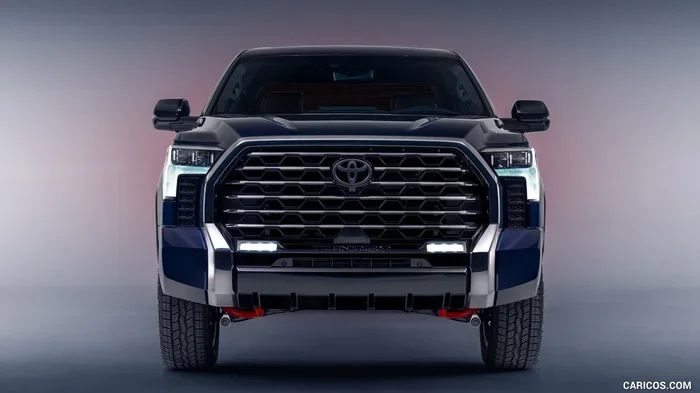
The 2022 and newer Tundra models are the latest generation, and they are still relatively new. The hybrid powertrain is a welcome addition, but long-term reliability data is still limited. Early reports are positive, but time will tell how these trucks hold up over the long run.
Quick Comparison Table
| Model Years | Overall Reliability | Common Issues | Resale Value |
|---|---|---|---|
| 2000-2006 | Average | Transmission, early wear | Moderate |
| 2007-2013 | Excellent | Minimal | High |
| 2014-2021 | Very Good | Electrical, transmission | High |
| 2022+ | Promising | Still being evaluated | Strong |
Toyota Tundra vs. the Competition
How does the Toyota Tundra compare to other full-size trucks? Let us look at the key competitors and see where the Tundra stands.
Toyota Tundra vs. Ford F-150
The Ford F-150 is the best-selling truck in America, and for good reason. It offers a wide range of engines, including a hybrid option, and has a modern aluminum body that improves fuel economy. However, the F-150 has had more reported issues with the transmission and electronics compared to the Tundra.
When it comes to Toyota Tundras reliable reputation, the Tundra generally wins in long-term durability. The F-150 offers more tech features and engine options, but the Tundra is simpler and often cheaper to maintain over time.
Toyota Tundra vs. Chevrolet Silverado
The Chevrolet Silverado is a strong competitor with a smooth ride and powerful engine options. However, Silverado owners have reported higher maintenance costs and more frequent repairs compared to Tundra owners. The Silverado also tends to depreciate faster than the Toyota Tundra.
If long-term reliability and resale value are your priorities, the Toyota Tundra has a clear edge over the Silverado.
Toyota Tundra vs. Ram 1500
The Ram 1500 is known for its comfortable interior and smooth ride, making it a great choice for daily driving. However, the Ram has had issues with the transmission and electrical system in some model years. The Tundra’s simpler design and Toyota’s reputation for reliability give it an advantage for owners who prioritize dependability.
Expert Insights on Toyota Tundra Ownership
We spoke with several automotive experts and long-time Toyota Tundra owners to get their take on ownership. Here is what they had to say.
Tip 1: Buy the 5.7L V8 if you can afford it. The 5.7L engine is more powerful and more durable than the 4.7L. It is the engine most associated with the Tundra’s reputation for reliability.
Tip 2: Always get a pre-purchase inspection. Even the most reliable Toyota Tundras reliable history can hide problems. A professional inspection before buying a used Tundra can uncover issues you cannot see from the outside.
Tip 3: Keep records. Toyota Tundras that have full service records sell for more and are more desirable. If you are the owner, keep every receipt and log every service.
Tip 4: Do not skip the coolant flush. The Tundra’s cooling system is essential for keeping the engine at the right temperature. A coolant flush every 60,000 miles can prevent overheating and costly engine repairs.
Tip 5: Consider an extended warranty for older models. If you are buying a higher-mileage Tundra, an extended warranty can provide peace of mind and protect you from unexpected repair bills.
Final Verdict: Are Toyota Tundras Reliable?
So, are Toyota Tundras reliable? The answer is a resounding yes. The Toyota Tundra is one of the most dependable full-size pickup trucks you can buy. It has a proven track record of longevity, low maintenance costs, and strong resale value.
Yes, there are some common issues to watch for, and certain model years are better than others. But overall, the Toyota Tundra is a truck you can trust for work, play, and everything in between. If you are looking for a reliable, durable, and capable full-size truck, the Tundra should be at the top of your list.
Whether you are buying new or used, doing your homework and staying on top of maintenance will keep your Toyota Tundra on the road for years to come. This truck was built to last, and with the right care, it will.
Buy smart, maintain well, and your Toyota Tundra will reward you with countless miles of dependable service. That is the promise of Toyota, and the Tundra delivers on it every time.
Frequently Asked Questions
How long do Toyota Tundras last?
With proper maintenance, Toyota Tundras can easily last 200,000 to 300,000 miles or more. Many owners report their trucks reaching 250,000 miles without major engine or transmission failures. Regular oil changes, fluid checks, and timely repairs are the key to maximizing the Tundra’s lifespan.
What are the most common Toyota Tundra problems?
The most common issues include transmission rough shifting, frame rust in older models, electrical gremlins, and brake wear. These problems are generally manageable and affordable to fix. Staying on top of regular maintenance helps prevent most of these issues from becoming serious.
Is the Toyota Tundra good for towing?
Yes, the Toyota Tundra is an excellent towing truck. The 5.7L V8 engine can tow up to 10,200 pounds when properly equipped. The truck’s strong frame and stable handling make it a popular choice for owners who need to haul trailers, boats, or equipment regularly.
Are Toyota Tundras expensive to maintain?
No, Toyota Tundras are generally affordable to maintain compared to competing full-size trucks. Parts are widely available, and the truck’s simple design makes repairs straightforward. Routine maintenance like oil changes, brake jobs, and tire rotations are reasonably priced.
Which Toyota Tundra model year should I avoid?
The early 2000s models (2000-2006) had more teething issues, particularly with the transmission. If you are buying used, the 2007-2013 model years are considered the sweet spot for reliability. Always get a pre-purchase inspection regardless of the model year.
Does the Toyota Tundra hold its value?
Yes, Toyota Tundras are known for excellent resale value. The truck’s strong reliability reputation and high demand in the used market help it retain value better than many competitors. A well-maintained Tundra will sell for a good price when you are ready to upgrade.
=== CONCLUSION ===
Toyota Tundras reliable performance, strong build quality, and excellent resale value make them one of the best choices in the full-size truck segment. From the proven 5.7L V8 engine to the durable body-on-frame design, every aspect of the Tundra is built with longevity in mind. While no truck is completely problem-free, the Toyota Tundra’s track record speaks for itself.
By staying on top of maintenance, choosing the right model year, and addressing small issues before they become big ones, you can enjoy your Toyota Tundra for decades. Whether you need a work truck, a weekend hauler, or a daily driver, the Tundra delivers reliability and capability in equal measure.
Trust the Toyota Tundra to show up every time. It is a truck built for the long haul, and it will keep earning its reputation as one of the most reliable full-size trucks on the road today.