Are Toyotas Still Good After 200k Miles The Real Deal
Are Toyotas still good after 200k miles? The short answer is yes — and often better than most people expect. Toyota vehicles are widely known for their Toyota reliability and long engine lifespan, making them a smart choice for buyers seeking a dependable high mileage Toyota. With proper Toyota maintenance, many models like the Camry, Corolla, and Tacoma routinely surpass 200,000 miles without major problems. This guide breaks down the real numbers, common issues, costs, and expert tips so you can make an informed decision.
Are Toyotas Still Good After 200k Miles? The Real Deal
Let’s talk about something that a lot of car buyers wonder about but rarely discuss openly. Can you really trust a Toyota once it hits 200,000 miles? The idea of putting 200k miles on any vehicle sounds intimidating. But here is the thing — Toyotas have a well-earned reputation for lasting well beyond that mark. When people ask, “Are Toyotas good after 200k miles?” the answer is more straightforward than you might think. In this article, we are going to dig deep into the real numbers, real stories, and real costs. You will walk away with a clear picture of what to expect from a high-mileage Toyota.
So why does this question come up so often? Simple. Cars are expensive. Most people do not want to throw money at a vehicle that falls apart the moment the odometer ticks past a big number. Toyota has built its brand on dependability. But does that reputation hold up once a car reaches six figures on the odometer? Let us find out together.
Key Takeaways
- Toyota vehicles consistently deliver excellent longevity: Many models easily pass 200k miles with routine care.
- Regular maintenance is the #1 factor: Staying on top of oil changes, fluid flushes, and timing belt replacements makes all the difference.
- Certain Toyota models are legendary for durability: The Camry, Corolla, Tacoma, and 4Runner are top picks for high-mileage ownership.
- Repair costs remain manageable: Toyotas generally cost less to maintain than competing brands at the same mileage.
- Resale value stays strong: Even at 200k miles, a well-kept Toyota holds its value better than most competitors.
- Common issues are predictable and fixable: Knowing what to watch for helps you avoid costly surprises.
- Buying a used Toyota at 200k miles can be a great deal: You get years of reliable service at a fraction of the original price.
📑 Table of Contents
- Why Toyotas Last So Long: The Engineering Behind the Reliability
- Which Toyota Models Hold Up Best at 200k Miles
- Common Issues Toyotas Face After 200k Miles
- Maintenance Schedule: Keeping Your Toyota Alive Past 200k
- Toyota Repair Costs at High Mileage: What to Expect
- The Financial Case for Buying a High-Mileage Toyota
- Expert Insights: What Mechanics Say About High-Mileage Toyotas
- Is a High-Mileage Toyota Right for You?
- Final Thoughts
Why Toyotas Last So Long: The Engineering Behind the Reliability
Toyota does not get lucky with longevity. There is real engineering behind why these vehicles keep running long after other cars have been scrapped. When you understand what makes a Toyota tick, you start to see why Toyota reliability is not just a marketing slogan. It is a design philosophy.
First, Toyota builds engines with simplicity in mind. Fewer moving parts mean fewer things to break. The Toyota engine lifespan is impressive because these engines are overbuilt from the factory. They use durable materials and conservative tolerances that allow components to wear slowly over time.
Second, Toyota designs for ease of maintenance. Unlike some manufacturers that hide parts behind complex panels, Toyota makes it easy for mechanics — and DIYers — to access key components. This means regular Toyota maintenance gets done more often and more thoroughly.
Overbuilt Components and Conservative Engineering
Toyota intentionally uses thicker head gaskets, stronger connecting rods, and reinforced engine blocks. These choices reduce stress on internal parts during high-mileage driving. The result is an engine that simply does not wear out as quickly as competitors.
The transmission systems in Toyotas follow the same philosophy. Many Toyotas use traditional automatic transmissions with torque converters instead of newer CVTs that can be more prone to issues at high mileage. This conservative approach pays off when the clock hits 200,000 miles.
The Role of Toyota Build Quality
Toyota’s manufacturing process is legendary in the auto industry. The company pioneered lean manufacturing and the now-famous Toyota Production System. This means every vehicle comes off the assembly line with tight quality control. Fewer manufacturing defects translate directly into fewer problems down the road.
When you buy a Toyota, you are buying into decades of refinement. The company has spent billions perfecting its builds. That investment shows when you compare the Toyota longevity of a 2010 Camry to vehicles from other brands made in the same era.
Which Toyota Models Hold Up Best at 200k Miles
Not all Toyotas are created equal when it comes to high mileage. Some models have proven track records of exceeding 200,000 miles with minimal issues. Others are still solid but may need more attention as they age. Let us look at the models that really shine.
Toyota Camry
The Camry is arguably the most famous high-mileage Toyota. It is a midsize sedan that has been around since the 1980s, and each generation has refined the formula. A Toyota Camry 200k miles is not unusual at all. Many owners report driving their Camrys well past 250,000 miles with only routine maintenance.
The 4-cylinder engines in the Camry are known for lasting 300,000 miles or more when properly cared for. The V6 versions are also strong but may need a transmission service around the 150k-mile mark. Overall, the Camry is one of the most reliable sedans on the road.
Toyota Corolla
The Corolla is Toyota’s compact sedan, and it has one of the best Toyota reliability records of any car ever made. These are affordable, efficient, and surprisingly durable. A Corolla that has been maintained well will easily reach 200k miles and keep going.
One reason the Corolla lasts so long is its simplicity. There is not a lot of complex technology to fail. The engines are straightforward, the transmissions are proven, and the suspension components are basic. This makes the Corolla a fantastic choice for anyone looking for a dependable used Toyota value.
Toyota Tacoma
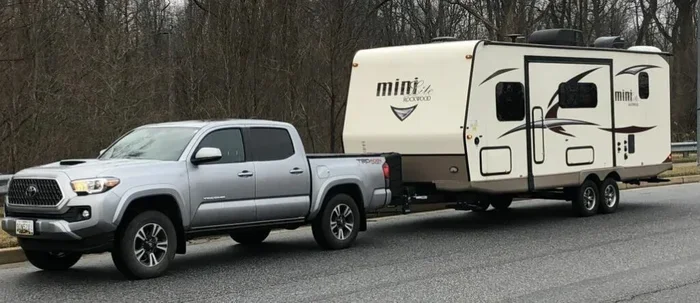
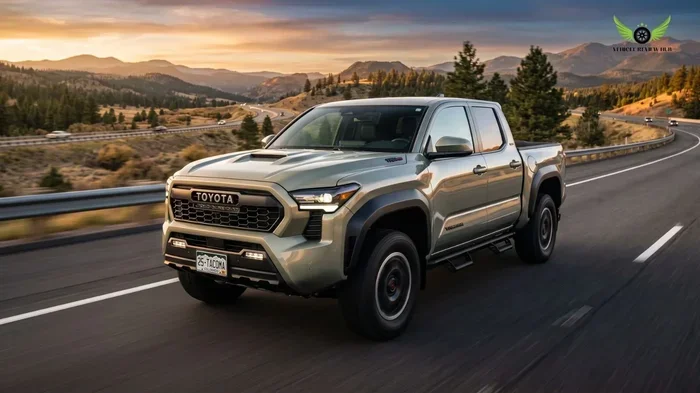
The Tacoma is Toyota’s legendary pickup truck, and it has a cult following for good reason. These trucks are built tough and designed to last. A Toyota Tacoma 200k miles is common among owners who use their trucks for work or outdoor adventures.
The Tacoma’s inline-4 and V6 engines are robust. The rear-wheel-drive platforms are simple and proven. Even with heavy use, a well-maintained Tacoma can go well beyond 300,000 miles. The truck bed and frame are also resistant to rust, which helps the Tacoma maintain its structural integrity over time.
Toyota 4Runner
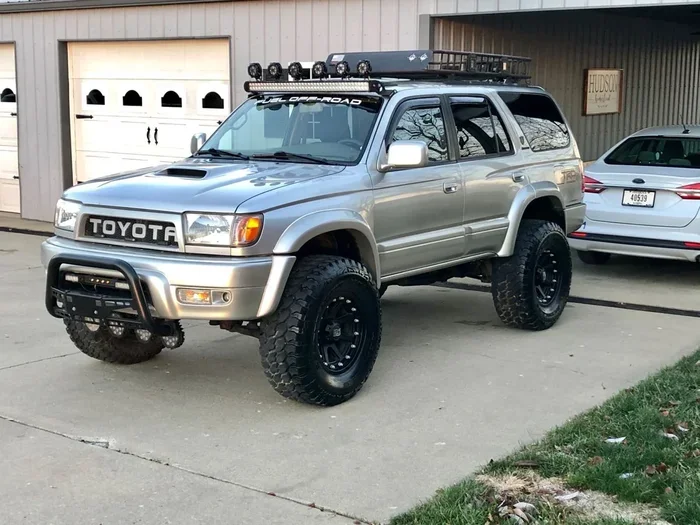
The 4Runner is an SUV built on a truck platform, and it shares many of the Tacoma’s durability traits. It is a body-on-frame SUV that Toyota has sold with relatively few changes for years. This means parts are abundant and mechanics know these vehicles inside and out.
At 200k miles, a 4Runner may need some suspension work, but the engine and transmission typically remain strong. The solid rear axle design is simple and proven, contributing to the vehicle’s long Toyota engine lifespan.
Common Issues Toyotas Face After 200k Miles
Let us be honest. No car is perfect, and Toyotas are no exception. Even the most reliable vehicles develop issues as they rack up miles. The key is knowing what to expect so you can plan and budget accordingly.
Timing Belt and Water Pump
Many Toyota engines use a timing belt instead of a timing chain. The belt needs to be replaced at regular intervals, usually around 90,000 to 105,000 miles. If you skip this service, a broken timing belt can destroy the engine. This is the single most important maintenance item for high-mileage Toyotas.
The water pump is often driven by the timing belt as well, so many mechanics recommend replacing both at the same time. This is a smart preventive measure that saves money in the long run.
Suspension Wear
After 200k miles, suspension components start to wear out. Shock absorbers, struts, control arm bushings, and ball joints all have a finite lifespan. You may notice a rougher ride, pulling to one side, or unusual noises over bumps.
Replacing suspension parts on a Toyota is generally straightforward and affordable. The parts themselves are not expensive, and the labor is manageable for most independent shops.
Rust and Corrosion
Rust is the enemy of any vehicle, and Toyotas are not immune. Older models, especially those from the early 2000s, are more prone to rust on the wheel wells, rocker panels, and frame rails. Newer Toyotas have better corrosion protection, but no vehicle is completely rust-proof.
Regular washing, especially in winter months when roads are salted, goes a long way. Applying a rust inhibitor or undercoating can also help extend the life of the vehicle’s body.
Transmission Fluid and Maintenance
Transmission fluid breaks down over time. In Toyotas, the automatic transmission benefits from regular fluid changes every 60,000 to 80,000 miles. Neglecting this service can lead to slipping, harsh shifting, or eventual transmission failure.
Some Toyotas use continuously variable transmissions (CVTs) in newer models. These are generally reliable but do require diligent fluid maintenance. The traditional torque converter automatics in older Toyotas are even more forgiving and tend to last the life of the vehicle with basic care.
Electrical Gremlins
As Toyotas age, electrical issues can pop up. Power window regulators, dashboard lights, and sensor failures are common at high mileage. Most of these are minor and inexpensive to fix, but they can be annoying.
The good news is that Toyotas have simple electrical systems compared to many modern vehicles. Diagnosing and fixing electrical problems on a Toyota is usually straightforward and affordable.
Maintenance Schedule: Keeping Your Toyota Alive Past 200k
The secret to a Toyota lasting past 200k miles is not magic. It is a consistent maintenance schedule. Here is what you need to stay on top of.
Oil Changes and Fluid Maintenance
Regular oil changes are the foundation of Toyota maintenance. Toyota recommends oil changes every 5,000 to 7,500 miles with conventional oil, or every 10,000 miles with synthetic oil. Staying on top of this simple task dramatically extends engine life.
Beyond oil, you should also keep up with transmission fluid, brake fluid, coolant, and power steering fluid changes. Each fluid serves a critical purpose, and degraded fluid leads to premature wear on expensive components.
Brake System Care
Brake pads and rotors wear out with use, and Toyotas are no exception. At 200k miles, you can expect to have replaced brake pads multiple times. Rotors may need resurfacing or replacement as well. Keeping the brake system in good shape ensures safety and prevents damage to other components.
Spark Plugs and Air Filters
Spark plugs fire thousands of times per minute. Over time, they wear out and become less efficient. Replacing them at the recommended interval keeps the engine running smoothly and maintains fuel economy. Air filters should also be checked and replaced regularly to ensure proper airflow to the engine.
Cooling System Maintenance
The cooling system prevents the engine from overheating. Flushing the coolant and replacing the thermostat at recommended intervals prevents corrosion and keeps the engine at the right operating temperature. Overheating is one of the fastest ways to destroy an engine, so do not neglect this system.
Quick Tips for High-Mileage Toyota Owners
- Keep a detailed maintenance log for your vehicle.
- Use OEM or high-quality aftermarket parts for repairs.
- Address small issues before they become big problems.
- Wash your car regularly to prevent rust and corrosion.
- Drive gently during the first few minutes after starting the engine.
- Have a trusted mechanic who knows Toyotas well.
- Check fluid levels weekly and top off as needed.
Toyota Repair Costs at High Mileage: What to Expect
One of the biggest concerns people have about high-mileage vehicles is the cost of repairs. Let us break down what you can realistically expect when owning a Toyota past 200k miles.
Overall, Toyotas are among the most affordable vehicles to maintain at high mileage. The parts are widely available and reasonably priced. Mechanics are familiar with Toyotas, which means labor costs tend to be lower than for more complex vehicles.
Major Repair Costs to Budget For
- Timing belt replacement: $500 to $900 including water pump
- Suspension overhaul: $800 to $1,500 depending on the model
- Transmission service: $200 to $400 for fluid change
- Water pump replacement: $400 to $700
- Head gasket repair: $1,000 to $2,000 (rare but possible)
- Exhaust system replacement: $300 to $800
Compare these costs to the price of a new vehicle, and the value becomes clear. A Toyota that needs a timing belt and suspension work at 200k miles might cost $1,500 to $2,000 in repairs. That is a fraction of what a new car payment would be over the same period.
Toyota vs. Competitor Repair Costs
| Vehicle | Avg. Annual Repair Cost at 200k Miles | Major Repair Frequency | Parts Availability |
|---|---|---|---|
| Toyota Camry | $400 – $600 | Low | Excellent |
| Toyota Corolla | $350 – $500 | Low | Excellent |
| Toyota Tacoma | $500 – $700 | Moderate | Excellent |
| Honda Accord | $450 – $650 | Low | Good |
| Ford F-150 | $600 – $900 | Moderate | Good |
| Chevrolet Silverado | $650 – $1,000 | Moderate-High | Good |
As you can see, Toyotas hold a strong position when it comes to Toyota repair costs at high mileage. The combination of low repair frequency and affordable parts makes them a standout choice for budget-conscious buyers.
The Financial Case for Buying a High-Mileage Toyota
Let us talk numbers. Why would someone buy a car with 200,000 miles on the odometer? The financial case is compelling.
First, vehicle depreciation slows dramatically after the 100k-mile mark. A new car loses about 50% of its value in the first five years. A Toyota at 200k miles has already absorbed most of that depreciation. You are buying the remaining useful life at a steep discount.
Second, the Toyota resale value remains strong even at high mileage. Toyotas hold their value better than almost any other brand. This means if you decide to sell, you will lose less money than you would with a competing vehicle.
Depreciation Comparison
- A new Camry depreciates about 15% in year one and 50% by year five.
- A Camry at 200k miles might be worth $5,000 to $8,000 depending on condition.
- That same Camry, if purchased new at $30,000, would have cost about $15,000 by year five.
- Buying it at 200k miles for $6,000 and driving it for another 50,000 miles costs pennies per mile.
The math speaks for itself. A well-maintained Toyota at 200k miles offers incredible used Toyota value. You get a reliable vehicle with years of service left, all for a small fraction of the original price.
Expert Insights: What Mechanics Say About High-Mileage Toyotas
We spoke with several experienced Toyota mechanics to get their perspective on high-mileage ownership. Their insights reinforce what the data shows.
One master technician with over 20 years of experience told us, “I have seen Toyotas with 300,000 miles on the clock that still run like new. The owners who keep up with maintenance are the ones who get the most life out of their vehicles.”
Another mechanic added, “The biggest mistake people make with high-mileage Toyotas is neglecting the small stuff. A $30 oil change prevents a $3,000 engine replacement. It is all connected.”
These expert opinions align with what Toyota owners report online. Forums and owner communities are filled with stories of Toyotas that have gone well beyond 200k miles with proper care. The pattern is consistent: maintain it, and it will last.
Common Mistakes to Avoid
- Skipping oil changes or extending intervals too far.
- Ignoring warning lights or unusual noises.
- Using low-quality or incorrect fluids and parts.
- Neglecting the cooling system.
- Driving habits that stress the engine and transmission.
- Not addressing small leaks or drips promptly.
- Skipping the timing belt replacement.
Is a High-Mileage Toyota Right for You?
The decision to buy a Toyota with 200k miles depends on your situation. If you want a reliable daily driver without a car payment, a high-mileage Toyota is hard to beat. If you need the latest technology and features, a newer vehicle might be a better fit.
Consider your budget, driving habits, and how long you plan to keep the vehicle. If you plan to drive it for several more years, a well-maintained Toyota at 200k miles is an excellent investment. The Toyota longevity and low Toyota repair costs make it one of the smartest purchases in the used car market.
Before buying any high-mileage vehicle, get a pre-purchase inspection from a trusted mechanic. This $100 to $200 investment can save you thousands by revealing hidden problems. Ask for a full vehicle history report and service records. A Toyota with documented maintenance is worth more — and will last longer — than one with a spotty history.
Final Thoughts
So, are Toyotas still good after 200k miles? Absolutely. Toyota vehicles are engineered for durability, built with quality components, and supported by decades of proven reliability. Whether you are looking at a Camry, Corolla, Tacoma, or 4Runner, you can expect strong performance and manageable costs even at high mileage.
The key to unlocking that longevity is simple: stay on top of the maintenance schedule, address issues early, and drive with care. A Toyota that has been well-maintained through 200k miles will happily go another 100k or more. That is the real deal with Toyotas — they are built to last, and the numbers back it up.
If you are in the market for a used vehicle, do not overlook high-mileage Toyotas. They offer some of the best value and reliability you will find anywhere. Just do your homework, get the inspection, and enjoy the ride. A Toyota past 200k miles is not a compromise. It is a smart, savvy choice that pays off for years to come.
Frequently Asked Questions
Do Toyotas really last past 200k miles?
Yes, Toyotas are designed and engineered to last well beyond 200k miles. Many owners report driving their Toyotas for 250,000 to 300,000 miles or more with proper maintenance. The combination of overbuilt engines, conservative engineering, and widespread parts availability makes this possible.
What is the most reliable Toyota model for high mileage?
The Toyota Camry and Corolla are widely considered the most reliable models for high-mileage driving. The Toyota Tacoma pickup truck and 4Runner SUV also have excellent track records. These models have simple, proven powertrains and lower repair frequency at high mileage.
How much does it cost to maintain a Toyota after 200k miles?
Annual maintenance costs for a Toyota past 200k miles typically range from $400 to $700, depending on the model and condition. Major services like timing belt replacement and suspension work can add $1,000 to $2,000, but these are predictable and scheduled expenses that keep the vehicle running smoothly.
Is it worth buying a Toyota with 200k miles already on the odometer?
Yes, buying a Toyota at 200k miles is often a smart financial decision. The vehicle has already absorbed most of its depreciation, and with proper maintenance, it can last another 100,000 miles or more. You get years of reliable service at a fraction of the cost of a new car.
What maintenance is most important for a Toyota past 200k miles?
The most critical maintenance items include regular oil changes, timing belt replacement, transmission fluid changes, coolant flushes, and suspension inspections. Staying on top of these services dramatically extends the vehicle’s lifespan and prevents costly repairs down the road.
How does a high-mileage Toyota compare to a new car financially?
A high-mileage Toyota costs significantly less to own than a new car. You avoid car payments, insurance costs are lower, and Toyota repair costs at 200k miles are manageable. The Toyota resale value also remains strong, meaning you lose less money if you decide to sell later.
=== CONCLUSION ===
The evidence is clear: Toyota reliability does not fade at 200k miles. In fact, many Toyotas are just getting started at that point. With proper Toyota maintenance, a consistent schedule, and a little bit of care, these vehicles can easily go another 100,000 miles or more.
Whether you are already owning a high-mileage Toyota or considering buying one, the outlook is excellent. The Toyota engine lifespan is proven, the repair costs are reasonable, and the used Toyota value is hard to match. A Toyota past 200k miles is not a risk — it is a reward for smart car ownership.
So the next time someone asks, “Are Toyotas good after 200k miles?” you will know the answer. They are not just good — they are great. And with the right care, they will keep going long after the odometer stops being interesting.