Can You Lift a Toyota Prius Here Is What You Should Know
Can You Lift a Toyota Prius is a common question, and the answer is yes with the right tools and knowledge. The Toyota Prius weighs around 3,000 pounds, making it manageable for most people. This guide covers the weight, safe lifting methods, and common mistakes to avoid.
Can You Lift a Toyota Prius by yourself? It’s a question many Prius owners ask, especially when they need to change a tire or move the car for storage. The short answer is yes, but you need to know the weight, use the right equipment, and follow safety steps. This guide will walk you through everything you need to know about lifting a Toyota Prius safely and confidently.
The Toyota Prius is a popular hybrid car, and its weight plays a big role in how you handle it. Whether you’re dealing with a flat tire or transporting the vehicle, understanding the hybrid car weight is the first step. I’ll break down the numbers, share the best lifting methods, and highlight common mistakes so you can get the job done right.
Key Takeaways
- Know the weight: The Toyota Prius curb weight is about 3,045 lbs, so you need a jack rated for at least 3 tons.
- Use proper lift points: Always jack and support the car at the designated frame rails or pinch welds.
- Never skip jack stands: A hydraulic floor jack alone is not safe; always use rated jack stands.
- Consider the battery: The hybrid battery adds weight to the rear, affecting balance and lift point selection.
- Choose the right equipment: A floor jack and jack stands are ideal for DIYers; a hydraulic lift is best for frequent use.
- Follow safety steps: Park on flat ground, use wheel chocks, and never work under a car supported only by a jack.
📑 Table of Contents
- Can You Lift a Toyota Prius? The Weight Breakdown
- Can You Lift a Toyota Prius by Yourself? Safety First
- Tools and Equipment for Lifting a Toyota Prius
- Step-by-Step Guide to Lifting a Toyota Prius Safely
- What the Experts Say About Lifting a Toyota Prius
- Common Mistakes When Lifting a Toyota Prius
- Can You Lift a Toyota Prius? Final Thoughts
Can You Lift a Toyota Prius? The Weight Breakdown
Before you grab a jack, you need to know how much the car weighs. The Toyota Prius curb weight varies by model year and trim, but it typically sits around 3,045 pounds for recent models. That’s about 1.5 tons. The gross vehicle weight rating (GVWR) is higher, usually around 3,700 pounds, which includes passengers and cargo. Knowing these numbers helps you choose the right lifting equipment.
Curb Weight vs. Gross Weight
Curb weight is the weight of the car with a full tank of gas and all standard equipment, but no passengers or cargo. The Toyota Prius curb weight is a key number for lifting. Gross weight adds everything else. When you lift the car, you’re dealing with the curb weight, but you must never exceed the jack’s or lift’s rated capacity. Always check the jack’s plate to confirm it can handle at least 3,000 pounds.
Weight Distribution in a Prius
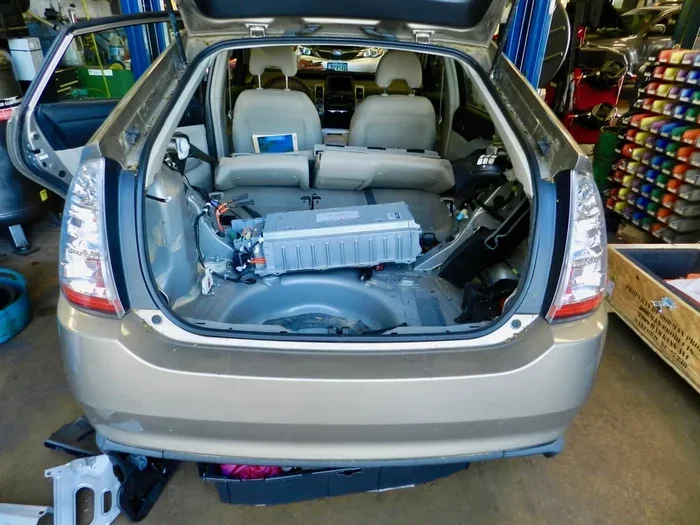
The weight distribution of a Prius is slightly front-heavy. The gasoline engine and electric motor sit at the front, while the hybrid battery pack is mounted under the rear seats and cargo area. This means the front end carries more weight than the rear. When you lift the car, you must account for this balance. Lifting from the front requires extra caution because the front is heavier. Always place the jack on a solid, level surface to prevent tipping.
Battery Weight and Its Impact
The hybrid battery in a Toyota Prius adds significant weight. Older models with a nickel-metal hydride battery pack weigh around 100 pounds, while newer lithium-ion batteries are lighter but still substantial. This battery weight sits low and toward the rear, lowering the center of gravity. It also means the rear lift points are critical. If you lift the car from the front only, the rear might feel light, but the battery keeps it stable. Never ignore the battery’s location when choosing lift points.
Can You Lift a Toyota Prius by Yourself? Safety First
Lifting a Toyota Prius alone is possible, but safety must come first. The car weighs around 3,000 pounds, and a wrong move can cause injury or damage. I’ll walk you through the proper techniques, the equipment you need, and the safety rules you must follow.
Proper Lifting Techniques
Always use a hydraulic floor jack rated for at least 3 tons. Place the jack on the designated front lift point, which is usually a reinforced pinch weld or frame rail near the front wheel. Pump the jack slowly until the front wheel is fully off the ground. Then, immediately place a jack stand under the frame rail. Lower the jack gently onto the stand. The car should rest securely on the stand before you go any further. Repeat the process for the rear if needed.
Equipment You’ll Need
- Hydraulic floor jack – 3-ton minimum capacity.
- Jack stands – Rated for at least 3 tons each. Use two stands for stability.
- Wheel chocks – To prevent the car from rolling.
- Lug wrench and torque wrench – For tire changes.
- Gloves and safety glasses – Protect your hands and eyes.
Weight Limits and Safety Precautions
A standard 3-ton floor jack can easily lift a Prius. However, you must never work under a car supported only by a jack. Jacks can slip or fail. Always use jack stands as the primary support. Also, never jack up the car on soft ground like grass or dirt. The surface must be hard and level. If you’re on a slope, wheel chocks are essential.
Common Mistakes to Avoid
- Using a scissor jack: The small scissor jack that comes with the car is not meant for prolonged lifting or for use on a Prius. It can slip and collapse.
- Skipping jack stands: This is the most dangerous mistake. A hydraulic jack can lose pressure and drop the car instantly.
- Lifting from the plastic body panels: The Prius has plastic underbody panels. Jacking on them will crack them and damage the car.
- Ignoring the parking brake: Always set the parking brake fully before lifting. Put the transmission in Park (or 1st gear for manual).
Tools and Equipment for Lifting a Toyota Prius
Choosing the right tool makes lifting a Toyota Prius safer and easier. Different methods suit different needs. Here’s a look at the most common options.
| Method | Max Capacity | Best For | Ease of Use | Cost Range |
|---|---|---|---|---|
| Floor Jack and Jack Stands | 3+ tons | DIY tire changes, routine maintenance | Easy | $50 – $200 |
| Hydraulic Lift (Two-Post or Four-Post) | 6+ tons | Home garage, frequent lifting, full undercarriage access | Very Easy | $1,500 – $5,000+ |
| Car Dolly or Loading Ramps | Varies (check rating) | Transporting the car on a trailer, low ground clearance | Moderate | $100 – $500 |
The Toyota Prius weighs around 3,000 pounds, so all these methods can handle it. For most homeowners, a hydraulic floor jack paired with jack stands is the best choice. It’s affordable, portable, and safe when used correctly.
Floor Jack and Jack Stands
A hydraulic floor jack uses fluid pressure to lift heavy loads smoothly. Look for one with a 3-ton rating and a low profile to fit under the Prius. Pair it with jack stands that have a 3-ton capacity each. Place the stands on the frame rail, not on the pinch weld alone. This setup is perfect for changing tires or working on the front suspension.
Hydraulic Lift
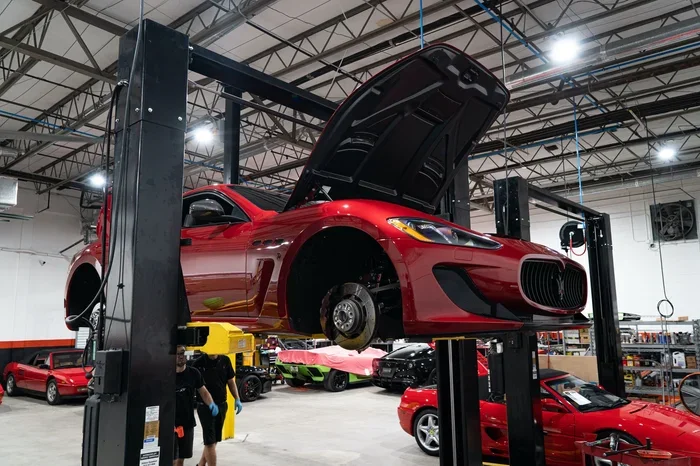
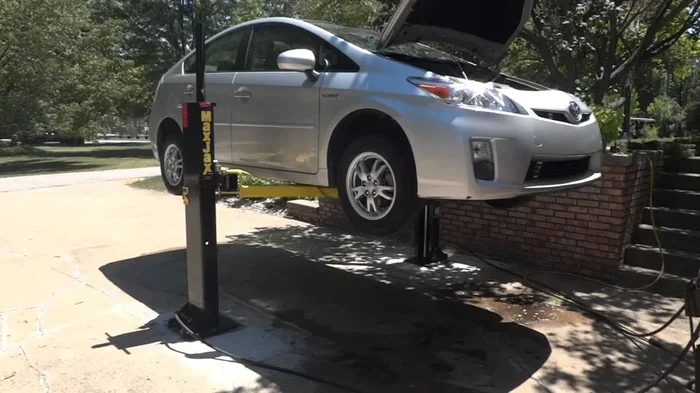
A hydraulic lift is the professional choice. Two-post or four-post lifts raise the car quickly and evenly. They give you full access to the undercarriage, which is great for hybrid battery checks or exhaust work. However, they are expensive and take up a lot of space. If you have a home garage and lift often, this is a solid investment.
Car Dolly and Ramps
A car dolly lifts the front or rear wheels off the ground for transport on a trailer. Loading ramps are another great option for the Prius because of its low ground clearance. You simply drive the car up the ramps onto a flatbed trailer. This method avoids jacking entirely and is very safe for transport. Just make sure the dolly or ramps are rated for the car’s weight.
Hybrid-Specific Considerations
The Prius has a low ride height, which makes it easy to get a floor jack under, but also means ramps are very helpful. When lifting, be mindful of the hybrid battery and high-voltage cables. Never modify or puncture the battery pack. The hybrid vehicle lifting process is similar to a regular car, but always refer to the owner’s manual for specific lift points. The manual will show you the exact frame rail and pinch weld locations for the front and rear.
Step-by-Step Guide to Lifting a Toyota Prius Safely
If you need to lift a Toyota Prius for maintenance, follow these steps carefully. I’ve broken them down so you can do it safely every time.
- Park on a flat, hard surface. Avoid gravel, grass, or slopes. Turn off the engine and engage the parking brake fully.
- Place wheel chocks behind the rear tires. This prevents the car from rolling when you lift the front. If you’re lifting the rear, chock the front tires.
- Locate the lift points. Open the owner’s manual and find the front and rear lift points. On the Prius, the front lift point is a reinforced pinch weld or frame rail near the front wheel arch. The rear lift point is on the frame rail near the rear axle.
- Position the floor jack under the front lift point. Make sure the jack head is fully seated on the reinforced area. Pump the jack slowly until the front wheel is completely off the ground.
- Place a jack stand under the frame rail. Lower the jack gently until the car rests on the stand. Give the car a gentle shake to test stability. It should feel solid.
- Repeat for the rear if needed. If you need to lift the rear, position the jack under the rear lift point, lift, and place a jack stand on the frame rail near the rear differential.
- Work safely. Never put any part of your body under the car while it’s supported only by a jack. Always use jack stands.
Quick Tips:
- Keep the jack hydraulic fluid topped up and check for leaks before use.
- Use a jack with a low minimum height to fit under the Prius’ sleek underbody.
- If you’re changing a tire, loosen the lug nuts before lifting the car.
- Always tighten lug nuts to the factory torque specification after lowering the car.
What the Experts Say About Lifting a Toyota Prius
Automotive technicians often share their insights on lifting hybrid cars like the Prius. The general consensus is that the Prius is one of the easier hybrids to work on because of its manageable weight and clear lift points. However, the hybrid system requires extra respect.
Hybrid Battery Safety
The high-voltage battery in a Prius operates at around 200-300 volts. While the lifting process doesn’t involve the electrical system directly, technicians warn against damaging the battery pack or the orange high-voltage cables. Always avoid modifying or puncturing any hybrid components. If you’re lifting the car for underbody work, stay clear of the battery and wiring harnesses.
Lifting Techniques for Low-Ride Vehicles
The Prius sits low to the ground, which is great for aerodynamics but can make jack placement tricky. Experts recommend using a low-profile hydraulic floor jack that can drop to 3-4 inches off the ground. This ensures a secure fit under the front lift point. Ramps are also a favorite among Prius owners because they eliminate the need to find a perfect jack spot.
Common Mistakes When Lifting a Toyota Prius
Even experienced DIYers can make mistakes. Here are the most common errors and how to avoid them.
Using the Wrong Jack Type
A scissor jack is fine for an emergency tire change, but it’s not suitable for prolonged lifting or for working under the car. The hydraulic floor jack is the right tool for the job. Never use a bottle jack on a Prius unless it’s rated for 3 tons and you have a stable base.
Skipping Jack Stands
This cannot be stressed enough. A hydraulic jack can fail, and the car will come down fast. Always use jack stands rated for the vehicle weight. The cost of a set of jack stands is tiny compared to the risk of injury.
Ignoring Weight Distribution
The Prius has more weight in the front. If you lift only the front, the rear remains on the ground. This is fine for tire changes, but if you need to lift the entire car, you must support both ends with jack stands. Never rely on a jack alone to hold the car for an extended period.
Lifting from the Wrong Spot
The Prius has plastic body panels and trim. Jacking on these areas will cause damage. Always find the metal frame rail or reinforced pinch weld. The owner’s manual is your best friend here. It shows the exact spots.
Can You Lift a Toyota Prius? Final Thoughts
Can You Lift a Toyota Prius is a question with a confident yes. The car weighs around 3,000 pounds, which is well within the capacity of a standard hydraulic floor jack and jack stands. By understanding the weight, using the right equipment, and following the safety steps, you can lift and work on your Prius safely. Always respect the hybrid components, use proper lift points, and never skip jack stands. With the right approach, you’ll handle any lifting task like a pro.
Remember, the key is preparation. Gather your tools, check the weight, and take your time. A safe lift leads to a successful repair. Now you have the knowledge to lift your Toyota Prius with confidence.
Frequently Asked Questions
How much does a Toyota Prius weigh?
The Toyota Prius curb weight is typically around 3,045 pounds for recent models. The gross vehicle weight rating is about 3,700 pounds. This weight makes it manageable for most lifting equipment.
Can I use the scissor jack that came with my Prius?
The scissor jack is designed for emergency tire changes only. It’s not meant for prolonged lifting or for working under the car. For any maintenance, use a hydraulic floor jack and jack stands.
Where are the lift points on a Toyota Prius?
The front lift point is on the reinforced pinch weld or frame rail near the front wheel arch. The rear lift point is on the frame rail near the rear axle. Always refer to your owner’s manual for the exact locations.
Is it safe to lift a Prius by the front bumper?
No. The front bumper is plastic and not designed to hold the car’s weight. Always lift from the designated frame rail or pinch weld to avoid damage and ensure safety.
Do I need special equipment for a hybrid Prius?
You don’t need special equipment beyond a standard hydraulic floor jack and jack stands. However, be mindful of the high-voltage battery and cables. Never modify or puncture any hybrid components during lifting.
How do I lower my Prius after lifting?
First, ensure the car is stable on the jack stands. Remove the jack stands one at a time, lowering them slowly. Then, gently lower the hydraulic jack until the tire touches the ground. Finally, tighten the lug nuts to the factory torque spec and remove the wheel chocks.