What Is the Most Unreliable SUV for Everyday Drivers
The Jeep Wrangler consistently ranks as the most unreliable SUV for everyday drivers. Frequent electrical issues, rough rides, and costly repairs make it a poor choice for daily commutes. Consumer Reports and J.D. Power data back this up with low dependability scores. If you need a dependable daily driver, this list will help you avoid costly mistakes.
Shopping for an SUV can feel overwhelming. There are so many brands, models, trims, and features to consider. But one factor should always come first: reliability. A beautiful SUV with poor dependability will cost you time, money, and stress. That is why we are breaking down the most unreliable SUV options on the market today.
If you are looking for a vehicle to handle your daily commute, school runs, or weekend errands, you need something that starts every morning and keeps running. The most unreliable SUV models fail at this basic task. They leave drivers stranded, frustrated, and stuck with expensive repair bills. In this article, we will walk you through which SUVs to avoid and why.
Key Takeaways
- The Jeep Wrangler tops the list as the most unreliable SUV for daily driving due to frequent mechanical and electrical problems.
- Repair costs for unreliable SUVs can be significantly higher than for dependable models, averaging thousands of dollars per year.
- Consumer Reports and J.D. Power reliability ratings provide trusted data to help you compare SUV dependability.
- Common problems include transmission failure, electrical glitches, and powertrain issues that affect daily use.
- Used SUV buyers should always check reliability history before making a purchase to avoid expensive surprises.
- Alternative reliable SUV options exist that offer the same utility without the constant repair headaches.
- Regular maintenance helps but cannot fully compensate for a vehicle with a poor reliability design.
📑 Table of Contents
- Why SUV Reliability Matters for Everyday Drivers
- The Most Unreliable SUV: Jeep Wrangler
- Other SUVs with Poor Reliability Ratings
- Common Problems Found in Unreliable SUVs
- How to Avoid Buying an Unreliable SUV
- Is It Ever Worth Buying an Unreliable SUV?
- More Reliable SUV Alternatives to Consider
- Conclusion
Why SUV Reliability Matters for Everyday Drivers
Reliability is not just a number on a chart. It affects your daily life in real ways. An unreliable vehicle means unexpected breakdowns, missed appointments, and constant trips to the mechanic. For families, this is especially stressful. You need your SUV to be dependable when it matters most.
Here are the key reasons why reliability should drive your buying decision:
- Lower long-term costs: Unreliable vehicles need more frequent repairs, which adds up fast.
- Less downtime: A dependable SUV stays on the road instead of sitting in a repair shop.
- Better resale value: Reliable SUVs hold their value much better than problem-prone models.
- Peace of mind: You can drive without constantly worrying about what might break next.
- Safety: Vehicles with frequent electrical or mechanical failures can develop safety issues over time.
When you compare SUV options, always check the reliability index and consumer complaints. These sources give you a clear picture of what to expect. Do not let a flashy exterior or low sticker price fool you. Long-term ownership costs tell the real story.
The Most Unreliable SUV: Jeep Wrangler
The Jeep Wrangler takes the top spot on the list of the most unreliable SUVs. This iconic off-roader has a loyal fan base, and for good reason. It handles rough terrain beautifully. But when it comes to everyday driving, the Wrangler falls short in several important areas.
Common Problems with the Jeep Wrangler
Owners report a long list of recurring issues with the Wrangler. These problems range from minor annoyances to serious mechanical failures. Here are the most frequently reported concerns:
- Electrical system glitches: Faulty wiring causes flickering lights, malfunctioning infotainment screens, and intermittent power window failures.
- Transmission issues: The automatic transmission can hesitate, jerk, or fail to shift properly, especially at higher mileage.
- Rust and corrosion: The Wrangler is prone to rust on the body panels, frame, and suspension components.
- Rough ride quality: The solid axle design creates a harsh, uncomfortable ride on paved roads.
- Poor fuel economy: The Wrangler gets significantly lower gas mileage than most modern SUVs.
- Coolant leaks: The cooling system develops leaks that can lead to engine overheating if not addressed quickly.
According to Consumer Reports and J.D. Power dependability studies, the Wrangler consistently ranks below average for vehicle reliability. The reliability index scores for recent model years confirm what owners already know. This SUV is built for adventure, not for daily commuting.
Repair Costs and Maintenance Frequency
Owning a Wrangler means visiting the mechanic more often than you would with a reliable SUV. The average annual repair cost for a Jeep Wrangler runs higher than the industry average. Major repairs like transmission replacement or electrical system overhauls can cost thousands of dollars.
Regular maintenance helps, but it cannot fix design flaws. The Wrangler has known weak points that appear regardless of how well you maintain the vehicle. If you are considering a used Wrangler, always get a full vehicle history report and a pre-purchase inspection from a trusted mechanic.
Other SUVs with Poor Reliability Ratings
The Jeep Wrangler is not the only problematic SUV on the road. Several other models also earn poor marks for everyday dependability. Let us look at a few more vehicles that everyday drivers should approach with caution.
Land Rover Range Rover
The Range Rover is a luxury SUV with a reputation for breaking down. The reliability index places it among the least dependable vehicles in its class. Owners frequently report issues with the air suspension, electronics, and engine components. Repair costs for a Range Rover are among the highest in the automotive industry. Even routine maintenance like oil changes and brake pads costs more than average.
BMW X5
The BMW X5 offers a sporty driving experience and premium interior. But its vehicle reliability record is mixed at best. Common problems include oil leaks, water pump failures, and electronic module malfunctions. The repair frequency for the X5 is higher than many competing SUVs. Maintenance costs are steep, especially once the warranty expires.
Ford Bronco
The Ford Bronco has gained popularity since its return to the market. However, early model years have shown several reliability concerns. Transmission hesitation, infotainment system crashes, and suspension noise are among the most common complaints. While Ford has issued recalls and software updates, these issues still affect the overall dependability score.
Mercedes-Benz GLE
The Mercedes-Benz GLE is another luxury SUV that struggles with reliability. Air suspension failures, transmission problems, and electrical gremlins top the list of owner complaints. The cost of ownership for a GLE is significantly higher than for more dependable alternatives.
Common Problems Found in Unreliable SUVs
While every vehicle has its own unique issues, certain problems appear again and again across the most unreliable SUV models. Understanding these common failure points can help you make a smarter buying decision.
Transmission Failures
Transmission problems are one of the most expensive and disruptive issues a driver can face. Unreliable SUVs often experience delayed shifting, slipping gears, or complete transmission failure. These repairs can cost anywhere from $1,500 to $5,000 or more, depending on the vehicle.
Electrical System Malfunctions
Modern SUVs rely heavily on complex electrical systems. When these systems fail, the results can be frustrating and dangerous. Common electrical problems include faulty sensors, malfunctioning infotainment systems, power seat failures, and intermittent warning lights on the dashboard.
Engine and Cooling System Issues
Engine problems are the most serious reliability concern for any vehicle. Coolant leaks, overheating, and oil consumption are frequent issues in the most unreliable SUVs. These problems can lead to major engine damage if not caught early.
Suspension and Drivetrain Complaints
SUVs with solid axle designs or complex air suspension systems often develop drivetrain issues over time. Noises, vibrations, and handling problems are common complaints. These issues affect both safety and daily comfort.
How to Avoid Buying an Unreliable SUV
Nobody wants to buy a vehicle that will cause constant headaches. Here are practical steps you can take to avoid ending up with the most unreliable SUV for your needs.
Check Reliability Ratings Before You Buy
Always consult trusted sources before making a purchase. Consumer Reports and J.D. Power publish annual dependability studies that rank vehicles by reliability. Look for models with high scores in the reliability index. These resources are free and provide valuable insights.
Research Common Problems for Your Target Model
Every vehicle has known issues. Before you buy, search for common problems specific to the model year you are considering. Online forums, owner reviews, and automotive websites are great resources. Look for patterns rather than isolated complaints.
Get a Pre-Purchase Inspection
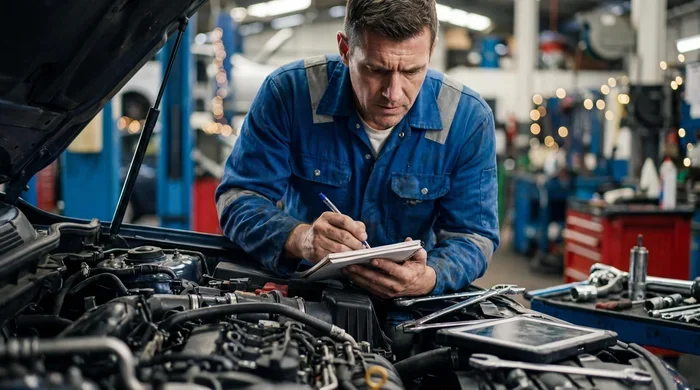
Always have a trusted mechanic inspect any used SUV before you finalize the purchase. A pre-purchase inspection costs between $100 and $200 but can save you thousands of dollars in future repairs. The mechanic will check the engine, transmission, suspension, brakes, and electrical systems.
Review the Vehicle History Report
A vehicle history report from services like Carfax or AutoCheck can reveal a lot about a used SUV’s past. Look for signs of previous accidents, flood damage, irregular maintenance records, and odometer discrepancies. These red flags can save you from buying a problematic vehicle.
Consider Certified Pre-Owned Programs
Certified pre-owned programs offer extended warranties and thorough inspections. While the vehicle may cost more upfront, the added protection can give you peace of mind. These programs are especially valuable for luxury SUVs where repair costs are high.
Is It Ever Worth Buying an Unreliable SUV?
This is a fair question. Some drivers love the Jeep Wrangler for its off-road capability and iconic design. If you can accept the trade-offs, owning an unreliable SUV might still be worthwhile for you. But it is important to go in with your eyes open.
Here are a few situations where buying an unreliable SUV might make sense:
- You are a weekend off-roader: If you only drive the vehicle occasionally on trails, reliability matters less.
- You are a DIY mechanic: If you can do your own repairs, you can save money on labor costs.
- You have a backup vehicle: If you have another car for daily commuting, an unreliable SUV is less of a problem.
- You love the vehicle for its character: Some drivers value the Wrangler’s unique driving experience over reliability.
However, if you need a dependable daily driver, the most unreliable SUV models are not the right choice. There are plenty of reliable alternatives that offer the same utility and comfort without the constant repair visits.
More Reliable SUV Alternatives to Consider
If you want an SUV that will not leave you stranded, consider models with strong reliability ratings. The Toyota Highlander, Honda Pilot, and Mazda CX-9 consistently earn top marks for dependability. The Subaru Outback and Toyota 4Runner also score well in automotive reliability studies. These vehicles offer the space and capability of a traditional SUV with far fewer problems.
When comparing options, look at the dependability score from multiple sources. A vehicle that scores well across Consumer Reports, J.D. Power, and owner satisfaction surveys is likely a safe bet. The repair frequency for these models is significantly lower than for the vehicles on our avoid list.
Also consider the total cost of ownership. A slightly more expensive reliable SUV can save you thousands of dollars over five years of ownership compared to a cheaper but unreliable model. Factor in repair costs, fuel economy, insurance premiums, and resale value when making your decision.
Conclusion
The most unreliable SUV for everyday drivers is the Jeep Wrangler. While it excels off-road, it struggles with daily dependability. Electrical issues, transmission problems, and high repair costs make it a poor choice for commuters and families. Other models like the Range Rover, BMW X5, Ford Bronco, and Mercedes-Benz GLE also rank low for reliability.
Before buying any SUV, always check reliability ratings and owner reviews. A pre-purchase inspection and vehicle history report are essential steps. Choose a vehicle that matches your needs and will keep you moving without constant trips to the mechanic. Reliable driving starts with a smart buying decision.
Frequently Asked Questions
What is the most unreliable SUV for daily driving?
The Jeep Wrangler consistently ranks as the most unreliable SUV for everyday use. Its electrical system, transmission, and cooling components develop frequent problems. Consumer Reports and J.D. Power data confirm its below-average dependability for daily commuters.
How can I check an SUV’s reliability before buying?
Consult trusted sources like Consumer Reports, J.D. Power, and RepairPal for reliability ratings. Check owner forums for common complaints specific to the model year. Always request a vehicle history report and schedule a pre-purchase inspection with a qualified mechanic.
Are used unreliable SUVs ever worth buying?
It depends on your situation. If you have mechanical skills, a backup vehicle, or only need the SUV occasionally, a used unreliable model might work. However, for most daily drivers, the repair costs and downtime outweigh any savings from a lower purchase price.
What are the most common problems in unreliable SUVs?
Transmission failures, electrical system malfunctions, coolant leaks, and suspension issues top the list. These problems appear across multiple models and can lead to costly repairs. Regular maintenance helps but cannot prevent all design-related reliability issues.
Which SUV brands are the most reliable?
Toyota, Honda, Mazda, and Subaru consistently produce the most reliable SUVs. Models like the Toyota Highlander, Honda Pilot, and Mazda CX-9 earn top dependability scores. These brands have lower repair frequency and ownership costs over time.
How much more does it cost to maintain an unreliable SUV?
Maintenance costs for unreliable SUVs can be 30 to 50 percent higher than for dependable models. Major repairs like transmission work or electrical system overhauls can cost several thousand dollars. Over five years of ownership, the difference in total cost can reach $5,000 or more.