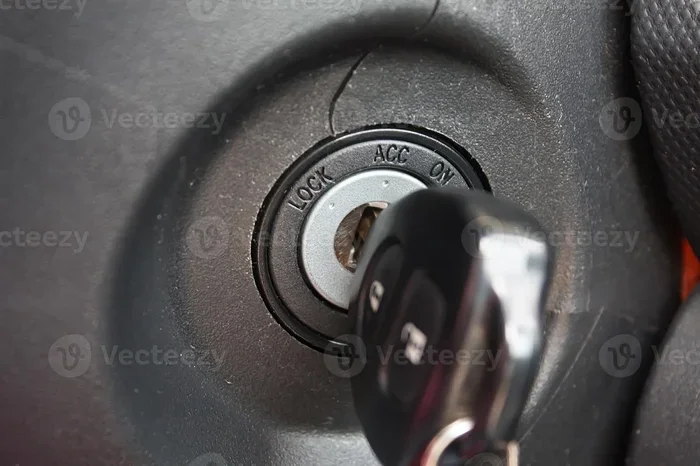
Why Wont My Car Start When I Put the Key In Today
If your car wont start when you put the key in, there’s a simple explanation waiting. This guide breaks down the most common culprits like a dead battery, bad starter, or faulty ignition switch. You’ll find clear steps to diagnose the issue and get back on the road quickly.
Key Takeaways
- A dead battery is the most common reason your car wont start when you put the key in.
- A faulty starter motor often causes a single click and no engine turnover.
- Ignition switch problems can leave you with no power to the starter.
- Fuel system issues like a failed fuel pump prevent the engine from firing.
- Security system or immobilizer may block starting if the key fob battery is dead.
- Simple fixes like jump-starting can solve many no-start problems at home.
- Regular maintenance helps prevent most of these issues before they happen.
📑 Table of Contents
Why Wont My Car Start When I Put The Key In Today: Top Causes and Fixes
You turn the key, but nothing happens. The dashboard lights might flicker, or you hear a single click and then silence. If you’ve ever wondered Why Wont My Car Start When I Put The Key In Today, you’re in the right place. This guide explores the most common reasons behind a no-start condition and how to fix them. You’ll learn about dead batteries, faulty starters, and ignition switch problems. By the end, you’ll know exactly what to check and when to call a mechanic.
A car that wont start can ruin your morning. It can also leave you stranded. But most causes are simple and inexpensive to fix. I’ll walk you through each one step by step. Let’s get started.
Common Causes at a Glance
Before we dive deeper, here’s a quick look at the top reasons your engine might refuse to turn over.
| Cause | What You’ll Notice | Typical Fix |
|---|---|---|
| Dead Battery | Lights are dim or off. No sound when you turn the key. | Jump start or replace the battery. |
| Faulty Starter Motor | A single loud click. Engine does not crank. | Replace the starter. |
| Ignition Switch Failure | No power to the starter. Dashboard may stay dark. | Replace the ignition switch. |
| Fuel Pump Failure | Engine cranks but won’t fire. No fuel smell. | Replace the fuel pump. |
| Empty Fuel Tank | Engine cranks normally. Car just won’t run. | Add fuel. |
| Security System Lockout | Dashboard security light flashes. Car cranks but won’t start. | Reset the system or replace key fob battery. |
Each of these problems has a clear signature. Learning to spot the pattern can save you hours of guesswork. Let’s look at them in detail.
How to Diagnose the Problem Yourself
Before you call a mechanic, try these simple checks. You can save time and money. Most diagnostics start with your senses: what you see, hear, and smell.
Check the Dashboard Lights
Turn the key to the “On” position without starting the engine. Do the dashboard lights come on? If they are dim or absent, you likely have a battery problem. If they glow normally, the battery may still be good.
Expert Insight: A battery can test fine under a light load but fail when asked to crank the engine. That’s why a load test is more reliable than a simple voltage check.
Listen for Clicking Sounds
A single loud click when you turn the key often points to the starter. Rapid clicking usually means a weak battery. No sound at all could be an ignition switch issue.
Test the Battery Voltage
Use a multimeter to check the battery. A healthy battery should read 12.6 volts or higher with the engine off. If it reads below 12.0 volts, the battery is likely dead or dying.
Quick Tip: Keep a portable jump starter in your trunk. It can save you on cold mornings and costs less than a tow.
Common Mistake: Assuming a dead battery always means the battery is bad. Corroded terminals can cause the same symptoms. Clean the terminals with a wire brush before replacing the battery.
Understand Crank vs. No-Crank
This is a key distinction. A “crank” means the engine turns over but doesn’t fire. A “no-crank” means the engine doesn’t turn at all. Each points to different causes.
Key Takeaways:
- Dim lights and silence usually mean a battery or connection issue.
- A single click often points to the starter motor.
- Rapid clicking is a classic sign of a weak battery.
- No sound at all may indicate an ignition switch or neutral safety switch problem.
Quick Fixes You Can Do at Home
Many no-start problems can be solved in your driveway. Here are the most common fixes you can try yourself.
Jump-Starting the Battery
If the battery is dead, a jump start can bring your car back to life. You’ll need jumper cables and a working vehicle. Connect the red clamp to the dead battery’s positive terminal first. Then connect the other red clamp to the good battery’s positive terminal. Next, connect the black clamp to the good battery’s negative terminal. Finally, attach the last black clamp to an unpainted metal surface on your car’s engine block. Start the working car first, then try starting yours.
Quick Tip: Let the good car run for a few minutes before trying to start the dead car. This helps charge the battery slightly.
Tapping the Starter
Sometimes a stuck starter motor can be coaxed into working. With the key in the “On” position, gently tap the starter motor with a hammer or wrench. This can free a stuck gear. Be careful not to damage any wires.
Common Mistake: Hitting the starter too hard can break it. Use light taps only. If it doesn’t work after a few gentle taps, stop and call for help.
Checking the Fuel Pump
Turn the key to the “On” position (do not start). You should hear a faint hum from the back of the car for a few seconds. That’s the fuel pump pressurizing the system. If you hear nothing, the fuel pump may have failed.
Expert Insight: A failed fuel pump often happens after the car runs out of gas. Even a low fuel level can overheat the pump. Keep your tank at least a quarter full.
Replacing the Key Fob Battery
If your car uses a push-button start, a dead key fob battery can prevent starting. Try holding the fob directly against the start button. Most cars have a backup reader for this exact situation.
Key Takeaways:
- Jump-starting solves many battery-related no-start issues.
- Gentle tapping can free a stuck starter motor.
- Listen for the fuel pump hum to rule out fuel delivery problems.
- Hold the key fob to the button if you have a push-start system.
When to Call a Professional Mechanic
Some problems need a trained eye. Knowing when to call for help can save you from costly mistakes.
Signs You Need Expert Help
Call a mechanic if you notice any of the following:
- A grinding or whining noise when you turn the key. This could mean a damaged starter gear.
- A burning smell under the hood. This may indicate an electrical short.
- The engine cranks normally but won’t fire after checking battery, fuel, and spark. You may have an ignition coil or sensor issue.
- Repeated attempts that still don’t start. This can overheat the starter and damage the engine.
Cost Considerations
A simple jump start or battery replacement costs under $100. A new starter motor typically runs $300 to $500 including labor. An ignition switch replacement is usually $150 to $250. Fuel pump jobs can range from $400 to $800 depending on the car model.
Common Mistake: Trying to drive a car that grinds or makes unusual noises. This can turn a small repair into a major engine rebuild. Stop driving and get it towed if something sounds wrong.
Key Takeaways:
- Grinding noises mean stop immediately and call a tow.
- Burning smells indicate electrical problems that need urgent attention.
- Normal cranking with no start may point to ignition or sensor faults.
- Know the repair costs before agreeing to work.
Preventive Tips to Avoid Future No-Start Situations
The best way to deal with a car that wont start is to prevent it from happening. A little regular care goes a long way.
Regular Maintenance Checklist
Follow this simple checklist every few months:
- Check the battery terminals for white or green corrosion. Clean them with a baking soda and water solution.
- Test the battery voltage with a multimeter. Replace it if it reads below 12.4 volts.
- Inspect the starter and alternator for any unusual sounds during normal driving.
- Keep your fuel tank above a quarter full to protect the fuel pump.
- Replace the key fob battery once a year, even if it still works.
Battery Care Tips
Your battery works hardest in cold weather. Here’s how to keep it healthy:
- Drive your car regularly. A battery needs the alternator to recharge. Short trips can drain it over time.
- Turn off all lights and accessories before shutting off the engine.
- Consider a battery maintainer if you park the car for long periods.
- Check the battery age. Most batteries last 3 to 5 years. Mark the install date on the case.
Expert Insight: A failing alternator often mimics a dead battery. If your battery keeps dying even after replacement, have the alternator tested. Replacing a $200 alternator is much cheaper than replacing a $150 battery every month.
Key Takeaways:
- Clean battery terminals prevent corrosion and no-start issues.
- Keep the fuel tank above a quarter full to protect the fuel pump.
- Replace the key fob battery annually as a simple preventive step.
- Drive your car regularly to keep the battery charged.
Final Thoughts: Getting Your Car Running Again
A car that wont start when you put the key in can feel like a disaster. But as you’ve seen, most causes are simple and fixable. Whether it’s a dead battery, a bad starter, or an empty tank, you now have the tools to diagnose the problem. Start with the easiest checks and work your way up. If the problem persists, don’t hesitate to call a professional. A little knowledge and preparation can save you time, money, and a lot of stress. The next time you turn the key and hear that engine roar, you’ll feel confident and prepared.
Remember, Why Wont My Car Start When I Put The Key In Today usually comes down to a few common culprits. Address them early, and you’ll keep your car running reliably for years to come. Stay safe, and happy driving!
Frequently Asked Questions
What should I do if my car clicks but won’t start?
A single click often means the starter motor is faulty or the battery is too weak to engage it. Try jump-starting the car first. If it still clicks and won’t crank, the starter likely needs replacement. Have a mechanic test the battery and starter to confirm.
Can a dead key fob battery prevent my car from starting?
Yes, especially with push-button start systems. The car may not recognize the key. Try holding the fob directly against the start button. Replacing the fob battery usually solves this problem quickly and cheaply.
How do I know if my fuel pump is bad?
You’ll often hear no hum from the rear of the car when you turn the key to “On.” The engine may crank strongly but never fire. A fuel pressure test from a mechanic can confirm a failed pump. Replacing the fuel pump is the standard fix.
Is it safe to keep trying to start my car if it won’t turn over?
No, repeated attempts can overheat the starter and drain the battery further. Wait at least 10 seconds between tries. If it doesn’t start after three attempts, stop and check the battery or call for a jump start.
What causes a car to crank but not fire?
This usually means the engine has spark and compression but lacks fuel or a proper spark timing. Common causes include a clogged fuel filter, bad ignition coil, or a sensor failure. A diagnostic scan tool can reveal the exact fault code.
How often should I replace my car battery?
Most batteries last between 3 and 5 years. Extreme heat or cold can shorten that lifespan. If your car is slow to crank or you need frequent jump starts, it’s time for a new battery. Have the battery tested at every oil change.