Black Film for Car Glass Everything You Need to Know
Black film for car glass is a popular window tinting solution that offers style, privacy, and protection for your vehicle. Whether you want to block harmful UV rays, reduce glare, or simply upgrade your car’s look, black film for car glass delivers real results. This guide covers everything from types and benefits to installation tips and legal rules you need to know.
Black film for car glass has become one of the most popular upgrades for vehicle owners. It is not just about looks. The right tint can protect your skin, keep your car cooler, and add a sleek, polished finish to any ride. If you have been thinking about tinting your windows, this guide has everything you need to know.
Window tinting is not a new concept. People have been using car window tint for decades. But the technology has improved a lot over the years. Today’s black film for car glass options are far better than the old dyed films that used to bubble and fade. Modern films use advanced materials like ceramic and carbon to deliver superior performance. Whether you drive a sedan, SUV, or truck, there is a window tint film that fits your needs.
The decision to tint your car windows is a big one. It affects your comfort, safety, and even the resale value of your vehicle. That is why it pays to understand what you are getting into. In this article, we will walk you through every aspect of black film for car glass. From the different types available to the legal rules you must follow, we cover it all. By the end, you will feel confident about making the right choice for your car.
Key Takeaways
- UV and Heat Protection: Black film for car glass blocks up to 99% of UV rays and significantly reduces solar heat inside your vehicle.
- Privacy and Security: Dark window tint adds a layer of privacy and makes it harder for thieves to see inside your car.
- Multiple Types Available: Dyed, carbon, ceramic, and metallic films each offer different levels of performance and style.
- Legal Limits Matter: Every state has specific laws about how dark your tint can be, so check local regulations before buying.
- Professional vs. DIY: While professional installation gives the best results, DIY kits are available for budget-conscious car owners.
- Easy Maintenance: With proper care, black film for car glass can last 5 to 10 years without peeling or bubbling.
📑 Table of Contents
- What Is Black Film for Car Glass?
- Benefits of Using Black Film for Car Glass
- Types of Black Film for Car Glass
- How to Choose the Right Black Film for Car Glass
- Installation Process for Black Film for Car Glass
- Legal Considerations for Black Film for Car Glass
- Maintenance Tips for Black Film for Car Glass
- Conclusion
What Is Black Film for Car Glass?
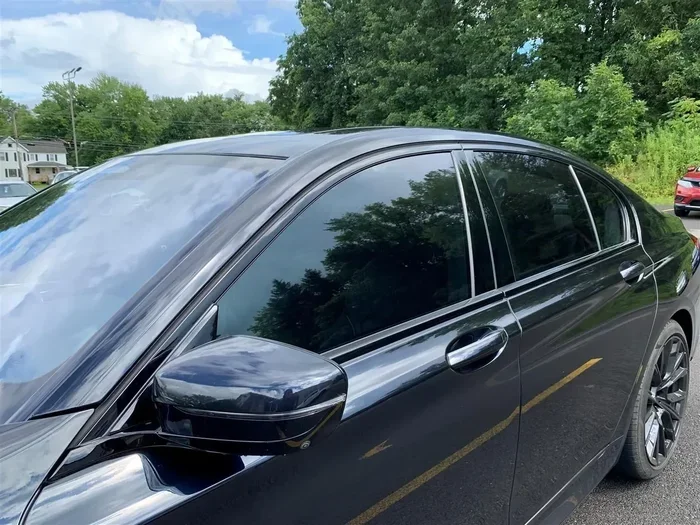
Black film for car glass is a thin layer of tinted material applied to the interior surface of your vehicle’s windows. It is designed to reduce the amount of light, heat, and UV radiation that passes through the glass. The result is a darker, more refined look for your car, along with practical benefits that make driving more comfortable.
The film itself is usually made from multiple layers. A scratch-resistant coating sits on the outside. An adhesive layer holds the film to the glass. And the tinted layer does the actual work of blocking light and heat. Some films also include a metalized layer that adds strength and improves heat rejection.
Not all automotive tint films are the same. The darkness level, measured as visible light transmission (VLT), varies from product to product. A lower VLT means a darker tint. For example, a film with 5% VLT lets through only 5% of visible light, creating a very dark appearance. A film with 50% VLT is much lighter and still allows good visibility. Understanding VLT is key when choosing the right window tinting for your car.
Black film for car glass comes in a range of shades, from subtle smoky tints to nearly opaque black. The choice depends on your personal preference, your local laws, and what you want the film to do for your vehicle. Some people choose a light tint for a subtle upgrade. Others go dark for maximum privacy and heat rejection.
Benefits of Using Black Film for Car Glass
There are many reasons why car owners choose to install black film for car glass. Let us look at the biggest benefits.
UV Protection for You and Your Passengers
One of the most important benefits of car window tint is UV protection. The sun emits harmful ultraviolet rays that can cause skin damage and increase the risk of skin cancer. When you sit in a car for long periods, you are exposed to these rays through the windows. Black film for car glass blocks up to 99% of UV radiation, keeping you and your family safe.
This is especially important for people who spend a lot of time driving. Truck drivers, delivery workers, and rideshare drivers can all benefit greatly from UV-blocking window tint film. Over time, UV exposure can also fade your car’s interior. Dashboards, seats, and trim can crack and discolor. Tinting your windows helps preserve the look and value of your car’s interior.
Heat Rejection and Comfort
Have you ever sat in a hot car and wished you could cool it down faster? Black film for car glass can help with that. Quality tint films reject a significant amount of solar heat. Some ceramic automotive tint films can reduce interior temperatures by 30 to 40 degrees Fahrenheit. This means your car stays cooler on hot days, and your air conditioning does not have to work as hard.
Less heat inside your car also means less strain on your engine and battery. Your fuel efficiency can even improve slightly because your AC system runs more efficiently. For anyone who lives in a hot climate, this is one of the best reasons to invest in window tinting.
Glare Reduction for Safer Driving
Glare from the sun and headlights can be dangerous while driving. It strains your eyes and makes it harder to see the road. Black film for car glass reduces glare significantly, making your driving experience safer and more comfortable. This is especially helpful during sunrise, sunset, and nighttime driving.
Many drivers report fewer headaches and less eye fatigue after tinting their windows. If you do a lot of highway driving, glare reduction alone can be a great reason to invest in car window tint.
Privacy and Security
Privacy is a major reason people choose window tint film. Dark black film for car glass makes it difficult for people outside your car to see in. This protects your belongings from prying eyes. If you leave items in your car, a dark tint makes them less visible to potential thieves.
Some people also feel safer knowing that their windows are more opaque. In areas where car break-ins are common, automotive tint can add an extra layer of security. It takes more effort for someone to peer into your vehicle and assess what is inside.
Enhanced Appearance
Let us not forget the aesthetic appeal. Black film for car glass gives any vehicle a sleek, polished, and customized look. It can make a basic car look premium. Many car enthusiasts use tinting as part of their overall vehicle customization strategy. Whether you want a subtle upgrade or a bold, aggressive look, window tinting delivers.
Types of Black Film for Car Glass
Not all black film for car glass is created equal. There are several types available, each with its own pros and cons. Understanding the differences helps you make an informed decision.
Dyed Film
Dyed film is the most basic and affordable type of car window tint. It uses layers of dye to absorb heat and reduce light transmission. Dyed window tint film provides decent privacy and a dark, sleek look. However, it has some downsides. Over time, dyed film can fade and bubble. It also offers less heat rejection compared to more advanced options.
Dyed film is a good choice if you are on a tight budget and want a simple cosmetic upgrade. But if you are looking for long-lasting performance, you may want to consider other options.
Carbon Film
Carbon automotive tint is a step up from dyed film. It does not fade over time because it uses carbon particles rather than dye. Carbon black film for car glass offers excellent heat rejection and a matte, non-reflective finish. It also does not interfere with electronic signals, which is a big plus in modern vehicles.
Carbon film is a popular choice among car owners who want a balance of performance and price. It lasts longer than dyed film and looks great for years.
Ceramic Film
Ceramic window tinting is the premium option. It uses nano-ceramic particles to block heat and UV rays without affecting visibility or signal reception. Ceramic black film for car glass offers the best heat rejection on the market. It also provides superior clarity and does not fade or discolor.
The downside is cost. Ceramic window tint film is the most expensive option. But for many car owners, the performance and longevity are worth the investment. If you want the best of everything, ceramic is the way to go.
Metallic Film
Metallic automotive tint contains tiny metal particles that reflect heat and add strength to the film. It offers good heat rejection and a shiny, reflective appearance. However, metallic film can interfere with GPS, phone signals, and radio reception. It is also more reflective, which can be distracting to other drivers in certain lighting conditions.
Metallic window tint film is a solid mid-range option. It performs better than dyed film but falls short of ceramic and carbon in terms of signal compatibility.
Comparison Table
- Dyed Film: Affordable, good privacy, fades over time, moderate heat rejection.
- Carbon Film: No fading, excellent heat rejection, no signal interference, matte finish.
- Ceramic Film: Best heat rejection, no signal interference, superior clarity, highest cost.
- Metallic Film: Good heat rejection, reflective appearance, may interfere with signals.
How to Choose the Right Black Film for Car Glass
Choosing the right black film for car glass can feel overwhelming with so many options. Here are the key factors to consider.
Know Your Local Laws
Every state and country has laws governing how dark your car window tint can be. These laws specify the maximum darkness level allowed for different windows. For example, in many places, the front side windows must allow at least 70% of light through. The rear windows can often be tinted much darker.
Before you buy any window tinting product, check your local regulations. Getting caught with illegally dark black film for car glass can result in fines and even a requirement to remove the tint. Some areas also require a medical exemption for very dark tints. Do your homework first.
Consider Your Climate
If you live in a hot, sunny area, you want a film with high heat rejection. Ceramic or carbon automotive tint will serve you best in these conditions. If you live in a cooler climate, you may prioritize UV protection and privacy over heat rejection. A lighter dyed or carbon film might be sufficient.
Think About Your Budget
Budget plays a big role in your choice. Dyed film is the most affordable, while ceramic film can cost several times more. Set a realistic budget and look for the best quality within that range. Remember that cheaper films may need to be replaced sooner, which can cost more in the long run.
Professional vs. DIY Installation
Some people prefer to install black film for car glass themselves. DIY kits are widely available and can save you money. However, professional installation ensures a bubble-free, precise fit. Professionals also have experience with tricky windows and curved glass. If you are not confident in your skills, hiring a pro is the safer bet.
Quick Tips for Choosing the Right Film
- Always ask about the VLT percentage before purchasing.
- Check the warranty offered by the manufacturer.
- Read reviews from other car owners who have used the same product.
- Ask your installer about the expected lifespan of the film.
- Consider a hybrid film if you want a balance of performance and cost.
Installation Process for Black Film for Car Glass
Installing black film for car glass requires patience and attention to detail. Whether you do it yourself or hire a professional, understanding the process helps you set realistic expectations.
Step-by-Step Installation
Here is a simplified look at how window tint film is installed:
- Clean the Windows: The glass must be thoroughly cleaned with a special solution. Any dust or debris will show under the film and ruin the result.
- Cut the Film: The film is cut to match the shape of each window. Professionals use precision cutting tools and templates.
- Apply the Solution: A soapy solution is sprayed onto the glass. This allows the film to slide into position before sticking.
- Apply the Film: The film is placed on the glass and smoothed out using a squeegee. This removes air bubbles and excess liquid.
- Trim and Cure: Excess film is trimmed away, and the edges are sealed. The film then needs time to cure, usually 2 to 4 days.
DIY installation can be tricky, especially on curved or small windows. Bubbles, wrinkles, and misalignment are common mistakes. If you are new to automotive tint, watching tutorial videos and practicing on old glass first can help.
Common Mistakes to Avoid
- Applying film in direct sunlight or extreme temperatures.
- Not cleaning the glass thoroughly enough before application.
- Rushing the squeegee process, which leaves air bubbles.
- Rolling down the windows too soon after installation.
- Ignoring the curing time and exposing the film to water too early.
Legal Considerations for Black Film for Car Glass
Tint laws vary widely by location, and violating them can lead to serious consequences. Here is what you need to know about the legal tint limits for black film for car glass.
Most states in the US regulate the VLT percentage for different windows. The front windshield usually has the strictest rules. Many states only allow a small strip of tint at the top of the windshield. Front side windows often must allow at least 70% light transmission. Rear side windows and rear windshields can usually be tinted darker.
Some states allow medical exemptions for darker tints. If you have a medical condition that makes you sensitive to sunlight, you may qualify for an exception. You will need a doctor’s prescription and a special permit.
It is also worth noting that tint laws are enforced regularly. Police officers can pull you over if they believe your car window tint is too dark. Fines vary by state but can range from $50 to several hundred dollars. Repeated violations may lead to your vehicle being impounded or the tint being ordered removed.
Before you invest in black film for car glass, take the time to research your local laws. A quick online search or a visit to your local DMV website will give you the information you need. Staying on the right side of the law keeps you safe and saves you money.
Maintenance Tips for Black Film for Car Glass
Proper care extends the life of your window tint film significantly. Here are some simple maintenance tips to keep your tint looking great for years.
Wait Before Cleaning
Do not clean your tinted windows for at least 4 to 5 days after installation. The film needs time to fully cure and bond with the glass. Cleaning too early can damage the adhesive and cause peeling or bubbling.
Use the Right Cleaning Products
Avoid ammonia-based cleaners, as they can break down the adhesive and damage the tint film. Instead, use a mild, ammonia-free glass cleaner or a solution of water and a few drops of dish soap. A soft microfiber cloth is best for wiping the surface without scratching.
Avoid Harsh Materials
Never use abrasive sponges, rough towels, or sharp objects near your black film for car glass. These can scratch or peel the film. Stick to soft cloths and gentle cleaning motions.
Watch for Signs of Damage
Over time, you may notice small bubbles, peeling edges, or discoloration. These can be signs that the film is wearing out. Small bubbles often disappear on their own as the film cures. But larger bubbles or peeling edges may require professional repair or replacement.
How Long Does Black Film for Car Glass Last?
The lifespan of black film for car glass depends on the type of film and how well you maintain it. Dyed films typically last 2 to 5 years. Carbon films can last 5 to 8 years. Ceramic films, with proper care, can last 10 years or more. Investing in a higher-quality film and following maintenance tips will get you the best return on your investment.
Conclusion
Black film for car glass is a smart investment for any vehicle owner. It offers real benefits that go far beyond aesthetics. From UV protection and heat rejection to privacy and enhanced style, the advantages are clear. Whether you choose dyed, carbon, ceramic, or metallic window tint film, the key is to pick the right type for your needs and budget.
Always check your local laws before installation, and take the time to care for your tint properly. With the right black film for car glass and good maintenance, you can enjoy a cooler, safer, and more stylish ride for years to come. Take the first step today, and transform your driving experience with quality window tinting.
Frequently Asked Questions
Is black film for car glass legal everywhere?
No, tint laws vary by state and country. Some areas allow very dark tints, while others have strict limits on how dark your black film for car glass can be. Always check your local regulations before tinting your windows to avoid fines or legal issues.
Can I install black film for car glass myself?
Yes, DIY installation kits are available and can save you money. However, professional installation is recommended for the best results. Professionals ensure a bubble-free fit and handle tricky windows more easily. If you choose DIY, practice on a piece of old glass first.
How long does black film for car glass last?
The lifespan depends on the type of film. Dyed films last 2 to 5 years, carbon films last 5 to 8 years, and ceramic films can last 10 years or more with proper care. Using the right cleaning products and avoiding harsh materials helps extend the life of your car window tint.
Does black film for car glass affect visibility at night?
Darker tints can reduce visibility at night, especially on unlit roads. This is why many people choose a lighter tint for the front windows. If nighttime visibility is a concern, consider a ceramic or carbon film with a higher VLT percentage for the front side windows.
What is the best type of black film for car glass?
Ceramic film is widely considered the best option because it offers the highest heat rejection, superior UV protection, and does not fade or interfere with signals. However, it is also the most expensive. Carbon film is a great mid-range alternative that provides excellent performance at a lower price point.
How much does it cost to tint car windows with black film?
The cost varies depending on the type of film and the number of windows. Dyed film is the most affordable, while ceramic film can be quite expensive. On average, a full vehicle tint job can range from $100 to $400 or more. Getting quotes from local installers helps you find the best value.