Car Dimensions in mm The Ultimate Guide for All Buyers
Car dimensions in mm are the numbers that define how big a vehicle really is. This guide breaks down every measurement — from length and width to wheelbase and ground clearance — so you can make a smart buying choice. Whether you drive a compact sedan or a full-size SUV, understanding these numbers will save you time, money, and headaches on the road.
Buying a car is exciting. But there is one part of the process that many buyers skip — checking the car dimensions in mm. These numbers might not sound thrilling, but they shape almost every part of your driving life. They decide whether your car fits in a tight garage. They determine if you have enough leg room on long trips. They even affect how safe you feel on busy roads.
So what exactly do these measurements tell you? And why should you care about them before you sign on the dotted line? This guide answers all of that and more. We will walk through every key dimension, explain what it means, and show you how to use the numbers to pick the right car. By the end, you will never look at a vehicle spec sheet the same way again.
Whether you are shopping for a small hatchback or a large family SUV, knowing car dimensions in mm gives you a real advantage. You will be able to compare models fairly, avoid costly mistakes, and find a car that truly fits your life. Let us dive in.
Key Takeaways
- Car dimensions in mm matter more than most buyers think: They affect parking, comfort, fuel use, and safety.
- Length, width, height, and wheelbase are the four core measurements you need to know.
- Vehicle type changes everything: A compact car and an SUV have very different dimension profiles.
- Exterior dimensions impact parking and maneuverability, especially in tight city spaces.
- Interior dimensions determine comfort, leg room, and cargo capacity for passengers and luggage.
- Always compare dimensions side by side before making a purchase decision.
- Ground clearance and turning radius are often overlooked but hugely important for daily driving.
📑 Table of Contents
- What Are Car Dimensions in mm and Why Do They Matter?
- The Key Measurements That Define Car Dimensions in mm
- Car Dimensions in mm by Vehicle Type
- Exterior Dimensions and How They Affect Daily Driving
- Interior Dimensions: What the Numbers Really Mean for Comfort
- Common Mistakes Buyers Make with Car Dimensions in mm
- Quick Tips for Using Car Dimensions When Shopping
- Expert Insight: Why Dimensions Shape the Driving Experience
- Conclusion
What Are Car Dimensions in mm and Why Do They Matter?
Every vehicle has a set of measurements that describe its size. These are called car dimensions in mm — millimeters, to be exact. Car makers use millimeters because it gives them precise control over the numbers. A small difference of 50 mm can change how a car feels inside and out.
But why do these numbers matter to you as a buyer? Think about it this way. You would not buy a pair of shoes without trying them on. The same logic applies here. Car dimensions in mm tell you whether a vehicle will fit in your parking spot, your garage, or your daily commute route.
Here are some real-world reasons these measurements count:
- Parking ease: A shorter car slides into tight spots much easier.
- Highway comfort: Longer vehicles often feel more stable at high speeds.
- Interior space: Width and height directly impact how roomy a car feels.
- Fuel efficiency: Smaller footprints usually mean better mileage.
- Garage fit: Not every garage fits every car. Always check first.
When you understand car dimensions in mm, you stop guessing. You start making decisions based on facts. And that is exactly what smart buyers do.
The Key Measurements That Define Car Dimensions in mm
Now let us break down the actual numbers. Every car dimensions in mm spec sheet includes several core measurements. Here is what each one means and why you should pay attention.
Overall Length
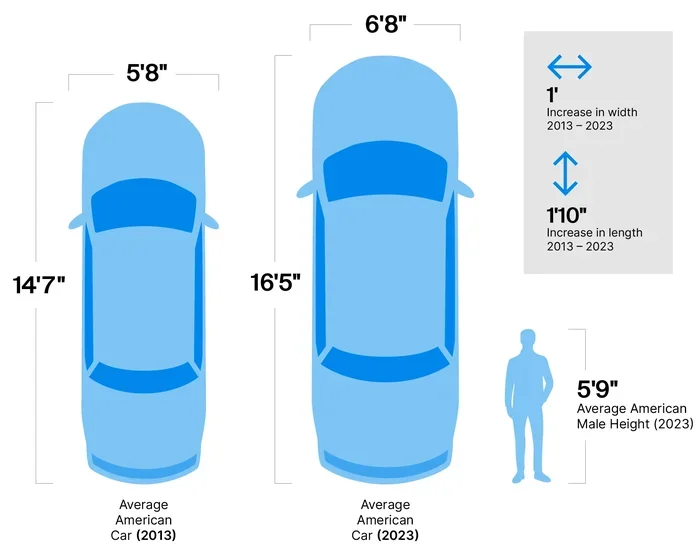
The overall length is the longest point of the vehicle, measured from front to back in millimeters. This is the first number you will see on any spec sheet. For example, a compact hatchback might measure around 4,000 mm, while a full-size SUV could stretch past 5,000 mm.
Length affects parking, maneuverability, and even how the car handles on winding roads. If you drive in a busy city, a shorter overall length is a big win. It makes parallel parking less stressful and helps you navigate narrow streets with confidence.
Overall Width
Width is measured across the car at its widest point — usually the mirrors. Car dimensions in mm for width typically range from about 1,700 mm for small cars to over 2,000 mm for large trucks and SUVs.
Width matters in two big ways. First, it determines how much interior space you have across the seats. Second, it affects whether the car fits through narrow gaps, like parking garage entrances or tight driveways. Always measure your regular parking spots before you buy.
Overall Height
Height is measured from the ground to the highest point of the vehicle. This one often gets overlooked, but it is important. Taller vehicles offer better visibility, but they can have trouble fitting under low-clearance parking structures or garages.
If you park in a covered garage every day, check the height of the entrance. A car that is 1,800 mm tall might fit fine, but 1,950 mm could be a tight squeeze. Always double-check before you commit.
Wheelbase
The wheelbase is the distance between the front and rear wheels, measured in millimeters. This number has a surprising impact on ride quality. A longer wheelbase generally means a smoother, more comfortable ride because there is more space between the axles.
Luxury sedans and large SUVs tend to have longer wheelbases. Compact cars have shorter ones. Neither is better — it depends on what you value. If you love a smooth cruise on highways, a longer wheelbase is worth considering.
Ground Clearance
Ground clearance is the distance between the lowest point of the car and the road surface. It is measured in millimeters and it matters more than most people realize. Higher ground clearance means you can handle speed bumps, dirt roads, and uneven surfaces without scraping the bottom of your car.
SUVs and crossovers usually offer the best ground clearance in the range of 200 mm or more. Sedans and hatchbacks often sit lower, around 120 to 150 mm. If you live in an area with rough roads or lots of snow, this number deserves your full attention.
Turning Radius
The turning radius tells you how tightly a car can turn. It is measured as the diameter of the smallest circle the car can navigate. Smaller numbers mean the car can make tighter turns, which is great for city driving and crowded parking lots.
This is one of those car dimensions in mm details that becomes obvious only after you start driving. If you have ever felt frustrated trying to U-turn on a narrow street, you know why this number matters.
Car Dimensions in mm by Vehicle Type
Not all cars are the same size. Vehicle type plays a huge role in car dimensions in mm. Here is a practical look at how different types of vehicles compare.
Compact Cars
Compact cars are built for city life. They are short, narrow, and easy to park. Typical car dimensions in mm for a compact car include:
- Length: 3,800 to 4,200 mm
- Width: 1,700 to 1,800 mm
- Height: 1,450 to 1,550 mm
- Wheelbase: 2,500 to 2,700 mm
These cars are perfect for first-time buyers, urban commuters, and anyone who values fuel savings. They are easy to maneuver and they fit almost anywhere.
Sedans
Mid-size sedans offer a nice balance of space and drivability. Their car dimensions in mm are slightly larger than compacts:
- Length: 4,500 to 4,900 mm
- Width: 1,800 to 1,900 mm
- Height: 1,450 to 1,550 mm
- Wheelbase: 2,700 to 2,850 mm
Sedans are great for families who need more rear seat room without going full SUV. They offer a comfortable ride and a sleek profile that appeals to a wide range of buyers.
SUVs and Crossovers
SUVs are some of the most popular vehicles on the road today, and their size shows it. Car dimensions in mm for SUVs vary widely depending on the class:
- Compact SUV Length: 4,300 to 4,600 mm
- Mid-Size SUV Length: 4,700 to 5,000 mm
- Full-Size SUV Length: 5,000 mm and above
- Width: 1,850 to 2,050 mm
- Height: 1,650 to 1,850 mm
SUVs give you commanding road presence, high ground clearance, and lots of cargo room. But they also come with trade-offs. They take up more parking space, they use more fuel, and they can be harder to navigate in tight city streets.
Minivans and Large MPVs
Minivans are the space champions of the car world. They are long, wide, and tall by design. Typical car dimensions in mm include:
- Length: 4,800 to 5,200 mm
- Width: 1,900 to 2,050 mm
- Height: 1,750 to 1,850 mm
If you have a big family or you regularly carry lots of gear, a minivan might be your best match. Just make sure your garage and parking spots can handle the size.
Exterior Dimensions and How They Affect Daily Driving
The exterior dimensions of a car shape your real-world experience in ways that go beyond the spec sheet. When we talk about car dimensions in mm from an exterior perspective, we are really talking about how the vehicle interacts with the world around it.
Think about your daily routine. You pull into a parking garage. You navigate a narrow residential street. You squeeze into a spot between two larger vehicles. Every one of these moments is shaped by the car’s exterior measurements.
Here are some practical tips to keep in mind:
- Measure your regular parking spots before you go car shopping. Bring a tape measure if you need to.
- Consider your typical driving routes. Tight city streets reward compact vehicles. Open highways give you more flexibility with size.
- Check garage dimensions carefully. Remember to account for the car’s width, including mirrors, and its height.
- Think about door opening angle. Some cars have wide-opening doors that make entry and exit easier, even if the overall width is similar.
One thing many buyers forget is that car dimensions in mm include mirrors. Mirrors add 100 to 200 mm to the effective width of a vehicle. In tight parallel parking situations, those extra millimeters can make all the difference.
Interior Dimensions: What the Numbers Really Mean for Comfort
Exterior measurements tell you how big the car looks. Interior measurements tell you how it actually feels inside. Both matter, but for different reasons. When you look at car dimensions in mm for interior space, focus on these key areas.
Headroom
Headroom is the vertical distance from the seat to the roof lining. It is measured in millimeters and it has a direct impact on comfort. Taller drivers need at least 1,000 mm of headroom to feel relaxed. Shorter drivers may find that too much space makes the cabin feel empty.
Legroom
Legroom is the horizontal space available for your legs. It is measured from the seat back to the front console. For front-seat passengers, look for at least 1,000 mm of legroom. Rear passengers will appreciate 900 mm or more for comfortable long-distance travel.
Shoulder Room
Shoulder room is the width of space between the two sides of the interior. It affects how comfortably passengers sit next to each other. Narrow shoulder room can make a car feel cramped, even if the exterior width looks generous.
Cargo Space
Cargo space is measured in liters, but the physical dimensions of the cargo area are tied directly to the car’s overall car dimensions in mm. A longer car generally offers more cargo room. A taller car gives you more vertical stacking space. If you regularly carry large items, pay close attention to these numbers.
The bottom line is simple. Interior dimensions matter more than most buyers realize. A car that looks great on the outside but feels tight on the inside will leave you frustrated every single day. Always test the interior space with your own body before you buy.
Common Mistakes Buyers Make with Car Dimensions in mm
Even experienced car shoppers sometimes make mistakes when evaluating car dimensions in mm. Here are the most common ones to avoid.
Skipping the Measurements Entirely
Many buyers rely on photos and first impressions. But a car can look compact in a picture and feel much larger in person. Always check the actual numbers before you visit a dealership.
Ignoring Mirror Width
As mentioned earlier, mirrors add significant width. A car that is 1,750 mm wide might feel fine in an empty parking lot, but the mirrors could make it impossible to fit in a tight parallel spot.
Forgetting About Ground Clearance
Low ground clearance might look sleek, but it can cause real problems on speed bumps, steep driveways, and rough roads. Do not let style override practicality.
Assuming Bigger Is Always Better
A larger vehicle is not automatically a better one. Bigger cars cost more to fuel, harder to park, and sometimes less enjoyable to drive. Match the size to your actual needs.
Not Comparing Across Models
Use a side-by-side comparison approach. When you line up two cars and compare their car dimensions in mm directly, the differences become obvious fast. This is one of the most powerful tools a buyer has.
Quick Tips for Using Car Dimensions When Shopping
Here are some quick, actionable tips to help you use car dimensions in mm effectively during your next shopping trip.
- Write down your priorities first. Decide what matters most to you — parking ease, interior space, highway comfort, or cargo room.
- Bring a notebook or phone. Jot down the dimensions of any car you seriously consider. Compare them later at home.
- Test drive with your daily routine in mind. If you park on a narrow street, try to parallel park during the test drive.
- Check the spec sheet online before you visit. Most manufacturers publish detailed car dimensions in mm on their websites.
- Ask the salesperson about interior measurements. They might not volunteer this info, but it can make a big difference.
- Think about resale value. Cars with moderate dimensions tend to appeal to a broader range of future buyers.
Expert Insight: Why Dimensions Shape the Driving Experience
Experienced car reviewers and automotive engineers will tell you the same thing — car dimensions in mm are the foundation of the driving experience. Every design choice starts with these numbers. The way a car handles, the way it seats passengers, the way it fits into a parking space — it all traces back to the basic measurements.
When you understand these numbers, you gain confidence. You stop relying on brand reputation or looks alone. You start evaluating vehicles on what really matters for your daily life. That shift in mindset can save you from buyer’s regret and help you find a car you will love for years to come.
Take a few minutes to study the dimensions of any car you are seriously considering. Look at the length, width, height, wheelbase, and ground clearance. Compare them to your current vehicle or to models you are thinking about replacing. You will be surprised how much clarity this simple exercise brings.
Conclusion
Car dimensions in mm are not just numbers on a spec sheet. They are the blueprint for your entire driving experience. From parking ease to interior comfort, from highway stability to fuel efficiency, these measurements touch every part of your relationship with your vehicle.
We have covered the core dimensions, explored how they vary by vehicle type, and highlighted the common mistakes buyers make. The goal is simple — give you the knowledge to make a confident, informed choice. The next time you sit down to compare cars, bring these numbers with you. Let the car dimensions in mm guide your decision, and you will drive away with a car that truly fits your life.
Take action today. Pull up the spec sheets, compare the numbers, and visit a dealership with confidence. Your perfect car is out there, and the right dimensions will help you find it.
Frequently Asked Questions
What do car dimensions in mm include?
Car dimensions in mm include the overall length, width, height, wheelbase, and ground clearance of a vehicle. These measurements are taken in millimeters and they define the physical size and proportions of the car. They are found on every manufacturer spec sheet and they help buyers understand how a vehicle will fit into their daily life.
Why are car dimensions in mm important when buying a car?
Dimensions affect parking, comfort, fuel use, and safety. Knowing car dimensions in mm helps you choose a vehicle that fits your garage, your commute route, and your passenger needs. It prevents costly surprises after purchase and ensures the car matches your lifestyle.
How do I measure my parking spot for car dimensions?
Use a tape measure to record the length and width of your regular parking spot. Subtract about 300 mm on each side for easy entry and exit. Compare these numbers to the car dimensions in mm of the vehicles you are considering. This simple step saves a lot of frustration later.
Which vehicle type has the largest car dimensions in mm?
Full-size SUVs and large minivans typically have the biggest car dimensions in mm. They can exceed 5,000 mm in length, 2,000 mm in width, and 1,800 mm in height. Compact cars sit at the opposite end of the scale with much smaller measurements.
Does ground clearance affect daily driving?
Yes, absolutely. Ground clearance determines how well your car handles speed bumps, steep driveways, and rough roads. Higher clearance offers more versatility, while lower clearance works best on smooth, paved surfaces. Check this measurement when comparing car dimensions in mm across models.
Can car dimensions in mm affect fuel economy?
They can. Smaller vehicles with a reduced footprint generally experience less aerodynamic drag and carry less weight. This often leads to better fuel economy. However, engine type, transmission, and driving habits also play important roles in overall fuel use.
=== CONCLUSION ===
Car dimensions in mm are one of the most valuable tools you have as a car buyer. They give you clarity, confidence, and a practical way to compare vehicles side by side. From the overall length that determines parking ease to the interior width that shapes daily comfort, every measurement tells a story about the car you are considering.
Use the tips, tables, and comparisons in this guide to sharpen your shopping approach. Pay attention to the numbers that matter most for your specific needs. And remember — the right car is not always the biggest or the smallest. It is the one whose dimensions align with your life.
Go out there, check the numbers, and find the car that fits you perfectly. Your next great drive starts with understanding car dimensions in mm.