Upgrade Your Car Led Display Screen for Better Driving
A car led display screen transforms how you interact with your vehicle by offering sharper visuals, better readability, and modern features. Whether you want to upgrade your dashboard, add a rear monitor, or enhance your infotainment system, the right car led display screen makes a huge difference. This guide covers everything you need to know, from types and benefits to buying tips and installation advice. Read on to find the best car led display screen for your ride.
Have you ever struggled to read your dashboard at night? Or maybe your current screen looks faded and outdated? A car led display screen can solve all of these problems and more. Upgrading your vehicle’s display is one of the simplest yet most impactful changes you can make. It improves safety, adds style, and brings your car into the modern age.
Many drivers underestimate the power of a good display screen. Your car’s screen is your window to important information. It shows your speed, fuel level, engine warnings, and navigation directions. If that screen is hard to read or looks dull, it affects your entire driving experience. This is exactly why a car led display screen upgrade matters so much.
In this guide, we will walk you through everything you need to know. We will cover the different types of displays available, the benefits of switching to led technology, and how to choose the right one for your car. We will also share practical installation tips and common mistakes to avoid. By the end, you will feel confident about upgrading your vehicle’s display screen.
The world of automotive displays has changed a lot in recent years. Led technology has made screens thinner, brighter, and more energy-efficient. Whether you drive a sedan, truck, or SUV, there is a car led display screen that fits your needs and budget. Let us dive in and explore your options.
Key Takeaways
- Better Visibility: A car led display screen offers brighter, clearer visuals that are easy to read in all lighting conditions.
- Improved Safety: Led displays reduce glare and provide real-time data like speed, fuel, and navigation alerts.
- Multiple Options: You can choose from dashboard screens, infotainment displays, backup monitors, and head-up displays.
- Easy Installation: Most car led display screens are plug-and-play and can be installed without professional help.
- Cost-Effective Upgrade: Upgrading your display screen is one of the most affordable ways to modernize your vehicle.
- Long Lifespan: Led technology lasts longer and uses less power than traditional display screens.
📑 Table of Contents
- What Is a Car Led Display Screen?
- Benefits of Upgrading to a Car Led Display Screen
- Types of Car Led Display Screens Available
- How to Choose the Right Car Led Display Screen
- Installation Tips for Your Car Led Display Screen
- Common Mistakes to Avoid When Upgrading Your Display Screen
- Expert Insights on Car Led Display Screen Upgrades
- Key Takeaways
- Conclusion
What Is a Car Led Display Screen?
A car led display screen is a visual display unit in your vehicle that uses light-emitting diode technology. Unlike older lcd or ccfl screens, led displays use tiny lights that emit brightness directly. This makes them sharper, more colorful, and easier to see in different lighting conditions.
You will find led display screens in many parts of your car. The dashboard instrument cluster is one common location. Many modern vehicles also use led screens for infotainment systems. Backup cameras, navigation units, and even exterior lighting displays often use led technology.
The basic idea is simple. LEDs convert electricity into light very efficiently. This means the screen stays bright without draining your battery. It also means the screen can last for many years without fading or dimming. For drivers, this translates to a clearer view and fewer distractions on the road.
How Led Technology Works in Cars
LED stands for Light Emitting Diode. Each pixel on a car led display screen is made up of tiny diodes. When electricity flows through these diodes, they produce light. The beauty of this technology is that each diode can be controlled independently. This allows for perfect contrast and deep blacks.
In a car, the display screen receives signals from the vehicle’s computer system. The computer sends data about speed, engine status, fuel level, and more. The led screen then renders this information as text, graphics, or animations. Because leds respond instantly, the display feels smooth and responsive.
One major advantage is the wide viewing angle. Traditional screens often look washed out when viewed from an angle. Led displays maintain their clarity even when you are looking at them from the side. This is especially helpful for passengers who may also glance at the dashboard.
Benefits of Upgrading to a Car Led Display Screen
Upgrading your vehicle with a car led display screen brings a range of real benefits. Let us look at the most important ones that matter to everyday drivers.
Better Visibility and Readability
The biggest advantage of an led display is visibility. Led screens are significantly brighter than older display technologies. During the day, you can easily read your speed, fuel gauge, and warnings. At night, the screen adjusts to avoid blinding you with glare.
Many modern car led display screens come with adaptive brightness. This means the screen automatically adjusts based on ambient light. When it is dark outside, the screen dims slightly. When sunlight hits the windshield, it boosts brightness. This smart feature keeps your display easy to read at all times.
For older vehicles, upgrading to an led screen can feel like a completely new dashboard. The colors are richer, the text is sharper, and the overall look is much more modern. Even if your car is a few years old, an led display upgrade can make it feel brand new.
Enhanced Driving Safety
A clear display screen directly contributes to safer driving. When you can quickly read important information, you spend less time looking away from the road. This is especially true for navigation prompts and warning alerts.
Led car display screens also reduce eye strain. If you drive long distances, eye fatigue becomes a real concern. A bright, crisp screen is much easier on your eyes than a dim, flickering one. Over a long road trip, this difference really adds up.
Many led displays also support color-coded alerts. For example, a red warning light is instantly noticeable. A green indicator shows everything is normal. These visual cues help you react faster to potential issues. That extra split-second of awareness can prevent accidents.
Modern Aesthetic and Style
Let us not forget about looks. A sleek car led display screen gives your dashboard a premium feel. It makes your interior look updated and high-tech. If you plan to sell your car, a modern display is a nice selling point.
Customization is another perk. Many led screens allow you to change the color theme. You can pick a theme that matches your car’s interior. Some screens even let you rearrange the layout of your dashboard gauges. This level of personalization was not possible with older display types.
Types of Car Led Display Screens Available
Not all car led display screens are the same. Different types serve different purposes. Understanding your options helps you choose the right one for your vehicle and needs.
Dashboard Instrument Displays
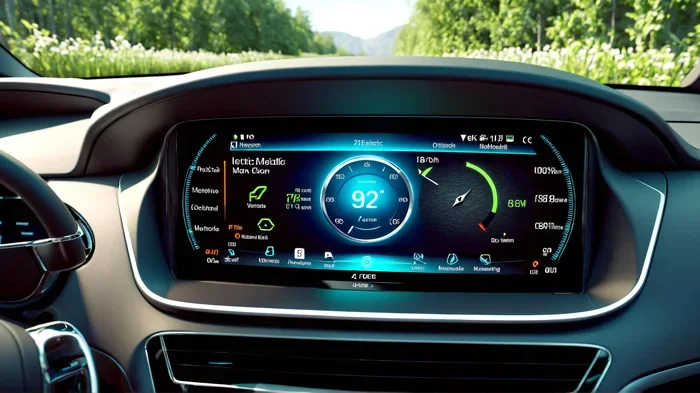
The dashboard instrument display is the most common type of car led display screen. It replaces or upgrades the traditional gauge cluster behind your steering wheel. These displays show your speed, RPM, fuel level, engine temperature, and warning lights.
Full-digital dashboard displays are becoming very popular. They replace all physical gauges with a single led screen. Brands like Audi, BMW, and Tesla have popularized this look. You can now find aftermarket digital dashboards that fit many older vehicles too.
These displays often come with customizable layouts. You can choose what information appears and where it appears on screen. Some even support multiple display modes. You might switch between a simple mode for daily driving and a detailed mode for tracking performance.
Infotainment Center Screens
The infotainment screen is the large display in the center of your dashboard. It controls your audio system, navigation, phone connections, and vehicle settings. Upgrading this screen to an led model brings brighter visuals and smoother touch response.
Many aftermarket infotainment units now come with built-in led displays. These screens often run on Android or Apple operating systems. You can install apps, stream music, and use voice commands. The upgrade turns an old stereo system into a modern smart hub.
Screen size matters a lot here. Common sizes range from 7 inches to 12 inches. Larger screens are easier to see and use. However, you need to make sure the screen fits your dashboard opening. Measuring your current unit before buying is always a smart step.
Backup and Rearview Monitor Screens
A backup camera display is another great place to add an led screen. These screens activate when you shift into reverse. They show a live view behind your vehicle to help with parking and backing up.
Led backup monitors are brighter and clearer than older lcd models. They handle sunlight well, which is important since you often use them in driveways and parking lots. Many models also include dynamic guide lines that adjust as you turn the steering wheel.
Some rearview monitors double as entertainment screens for passengers. You can switch between the camera view and a media player. This adds versatility and makes long trips more comfortable for everyone in the car.
Head-Up Displays (HUD)
A head-up display projects key information onto your windshield. You can see your speed, navigation arrows, and alerts without looking down at the dashboard. This is one of the most advanced types of car led display screen available.
HUD units come in two main forms. Some are built into the vehicle from the factory. Others are aftermarket units that attach to your dashboard or windshield. Aftermarket HUDs are surprisingly affordable and easy to install.
The main benefit is safety. You keep your eyes on the road instead of looking down at gauges. For drivers who frequently use navigation, a HUD is a game-changer. It reduces the need to glance at your phone or dashboard screen repeatedly.
How to Choose the Right Car Led Display Screen
Choosing the right display screen can feel overwhelming with so many options. Here are the key factors to consider before making your purchase.
Screen Size and Resolution
Screen size depends on where you plan to install it. For a dashboard instrument cluster, a smaller screen works best. For an infotainment unit, a larger display is more comfortable to use.
Resolution matters just as much as size. A higher resolution means sharper text and clearer images. Look for screens with at least 1024 by 600 pixels for a good balance of clarity and affordability. If your budget allows, aim for 1920 by 720 or higher for a truly premium look.
Quick Tip: Always measure the available space in your dashboard before ordering. A screen that is too large will not fit properly. A screen that is too small may look out of place.
Compatibility with Your Vehicle
Not every car led display screen fits every vehicle. You need to check compatibility before buying. Start by identifying your vehicle make, model, and year. Then look for screens designed specifically for your car.
Plug-and-play units are the easiest to install. They connect to your existing wiring without cutting or splicing. These are ideal for most DIY enthusiasts. If you are not comfortable with electrical work, a plug-and-play option saves you time and money.
Some advanced displays require a CANbus adapter. This small device helps the screen communicate with your vehicle’s computer system. It ensures that warning lights and alerts work correctly after installation. Check the product description to see if an adapter is included.
Brightness and Anti-Glare Features
Brightness is measured in nits. For a car display screen, look for at least 400 nits. This ensures good visibility even in direct sunlight. Premium screens can reach 700 nits or more for exceptional clarity.
Anti-glare coating is another important feature. Without it, sunlight can wash out your screen and make it hard to read. An anti-glare finish reduces reflections and maintains visibility in bright conditions. This small detail makes a big difference in daily driving.
Quick Tip: If you drive in very sunny areas, prioritize brightness and anti-glare features. They will save you from squinting at your dashboard during bright days.
Budget and Brand Considerations
Car led display screens come in a wide price range. Basic dashboard displays can cost as little as $50 to $100. High-end infotainment units with touchscreens can range from $200 to $800 or more.
Set a realistic budget before shopping. Decide which features matter most to you. Do you need a touchscreen? Do you want built-in navigation? Answering these questions helps you narrow down your choices.
Stick with reputable brands that offer warranties and good customer support. Reading user reviews gives you real-world insight into product quality. Look for brands that specialize in automotive displays rather than generic electronics.
Installation Tips for Your Car Led Display Screen
Installing a car led display screen is easier than most people think. With the right tools and a little patience, you can do it yourself in under an hour.
What You Will Need
Before you start, gather these tools and materials:
- A screwdriver set (Phillips and flathead)
- A trim removal tool to avoid damaging your dashboard
- A wiring harness adapter specific to your vehicle
- A multimeter to test connections
- A clean microfiber cloth for the screen
Step-by-Step Installation Guide
Step 1: Disconnect your car battery. Always start by removing the negative terminal. This prevents electrical shorts and keeps you safe.
Step 2: Remove your old display screen. Use the trim removal tool to gently pry off the bezel or trim piece around the screen. Unscrew the mounting bolts and carefully pull the unit out.
Step 3: Disconnect the wiring harness from the old unit. Take a photo before disconnecting so you remember where each wire goes. This makes reconnection much easier.
Step 4: Connect the new wiring harness to your car led display screen. Match the color-coded wires to their corresponding connections. If your unit came with a CANbus adapter, install it at this stage.
Step 5: Mount the new screen in place. Secure it with the mounting bolts. Make sure it sits flush and does not wobble. Reattach the bezel or trim piece.
Step 6: Reconnect the battery and test the display. Turn on your ignition and check that all functions work. Verify that the display lights up, the touchscreen responds, and all warning indicators are active.
When to Call a Professional
Most car led display screen installations are straightforward. However, some vehicles have complex dashboard electronics that require extra care. If you are unsure about any step, it is perfectly fine to hire a professional. A quick installation job at a local auto shop typically costs between $50 and $150.
Common Mistakes to Avoid When Upgrading Your Display Screen
Even with a simple upgrade, mistakes can happen. Avoiding these common errors saves you time, money, and frustration.
Buying Without Checking Compatibility
The most common mistake is buying a screen without verifying compatibility. A screen that does not match your vehicle’s wiring or mounting dimensions will not work. Always double-check the product specifications against your vehicle details before ordering.
Skipping the CANbus Adapter
Some drivers skip the CANbus adapter to save money or time. This is a mistake. Without the adapter, your warning lights and gauge readings may not function correctly after installation. The adapter is a small investment that prevents big headaches later.
Ignoring Brightness Settings
Many led displays come with adjustable brightness. Some drivers set the brightness too high, which causes glare and eye fatigue. Others set it too low, making the screen hard to read. Take a few minutes to find the sweet spot for your driving conditions.
Not Protecting Your Warranty
If your vehicle is still under warranty, check with your dealer before installing an aftermarket display. In some cases, modifications can void certain parts of your warranty. Being upfront with your dealer protects your long-term investment in the vehicle.
Expert Insights on Car Led Display Screen Upgrades
According to automotive experts, upgrading your display screen is one of the highest-impact, lowest-cost improvements you can make to your vehicle. Unlike engine upgrades or suspension changes, a display upgrade is visible every time you drive. It enhances both the look and function of your car daily.
Industry professionals also emphasize the importance of choosing screens with good color accuracy. The best car led display screens use true-color technology that renders information exactly as intended. This means warning colors look authentic, and navigation maps are easy to interpret at a glance.
Another expert recommendation is to prioritize durability. Your car’s display screen faces extreme temperatures, direct sunlight, and vibration every day. Choose screens rated for automotive use with wide operating temperature ranges. A screen built for the road will last much longer than a generic consumer display.
Key Takeaways
- Better Visibility: A car led display screen offers brighter, clearer visuals that are easy to read in all lighting conditions.
- Improved Safety: Led displays reduce glare and provide real-time data like speed, fuel, and navigation alerts.
- Multiple Options: You can choose from dashboard screens, infotainment displays, backup monitors, and head-up displays.
- Easy Installation: Most car led display screens are plug-and-play and can be installed without professional help.
- Cost-Effective Upgrade: Upgrading your display screen is one of the most affordable ways to modernize your vehicle.
- Long Lifespan: Led technology lasts longer and uses less power than traditional display screens.
Conclusion
Upgrading your car led display screen is one of the smartest investments you can make for your vehicle. The benefits are immediate and noticeable from the moment you turn on the ignition. Your dashboard looks better, information is easier to read, and your driving experience feels more modern and polished.
Whether you choose a digital dashboard, an infotainment upgrade, a backup monitor, or a head-up display, the right car led display screen transforms how you interact with your car. The installation process is straightforward, the cost is reasonable, and the results are long-lasting.
Take the time to research your options, check compatibility, and choose a quality product. Your future self will thank you every time you get behind the wheel. A better display means a better drive. Start your upgrade journey today and experience the difference a car led display screen can make.
Frequently Asked Questions
Can I install a car led display screen myself?
Yes, most car led display screens are designed for DIY installation. Plug-and-play units come with clear wiring instructions and require no cutting. If you are comfortable using basic tools, you can complete the installation in under an hour.
How much does a car led display screen cost?
Prices vary depending on the type and features. Basic dashboard displays start around $50, while premium infotainment units can cost $300 or more. Backup camera monitors and head-up displays fall somewhere in between, typically ranging from $80 to $200.
Will a car led display screen work with my older vehicle?
Yes, many car led display screens are compatible with older vehicles. Aftermarket units are available for a wide range of makes and models. Look for universal-fit options or check compatibility lists from the manufacturer before purchasing.
Are car led display screens durable?
Led display screens are built to last. They handle vibration, temperature changes, and long hours of use very well. Most automotive led displays are rated for 50,000 hours or more of operation, which translates to many years of daily driving.
Do I need special tools to install a car led display screen?
You only need basic tools like screwdrivers and a trim removal tool. A wiring harness adapter makes the process much easier and cleaner. A multimeter is helpful for testing connections but not strictly required for most installations.
Can I connect my phone to a car led display screen?
Many modern car led display screens support Apple CarPlay and Android Auto. These features let you mirror your phone screen, make calls, send messages, and use navigation apps directly on the display. Check the product specifications to confirm phone compatibility before buying.