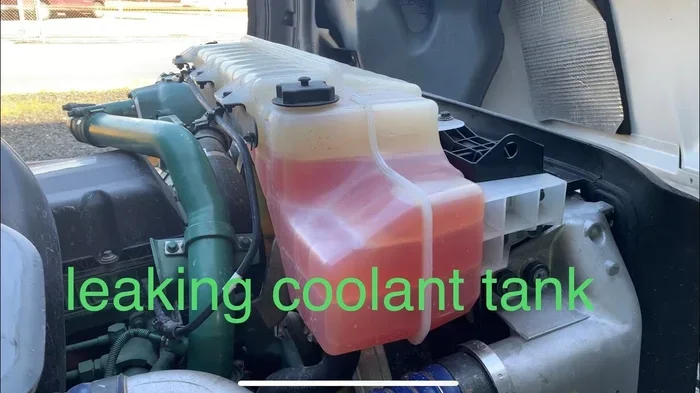
How Many Gallons of Antifreeze Does Your Volvo D13 Hold
The Volvo D13 engine holds approximately 3.5 to 4 gallons of antifreeze coolant, depending on the specific configuration and whether you include the radiator and overflow reservoir. Using the correct coolant type and mixture ratio is essential for preventing overheating and maintaining long engine life. This guide walks you through everything you need to know about Volvo D13 antifreeze capacity, from checking levels to flushing the system.
If you own or operate a Volvo D13 truck, you already know how important it is to keep everything running smoothly. One question that comes up often is: how many gallons of antifreeze does a Volvo D13 hold? It sounds simple, but the answer depends on a few factors. Knowing the right capacity helps you maintain the cooling system properly and avoid costly repairs down the road.
The Volvo D13 is a powerful heavy-duty diesel engine used in many commercial trucks. It generates a lot of heat, and the antifreeze coolant plays a big role in keeping temperatures in check. Whether you are doing a routine check or a full system flush, understanding your coolant capacity is the first step. In this guide, we will break down everything you need to know in plain, simple terms.
Let us dive right in and explore the Volvo D13 antifreeze capacity from top to bottom. By the end, you will feel confident about checking, filling, and maintaining your cooling system like a pro.
Key Takeaways
- Standard Capacity: The Volvo D13 typically holds around 3.5 to 4 gallons of antifreeze coolant.
- Correct Coolant Type Matters: Using Volvo-approved glycol-based coolant ensures compatibility and protection.
- Mix Ratio Is Critical: A 50/50 mix of antifreeze and distilled water is the standard recommendation.
- Regular Maintenance Helps: Flushing and replacing coolant on schedule prevents overheating and corrosion.
- Check Your Manual: Always refer to your specific Volvo D13 model year for exact capacity details.
- Overheating Risks Are Real: Running low on antifreeze can cause serious engine damage over time.
📑 Table of Contents
- Understanding the Volvo D13 Cooling System
- How Many Gallons of Antifreeze Does a Volvo D13 Hold
- What Type of Antifreeze Does the Volvo D13 Use
- How to Check and Refill Your Volvo D13 Antifreeze
- Common Antifreeze Problems With the Volvo D13
- When to Flush and Replace Your Volvo D13 Coolant
- Final Thoughts on Volvo D13 Antifreeze Capacity
Understanding the Volvo D13 Cooling System
The cooling system in a Volvo D13 engine is designed to handle high temperatures and heavy loads. It relies on a mix of water and antifreeze to absorb and dissipate heat efficiently. Without the right amount of coolant, your engine can overheat, leading to serious damage.
How the Cooling System Works
Here is how the system functions in simple terms. Coolant circulates through the engine block and absorbs heat. It then flows through the radiator, where air cools it down. The cooled fluid cycles back into the engine, and the process repeats. This continuous loop keeps your engine running at a safe temperature.
The system includes several key components:
- Radiator: Releases heat from the coolant into the air.
- Water pump: Circulates coolant through the engine.
- Thermostat: Regulates coolant flow based on temperature.
- Overflow reservoir: Stores excess coolant and allows for expansion.
- Hoses and clamps: Connect all the parts together securely.
Each of these parts depends on having enough coolant in the system. If any component fails or the fluid level drops too low, your engine is at risk. That is why knowing your coolant reservoir size and total system capacity matters so much.
How Many Gallons of Antifreeze Does a Volvo D13 Hold
This is the big question, and the answer is more specific than you might think. The Volvo D13 antifreeze capacity varies slightly depending on the model year and configuration. However, the general range is well established.
Standard Antifreeze Capacity
Most Volvo D13 engines hold approximately 3.5 to 4 gallons of antifreeze coolant in the full system. This includes the radiator and the overflow reservoir. Some configurations may hold slightly more or less, so it is always a good idea to double-check with your owner manual.
Here is a quick breakdown of what to expect:
- Radiator capacity: Around 2.5 to 3 gallons depending on the model.
- Overflow reservoir: Holds about 1 gallon or less.
- Total system capacity: Roughly 3.5 to 4 gallons combined.
These numbers give you a solid baseline. But keep in mind that different engine configurations, such as those with additional cooling packages or extended cab setups, may slightly alter the total capacity. Always verify with your specific vehicle documentation.
Why Exact Capacity Matters
Using the wrong amount of antifreeze can cause real problems. Too little coolant means the engine does not get fully protected. This can lead to overheating, especially under heavy loads or in hot weather. Too much coolant can create pressure buildup in the system, potentially damaging hoses and seals.
Getting the gallon capacity right ensures your cooling system works as designed. It also helps you know exactly how much fluid to purchase when you need to refill or flush the system.
What Type of Antifreeze Does the Volvo D13 Use
Not all antifreeze is the same. The Volvo D13 requires a specific type of coolant to function properly and provide long-lasting protection. Using the wrong coolant can lead to corrosion, clogs, and reduced cooling efficiency.
Recommended Coolant Type
Volvo recommends using their proprietary glycol-based antifreeze or an equivalent that meets Volvo specifications. This type of coolant is designed specifically for heavy-duty diesel engines. It offers excellent heat transfer properties and protects against corrosion and freezing.
Here are the key features of the recommended coolant:
- Glycol-based formula: Provides superior heat absorption and freeze protection.
- Extended life: Lasts longer than standard green antifreeze.
- Corrosion inhibitors: Protects metal components inside the cooling system.
- Compatible with seals and hoses: Prevents degradation of rubber components.
Mixing Ratios and Preparation
When mixing antifreeze with water, the standard recommendation is a 50/50 ratio. This means equal parts antifreeze and distilled water. This mixture provides protection down to about negative 34 degrees Fahrenheit and up to 265 degrees Fahrenheit under pressure.
In extremely cold climates, you might go with a 60/40 antifreeze-to-water ratio. But never exceed a 70/30 ratio, as it can actually reduce cooling efficiency. Always use distilled water, not tap water, to prevent mineral buildup in the system.
How to Check and Refill Your Volvo D13 Antifreeze
Checking and refilling your antifreeze is a straightforward task that any truck owner can do. It takes just a few minutes and a few basic tools. Let us walk through the process step by step.
Step-by-Step Refill Process
- Let the engine cool completely. Never open the radiator cap when the engine is hot. Pressurized coolant can cause serious burns.
- Locate the radiator cap and overflow reservoir. The radiator cap is on top of the radiator. The overflow reservoir is a small plastic tank connected by a hose.
- Check the coolant level in the overflow reservoir. The tank will have minimum and maximum markings on the side.
- If the level is low, add the correct antifreeze mixture. Pour slowly to avoid spills.
- Check the radiator level if needed. Some models allow you to open the radiator cap when the engine is completely cool.
- Start the engine and let it run for a few minutes. This helps circulate the new coolant through the system.
- Recheck the levels after the engine cools down. Top off if necessary.
Following these steps ensures you refill correctly and avoid introducing air pockets into the system. Air pockets can cause hot spots and lead to overheating.
Quick Tips for Antifreeze Maintenance
Here are some practical tips to keep your cooling system in top shape:
- Check coolant levels weekly during heavy use or hot weather.
- Always use distilled water when mixing antifreeze.
- Inspect hoses for cracks or leaks during each check.
- Keep a backup jug of pre-mixed coolant in your truck.
- Never mix different coolant types, as this can cause chemical reactions.
- Flush the system every 60,000 to 100,000 miles or per your maintenance schedule.
Regular checks take very little time but can save you from major headaches. Think of it like checking your tire pressure. A small effort that pays big dividends.
Common Antifreeze Problems With the Volvo D13
Even with proper care, cooling system issues can happen. Knowing what to watch for helps you catch problems early before they turn into expensive repairs.
Low Coolant Levels
The most common issue is simply running low on antifreeze. This can happen slowly over time due to minor leaks or evaporation. Signs include a rising temperature gauge, a sweet smell near the engine, or visible puddles under the truck. If you notice any of these, check your coolant level right away.
Overheating Issues
Overheating can result from several causes. Low coolant is the number one culprit. But a faulty thermostat, a failing water pump, or a clogged radiator can also cause overheating. If your engine runs hot, pull over safely and let it cool down before checking the coolant level.
It is worth noting that idling for extended periods can put extra stress on the cooling system. If you regularly let your truck idle for long durations, you may want to review how long a vehicle can idle safely to protect your engine.
Corrosion and Contamination
Over time, coolant can become contaminated with rust, scale, and debris. Old coolant loses its protective properties and can actually cause corrosion inside the system. This is why regular flushes are so important. Fresh antifreeze keeps everything clean and protected.
Just like with other maintenance tasks, staying on top of your schedule makes a huge difference. For example, understanding at what mileage a transmission goes bad can help you plan maintenance alongside your cooling system service. A well-maintained truck is a reliable truck.
When to Flush and Replace Your Volvo D13 Coolant
Flushing and replacing your antifreeze is not something you need to do every month. But it is an essential part of long-term maintenance. Knowing when to do it keeps your cooling system working at its best.
Recommended Flush Intervals
Volvo recommends flushing the cooling system every 60,000 to 100,000 miles, depending on driving conditions and usage. If you operate your truck in extreme heat, dusty environments, or stop-and-go traffic, you may need to flush more frequently.
Here are some signs that it is time for a coolant flush:
- The coolant looks rusty or discolored.
- You notice a sweet smell coming from the engine area.
- The temperature gauge fluctuates more than usual.
- You see sediment or particles in the coolant.
- The heater does not blow warm air as it should.
How to Flush the System
A coolant flush involves draining the old fluid, rinsing the system with clean water, and refilling with fresh antifreeze mixture. You can do this yourself with basic tools, or have a mechanic handle it. Either way, the process is not complicated. Just make sure you bleed all the air out of the system after refilling.
Proper maintenance of your cooling system connects to overall truck health. For instance, knowing how long a car can idle safely helps you avoid putting unnecessary strain on the engine and its cooling components.
Final Thoughts on Volvo D13 Antifreeze Capacity
So, to answer the question directly: your Volvo D13 holds approximately 3.5 to 4 gallons of antifreeze in the full cooling system. This capacity covers the radiator, overflow reservoir, and all connected lines. Keeping your system filled with the right type of coolant at the correct mixture ratio is one of the simplest and most effective things you can do for your truck.
Regular checks, timely flushes, and using the correct Volvo D13 coolant will help your engine run cool and last for hundreds of thousands of miles. Do not wait until you see steam coming from under the hood. Stay proactive with your maintenance, and your Volvo D13 will reward you with reliable performance day after day.
Take a few minutes today to check your coolant level. It is one of those small habits that makes a big difference. Your truck will thank you for it, and your wallet will too.
Frequently Asked Questions
Can I use regular green antifreeze in my Volvo D13?
It is best to use Volvo-approved glycol-based coolant or an equivalent that meets Volvo specifications. Regular green antifreeze may not provide the same level of protection for heavy-duty diesel engines. Always check your owner manual for the recommended type.
How often should I check my Volvo D13 coolant level?
Checking your coolant level weekly during heavy use or hot weather is a good habit. A quick visual check of the overflow reservoir takes only a few seconds and can prevent overheating issues. Make it part of your routine pre-trip inspection.
What happens if I run my Volvo D13 with low antifreeze?
Running low on antifreeze can cause the engine to overheat, which may lead to serious and expensive damage. The cooling system relies on a proper fluid level to regulate temperature effectively. Always top off coolant as soon as you notice a low level.
Can I use tap water to mix with antifreeze?
No, always use distilled water when mixing antifreeze. Tap water contains minerals that can build up inside the cooling system and cause clogs or corrosion. Distilled water keeps the system clean and ensures proper coolant performance.
Is it normal for coolant to get low over time?
A slight decrease can be normal due to minor evaporation or seepage. However, if you notice a significant drop, it could indicate a leak. Inspect hoses, connections, and the radiator for any signs of leakage and address them promptly.
How do I know when it is time to flush my Volvo D13 cooling system?
Signs that a flush is needed include discolored coolant, a rising temperature gauge, or a sweet smell from the engine area. Volvo recommends flushing the system every 60,000 to 100,000 miles. Following this schedule helps prevent buildup and keeps the cooling system running efficiently.
=== CONCLUSION ===
Understanding your Volvo D13 antifreeze capacity is one of the easiest ways to protect your investment. With a standard capacity of around 3.5 to 4 gallons, keeping your system properly filled is straightforward and essential. Use the right coolant type, maintain the correct mixture ratio, and stick to a regular maintenance schedule. Your Volvo D13 will stay cool, run strong, and serve you well for many miles to come. Take action today, and your future self will thank you.