How to Rev a Dodge Charger and Make It Sound Amazing
Revving a Dodge Charger is one of the most thrilling things a car owner can do. Whether you want a deep V8 rumble or a high-pitched scream, this guide shows you exactly how to do it safely and effectively. You will learn the basics, advanced techniques, and upgrades that take your Dodge sound to the next level.
There is something magical about a Dodge Charger sitting still and then letting the engine roar to life. The deep rumble of a V8 or the sharp growl of a turbocharged engine turns heads and gets the heart pumping. If you have ever wanted to learn how to rev a Dodge Charger and make it sound amazing, you are in the right place.
This guide covers everything from the basics of engine revving to advanced techniques and upgrades. Whether you own a classic Dodge Charger or a modern model, you will find practical tips that work. We will walk you through each step in simple terms so anyone can follow along. By the end, you will know exactly how to get the best sound out of your car without causing damage.
Before we dive in, let us talk about what revving actually means. When you rev an engine, you increase the RPM, or revolutions per minute. This makes the engine spin faster and produce a louder, more dramatic sound. It is a simple concept, but doing it right requires some knowledge and care. So let us get into it.
Key Takeaways
- Know Your Engine: Understanding how your Dodge Charger engine works makes revving safer and more effective.
- Follow Safety Rules: Always rev in neutral or park, watch the RPM gauge, and avoid over-revving.
- Use the Right Technique: Gradual throttle input and proper warm-up make a huge difference in sound and engine health.
- Upgrade Your Exhaust: A performance exhaust system dramatically improves the revving sound and overall experience.
- Maintain Your Vehicle: Regular maintenance keeps your Dodge running smooth and sounding great every time you rev it.
📑 Table of Contents
- Understanding Your Dodge Charger Engine
- The Basics of Revving a Dodge Charger
- Advanced Techniques for the Perfect Rev
- Safety Tips for Revving Your Dodge Charger
- Upgrades That Make Your Dodge Charger Sound Amazing
- Maintenance Tips for a Great Revving Experience
- Expert Insights on Engine Sound and Performance
- Conclusion
Understanding Your Dodge Charger Engine
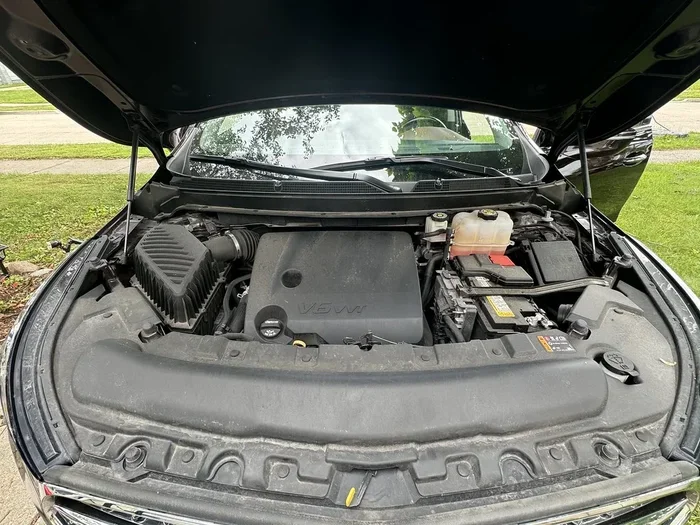
Every Dodge Charger comes with a powerful engine designed for performance. The most popular options include the V6 and the V8 Hemi engine. Each engine type sounds different when you rev it. The V8 Hemi produces that classic deep rumble that muscle car fans love. The V6 engine still sounds great but has a slightly higher pitch.
Knowing your engine type helps you understand what to expect when you rev. The Dodge Charger has been a favorite among car enthusiasts for decades. Its engine design was built for power and sound. When you press the gas pedal, you open the throttle plate, which lets more air into the engine. More air means more fuel gets burned, and that makes the engine spin faster.
The engine RPM is displayed on your dashboard gauge. When you rev, the needle moves up. Each engine has a safe limit called the redline. Going past the redline can cause serious damage. So always keep an eye on that gauge. Most Dodge Chargers have a redline around 6,000 to 7,000 RPM depending on the model year and engine type.
How the Throttle System Works
The throttle body controls how much air enters the engine. When you press the gas pedal, the throttle body opens wider. This lets more air flow into the combustion chambers. The engine computer then adds fuel to match. The result is a faster spinning engine and a louder sound. Modern Dodge Chargers use electronic throttle control, which means the pedal sends a signal to the computer rather than a direct cable connection.
Why the Exhaust System Matters
The exhaust system plays a huge role in how your Charger sounds when you rev. Stock exhaust systems are designed to keep things quiet and meet emissions rules. But aftermarket exhaust systems open up the flow and let the engine breathe freely. This creates a much more aggressive and satisfying sound. If you want to make your Dodge sound amazing, the exhaust is the place to start.
The Basics of Revving a Dodge Charger
Now that you understand the engine, let us cover the basic steps for revving safely. These steps apply to all Dodge Charger models. Follow them every time to protect your engine and get the best sound.
- Start the engine and let it warm up for at least 2 to 3 minutes. Cold engine oil is thick and does not lubricate well. Giving the engine time to warm up protects internal parts.
- Shift the transmission into neutral or park. Never rev the engine in drive. If the car lurches forward, it could cause an accident or damage the transmission.
- Press the gas pedal gently and gradually. Do not slam the pedal. A smooth, steady increase in throttle gives the engine time to respond and produces a cleaner sound.
- Watch the RPM gauge closely. Bring the engine up to about 3,000 to 4,000 RPM for a good sound without risk. You can go higher on some models, but stay below the redline.
- Release the pedal slowly and let the engine return to idle. This lets the engine cool down slightly between revs.
Following these basic steps every time keeps your engine healthy. It also ensures you get the best possible sound each time you rev. Many new Charger owners make the mistake of revving too aggressively too soon. Take it easy at first and you will enjoy the experience much more.
Warm-Up Is Essential
Warming up your engine before revving is not just a suggestion. It is a must. When the engine is cold, the oil has not reached all the moving parts yet. Revving a cold engine causes extra wear on the pistons, bearings, and cylinder walls. Give your Dodge at least a couple of minutes to reach normal operating temperature. You will notice the engine sounds smoother and responds better once it is warm.
Advanced Techniques for the Perfect Rev
Once you have mastered the basics, you can try some advanced techniques that make the experience even better. These methods are popular among Dodge Charger enthusiasts who want maximum sound and performance.
The Two-Step Rev Technique
The two-step technique involves revving the engine in short bursts rather than holding it at high RPM for a long time. You press the gas pedal quickly to about 4,000 RPM, hold it for a second, and then release. Wait a few seconds and repeat. This technique creates a pulsing sound that many car lovers find incredibly satisfying. It also keeps the engine from overheating during extended revving sessions.
Rev Matching for Manual Transmissions
If your Dodge Charger has a manual transmission, rev matching is a skill worth learning. This technique involves matching the engine RPM to the wheel speed when you downshift. It makes for smooth gear changes and produces a great sound as the engine RPM spikes during the downshift. Rev matching also reduces wear on the transmission and clutch components.
Using the Launch Control Feature
Some Dodge Charger models come with a launch control feature. This system holds the engine at the optimal RPM for maximum acceleration. When you release the clutch or brake, the car launches forward with a powerful roar. Launch control not only makes the car go faster but also produces an incredible sound. Check your owner’s manual to see if your model has this feature and how to activate it.
Revving on an Open Road
There is nothing quite like revving a Dodge Charger on an open road with no traffic around. The sound echoes off buildings and hills, creating an immersive experience. If you find a safe, empty stretch of road, try revving at different RPM levels. Listen to how the sound changes as the RPM increases. Each engine has its own unique voice, and exploring that voice is part of the fun.
However, always be mindful of noise ordinances and local laws. Excessive noise can result in fines and disturb neighbors. Rev responsibly and respect your community.
Safety Tips for Revving Your Dodge Charger
Revving a car engine is fun, but safety should always come first. A Dodge Charger has a lot of power, and misuse can lead to engine damage or accidents. Here are some important safety tips to keep in mind.
- Never rev in drive or reverse. Always be in neutral or park. This prevents the car from moving unexpectedly.
- Do not hold the RPM at the redline for too long. Extended over-revving can cause engine overheating, oil breakdown, and internal damage.
- Check your oil level regularly. Clean oil keeps the engine lubricated during high-RPM operation. Low oil can cause catastrophic engine failure.
- Watch the temperature gauge. Revving generates more heat. If the temperature starts climbing, bring the RPM down immediately.
- Be aware of your surroundings. Make sure no people, animals, or obstacles are near the car before you rev.
- Avoid revving in enclosed spaces. Exhaust fumes contain carbon monoxide, which is dangerous in garages or closed areas.
Many people wonder about the safety of letting a car idle for long periods. If you are curious about how long a car can idle safely, you can check out our detailed guide on how long a car can idle safely. It covers the risks and best practices for idling your vehicle.
Common Mistakes to Avoid
Even experienced drivers make mistakes when revving. Here are the most common ones to watch out for:
- Revving a cold engine: This causes metal parts to grind against each other without proper lubrication. Always warm up first.
- Revving in gear: This can cause the car to lurch forward or backward, leading to accidents or collisions.
- Ignoring warning lights: If your check engine light comes on after revving, do not ignore it. Have a mechanic inspect the vehicle.
- Over-revving repeatedly: Doing this frequently wears out engine components faster than normal.
Upgrades That Make Your Dodge Charger Sound Amazing
If you want to take your Dodge Charger sound to the next level, consider these popular upgrades. Each one enhances the engine note and makes revving even more enjoyable.
| Upgrade | Sound Impact | Difficulty Level | Cost Range |
|---|---|---|---|
| Performance Exhaust System | Deep, aggressive tone | Moderate | $500 to $2,000 |
| Cold Air Intake | Louder intake roar | Easy | $150 to $400 |
| Throttle Body Spacer | Enhanced throttle response | Easy | $100 to $300 |
| Cat-Back Exhaust | Rich, full-bodied sound | Moderate | $800 to $2,500 |
| Performance Chip Tune | Sharper engine note | Professional | $300 to $1,000 |
Each upgrade serves a different purpose. A performance exhaust system is the most popular choice among Dodge Charger owners. It replaces the restrictive factory exhaust with larger pipes and better-flowing mufflers. The result is a louder, deeper, and more aggressive sound. Many owners report that a new exhaust system completely transforms the driving experience.
A cold air intake is another great upgrade. It replaces the stock air filter and intake tube with a high-flow version. This allows more cool air into the engine, which improves combustion and produces a more aggressive intake sound. It is one of the easiest upgrades to install and does not require professional help.
How Car Manufacturing Relates to Engine Sound
It is fascinating to think about how Dodge Chargers are built. The manufacturing process involves thousands of man hours to build a single car. Every engine is assembled with precision to deliver both performance and that signature sound. Understanding the effort that goes into building these machines makes you appreciate the engine note even more. If you are curious about the manufacturing process, you can read about how many man hours it takes to build a car and gain a new appreciation for the engineering behind every Dodge Charger.
Similarly, the factory process itself is impressive. Dodge factories work quickly and efficiently to produce these powerful machines. Learning about how long it takes a factory to build a car gives you insight into the production timeline and quality control that goes into every vehicle that rolls off the assembly line.
Maintenance Tips for a Great Revving Experience
Keeping your Dodge Charger in top shape ensures it always sounds amazing when you rev the engine. Regular maintenance is the key to long-lasting performance and sound quality.
- Change your oil every 5,000 to 7,500 miles. Fresh oil keeps the engine running smoothly and reduces wear during high-RPM operation.
- Replace spark plugs on schedule. Worn spark plugs cause misfires and reduce engine performance. New spark plugs keep the engine firing cleanly.
- Check the exhaust system for leaks. A leaking exhaust can change the sound and reduce performance. Inspect the pipes and muffler regularly.
- Clean the throttle body periodically. Carbon buildup in the throttle body can cause rough idle and poor throttle response. A clean throttle body keeps everything running smooth.
- Use quality fuel. Premium fuel burns cleaner and helps maintain engine performance. It also keeps the exhaust system in better condition over time.
Taking care of your Dodge Charger means it will take care of you. A well-maintained engine sounds better, runs smoother, and lasts longer. Make maintenance a habit and your Charger will reward you every time you turn the key.
Expert Insights on Engine Sound and Performance
Car audio experts and Dodge enthusiasts agree that the sound of a revving Charger is one of the best things about owning one. The combination of the engine design, exhaust layout, and intake system creates a unique auditory experience that cannot be replicated by any other vehicle. According to automotive sound specialists, the Hemi V8 engine in the Dodge Charger produces a distinct sound frequency that resonates with fans of muscle cars worldwide.
Experts also recommend upgrading the exhaust system before making any other changes. The exhaust is the final path the sound travels through, and a better exhaust system amplifies the natural engine note. Adding a cold air intake is the next best step because it changes how the engine breathes at idle and under acceleration.
One common question from owners is whether revving the engine frequently causes damage. The short answer is no, as long as you follow the safety guidelines we covered earlier. Occasional revving within the safe RPM range is perfectly fine and actually helps keep the engine components lubricated. The key is moderation and common sense.
Another tip from experienced Dodge owners is to pay attention to the weather. Cold mornings produce a thicker, more dramatic exhaust note. Hot days tend to make the sound slightly quieter. Humidity and altitude also play a role in how your Charger sounds when you rev. This is one of the fun aspects of owning a performance car, and it keeps things interesting no matter the season.
Many people also ask whether the type of fuel affects the sound. While premium fuel does not directly change the exhaust note, it does allow the engine to run at its optimal performance level. This means a cleaner burn, smoother power delivery, and a more consistent sound during revving. Using the recommended fuel grade for your Dodge Charger is always the best choice.
Conclusion
Revving a Dodge Charger is one of the most enjoyable things you can do as a car owner. It connects you to the machine in a way that few other activities can. Whether you are a seasoned enthusiast or a new Charger owner, the techniques and tips in this guide will help you get the most out of your engine. Start with the basics, follow the safety guidelines, and gradually explore advanced techniques and upgrades.
The key to making your Dodge Charger sound amazing is a combination of proper technique, regular maintenance, and smart upgrades. Take care of your engine, invest in quality parts, and always rev responsibly. Your Charger was built to be heard, and with the right approach, it will sound incredible every single time.
So next time you hop into your Dodge Charger, take a moment to let the engine breathe. Press that gas pedal with confidence, listen to the rumble, and enjoy every second. This is what owning a muscle car is all about. Embrace the sound, respect the machine, and keep making memories with your Dodge Charger.
Frequently Asked Questions
Is it safe to rev a Dodge Charger every day?
Occasional revving is perfectly safe and will not harm your engine. However, doing it every day at high RPM can cause extra wear over time. Keep your revs moderate and give the engine time to cool down between sessions. Think of it like exercise for your car, a little is good but too much is not helpful.
What RPM should I rev my Dodge Charger to?
For a safe and satisfying sound, aim for 3,000 to 4,500 RPM. This range gives you a great engine note without pushing the engine too hard. Never exceed the redline on your RPM gauge. The redline varies by model but is usually between 6,000 and 7,000 RPM for most Dodge Chargers.
Can revving my Dodge Charger damage the engine?
Revving within the safe range will not damage a healthy engine. The real risks come from revving a cold engine, exceeding the redline repeatedly, or ignoring warning signs like unusual noises or warning lights. Always warm up your engine first and keep an eye on your gauges while revving.
Does a cold air intake make my Dodge Charger sound louder when revving?
Yes, a cold air intake does make the engine sound louder and more aggressive during revving. It allows more air to flow into the engine, which creates a more pronounced intake sound. This is one of the easiest and most affordable upgrades you can make to enhance your Charger’s engine note.
How long should I warm up my Dodge Charger before revving?
Let the engine idle for 2 to 3 minutes before revving. This gives the oil time to circulate and reach all the internal components. In cold weather, you may want to wait a bit longer. A properly warmed-up engine responds better and sounds richer when you rev it.
What is the best exhaust upgrade for a Dodge Charger?
A cat-back exhaust system is widely considered the best upgrade for improving sound. It replaces the pipes and muffler from the catalytic converter back, giving the engine a deeper and more aggressive tone. Performance axle-back exhausts are another great option that is easier to install and more budget-friendly.
=== INTERNAL LINKS ===