How to Start a Dodge Dakota Without a Key Right Now
Knowing how to start a Dodge Dakota without a key can save you time and money. Whether your key fob died, the ignition lock is damaged, or you lost your key entirely, there are reliable methods to get your Dakota running again. This guide walks you through every option step by step.
There is nothing worse than standing next to your truck, ready to hit the road, and realizing you do not have your key. The Dodge Dakota is a tough, dependable pickup that has been a favorite for decades. But even the best truck can leave you stranded if you lose or break your key. The good news is that you can start a Dodge Dakota without a key using a few different methods. Whether your key fob died, the ignition lock is worn out, or you simply left your keys inside, this guide has you covered.
People search for ways to start a Dodge Dakota without a key every single day. It happens more often than you might think. Keys get lost. Key fobs stop working. Ignition switches wear down after years of use. And sometimes, the anti-theft system just decides to act up for no clear reason. Whatever the cause, knowing your options can make the difference between a quick fix and a long, frustrating wait for a tow truck.
In this article, we will walk you through every practical method you can try at home or in a parking lot. We will also cover when to call a professional and how to prevent this problem from happening again. Let us dive right in.
Key Takeaways
- Hotwiring the ignition: A classic method that works on older Dakota models with manual ignition switches.
- Bypass the ignition switch: You can route power directly to the starter using simple tools and wiring knowledge.
- Use the OBD-II port: Modern Dakotas allow diagnostic tools to reset or reprogram the ignition system.
- Key fob battery replacement: A dead key fob battery is often the real culprit behind a no-start situation.
- Call a professional locksmith: When DIY methods fail, a certified locksmith can cut and program a new key on the spot.
- Prevent future lockouts: Simple habits like carrying a spare key can save you from this headache altogether.
📑 Table of Contents
- Understanding the Dodge Dakota Ignition System
- Method 1: Hotwiring the Dodge Dakota
- Method 2: Bypass the Ignition Switch
- Method 3: Use the OBD-II Diagnostic Port
- Method 4: Replace the Key Fob Battery
- Method 5: Call a Professional Locksmith
- How to Prevent Future Key and Ignition Problems
- Quick Tips for Emergency Situations
- Common Mistakes to Avoid
- Expert Insights
- Conclusion
Understanding the Dodge Dakota Ignition System
Before you try any method, it helps to understand how your Dakota’s ignition system works. The system has several parts that work together to start the engine. When you turn the key or press the start button, the ignition switch sends power to the starter motor. The starter motor then turns the engine over. At the same time, the anti-theft system checks your key or key fob to make sure it is authorized.
Older Dakota models from the 1990s and early 2000s use a traditional mechanical ignition lock cylinder. You insert a physical key and turn it. Newer models use a keyless ignition system with a push-button start. These systems rely on a transponder chip inside the key fob to communicate with the truck’s computer. If the computer does not recognize the chip, it will not let the engine start.
Why Does the Ignition Fail?
Several things can cause your Dakota’s ignition to fail. A worn-out ignition lock cylinder is one of the most common problems. Over time, the internal pins and springs wear down. This makes it hard or impossible to turn the key. Another issue is a dead key fob battery. The transponder chip in your fob needs power to send its signal. Without it, the truck thinks no authorized key is present.
You might also run into a faulty ignition switch. This is the part behind the lock cylinder that actually routes the electrical power. A bad switch can prevent power from reaching the starter motor. And in some cases, the anti-theft system itself can malfunction and lock out the engine even with a working key. Understanding these causes helps you pick the right fix.
Method 1: Hotwiring the Dodge Dakota
Hotwiring is the most well-known method for starting a car without a key. It works best on older Dakota models that have a manual ignition switch. If you own a Dakota from the 1990s or early 2000s, this method may work for you. Newer models have more advanced security systems that make hotwiring much harder or impossible.
What You Will Need
- A flathead screwdriver
- A pair of wire strippers
- Electrical tape
- A wiring diagram for your specific Dakota year
Step-by-Step Hotwiring Process
First, remove the steering column cover. There are usually a few screws holding it in place. Use your screwdriver to take them out. Once the cover is off, you will see the ignition switch and a bundle of wires.
Next, locate the ignition wire and the starter wire. The ignition wire is usually red or yellow. It provides power to the truck’s electrical systems when you turn the key to the “on” position. The starter wire is usually a thicker wire that connects to the starter motor. It is often brown or black.
Strip a small section of insulation from both wires. Touch the ignition wire to the positive battery terminal or another power source. This powers up the dashboard and electrical systems. Then, carefully touch the starter wire to the positive terminal. This sends power directly to the starter motor and cranks the engine.
Once the engine starts, remove the starter wire immediately. You do not want the starter motor to keep running. Hold the ignition wire in place to keep the engine running. Drive carefully to a mechanic or dealership to get the ignition system repaired properly.
Important safety note: Hotwiring should only be done on your own vehicle. Tampering with someone else’s vehicle is illegal and can result in serious charges. Always make sure you have the legal right to start and operate the truck.
Method 2: Bypass the Ignition Switch
If hotwiring does not work or if you do not feel comfortable doing it, you can try bypassing the ignition switch instead. This method involves routing power around the faulty switch to reach the starter motor directly. It works on both older and some newer Dakota models.
How to Bypass the Ignition Switch
Start by locating the ignition switch wiring harness behind the steering column. You will see a connector with several wires. Using a wiring diagram specific to your Dakota year, identify the wire that sends power to the starter relay.
Take a short piece of jumper wire. Connect one end to the battery’s positive terminal. Touch the other end to the starter relay wire momentarily. This sends a surge of power to the starter and cranks the engine. Be very careful with this method. Too much sustained power can damage the starter motor or the wiring harness.
Once the engine is running, disconnect the jumper wire immediately. Drive to a repair shop as soon as possible. A bypass is only a temporary fix. The ignition switch needs to be replaced or repaired by a professional.
When Bypassing Works Best
This method is ideal when the ignition switch itself is faulty but the lock cylinder still works. If you can still insert and turn the key, the bypass gives you a way to get power to the starter without going through the broken switch. It is also useful when the anti-theft system is not engaged and you just need a way to send power to the starter.
Method 3: Use the OBD-II Diagnostic Port
Modern Dodge Dakota trucks come equipped with an OBD-II diagnostic port. This port allows you to connect a scanning tool to the truck’s computer system. In some cases, you can use this tool to reset the ignition system or clear a lockout code that is preventing the engine from starting.
How to Use the OBD-II Port
The OBD-II port on a Dakota is usually located under the dashboard on the driver’s side. It is a small rectangular plug with 16 pins. Connect your OBD-II scanner to the port and turn the ignition to the “on” position (do not start the engine).
The scanner will read any fault codes stored in the truck’s computer. If the anti-theft system has locked out the engine, you may see a specific code related to the immobilizer or transponder system. Some advanced scanners allow you to clear these codes and reset the system.
However, this method has limitations. If the key fob battery is completely dead, the scanner may not be able to communicate with the transponder chip. And if the ignition lock cylinder is physically broken, no amount of computer resetting will fix it. Use this method as one tool in your troubleshooting kit, not a guaranteed solution.
Method 4: Replace the Key Fob Battery
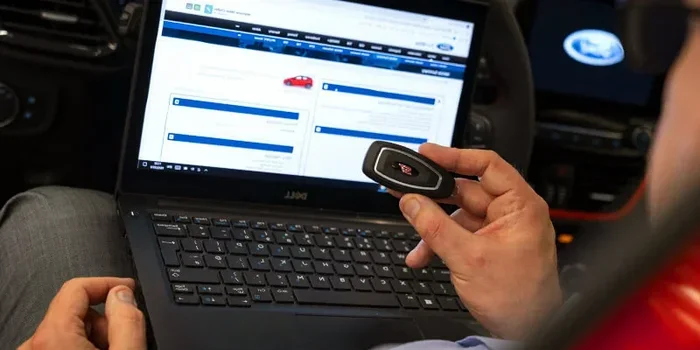
Sometimes the problem is much simpler than you think. If your Dodge Dakota has a keyless entry and push-button start system, a dead key fob battery could be the reason the truck will not start. The transponder chip inside the fob needs a small amount of battery power to send its signal to the truck’s computer. Without that signal, the truck thinks there is no authorized key present.
How to Replace the Key Fob Battery
Open your key fob carefully. Most Dakota key fobs have a small screw or a release button on the back. Use a small flathead screwdriver or a coin to pop it open. Inside, you will find a small coin-cell battery, usually a CR2032.
Remove the old battery and insert a new one. Make sure the positive side faces up. Snap the fob back together and test it. Press the start button with the fob close to the dashboard. The truck should recognize the fob and allow the engine to start.
If replacing the battery does not work, the fob itself may be damaged or the transponder chip may have failed. In that case, you will need a replacement fob. You can get one from a dealership or a locksmith. A locksmith can often program a new fob for less money than the dealership charges.
You might also want to check whether you can replace a car key fob battery yourself for more detailed guidance on this process.
Method 5: Call a Professional Locksmith
When none of the DIY methods work, it is time to call in a professional. A certified automotive locksmith has the tools, training, and experience to handle even the most stubborn ignition problems. They can cut a new key, program a replacement fob, and repair or replace a broken ignition lock cylinder on the spot.
What to Expect from a Locksmith
A locksmith will first diagnose the exact problem. They will check the ignition lock cylinder, the key fob, the transponder chip, and the anti-theft system. Once they know what is wrong, they will explain the fix and the cost before doing any work.
Most locksmiths carry blank keys and fobs in their trucks. This means they can often make and program a replacement right there in your driveway or parking lot. The process usually takes 15 to 30 minutes. It is much faster and often cheaper than towing your Dakota to a dealership.
Locksmiths can also help with transponder key programming. Newer Dakotas require the key fob to be programmed to the truck’s specific computer. A locksmith has the equipment to do this without needing to take the truck to a dealer. If you are dealing with a broken key stuck in the ignition, a locksmith can remove it safely without causing further damage.
You can also learn more about whether a dealership can replace a key if you want to compare your options between a locksmith and a dealership service center.
How to Prevent Future Key and Ignition Problems
The best way to deal with a no-start situation is to prevent it from happening in the first place. A few simple habits can save you a lot of trouble and expense down the road.
Keep a Spare Key
Always keep a spare key in a safe place. Give a copy to a trusted family member or friend. Store the spare in a different location from your primary key. If you lose your main key, the spare gets you back on the road quickly.
Replace Key Fob Batteries Regularly
Do not wait for the key fob to die completely. Replace the battery every 12 to 18 months. Most key fobs give you a warning signal when the battery is low. Pay attention to it. If your truck is harder to start or the keyless entry is sluggish, it is probably time for a new battery.
Protect the Ignition Lock Cylinder
Avoid putting heavy pressure on the key when it is in the ignition. Do not hang heavy keychains or accessories on it. The weight can wear down the lock cylinder over time. If you notice the key becoming hard to turn, have the ignition checked before it completely fails.
Keep the Electrical System in Good Shape
A weak battery can cause all sorts of starting problems. Have your battery tested regularly, especially before winter. Clean the battery terminals to prevent corrosion. A healthy electrical system makes everything else work better, including your ignition and key fob systems.
For more information on how long your vehicle’s electrical components last, you might find it helpful to read about how long a car can idle safely and what it means for your truck’s overall health.
Quick Tips for Emergency Situations
- Stay calm: Panic makes everything harder. Take a deep breath and work through the steps one at a time.
- Check the basics first: Make sure the gear shift is in Park (for automatics) or Neutral (for manuals). A simple gear position issue can prevent starting.
- Tap the steering wheel: Sometimes the steering lock jams slightly. A gentle tap while turning the key can free it up.
- Keep a portable jump starter: A small jump starter pack in your truck bed can solve many electrical problems, including a dead key fob battery if you can swap it temporarily.
- Know your Dakota’s year: Different years have different systems. Knowing your exact model year helps you choose the right method.
Common Mistakes to Avoid
When trying to start a Dodge Dakota without a key, people often make mistakes that cause more harm than good. Avoid these common errors.
- Forcing the key: If the key does not turn easily, do not force it. You risk breaking the key inside the lock cylinder, which makes the problem much worse.
- Using the wrong wires: When hotwiring or bypassing, touching the wrong wires can fry the electrical system. Always use a wiring diagram specific to your Dakota year.
- Ignoring the anti-theft system: Modern Dakotas have sophisticated immobilizer systems. Trying to bypass them without understanding how they work can trigger a permanent lockout.
- Skipping the key fob battery: Many people jump straight to complex methods when a simple battery replacement would have solved the problem.
- Trying DIY methods on a financed truck: Some financing agreements require you to use authorized dealers for repairs. Check your contract before attempting any ignition bypass.
Expert Insights
Experienced mechanics and locksmiths agree that the most common reason a Dodge Dakota will not start without a key is a dead key fob battery. It is the easiest fix and the one most people overlook. Before trying anything complicated, always check the battery first.
Professional locksmiths also recommend keeping a physical spare key separate from your key fob. Key fobs can fail electronically while the physical key still works perfectly. Having both options gives you a backup plan for any situation.
Another expert tip is to familiarize yourself with your specific Dakota model’s wiring diagram. Every year and trim level has slight differences. A wiring diagram specific to your truck takes the guesswork out of any hotwiring or bypass attempt. You can find these diagrams in the owner’s manual or online forums dedicated to Dodge Dakota owners.
If you are curious about how other vehicles handle no-key situations, you can explore whether you can start an ignition without a key across different vehicle brands and models.
Conclusion
Knowing how to start a Dodge Dakota without a key gives you confidence and independence. Whether you use the hotwiring method, bypass the ignition switch, reset the system through the OBD-II port, replace the key fob battery, or call a locksmith, you now have multiple options at your fingertips. Each method has its place depending on your Dakota’s year, the type of problem, and your comfort level with DIY repairs.
Remember to always work safely and only perform these steps on your own vehicle. Prevention is your best long-term strategy. Keep a spare key, replace your key fob battery regularly, and take care of your ignition system. These simple habits will keep your Dakota running strong and help you avoid the frustration of a no-start situation ever again.
If you find yourself stuck and none of these methods work, do not hesitate to reach out to a professional locksmith or your local dealership. They have the expertise to handle even the most challenging ignition problems. Your Dakota is a tough truck, and with the right knowledge, you can keep it on the road for years to come.
Frequently Asked Questions
Can I hotwire a Dodge Dakota without any tools?
It is possible but not recommended. You need at least a flathead screwdriver and wire strippers to safely hotwire the ignition. Attempting to hotwire without proper tools increases the risk of damaging the electrical system or injuring yourself. Always have the right tools before you start.
Will hotwiring void my Dodge Dakota warranty?
Yes, hotwiring or bypassing the ignition system can void your warranty. Manufacturers consider unauthorized ignition tampering as misuse of the vehicle. If your Dakota is still under warranty, it is best to contact a dealership or authorized service center for any starting problems.
How much does it cost to replace a Dodge Dakota ignition lock cylinder?
The cost typically ranges from $150 to $350 depending on the year and model. This includes parts and labor. A locksmith may charge less than a dealership for the same repair. Getting a quote from both sources helps you find the best price.
Can a dead key fob battery prevent my Dakota from starting?
Absolutely. A dead key fob battery means the transponder chip cannot send its signal to the truck’s computer. The truck will not recognize the fob as an authorized key and will refuse to start. Replacing the battery is a quick and inexpensive fix that solves this problem in most cases.
Is it legal to bypass the ignition on my own Dodge Dakota?
Yes, it is legal to bypass the ignition on your own vehicle for emergency purposes. However, you should have the work done properly by a professional as soon as possible. A bypass is only a temporary solution and should not be a permanent fix.
What should I do if my key breaks off in the ignition?
Do not try to pull the broken key out with pliers or other tools. You risk pushing it deeper into the lock cylinder. Instead, contact a locksmith who has specialized tools to extract the broken key safely. They can also cut and program a replacement key on the spot.