How to Turn On AC in a Buick Enclave Quickly and Easy
Turning on the AC in a Buick Enclave is simple once you know the right steps. Whether you drive a 2018, 2020, or 2023 model, this guide walks you through every climate control feature. You will learn how to use the auto climate system, adjust rear vents, and troubleshoot common AC problems in minutes.
Key Takeaways
- Easy Climate Controls: The Buick Enclave has a user-friendly AC system that lets you cool the cabin fast with just a few button presses.
- Dual-Zone and Tri-Zone Options: Higher trims offer multi-zone climate control so every row stays comfortable.
- Quick Start Tips: Start the engine, press the AC button, set your desired temperature, and adjust fan speed for instant cool air.
- Common Issues: Weak airflow, warm air, or strange noises often have simple fixes you can do at home.
- Maintenance Matters: Regular cabin air filter changes and refrigerant checks keep your Buick Enclave air conditioning running strong all year.
📑 Table of Contents
- How to Turn On AC in a Buick Enclave Quickly and Easy
- Understanding Your Buick Enclave Climate Control System
- Step-by-Step Guide to Turning On the AC
- Advanced Climate Control Features
- Common AC Problems and How to Fix Them
- Tips to Keep Your Enclave AC Running Strong
- Quick Tips for Maximum Cooling
- When to See a Professional
- Conclusion
How to Turn On AC in a Buick Enclave Quickly and Easy
Summer heat can turn your Buick Enclave into an oven. The good news is that turning on the air conditioning is quick and straightforward. Whether you are dealing with a scorching afternoon or a humid morning commute, your Enclave’s climate system is designed to cool you down fast. This guide covers everything you need to know about Buick Enclave air conditioning. You will learn the exact steps, explore advanced settings, and find tips to keep your cabin cool all season long.
Many drivers skip reading the manual and end up struggling with basic features. That is why we put together this simple walkthrough. We will cover every model year and trim level. By the end, you will feel confident using your Buick Enclave climate control like a pro. Let us dive in and get you cool.
Understanding Your Buick Enclave Climate Control System
The Buick Enclave comes with a modern auto climate system that manages temperature, fan speed, and airflow distribution. Depending on your trim level, you may have dual-zone or tri-zone climate control settings. This means the driver, front passenger, and rear passengers can each set their preferred temperature. Understanding how the system works helps you use it more effectively.
Key Components of the AC System
Your Buick Enclave’s air conditioning system has several important parts. The compressor pressurizes refrigerant to cool the air. The blower motor pushes that cool air through the vents. The cabin air filter traps dust and allergens before they reach you. When any of these parts fail, your AC not blowing cold problem starts. Knowing the basics helps you troubleshoot smarter.
- Compressor: The heart of your cooling system. It circulates refrigerant through the system.
- Blower Motor: Controls airflow strength from the vents and defroster.
- Cabin Air Filter: Keeps the air inside your cabin clean and fresh.
- Temperature Sensors: Monitor cabin and outside temperatures for automatic adjustments.
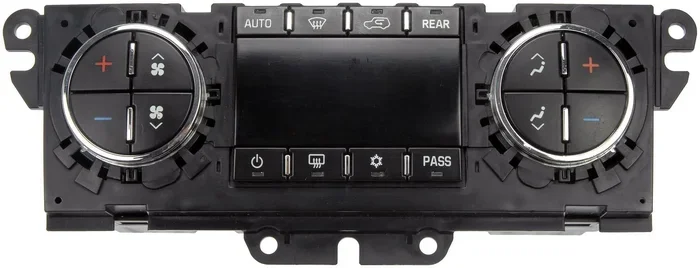
- Control Panel: Where you set temperature, fan speed, and mode.
Step-by-Step Guide to Turning On the AC
Starting your AC in a Buick Enclave takes just a few seconds. Follow these simple steps whether you have a newer touchscreen model or a traditional control panel. The process is nearly identical across all model years from 2008 to 2024.
Step 1: Start the Engine
First, make sure your Enclave is running. Press the start button or turn the key. The AC compressor needs the engine running to work properly. You can turn on the AC while the engine idles, but avoid leaving it idling for long periods. If you want to learn more about safe idling times, check out our guide on how long a car can idle safely.
Step 2: Press the AC Button
Locate the AC button on the control panel. It usually has a snowflake icon. Press it once. You should see the AC indicator light up on your display. This activates the compressor and starts cooling the refrigerant. On some models, the system defaults to recirculate mode, which cools the cabin faster by reusing already-cooled air.
Step 3: Set Your Desired Temperature
Use the temperature controls to set your preferred cabin temperature. Turn the dial or tap the screen to go cooler. Most drivers find 68 to 72 degrees Fahrenheit comfortable. The Buick Enclave climate control system will work hard to reach that target temperature. If you have tri-zone climate, set a different temperature for the rear seats.
Step 4: Adjust Fan Speed
Increase the fan speed to get cool air moving faster. Start at a higher setting to cool the cabin quickly, then reduce it to a comfortable level. The blower motor pushes air through the vents at the speed you select. On hotter days, keep the fan at a medium-high setting for the best cabin cooling results.
Step 5: Choose the Air Distribution Mode
Your Enclave lets you choose where the air flows. Options include face vents, floor vents, and windshield defroster. For maximum comfort, use the face vent mode during driving. For a more even cool-down, use the mix mode that combines face and floor airflow. The rear climate vents are especially helpful for keeping backseat passengers comfortable.
Advanced Climate Control Features
Higher trims of the Buick Enclave come with extra comfort features. These advanced settings give you more control over your cabin environment. Let us look at what your Enclave might offer.
Multi-Zone Climate Control
If your Enclave has tri-zone climate control settings, the driver, front passenger, and rear occupants can each set their own temperature zone. This is a game-changer for families. The driver can stay cool while the rear passengers enjoy a warmer setting. You can adjust each zone independently through the control panel or touchscreen.
Rear Climate Vents
The rear seats in the Buick Enclave often have their own vents. These are controlled separately from the front zone. Use them to direct cool air toward the backseat. This is especially useful when rear climate vents are needed on hot road trips. Kids and pets in the back will appreciate the extra airflow.
Auto Mode and Smart Climate
Many Buick Enclave models include an Auto mode on the climate controls. When you press Auto, the system automatically adjusts fan speed, temperature, and airflow distribution. It uses the temperature sensors to monitor cabin conditions and make real-time adjustments. This is the easiest way to maintain a consistent, comfortable cabin temperature without manual tweaking.
Common AC Problems and How to Fix Them
Even a well-maintained air conditioning system can develop issues over time. Many common problems have simple solutions. Here are the most frequent AC complaints Enclave owners face and how to address them.
AC Blowing Warm Air
If your AC blows warm air, the most common cause is low refrigerant. The AC refrigerant level drops over time, especially in older vehicles. You can check the refrigerant level with a gauge kit from an auto parts store. If it is low, a recharge kit can restore cooling power. However, a refrigerant leak needs professional repair to fix the source.
Weak or No Airflow
Weak airflow usually points to a clogged cabin air filter. The blower motor struggles to push air through a dirty filter. Replace the cabin air filter every 15,000 to 20,000 miles for best results. The filter is typically located behind the glove box. Replacing it is a quick DIY job that takes about five minutes.
Strange Noises From the Vents
Rattling or squealing noises often come from the blower motor or a loose vent component. Check for debris around the vents first. Sometimes leaves or small objects get lodged in the vent grille. If the noise continues, the blower motor may need lubrication or replacement. A mechanic can diagnose the exact cause quickly.
AC Works Only on Defrost Mode
This issue usually stems from a blend door actuator malfunction. The actuator controls which vents receive airflow. When it fails, the system defaults to defrost mode. Replacing the actuator is a relatively affordable repair. A qualified technician can install a new one in under an hour.
Tips to Keep Your Enclave AC Running Strong
Prevention is always better than repair when it comes to Buick Enclave maintenance. A few simple habits can extend the life of your air conditioning system and keep it performing at its best.
- Change the Cabin Air Filter Regularly: A clean filter ensures proper airflow and clean air quality. Replace it every 15,000 to 20,000 miles.
- Run the AC Regularly: Even in winter, run the AC for a few minutes each month. This keeps the compressor lubricated and prevents seals from drying out.
- Check Refrigerant Levels Annually: Low refrigerant strains the entire system. Have a professional check levels during your annual service.
- Park in the Shade: Parking in shade reduces the initial heat load on your AC system. Your cabin cooling starts faster and uses less fuel.
- Use Recirculate Mode on Hot Days: Recirculating already-cooled air is more efficient than pulling in hot outside air. Switch to recirculate once the cabin is cool.
- Keep Vents Clear: Make sure nothing blocks the vents inside your cabin. Items on the dashboard can redirect airflow away from passengers.
Some drivers wonder whether running the AC affects fuel economy. The answer is yes, but only slightly. The engine powers the compressor, so there is a small fuel cost. However, the comfort and safety benefits far outweigh the minor fuel impact. If you are curious about how long you can safely let your car run with the AC on, our article on how long a car can idle safely offers detailed guidance.
Quick Tips for Maximum Cooling
Want to cool down your Buick Enclave in record time? Try these proven tips that work every time. They are simple, effective, and require no special tools.
- Open the windows for 30 seconds before turning on the AC. This releases the hot air trapped inside the cabin.
- Start with the highest fan speed and the coldest temperature. Once the cabin cools, reduce the fan speed for comfort.
- Use recirculate mode after the initial hot air is flushed out. This recools the air faster.
- Direct airflow to the feet initially. Cool air naturally sinks, so this helps drop the cabin temperature faster.
- Switch to face vents once the cabin reaches your desired temperature for a more comfortable breeze.
These quick cooling tricks work on every Buick Enclave model year. They are especially helpful on those brutally hot summer days when you climb into a scorching vehicle. The difference is noticeable within just a minute or two of following these steps.
When to See a Professional
Most AC issues are minor and fixable at home. But some problems need a trained technician. If you notice any of the following signs, schedule a service appointment right away. A car AC troubleshooting visit can save you from a costly breakdown later.
- The AC blows warm air even after a refrigerant recharge.
- You hear grinding or squealing sounds from under the hood.
- The AC compressor clutch does not engage at all.
- You smell a musty or burning odor from the vents.
- The temperature gauge rises when the AC is running.
These symptoms could indicate a serious issue with the vehicle cooling system. Ignoring them may lead to compressor failure or other expensive repairs. A professional diagnostic test pinpoints the exact cause and saves you time and money in the long run.
Some owners also ask whether their Enclave’s AC performance relates to how long the vehicle has been sitting. If your car sits unused for extended periods, the AC system can develop issues. To understand more about this, read our article on how long a hybrid can sit without being driven, which covers general vehicle sitting concerns.
Conclusion
Knowing how to turn on AC in a Buick Enclave is a basic skill that every owner should master. Your Enclave’s climate control system is designed to keep you comfortable in any weather. From the simple step of pressing the AC button to using advanced multi-zone settings, you now have the full picture. Regular maintenance, smart usage habits, and quick troubleshooting keep your AC running at peak performance all year round.
Do not let summer heat ruin your driving experience. Follow the steps in this guide and enjoy a cool, comfortable ride every time you get behind the wheel. Your Buick Enclave is built to deliver, and with the right care, its air conditioning system will serve you well for years to come. Stay cool out there.
Frequently Asked Questions
Why is my Buick Enclave AC not blowing cold air?
The most common reason is low refrigerant or a clogged cabin air filter. Check the refrigerant level and replace the air filter first. If the problem persists, the compressor or blower motor may need inspection by a professional.
How do I use the rear climate controls in a Buick Enclave?
Higher trims come with rear climate vents and separate controls. Use the rear zone button on the console or touchscreen to adjust the temperature for the backseat passengers independently from the front zone.
Can I run the AC while my Buick Enclave is idling?
Yes, you can run the AC while idling. However, avoid extended idling periods as it wastes fuel and can cause engine buildup. For safe idling durations, refer to our guide on how long a car can idle safely.
How often should I change the cabin air filter in my Enclave?
Replace the cabin air filter every 15,000 to 20,000 miles, or more often if you drive in dusty or polluted areas. A clean filter ensures strong airflow and clean cabin air.
Does running the AC in a Buick Enclave reduce fuel economy?
Yes, running the AC uses engine power and slightly reduces fuel economy. However, the impact is minimal compared to the comfort and safety benefits of a properly functioning cooling system.
What should I do if my Enclave AC makes a rattling noise?
First, check the vents for debris or loose objects. If the noise continues, the blower motor or a vent component may be loose. Have a mechanic inspect the system to prevent further damage to the air conditioning system.