Where Is the Battery Located in a 2001 Buick LeSabre
The battery in a 2001 Buick LeSabre sits in the engine bay on the driver side, secured under a plastic cover. Knowing the exact battery location makes maintenance, testing, and replacement quick and painless. This guide walks you through every step with clear instructions and helpful tips.
Key Takeaways
- Battery Location: The battery is on the driver side of the engine bay, near the front of the car.
- Easy Access: You can reach the battery after removing a simple plastic cover held by a few clips.
- Battery Size: The 2001 LeSabre uses a Group 35 battery, which is a standard size found at most auto parts stores.
- Corrosion Is Common: Older LeSabres often show battery terminal corrosion, which affects performance.
- Safety First: Always disconnect the negative cable first when working on the battery.
- Testing Matters: You can test the battery with a multimeter to check if it still holds a charge.
- Replacement Is Straightforward: Swapping out the battery takes about 20 minutes with basic tools.
📑 Table of Contents
- The Battery Location in a 2001 Buick LeSabre
- What You Will Find Inside the Battery Compartment
- How to Identify the Battery in Your LeSabre
- Common Battery Problems in the 2001 Buick LeSabre
- How to Replace the Battery in a 2001 Buick LeSabre
- Battery Maintenance Tips for Your LeSabre
- When to Replace Your Battery
- Final Thoughts
The Battery Location in a 2001 Buick LeSabre
If you own a 2001 Buick LeSabre, you will need to know where the battery lives. The battery is the heart of your car’s electrical system. Without it, nothing starts. No lights, no radio, no engine cranking. It is that important.
So where exactly is it? The battery in a 2001 Buick LeSabre sits in the engine bay on the driver side. Pop the hood and look toward the front-left corner. You will see a rectangular box with two cables attached to it. That is your battery.
Before you go reaching for it, there is a plastic cover over the battery. This cover protects the battery from debris and looks clean under the hood. You will need to remove this cover first. It usually clips in place, so a gentle pull or a flathead screwdriver will do the trick.
Once the cover is off, the battery is fully visible. You will see the positive terminal on one side and the negative terminal on the other. A hold-down clamp keeps the battery from moving. There are also battery cables connected to each terminal. These carry power to and from the starter motor and the rest of the car.
Knowing the battery location in your LeSabre gives you a big advantage. Whether you need to jump-start the car, test the voltage, or swap in a new battery, you will not be searching around. Everything is right where you expect it to be.
Why the Battery Location Matters
The placement of the battery in the 2001 LeSabre is not random. Engineers placed it on the driver side for a few good reasons. First, it keeps the battery away from the engine heat. Second, it makes the battery easy to reach for maintenance. Third, it balances the weight of the car.
When you know where your battery is, you can also check for corrosion. Corrosion builds up over time. It looks like a white or greenish powder around the terminals. If you ignore it, your car might not start one morning. Regular checks keep this from happening.
Another reason the location matters is safety. The battery produces hydrogen gas. It also contains sulfuric acid. Working near it requires care. Always wear gloves and eye protection. Keep sparks away from the battery. These are simple precautions, but they matter a lot.
What You Will Find Inside the Battery Compartment
Once you open the hood of your 2001 Buick LeSabre and remove the battery cover, you will see several components grouped together. Let us walk through what each part does.
The battery itself is the largest piece. It is a Group 35 battery. This is a standard size used in many GM vehicles. The battery weighs about 40 pounds. It contains six cells that produce 12 volts of electricity. This power starts the engine and runs all the electronics.
Connected to the battery are two cables. The positive cable is red. It connects to the positive terminal, marked with a plus sign. The negative cable is black. It connects to the negative terminal, marked with a minus sign. These cables carry electrical current to and from the battery.
There is also a ground strap. This strap connects the negative terminal to the car frame. It completes the electrical circuit. Without a proper ground, your car will not run correctly. Check this strap if you have electrical problems.
The hold-down clamp sits on top of the battery. It keeps the battery from shifting while you drive. A loose battery can damage the terminals or even crack the case. Make sure the clamp is tight at all times.
Battery Terminal Connections
The battery terminals are where the cables attach. Over time, these connections can loosen. Corrosion also builds up on the terminals. Both of these problems reduce electrical flow. You can clean the terminals with a wire brush and a baking soda solution.
When disconnecting the battery, always remove the negative cable first. When reconnecting, attach the positive cable first. This prevents short circuits. It is a simple rule, but it keeps you safe.
How to Identify the Battery in Your LeSabre
If you are not sure you have found the battery, here are a few tips. The battery is on the driver side of the engine bay. It is near the front of the car, close to the radiator. It is a rectangular box with two posts sticking up from the top.
The positive post is slightly larger than the negative post. The positive cable is red, and the negative cable is black. The battery also has a label on top. This label shows the voltage and the group size. For the 2001 LeSabre, the label should say Group 35.
If you still cannot find it, look for the cables. Follow the thick red and black cables from the starter motor. They lead directly to the battery. You cannot miss it once you follow the cables.
Some people confuse the battery with other components in the engine bay. The fuse box is nearby, but it is smaller and has a plastic lid. The alternator is also close, but it has a pulley on the front. The battery is the only component with two posts and cables on each side.
Common Battery Problems in the 2001 Buick LeSabre
Like any car, the 2001 LeSabre has its share of battery issues. These problems become more common as the car ages. Here are the most frequent ones you might run into.
Corroded Battery Terminals
Corrosion is the number one enemy of car batteries. It looks like a crusty white or blue-green buildup around the terminals. This buildup blocks the electrical connection. Your car might crank slowly or not at all.
Corrosion happens because of acid leaks and temperature changes. It is very common in older cars. You can clean it with a mixture of baking soda and water. Use a wire brush to scrub the terminals clean. Apply a thin layer of petroleum jelly afterward to prevent future corrosion.
Dead Battery After Sitting
If your LeSabre sits for a long time, the battery can die. A battery needs regular use to stay charged. If you do not drive the car for weeks, the battery slowly loses its charge. This is especially true in cold weather.
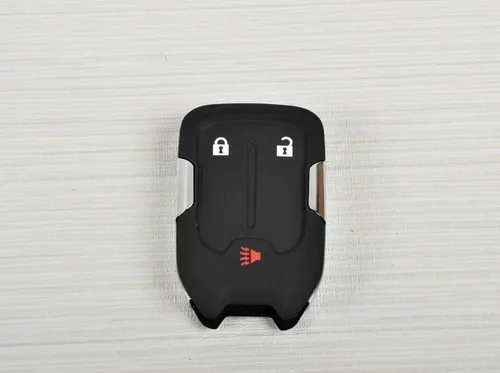
A bad key fob battery can also drain your car battery over time. The key fob sends a weak signal that keeps the car’s computer awake. If the fob battery is weak, the car works harder to stay connected. This slowly drains the main battery.
Battery Not Holding a Charge
Sometimes the battery looks fine but does not hold a charge. You jump-start the car, and it works fine. But the next morning, it is dead again. This usually means the battery is old and needs replacement. A healthy battery should hold a charge for days.
You can test this with a multimeter. Set the multimeter to DC voltage. Touch the red probe to the positive terminal and the black probe to the negative terminal. A good battery reads 12.6 volts or higher. If it reads below 12.4 volts, the battery is weak.
You can also take the battery to an auto parts store. Most stores will test it for free. They use professional equipment that gives a full diagnostic. This is the easiest way to know if your battery is still good.
How to Replace the Battery in a 2001 Buick LeSabre
Replacing the battery in your LeSabre is one of the easiest DIY jobs you can do. You do not need special tools or mechanical skills. Here is how to do it step by step.
Step 1: Gather Your Tools
You will need a few basic tools. A 10mm wrench works for most battery terminals. You may also need a 13mm wrench for the hold-down clamp. Wear safety gloves and eye protection. Keep a cloth nearby to wipe up any spills.
Step 2: Disconnect the Cables
Start by disconnecting the negative cable first. Use the wrench to loosen the nut on the negative terminal. Pull the cable off and tuck it away from the battery. Next, disconnect the positive cable the same way.
Always remove the negative cable first. This prevents accidental short circuits. If you touch a metal tool to the positive terminal while the negative cable is still connected, you could create a spark. That spark can ignite hydrogen gas from the battery.
Step 3: Remove the Hold-Down Clamp
Once both cables are off, look at the top of the battery. You will see a metal clamp holding the battery in place. Use your wrench to loosen the clamp bolt. Lift the clamp off and set it aside.
Step 4: Remove the Old Battery
The old battery is heavy. Lift it straight up and out of the tray. Be careful not to tip it. Battery acid can spill if the battery tilts too much. Place the old battery on a flat surface or in a battery carrying tray.
If you need a new battery, look for a Group 35 battery. This is the correct size for the 2001 LeSabre. You can find one at any auto parts store or online. Make sure the new battery has the same or higher cold cranking amps rating.
Step 5: Install the New Battery
Place the new battery in the tray. Make sure the terminals face the correct direction. The positive terminal should be on the same side as the old battery. Lower the battery into the tray and secure the hold-down clamp.
Now connect the cables in reverse order. Attach the positive cable first and tighten the nut. Then attach the negative cable and tighten it. Apply a small amount of dielectric grease to each terminal. This protects against future corrosion.
Step 6: Test the New Battery
Start the car to make sure everything works. The engine should crank quickly and smoothly. If it hesitates, check the cable connections. Make sure they are tight and clean.
You can also use a multimeter to test the new battery. A fully charged battery should read 12.6 volts or higher. If it reads lower, the battery may need a full charge before it is ready.
Battery Maintenance Tips for Your LeSabre
Taking care of your battery extends its life significantly. Most car batteries last three to five years. With proper maintenance, you can get the most out of yours. Here are some simple tips.
- Check the terminals regularly. Look for corrosion or buildup. Clean it off as soon as you see it.
- Keep the battery clean. Wipe down the top of the battery with a damp cloth. Dirt and moisture can cause drain problems.
- Drive your car regularly. The alternator charges the battery while you drive. If the car sits too long, the battery loses charge.
- Avoid short trips. Short trips do not give the alternator enough time to fully recharge the battery. Take longer drives when possible.
- Turn off accessories before starting. The radio, lights, and air conditioner draw power. Turning them off gives the battery full power for starting.
- Check the battery voltage monthly. A simple multimeter test takes two minutes. It can save you from a surprise dead battery.
Can You Test a Car Battery With a Multimeter?
Yes, testing your battery with a multimeter is one of the best things you can do. Set the multimeter to DC voltage and touch the probes to the terminals. A reading of 12.6 volts means the battery is fully charged. A reading below 12.4 volts means the battery needs charging. Below 12.0 volts means the battery is likely dead or failing.
You can also test the battery under load. This tells you how well the battery performs when the engine is cranking. Most auto parts stores offer this test for free. It takes only a few minutes and gives you a clear answer about your battery health.
Can You Charge a Dead Car Battery?
In most cases, yes. You can use a battery charger to bring a dead battery back to life. Connect the charger to the battery terminals and let it charge for several hours. A fully dead battery may take 12 hours or more to charge completely.
However, if the battery is old or damaged, charging may not help. A battery that cannot hold a charge needs replacement. If you find yourself jumping the car frequently, it is time for a new battery.
Can a Bad Key Fob Drain Your Car Battery?
Yes, a weak key fob battery can slowly drain your car battery. The car’s computer constantly searches for the key fob signal. If the fob battery is weak, the car works harder to find it. This extra effort drains the main battery over time.
Replacing the key fob battery is an easy fix. It takes less than a minute and costs just a few dollars. Do not ignore a weak key fob. It might be causing your car battery problems.
When to Replace Your Battery
Knowing when to replace the battery saves you from being stranded. Watch for these warning signs. The engine cranks slowly when you turn the key. The lights dim when the engine is off. The battery case looks swollen or cracked. The dashboard lights flicker frequently.
Most batteries last between three and five years. If your battery is older than four years, consider replacing it soon. Even if it seems to work fine, an old battery can fail without warning. Replace it before it leaves you stuck.
After replacing the battery, you may need to reset some features. The radio presets might be lost. The clock may need to be set again. Some cars also need a reset for the power windows. These are minor inconveniences compared to a reliable starting system.
Also, keep in mind that you can test a car battery with a multimeter before buying a new one. This saves money if the battery is still good and the problem is something else. A simple test can save you from an unnecessary replacement.
Finally, always dispose of old batteries properly. Car batteries contain sulfuric acid and lead. These materials are harmful to the environment. Most auto parts stores accept old batteries for recycling. Never throw a car battery in the trash.
Final Thoughts
Finding the battery in a 2001 Buick LeSabre is simple once you know where to look. It is on the driver side of the engine bay, under a plastic cover. The battery is easy to access, test, and replace. With the right tools and a little knowledge, you can handle most battery jobs yourself.
Regular maintenance keeps your battery healthy. Clean the terminals, check the voltage, and drive your car often. These small habits prevent big problems down the road. A well-maintained battery means a reliable car that starts every time.
Remember, your battery is the foundation of your car’s electrical system. Take care of it, and it will take care of you. Whether you are jump-starting, testing, or replacing, you now have everything you need to handle the battery in your 2001 Buick LeSabre with confidence.
Frequently Asked Questions
Where exactly is the battery located in a 2001 Buick LeSabre?
The battery is on the driver side of the engine bay, near the front of the car. It sits under a plastic cover that you need to remove first. Once the cover is off, you will see the rectangular battery with two cables attached to the terminals.
What size battery does a 2001 Buick LeSabre use?
The 2001 Buick LeSabre uses a Group 35 battery. This is a standard size available at most auto parts stores. Make sure the replacement battery has the same or higher cold cranking amps rating for reliable starting.
Can a car run without a battery?
No, a car cannot run without a battery. The battery provides the initial electrical power needed to start the engine. Once the engine is running, the alternator takes over to power the electrical systems and recharge the battery.
How do you know when the battery in a LeSabre is going bad?
Warning signs include slow cranking, dim lights, a swollen battery case, and frequent need for jump-starts. You can also test the battery voltage with a multimeter. A reading below 12.4 volts usually indicates a weak or failing battery.
How long does a car battery typically last?
Most car batteries last between three and five years. The lifespan depends on driving habits, climate, and maintenance. If you live in a very hot or very cold area, the battery may wear out faster. Regular testing helps you catch a failing battery before it leaves you stranded.
Do you need to reset anything after replacing the battery?
Yes, you may need to reset a few features after a battery replacement. The radio presets, clock, and power window auto-up/down settings may need to be reprogrammed. These are quick and easy fixes that take only a few minutes.