Why Do Tesla Windows Roll Down And What Drivers Need To Know
Tesla windows roll down for several reasons, including software glitches, sensor malfunctions, key fob signals, and temperature changes. Understanding these causes helps drivers troubleshoot the problem quickly and avoid costly repairs. This guide covers everything you need to know about Tesla window behavior and how to keep your power windows working properly.
You walk up to your Tesla after a long day. You reach for the door handle. And then you notice something strange. Your windows are rolled all the way down. Maybe they were fine when you parked. Maybe they weren’t. Either way, this is not what you expected.
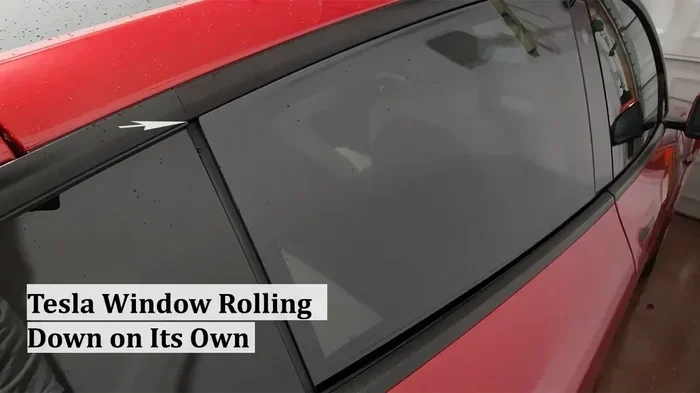
Tesla windows rolling down unexpectedly is one of those issues that catches drivers off guard. It happens across multiple models. It happens for different reasons. And while it is usually not dangerous, it sure is annoying. If you have ever wondered why do Tesla windows roll down when you least expect it, you are not alone.
This guide breaks down every common cause. It gives you simple fixes. It also tells you when to call for help. Whether you drive a Model 3, Model Y, Model S, or Model X, this article has you covered. Let us dive in.
Key Takeaways
- Software Glitches: Tesla software updates can sometimes cause window behavior changes that surprise drivers.
- Key Fob Signals: Your key fob can trigger windows to roll down, especially when you leave the vehicle.
- Temperature and Weather: Extreme heat or cold can affect window sensors and cause unexpected movement.
- Reset Is Simple: A quick reset often fixes window issues without needing a technician.
- Model Differences: Different Tesla models may experience window quirks based on their design and year.
- Warranty Coverage: Some window problems may be covered under your Tesla warranty or extended plan.
📑 Table of Contents
Understanding How Tesla Windows Work
Before we look at why windows roll down, it helps to understand how they work. Tesla windows use a power window system that relies on a few key parts. Each door has a small motor. That motor drives a window regulator. The regulator moves the glass up and down.
Tesla windows also use sensors. These sensors detect obstacles. They also read signals from your key fob. The Tesla window control system is managed by software. This software runs on your car’s central computer. When something goes wrong in this chain, your window might not behave as expected.
Here is a quick look at the main parts involved:
- Window Motor: Powers the movement of the glass up and down.
- Window Regulator: The mechanical arm that moves the window along its track.
- Door Module: The control unit that manages signals to the window motor.
- Key Fob: Sends signals that can trigger window actions.
- Sensors: Detect objects and prevent the window from closing on them.
- Software: Controls the logic behind when and how windows move.
When all these parts work together, your windows roll up and down smoothly. When one part fails or sends a wrong signal, things get weird. Your window might roll down on its own. It might not close all the way. Or it might behave differently after a software update.
Auto Tilt and Window Features
Tesla vehicles come with smart window features. One of them is auto tilt. When you unlock your car, the windows may tilt slightly. This lets fresh air in. Another feature is the auto-close function. When you drive, the windows should seal shut. These features rely on proper calibration. If calibration drifts, your Tesla window behavior can change in confusing ways.
Common Reasons Why Tesla Windows Roll Down Unexpectedly
Now let us get to the heart of the matter. Why do Tesla windows roll down when they should not? There are several reasons. Some are simple. Some are more complex. Let us walk through each one.
1. Software Glitches and Updates
Tesla cars receive over-the-air software updates regularly. These updates add new features. They also fix bugs. But sometimes, a new update can cause unexpected behavior. Your window controls might respond differently after an update. Some drivers report that their Tesla windows roll down after a recent software flash.
This happens because the software controls the logic for window timing. If a new version changes how the system reads inputs, your windows might react in new ways. The good news is that Tesla often releases follow-up updates to fix these issues.
2. Key Fob Signals and Remote Access
Your Tesla key fob communicates with your car constantly. When you walk away from your vehicle, the car may detect the fob is still nearby. In response, it might lower the windows slightly. This is actually a designed feature in some cases.
But here is the catch. If your key fob battery is low, the signal can become unreliable. The car might think the fob is closer or farther than it actually is. This can cause windows to roll down at odd times. If you have not changed your fob battery recently, this could be your culprit.
Also, if you share access to your Tesla through the mobile app, someone else could trigger your windows remotely. Make sure you check who has access to your vehicle controls.
3. Temperature and Weather Changes
Extreme temperatures affect your Tesla in many ways. In hot weather, the glass expands slightly. In cold weather, it contracts. These tiny changes can affect how the window sits in its frame. In some cases, the window sensors may think the glass is not seated correctly.
When this happens, the system might roll the window down to “reset” its position. This is more common in Tesla Model 3 and Model Y vehicles. Drivers in very hot climates like Florida or very cold climates often notice this more. If your windows roll down after parking in extreme heat, temperature is likely the cause.
4. Faulty Window Sensors
Every Tesla window has sensors that detect obstructions. These sensors prevent the window from closing on your hand or a child’s fingers. But sensors can fail or get dirty over time.
When a sensor malfunctions, it may send false signals. The car might think something is blocking the window. So it rolls the window down to avoid a “collision.” This is a safety feature doing its job. But when the sensor is wrong, it becomes a nuisance. Cleaning the sensor area gently can sometimes fix this issue.
5. Door Module Malfunction
The door module is the brain behind your window controls. It receives input from your buttons and your fob. Then it tells the motor what to do. When the door module has an error, your windows can behave unpredictably.
A Tesla door module problem might cause windows to roll down randomly. It could also cause them to not respond at all. Sometimes a simple reset fixes this. Other times, the module needs to be replaced. This is more common in older Tesla models with higher mileage.
6. Accidental Touch or Button Press
It sounds simple, but this happens more than you think. Tesla door handles and window buttons are smooth and responsive. A bag strap or your sleeve can brush against the window controls. This can cause the window to roll down without you realizing it.
Also, the Tesla touchscreen controls the windows too. If you lean against the screen or if it registers a false touch, your windows might move. This is a small but important thing to check before assuming something is broken.
How to Reset Your Tesla Windows
If your Tesla windows are acting up, a reset is often the first step. Resetting your windows is simple and takes just a few minutes. Here is how to do it step by step.
- Turn on your Tesla. Make sure the car is in Park and the screen is awake.
- Select all windows. On the touchscreen, go to Controls then Service.
- Choose Window Reset. This option will recalibrate all window positions.
- Test each window. Roll each window all the way up and all the way down.
- Check for errors. If a window still misbehaves, repeat the process or check for obstructions.
Many drivers skip this step. But a reset clears old commands and refreshes the system. It is like restarting your phone when it acts strange. This simple fix solves many Tesla window troubleshooting issues.
Quick Tip: If your window does not respond after a reset, try holding the window button up for 10 seconds. This forces the motor to recalibrate its full range of motion.
Tesla Window Problems Across Different Models
Not all Teslas are the same. Each model has its own quirks. Some models are more prone to window issues than others. Let us look at what drivers report across the lineup.
Tesla Model 3 Window Issues
The Model 3 is Tesla’s most popular sedan. It also has the most reported window quirks. Many Model 3 owners notice windows rolling down after a software update. Some report windows not closing fully in cold weather. The good news is that most of these issues have simple fixes. A reset or a recalibration usually does the trick.
Tesla Model Y Window Issues
The Model Y is Tesla’s compact SUV. It shares many systems with the Model 3. Window issues in the Model Y are similar. Temperature sensitivity is a common complaint. In very hot climates, the windows may not seal properly. This can cause them to drop slightly when parked.
If you are comparing the Model Y to a hybrid SUV or another electric crossover, keep in mind that EV windows work differently. They rely entirely on electric motors and software. Traditional vehicles use simpler mechanical systems.
Tesla Model S and Model X Window Issues
The Model S and Model X are larger vehicles with more doors. More doors mean more window motors and more potential failure points. The Model S has had reports of window motors wearing out over time. The Model X has unique falcon-wing doors, but its windows follow the same basic system. Window regulator wear is more common in these older models.
When to Seek Professional Help for Tesla Window Issues
Not every window problem can be fixed with a reset. Some issues need a trained technician. Here are signs that you should seek professional help.
- Window Stays Down Completely: If your window will not roll up at all, the motor may have failed.
- Window Makes Grinding Noises: This could mean the regulator is damaged or the track is obstructed.
- Window Rolls Down but Not Up: A directional issue often points to a motor or module problem.
- Multiple Windows Affected: If more than one window misbehaves at the same time, the door module or main computer may be at fault.
- Error Messages on Screen: Tesla will sometimes display a warning about window or door systems.
If you notice any of these signs, do not ignore them. A small problem can become a big one. And while you might be tempted to try a DIY fix, Tesla windows are complex. They involve both electrical and mechanical parts. A professional can diagnose the issue quickly and safely.
Also, check your warranty status. Some Tesla extended warranty plans cover window repairs. If your car is still under warranty, you should not pay out of pocket for a fix. Contact your service center and schedule an appointment.
Prevention Tips for Tesla Window Longevity
You can take steps to keep your Tesla windows working well for years. Here are some practical tips:
- Keep your window sensors clean and free of debris.
- Replace your key fob battery every 12 to 18 months.
- Avoid forcing the window manually if it resists.
- Run a window reset after every major software update.
- Park in shaded areas during extreme heat to protect window components.
- Check your Tesla app regularly for any shared access you did not authorize.
Key Takeaways
Understanding why do Tesla windows roll down comes down to knowing the system. Tesla windows are smart. They rely on software, sensors, motors, and signals. When one part of that system has an issue, your window behavior changes. Most of the time, the fix is simple. A reset or a battery change solves the problem. In rarer cases, a part needs replacement. Either way, staying informed helps you act fast and avoid stress.
Keep your software updated. Keep your sensors clean. And pay attention to how your windows behave. Small changes today can prevent big problems tomorrow. Your Tesla is a sophisticated machine. Treating it with care keeps it running smoothly for years to come.
Frequently Asked Questions
Why do my Tesla windows roll down when I unlock the car?
This is a normal feature on many Tesla models. When you unlock the car, the windows may tilt down slightly to vent the interior. If the windows roll down fully instead, it could be a sensor or software issue. Try resetting your windows to see if the problem goes away.
Can a low key fob battery cause Tesla windows to roll down?
Yes. A weak key fob battery can send unreliable signals to your Tesla. The car may misinterpret the signal and trigger the windows to roll down. Replacing your fob battery is a quick and easy fix that often resolves this issue.
Do Tesla software updates affect window behavior?
Yes. Tesla regularly pushes software updates that change how the car operates. Some updates adjust window timing, sensor sensitivity, or control logic. If your windows start behaving differently after an update, a reset usually fixes the problem.
Is it normal for Tesla windows to roll down in extreme heat?
It is not uncommon. Extreme heat can cause the glass to expand and affect sensor readings. The system may roll the window down slightly to recalibrate. Parking in the shade or using a sunshade can help reduce this issue.
How much does it cost to fix a Tesla window that will not roll up?
The cost varies depending on the cause. A simple reset costs nothing. A new window motor can range from $200 to $500. A door module replacement may cost more. If your Tesla is under warranty, the repair may be covered at no charge to you.
Can I fix a Tesla window problem myself?
Many Tesla window issues can be fixed with a simple reset or recalibration. Cleaning the window sensors and replacing the key fob battery are also DIY-friendly tasks. However, if the motor or regulator is damaged, it is best to see a professional to avoid causing further damage.
=== CONCLUSION ===
Why do Tesla windows roll down? The answer is usually one of several common causes. Software glitches, key fob signals, temperature changes, sensor faults, or accidental inputs can all trigger unexpected window movement. The good news is that most of these issues are easy to fix. A reset, a battery change, or a simple cleaning session often does the job.
Stay proactive with your Tesla maintenance. Keep your software current. Check your sensors regularly. And do not ignore small changes in how your windows behave. Your attention today can save you time and money tomorrow. With the right knowledge, you can handle any Tesla window issue that comes your way.