Why Is My Jeep Wrangler Fan So Loud And Very Noisy
A loud Jeep Wrangler fan can signal several underlying issues, from a worn fan clutch to low coolant levels. Understanding the root cause helps you fix the problem early and avoid costly repairs. This guide covers the most common reasons your Jeep Wrangler cooling fan is making excessive noise and what you can do about it.
You turn the key, hop in your Jeep Wrangler, and immediately notice a grinding, whirring, or buzzing sound coming from under the hood. Your Jeep Wrangler fan is so loud it practically drowns out the radio. It is not just annoying. It could be a sign that something in your cooling system needs attention.
Many Jeep owners shrug off a noisy fan. They tell themselves it is normal. But a loud radiator fan almost always points to a problem. Ignoring it can lead to engine overheating, coolant leaks, and expensive repairs down the road. The good news? Most causes are easy to identify and fix. Whether you are a seasoned gearhead or a first-time Jeep owner, this guide walks you through everything you need to know.
We will cover exactly why your fan gets loud, how to diagnose the issue yourself, and what steps to take next. By the end, you will know if it is a quick DIY fix or a job for a professional. Let get into it.
Key Takeaways
- Worn Fan Clutch: A failing fan clutch is the most common reason your Jeep Wrangler fan gets loud.
- Low Coolant Levels: Insufficient coolant forces the fan to work harder, creating more noise.
- Damaged Fan Blades: Bent or cracked blades cause imbalance and excessive rattling or whining.
- Faulty Fan Relay: A bad relay can keep the fan running at full speed nonstop.
- DIY Fixes Exist: Some fan noise issues are simple enough to tackle at home with basic tools.
- Know When to Seek Help: Persistent or severe fan noise needs professional diagnosis right away.
📑 Table of Contents
- How Your Jeep Wrangler Cooling Fan Works
- Common Reasons Why Your Jeep Wrangler Fan Is So Loud
- How to Diagnose a Loud Fan on Your Jeep Wrangler
- Can You Fix a Loud Jeep Wrangler Fan Yourself?
- How to Prevent Loud Fan Noise in the Future
- When to See a Professional Mechanic
- Understanding the Cost of Fan Noise Repairs
- Final Thoughts
How Your Jeep Wrangler Cooling Fan Works
Before diving into the reasons for loud fan noise, it helps to understand how the system works. Your Jeep Wrangler relies on a cooling fan to pull air through the radiator. This airflow keeps the engine temperature in a safe range, especially when you are idling or crawling through traffic on a hot day.
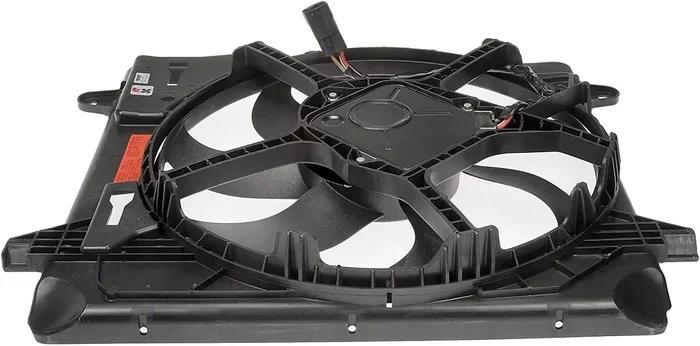
The fan can be belt-driven or electric. Older Jeep models often use a belt-driven setup with a fan clutch. The clutch acts like a thermostat for the fan. When the engine is cool, the clutch disengages and the fan spins freely with little resistance. When the engine heats up, the clutch locks in and the fan spins faster to pull more air through the radiator.
Newer Jeep Wranglers, especially models from the mid-2000s onward, use an electric cooling fan. This fan runs on a motor and is controlled by a fan relay and the engine control module. It kicks on automatically when the coolant temperature reaches a certain threshold. Both systems are designed to be relatively quiet when working properly. So when your fan suddenly gets loud, something has gone wrong.
Common Reasons Why Your Jeep Wrangler Fan Is So Loud
Several issues can cause your Jeep Wrangler fan to make excessive noise. Some are simple and cheap to fix. Others require more involved repairs. Let us break them down one by one.
Worn or Failed Fan Clutch
The fan clutch is the number one culprit behind a loud Jeep Wrangler fan. Over time, the clutch wears out and loses its ability to disengage properly. This means the fan stays locked to the engine speed at all times, even when the engine is cool. The result is a constant, loud whirring or grinding noise.
You can test your fan clutch by letting the engine idle until it reaches normal operating temperature. Then turn off the engine and listen. If the fan keeps spinning for a long time or makes a rough, gritty sound, the clutch is likely worn out. A new fan clutch is an affordable fix and one of the most common Jeep Wrangler maintenance jobs.
Low Coolant Levels
When your coolant level drops too low, the engine runs hotter than normal. The fan responds by spinning faster and running longer to compensate. This puts extra strain on the fan motor and creates a louder noise than usual. Low coolant often points to a coolant leak somewhere in the system.
Check your coolant reservoir regularly. If you find yourself topping it off frequently, get the system inspected for leaks. Running a Jeep with low coolant can cause engine overheating, which leads to cracked heads, blown gaskets, and even engine failure. Not worth the risk.
Damaged or Bent Fan Blades
Fan blades can get damaged over time. Debris from the road, rocks, or even a minor accident can bend or crack them. When the blades are no longer balanced, they create a loud rattling or buzzing noise as they spin. In some cases, a damaged blade can also hit the fan shroud, making a rhythmic tapping sound.
Visually inspect your fan blades when the engine is off and cool. Look for cracks, bends, or missing chunks. If the blades are damaged, replacement is the best move. A new set of fan blades is inexpensive, and the installation process is straightforward for most DIYers.
Faulty Fan Relay
The fan relay controls when the electric fan turns on and off. If the relay gets stuck in the “on” position, the fan runs continuously at full speed. This creates a constant loud noise and drains your battery over time. A faulty relay can also cause the fan to cycle on and off erratically, producing an annoying clicking or buzzing sound.
Replacing a fan relay is one of the easiest and cheapest repairs you can do. The relay is usually located in the under-hood fuse box. Check your owner manual for the exact location. If you have a multimeter, you can test the relay yourself before buying a replacement.
Electrical or Wiring Problems
Electrical issues can cause your fan to behave unpredictably. Corroded connectors, frayed wiring, or a failing coolant temperature sensor can all make the fan run louder than normal. Sometimes the problem is as simple as a loose ground wire that needs to be reattached.
Electrical diagnostics can be tricky if you are not familiar with the wiring system. If you suspect a wiring issue, it is best to consult a professional. Trying to fix electrical problems without the right knowledge can lead to bigger headaches. For example, if you have experienced other electrical gremlins like your car not starting, check out our article on why your car won’t start in cold weather even when the battery is good for related troubleshooting tips.
Debris Caught in the Fan or Radiator
Jeep Wranglers are off-road machines. They take a beating from rocks, mud, and trail debris. Sometimes that debris ends up lodged in the fan or against the radiator. This causes a loud grinding or scraping noise every time the fan spins.
Give the fan area a visual inspection after off-road trips. Remove any sticks, leaves, or rocks you find caught in the blades or radiator fins. This is a simple fix that prevents further damage to the fan and radiator.
How to Diagnose a Loud Fan on Your Jeep Wrangler
Diagnosing a noisy fan does not require a degree in mechanics. With a few basic tools and some patience, you can narrow down the cause yourself. Here is a step-by-step approach.
Step 1: Listen Carefully. Park your Jeep on a flat surface and let the engine idle. Open the hood and listen to the fan. Does it make a grinding noise, a whining sound, or a rhythmic tapping? Each sound points to a different issue.
Step 2: Check the Coolant Level. Make sure the engine is cool before you open the radiator cap. Look at the coolant reservoir. If the level is low, top it off and monitor it over the next few days. A rapidly dropping level means you have a leak.
Step 3: Inspect the Fan Blades. With the engine off, spin the fan blades by hand. They should rotate smoothly with no resistance or wobble. If they feel rough or make noise when you spin them, inspect for damage.
Step 4: Test the Fan Clutch. After the engine reaches operating temperature, turn it off. The fan should keep spinning for a minute or two and then slow down. If it spins freely and quickly after the engine is off, the clutch is likely worn.
Step 5: Check the Relay and Fuses. Locate the fan relay in the fuse box. Swap it with a similar relay to test it. If the fan behavior changes, the relay was the problem.
If you are handy with tools, you might also enjoy tackling other common Jeep maintenance tasks yourself. For instance, check out our guide on how to replace your throttle body yourself for more DIY confidence.
Can You Fix a Loud Jeep Wrangler Fan Yourself?
The answer depends on the cause of the noise. Some fixes are simple enough for a weekend garage project. Others require a mechanic with specialized tools and knowledge. Let us look at what you can handle on your own and what needs professional help.
DIY-Friendly Fixes
- Replacing the Fan Clutch: This is one of the most common fan-related repairs. You need a wrench, a new clutch, and about an hour of your time. The cost of parts is usually under $100.
- Swapping the Fan Relay: Relays are cheap and easy to access. You can pull the old one out and plug in the new one in minutes.
- Cleaning Debris from the Fan: A simple visual inspection and cleanup takes five minutes. No tools required.
- Topping Off Coolant: If your coolant is low, simply refilling it can reduce fan noise. Just make sure you use the correct type of coolant for your Jeep model.
Repairs That Need a Pro
- Electrical Wiring Repairs: If the issue lies in the wiring or the coolant temperature sensor, it is best to let a professional handle it. Electrical systems can be complex and a wrong connection can cause bigger problems.
- Water Pump Failure: A failing water pump can cause the fan to run louder because the engine cannot circulate coolant properly. Replacing a water pump is a more involved job that requires draining the cooling system.
- Thermostat Replacement: A stuck thermostat can cause the engine to overheat, which triggers the fan to run constantly. Replacing the thermostat is a moderate repair that some DIYers handle, but it is also a quick job for a shop.
If you are dealing with other vehicle electrical issues, you might want to read our article on how to reset your own TPMS sensor for more tips on handling common car electronics problems on your own.
How to Prevent Loud Fan Noise in the Future
Prevention is always easier and cheaper than repair. A little regular maintenance goes a long way in keeping your Jeep Wrangler fan quiet and your engine running cool. Here are some simple habits to adopt.
- Check Coolant Levels Monthly: Make it a routine to glance at your coolant reservoir once a month. Topping it off before it gets too low prevents the fan from overworking.
- Flush the Cooling System Regularly: Flush and replace your coolant every two to three years. Old coolant loses its effectiveness and can lead to overheating.
- Inspect Fan Blades After Off-Road Trips: Jeep Wranglers are built for the trails. But debris from off-roading can damage the fan. A quick visual check after every rugged outing can save you from a noisy surprise later.
- Listen for Early Warning Signs: Pay attention to any changes in fan behavior. If the fan gets louder, cycles on and off more frequently, or runs longer than usual, get it checked before it becomes a bigger problem.
- Keep the Radiator Clean: A dirty radiator cannot dissipate heat efficiently. Hose it down periodically to remove bugs, mud, and dust buildup.
Taking care of your Jeep also means staying on top of other routine maintenance. For example, if you are curious about whether you can drive your Jeep without a key fob, we have covered that topic too. You can read more in our article on driving a vehicle without a key fob. While that article focuses on Toyota models, the general concepts apply to many vehicles including Jeeps.
When to See a Professional Mechanic
Not every fan noise problem is a DIY fix. There are clear signs that it is time to take your Jeep Wrangler to a trusted mechanic. If you notice any of the following, schedule a service appointment right away.
- The Fan Makes a Grinding or Squealing Noise That Does Not Go Away: This could indicate a severely worn bearing or a damaged fan clutch that needs immediate replacement.
- The Engine Temperature Gauge Reads High: If your fan is loud and the temperature gauge is climbing, pull over safely and let the engine cool down. Continuing to drive risks serious engine damage.
- You See Coolant Leaks Under the Vehicle: A combination of loud fan noise and coolant leaks points to a deeper cooling system problem that needs professional diagnosis.
- The Fan Runs Constantly Even When the Engine Is Cold: This could be a wiring issue, a bad relay, or a malfunctioning temperature sensor. All of these require proper diagnostic equipment to pinpoint.
- You Have Already Replaced the Fan Clutch and the Noise Persists: If you have tried the obvious fixes and the fan is still loud, there may be a hidden issue that only a trained mechanic can identify.
A professional mechanic can run a full diagnostic on your Jeep Wrangler cooling system. They have the tools to check the fan motor, relay, thermostat, and coolant temperature sensor all at once. This saves you time and prevents you from replacing parts that are not actually the problem.
While you are at the shop, it is also worth asking about your vehicle warranty. If you own a Toyota or Lexus, you may be able to get service done at a different dealer. Check out our article on getting your Lexus serviced at a Toyota dealer for more on warranty service options. Understanding your warranty coverage can save you money on repairs you did not expect.
Understanding the Cost of Fan Noise Repairs
The cost of fixing a loud Jeep Wrangler fan varies widely depending on the cause. Here is a rough breakdown of what you might expect to pay.
- Fan Clutch Replacement: $100 to $300 for parts and labor. This is the most common and affordable fix.
- Fan Relay Replacement: $20 to $80. Relays are inexpensive parts and the labor is minimal.
- Fan Blade Replacement: $50 to $150 for parts. Labor depends on accessibility.
- Coolant Temperature Sensor Replacement: $100 to $250. The sensor itself is affordable, but labor can vary.
- Water Pump Replacement: $300 to $700. This is a more expensive repair due to the complexity of the job.
- Thermostat Replacement: $100 to $250. A moderate cost for a repair that prevents bigger problems.
Keep in mind that these are estimates. Actual costs depend on your Jeep model, year, and where you live. Labor rates vary by region and shop. Always get a quote before authorizing any repair work.
Final Thoughts
A loud Jeep Wrangler fan is not something you should ignore. Whether it is a worn fan clutch, low coolant, or a faulty relay, the sooner you address the problem, the better. Most causes are affordable and easy to fix, especially when you catch them early.
Use the diagnostic steps in this guide to narrow down the cause. Try the DIY fixes if you feel comfortable, and do not hesitate to see a professional if the problem persists. Regular maintenance and a little attention go a long way in keeping your Jeep Wrangler running cool and quietly.
Your Jeep is built for adventure. Do not let a noisy fan keep you from hitting the trails. Take action today and enjoy a quieter, smoother ride tomorrow.
Frequently Asked Questions
Why is my Jeep Wrangler fan so loud when I am idling?
Loud fan noise at idle usually means the cooling system is working harder than it should. This can happen when the coolant level is low, the fan clutch is worn, or the thermostat is stuck. Check your coolant level first, as that is the simplest and most common cause.
Can a loud fan damage my Jeep Wrangler engine?
Yes, a persistently loud fan can signal an overheating problem. If the fan cannot cool the engine properly, prolonged driving can lead to engine damage. It is best to diagnose and fix the issue as soon as you notice the noise.
How much does it cost to replace a Jeep Wrangler fan clutch?
A fan clutch replacement typically costs between $100 and $300, including parts and labor. The exact price depends on your Jeep model year and where you have the work done. This is one of the most affordable cooling system repairs.
Should I be worried if my Jeep Wrangler fan runs all the time?
Yes, a fan that runs continuously even when the engine is cool is not normal. This usually points to a faulty relay, a bad coolant temperature sensor, or an electrical issue. Get it checked by a mechanic to avoid unnecessary battery drain and potential overheating.
Can I drive my Jeep Wrangler with a loud fan?
You can drive short distances, but a loud fan should not be ignored. If the noise is accompanied by a rising temperature gauge or steam from the hood, pull over immediately. Continuing to drive in those conditions can cause serious engine damage.
What is the difference between a belt-driven fan and an electric fan?
A belt-driven fan is connected to the engine by a serpentine belt and uses a fan clutch to control speed. An electric fan runs on a motor and is controlled by a relay and the engine computer. Newer Jeep Wranglers use electric fans, while older models rely on belt-driven systems.