How Many Miles Before Replacing Your Catalytic Converter
Most catalytic converters last between 70,000 and 100,000 miles, but driving habits and maintenance play a huge role. Warning signs like a check engine light, rattling noises, or failed emissions tests mean it is time to act. This guide covers everything you need to know about catalytic converter lifespan, replacement costs, and how to avoid expensive repairs.
Your catalytic converter works silently every time you drive. It cleans up harmful exhaust fumes before they reach the atmosphere. But like every car part, it does not last forever. So how many miles before replacing a catalytic converter? Let us break it all down for you.
The short answer is that most converters last somewhere between 70,000 and 100,000 miles. However, your actual mileage will depend on how you drive, what you drive, and how well you maintain your vehicle. Some converters fail at 40,000 miles. Others sail past 150,000 miles with no problems at all.
If you have noticed a rattling sound under your car or your check engine light just turned on, you are in the right place. This guide will walk you through everything you need to know about catalytic converter lifespan, replacement costs, warning signs, and simple tips to make your converter last longer.
Key Takeaways
- Average lifespan: A catalytic converter typically lasts 70,000 to 100,000 miles under normal conditions.
- Cost matters: Replacement can range from $1,000 to $2,500 depending on your vehicle.
- Driving habits count: Short trips and stop-and-go driving shorten converter life significantly.
- Watch for symptoms: Rattling, reduced fuel economy, and failed smog checks are red flags.
- Maintenance helps: Regular engine tune-ups and oxygen sensor checks keep your converter healthy.
- Theft is a risk: Some vehicles like the Toyota Tundra are targeted for catalytic converter theft.
- You can drive without one: But it is illegal in most states and harmful to the environment.
📑 Table of Contents
- What Does a Catalytic Converter Do?
- How Many Miles Does a Catalytic Converter Last?
- Warning Signs Your Catalytic Converter Is Failing
- How Much Does It Cost to Replace a Catalytic Converter?
- Can You Drive Without a Catalytic Converter?
- How to Extend Your Catalytic Converter’s Life
- When Should You Replace Your Catalytic Converter?
- Common Mistakes People Make with Catalytic Converters
- Expert Tips for Catalytic Converter Care
- Final Thoughts
What Does a Catalytic Converter Do?
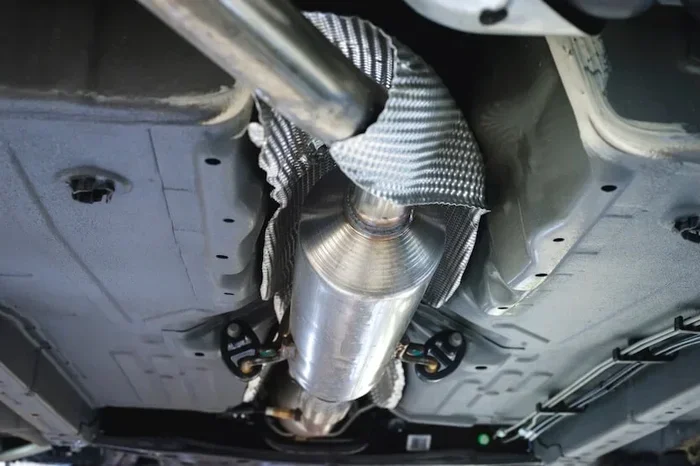
Before we talk about replacement mileage, let us quickly cover what this part actually does. Your catalytic converter sits in your exhaust system between the engine and the muffler. It uses heat and chemical reactions to convert harmful gases into less dangerous ones.
Here is what it handles:
- Carbon monoxide gets turned into carbon dioxide.
- Nitrogen oxides get broken down into nitrogen and oxygen.
- Unburned hydrocarbons become water vapor and carbon dioxide.
Without a working converter, your car releases toxic fumes into the air. It also fails emissions tests in most states. That alone is a good reason to keep yours in good shape.
How Many Miles Does a Catalytic Converter Last?
This is the big question. The honest answer is that it varies a lot. Let us look at the numbers more closely.
Average Lifespan by Vehicle Type
Different vehicles put different demands on the converter. Here is a general breakdown:
- Sedans and coupes: 80,000 to 100,000 miles
- SUVs and trucks: 70,000 to 90,000 miles
- Hybrid vehicles: 100,000+ miles (due to less engine stress)
- Older vehicles (pre-2000): 50,000 to 70,000 miles
- Performance vehicles: 60,000 to 80,000 miles
These numbers assume normal driving conditions. If you live in a city with lots of traffic, your converter may wear out faster. The constant stop-and-go driving creates more stress on the exhaust system.
Factors That Shorten Converter Life
Several things can cause your catalytic converter to fail before its time. Here are the most common culprits:
- Engine misfires: Unburned fuel floods the converter and overheats it.
- Bad oxygen sensors: These sensors help the converter work efficiently. When they fail, the converter struggles.
- Oil or coolant leaks: These fluids enter the exhaust and clog the converter.
- Short trips: The converter needs heat to work properly. Short trips never let it reach full operating temperature.
- Poor fuel quality: Contaminated fuel creates more deposits inside the converter.
- Physical damage: Hitting potholes or road debris can dent or crack the unit.
Warning Signs Your Catalytic Converter Is Failing
Catching a failing converter early can save you hundreds of dollars. Here are the symptoms you should never ignore.
1. Check Engine Light
This is the most common first sign. Your car’s computer monitors the converter’s efficiency through oxygen sensors. When performance drops, the light comes on. You can get the codes read at any auto parts store for free.
2. Rattling Noise
A rattling sound from under your car, especially when starting up, often means the internal honeycomb structure is breaking apart. This is a clear sign of failure.
3. Reduced Fuel Economy
If you are visiting the gas station more often, a clogged converter might be the cause. A blocked converter restricts exhaust flow, which makes your engine work harder and burn more fuel.
4. Failed Emissions Test
If your car does not pass a smog check, the converter is a likely suspect. The part is designed to reduce harmful emissions. When it fails, those emissions go straight out the tailpipe.
5. Poor Engine Performance
A clogged converter creates back pressure. This can cause your engine to feel sluggish, hesitate when you accelerate, or stall at idle.
6. Sulfur or Rotten Egg Smell
A healthy converter converts sulfur compounds into odorless sulfur dioxide. When it fails, you will smell that rotten egg odor coming from the exhaust.
How Much Does It Cost to Replace a Catalytic Converter?
The replacement cost is the part most car owners worry about. And for good reason. Catalytic converters contain precious metals like platinum, palladium, and rhodium. That is what makes them expensive to replace.
Here is a general cost breakdown:
- Aftermarket converter: $500 to $1,200 for parts and labor
- OEM converter: $1,000 to $2,500 for parts and labor
- Luxury or performance vehicles: $2,500 to $5,000+
- Used or remanufactured: $300 to $800
The wide range depends on your vehicle make and model. Some cars use more precious metals than others. Toyota vehicles, for example, tend to have more reliable converters that last longer, which is one reason can Toyota last 500000 miles is such a popular search topic.
One thing to watch out for: catalytic converter theft has been on the rise. Certain vehicles are targeted more than others. If you own a Toyota Tundra or similar truck, you may want to look into are Tundras targeted for catalytic converter theft and take preventive steps like installing a theft deterrent.
Can You Drive Without a Catalytic Converter?
The short answer is technically yes, but you really should not. Here is why.
Driving without a converter will not damage your engine immediately. However, it is illegal in all 50 states. Your car will fail emissions inspections, and you could face hefty fines. The exhaust will also be much louder without the converter and muffler working together.
Some people ask, can you drive without a catalytic converter just to get through a short trip. While the car will run, the untreated exhaust fumes contain carbon monoxide, which is dangerous to breathe. Never drive without a converter if you can avoid it.
If you are dealing with a bad converter and need to move your car temporarily, make sure you open the windows for ventilation. And get it replaced as soon as possible.
How to Extend Your Catalytic Converter’s Life
The good news is that you can take steps to make your converter last longer. Regular maintenance is the key. Here is what you should do.
1. Keep Up with Engine Tune-Ups
A well-tuned engine burns fuel cleanly. That means fewer unburned hydrocarbons entering the converter. Change your spark plugs on schedule and keep your ignition system in good shape.
2. Fix Engine Problems Quickly
Do not ignore check engine lights or engine misfires. A misfiring cylinder sends raw fuel into the exhaust. That raw fuel overheats the converter and can melt the internal structure. If you notice your check engine light is on, get it diagnosed right away.
3. Use Quality Fuel
Top-tier gasoline contains fewer contaminants. This reduces the amount of deposits that can build up in your exhaust system. It is a small cost that pays off over time.
4. Avoid Short Trips When Possible
Your converter needs to reach at least 600 degrees Fahrenheit to burn off accumulated deposits. Short trips around town never let it get that hot. When you can, combine errands into one longer drive.
5. Check Your Oxygen Sensors
Oxygen sensors tell your car’s computer how rich or lean the fuel mixture is. Bad sensors can cause the converter to work overtime. Have them checked during regular maintenance visits.
6. Address Coolant and Oil Leaks Immediately
Any fluid that enters the exhaust system can damage the converter. If you notice blue or white smoke from your tailpipe, get it checked right away.
When Should You Replace Your Catalytic Converter?
So how do you know the time has come? Here are the situations where replacement is the right call.
- Your converter is over 100,000 miles: Even without symptoms, age and mileage eventually take their toll.
- You failed an emissions test: A failed smog check often points directly to converter issues.
- You hear a persistent rattle: This usually means the internal substrate has broken apart.
- Your fuel economy has dropped significantly: A sudden drop in MPG can signal a clogged converter.
- The check engine light stays on: After clearing the code, if it returns quickly, the converter is likely the problem.
If you are unsure, have a trusted mechanic inspect the converter. They can measure back pressure and efficiency to give you a definitive answer.
Common Mistakes People Make with Catalytic Converters
Avoid these mistakes to keep your converter healthy and your wallet happy.
- Ignoring the check engine light: Small problems become big expensive ones fast.
- Using cheap fuel: The savings at the pump cost you more in repairs down the road.
- Delaying repairs: A small exhaust leak today becomes a converter replacement tomorrow.
- Buying the cheapest aftermarket part: Low-quality converters fail quickly and may not pass emissions tests.
- Driving with a known problem: Continuing to drive on a bad converter can damage your oxygen sensors and catalytic converter substrate further.
Another mistake people make is not understanding that a new converter is not a fix-all. If the underlying problem that caused the failure is not addressed, the new converter will fail too. Always diagnose the root cause first.
Expert Tips for Catalytic Converter Care
Here are some insider tips from experienced mechanics that most car owners do not know about.
Tip 1: Some converters can be cleaned rather than replaced if the clog is not severe. Special fuel additives and catalytic converter cleaners can sometimes restore performance. However, this is only a temporary fix for minor issues.
Tip 2: If you live in an area with cold winters, condensation inside the converter can cause rust over time. Taking longer drives in winter helps evaporate this moisture.
Tip 3: Consider installing a converter theft deterrent. Security cages and anti-theft bolts are relatively inexpensive and can save you thousands in replacement costs. Theft is a growing problem across the country.
Tip 4: Keep records of your maintenance. A documented service history helps prove your converter failure was not caused by neglect, which can be important for warranty claims.
Final Thoughts
Your catalytic converter is one of those parts you do not think about until something goes wrong. Understanding how many miles before replacing a catalytic converter can help you plan ahead and avoid surprises. Most converters last 70,000 to 100,000 miles, but your driving habits and maintenance routine play a huge role.
Watch for the warning signs, keep up with regular maintenance, and address small problems before they become big ones. Your converter, your wallet, and the environment will all thank you.
Remember that if you ever find yourself unable to drive because of a bad converter, it is okay to ask can I drive my Toyota without a catalytic converter for a short distance. But do not make a habit of it. Get the part replaced and keep your car running clean and legal.
Taking care of your catalytic converter is just one part of overall vehicle maintenance. Regular oil changes, tire rotations, and brake inspections all work together to keep your car reliable for years to come. A little prevention goes a long way toward avoiding costly repairs down the road.
Frequently Asked Questions
Can I drive my car with a bad catalytic converter?
You can drive short distances with a failing converter, but it is not recommended. A severely clogged converter can cause your car to stall or lose power. Continuing to drive on a bad converter can also damage other parts of your exhaust system, leading to even more expensive repairs.
How do I know if my catalytic converter needs replacement?
Common signs include a rattling noise from under the car, a check engine light, failed emissions tests, reduced fuel economy, and a rotten egg smell from the exhaust. If you notice any of these symptoms, have a mechanic inspect your converter as soon as possible.
Can a catalytic converter be cleaned instead of replaced?
In mild cases, a catalytic converter cleaner or fuel additive may help restore some performance. However, this is only effective for minor clogs. A converter with a broken internal substrate or melted structure will need full replacement. Cleaning is not a permanent solution for serious damage.
Why are catalytic converters so expensive to replace?
Catalytic converters contain precious metals like platinum, palladium, and rhodium. These metals are expensive and essential to the converter’s chemical process. The cost of the part itself plus labor makes replacement one of the pricier automotive repairs you will encounter.
How can I prevent catalytic converter theft?
Install a theft deterrent such as a security cage, anti-theft bolts, or an alarm system. Parking in well-lit areas or a garage also helps. Some vehicle owners apply etching or marking to their converters for identification purposes, which deters thieves.
Does driving style really affect catalytic converter lifespan?
Yes, absolutely. Stop-and-go city driving creates more stress on the converter than highway driving. Short trips prevent the converter from reaching full operating temperature, which leads to deposit buildup. Gentle, steady driving on highways is the best for converter longevity.