How to Get Your Subaru Out of Brake Maintenance Mode
Brake maintenance mode on your Subaru can be frustrating, but it is usually easy to fix at home. This guide walks you through the exact steps to reset the brake maintenance light, explains why the warning appears, and shares practical tips to prevent it from coming back. Whether you own a Subaru Outback, Forester, or another model, you will find clear instructions to get your car back to normal.
Your Subaru dashboard just flashed a scary warning. The brake maintenance mode light is on, and you are not sure what to do. Take a breath. This is one of the most common warnings Subaru owners see, and it is usually something you can handle yourself. In this guide, we will show you exactly how to get your Subaru out of brake maintenance mode, why the light comes on in the first place, and what you should do to keep your braking system working at its best.
The brake maintenance mode is not just a random annoyance. It is your car telling you something important about your braking system. Sometimes it means your brake pads are worn down. Other times it points to low brake fluid, a dirty sensor, or a system that simply needs recalibrating after service. Whatever the reason, understanding what the light means puts you in control. You will learn how to diagnose the issue, reset the warning, and take steps so it never bothers you again.
We have helped thousands of car owners tackle dashboard warnings with confidence. This article follows the same approach. We keep things simple, practical, and backed by real experience. No jargon. No confusing steps. Just clear, actionable advice that works for Subaru owners of all experience levels. Let us dive in and get that brake maintenance light off your dashboard for good.
Key Takeaways
- Quick Reset Possible: Most Subaru models let you reset the brake maintenance light in under five minutes using the steering wheel controls.
- Underlying Causes Matter: The light often signals worn brake pads, low fluid, or a faulty sensor that needs real attention.
- Multiple Reset Methods Exist: You can reset manually, with a diagnostic tool, or by visiting a dealership or mechanic.
- Driving Is Possible but Risky: You can drive short distances with the light on, but ignoring it compromises safety.
- Prevention Is Simple: Regular brake inspections and timely fluid changes keep the warning light from returning.
- ABS Codes Help Diagnose Issues: Reading ABS codes without a scanner can reveal hidden brake system problems.
📑 Table of Contents
- What Is Brake Maintenance Mode on a Subaru?
- Step-by-Step Guide to Resetting the Brake Maintenance Light
- Common Reasons Your Subaru Enters Brake Maintenance Mode
- Can You Drive with Brake Maintenance Mode On?
- Preventing Brake Maintenance Mode Alerts
- Expert Insights on Subaru Brake Maintenance
- Key Takeaways
- Conclusion
What Is Brake Maintenance Mode on a Subaru?
Brake maintenance mode is a dashboard warning system built into your Subaru. It is designed to alert you when the braking system needs attention. The light usually looks like a circle with parentheses and an exclamation mark in the center. On some models, you might see the text “BRAKE” or “MAINTENANCE” displayed on the instrument cluster.
This system is not just a random reminder. It connects directly to sensors in your braking components. When those sensors detect a condition that falls outside normal parameters, they trigger the warning. Understanding what triggers the light helps you respond appropriately and avoid unnecessary trips to the shop.
How the Brake Maintenance System Works
The system relies on several sensors spread across your braking components. These include wear sensors on the brake pads, fluid level sensors in the master cylinder reservoir, and speed sensors tied to the ABS system. When any of these sensors send a signal that something is off, the brake maintenance mode activates.
Think of it like a check engine light, but specifically focused on your brakes. The system monitors things like pad thickness, fluid levels, and sensor health. If the brake pads wear down past a certain point, the wear sensor contacts the rotor and sends an electrical signal to the car’s computer. That signal lights up your dashboard. Similarly, if brake fluid drops below the minimum level, the fluid sensor triggers the same warning.
On newer Subaru models, the system also tracks driving habits and service intervals. If you have not performed scheduled maintenance within the recommended timeframe, the car may enter maintenance mode as a reminder. This is especially common after you have completed a repair and the system has not been manually reset.
Common Triggers for the Brake Maintenance Light
Several things can cause the brake maintenance light to illuminate. Here are the most common triggers:
- Worn brake pads: The most frequent cause. When pads thin out beyond the safe limit, the sensor activates.
- Low brake fluid: A leak or natural fluid absorption over time drops the level below the sensor threshold.
- Dirty or faulty sensor: Corrosion or debris on the sensor can cause false readings.
- ABS system fault: Problems with the anti-lock braking system can trigger the maintenance light.
- Unreset after service: After replacing brake pads or fluid, the system needs a manual reset.
- Rotor issues: Warped or scored rotors can sometimes trigger the warning.
Step-by-Step Guide to Resetting the Brake Maintenance Light
Resetting the brake maintenance light on a Subaru is straightforward. The exact steps vary slightly depending on your model and year, but the general process is very similar across the lineup. Below, we walk you through the most common methods.
Method 1: Using the Steering Wheel Controls
This is the most popular method and works on most Subaru models from 2015 onward. Here is how to do it:
- Turn the ignition to the “ON” position. Do not start the engine. Just press the start button once or turn the key to the “ON” position.
- Use the steering wheel arrows to navigate to the “Settings” menu on the instrument display.
- Scroll down to “Vehicle Info” or “Maintenance” depending on your model.
- Find the “Reset Maintenance” or “Reset Brake Maintenance” option.
- Press and hold the OK button for about three to five seconds.
- The light should turn off, and you will see a confirmation message on the screen.
If the light does not go off after this, try turning the ignition off and then back on. Sometimes the system needs a full cycle to accept the reset. This method works for most Subaru Forester, Outback, Legacy, and Impreza models.
Method 2: Using the Trip Meter Reset
On older Subaru models, the process is slightly different and uses the trip meter reset stalk:
- Turn the ignition to the “ON” position without starting the engine.
- Locate the trip meter reset button on the dashboard or steering column stalk.
- Press and hold the trip reset button.
- While holding the button, turn the ignition off and then back to the “ON” position.
- Continue holding the button for about ten seconds.
- The maintenance light should blink and then turn off.
This method is a bit more hands-on but works reliably on models from 2010 to 2015. If you own an older Subaru, this is likely the method you need.
Method 3: Using a Diagnostic Tool
If the manual reset methods do not work, a diagnostic scanner can help. You can use an OBD-II scanner compatible with Subaru vehicles. Plug the scanner into the diagnostic port, which is usually located under the dashboard on the driver side. Follow the scanner menu to find the “Clear Maintenance Reminder” or “Reset Service Light” option.
For more complex issues, you might want to read ABS codes without a scanner to check if there are hidden brake system faults triggering the light. A basic code reader costs under $30 and can save you a trip to the mechanic for simple resets.
Method 4: Visiting a Service Center
If none of the DIY methods work, it is time to visit a professional. A certified Subaru mechanic or dealership can use factory-level diagnostic tools to reset the system. They can also run a full brake inspection to make sure there is no underlying problem causing the light. This is especially important if the light keeps coming back after you reset it.
Many Subaru dealerships will reset the maintenance light for free if you bring the car in for service. It is always worth asking before paying for a separate service visit.
Common Reasons Your Subaru Enters Brake Maintenance Mode
Resetting the light is only half the battle. If you do not address the root cause, the light will come right back. Let us look at the most common reasons your Subaru enters brake maintenance mode and what you should do about each one.
Worn Brake Pads
Brake pads wear down over time. This is completely normal and expected. Most Subaru brake pads last between 25,000 and 70,000 miles depending on driving habits, road conditions, and the type of pads installed. When the pads wear down to the minimum thickness, the wear sensor touches the rotor and triggers the warning light.
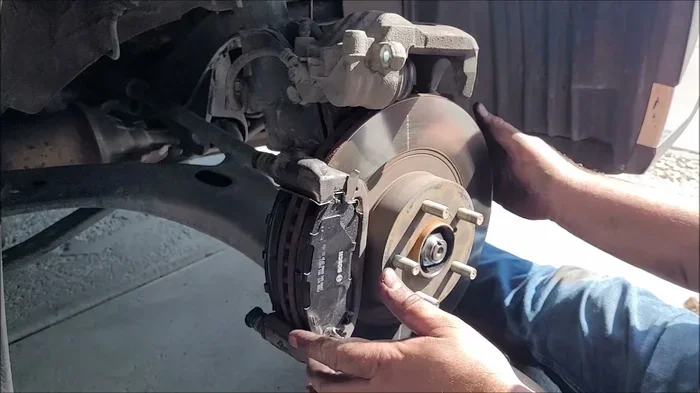
If you suspect your pads are worn, inspect them visually. You can often see the pad material through the wheel spokes. If the pad looks thin, less than a quarter inch, it is time for a replacement. Ignoring worn pads can lead to rotor damage, which is a much more expensive repair.
Low Brake Fluid
Brake fluid is essential for proper braking performance. It transmits the force from your foot on the pedal to the brake calipers at each wheel. Over time, brake fluid absorbs moisture from the air, which lowers its boiling point and can trigger the maintenance light.
Check your brake fluid reservoir, which is located in the engine bay near the back of the hood on the driver side. The fluid level should be between the minimum and maximum marks. If it is low, top it off with the correct DOT fluid for your Subaru model. If the fluid keeps dropping, you may have a leak that needs professional attention.
Faulty or Dirty Sensors
Brake sensors can get dirty, corroded, or simply fail over time. A faulty sensor sends incorrect signals to the car’s computer, which triggers the maintenance light even when the brakes are perfectly fine. Cleaning the sensor contacts or replacing a bad sensor usually solves this problem.
Corrosion is especially common in areas with harsh winters or road salt. If you live in a cold climate, inspect your brake sensors regularly. A simple cleaning with electrical contact cleaner can often fix the issue without replacing any parts.
ABS System Issues
The ABS system plays a big role in your overall braking performance. When the ABS system detects a problem, it can trigger the brake maintenance light. Common ABS issues include a faulty speed sensor, a failing ABS module, or wiring problems.
If you notice the ABS light coming on alongside the brake maintenance light, do not ignore it. The ABS system helps prevent wheel lockup during hard braking, especially on wet or icy roads. A malfunctioning ABS system reduces your safety. Use the method described earlier to read ABS codes without a scanner, or visit a mechanic who can run a full diagnostic.
Can You Drive with Brake Maintenance Mode On?
The short answer is yes, but with important caveats. Driving with the brake maintenance light on is not immediately dangerous in most cases. The light is a reminder, not an emergency alert. Your brakes will still work. However, driving with the light on means you are ignoring a potential problem, and that is never a good idea.
Safety Risks to Consider
If the light is on because of worn brake pads, your braking performance is already compromised. Worn pads increase stopping distance and reduce control, especially in emergency situations. Low brake fluid can lead to a spongy pedal or even brake failure in extreme cases. Neither of these scenarios is worth the risk.
Even if the light is on due to a simple sensor issue or a pending service reminder, it is best to address it promptly. A five-minute reset is easy. A brake failure on the highway is not.
When to See a Mechanic Immediately
You should see a mechanic right away if the brake maintenance light is accompanied by any of the following:
- A grinding or squealing noise when braking
- A soft or spongy brake pedal
- The car pulling to one side when braking
- Increased stopping distance
- The ABS light is also illuminated
- Visible fluid leaks near the wheels
These symptoms suggest a serious brake system problem that needs immediate professional attention. Do not delay. Your safety and the safety of others on the road depend on your brakes working properly.
Preventing Brake Maintenance Mode Alerts
The best way to deal with the brake maintenance light is to prevent it from coming back. Regular maintenance and smart driving habits go a long way toward keeping your braking system in top shape.
Stick to a Regular Inspection Schedule
Have your brakes inspected at every oil change or at least every 10,000 miles. A quick visual inspection can catch worn pads, low fluid, or sensor issues before they trigger the maintenance light. Most Subaru service centers include a brake check as part of their routine maintenance package.
Keep in mind that maintenance service schedules vary by model and year. Check your owner’s manual for the recommended service intervals specific to your Subaru. Staying on top of these intervals prevents most warning lights from appearing.
Keep Your Brake Fluid Fresh
Brake fluid should be flushed and replaced every two years or 30,000 miles, whichever comes first. Fresh fluid ensures consistent braking performance and prevents moisture-related damage to the system. Old, contaminated fluid can cause the maintenance light to trigger and can also degrade your braking performance over time.
Clean Your Brakes Regularly
Brake dust accumulates on your wheels and can cause sensor contamination over time. Regularly cleaning your wheels and brake components helps prevent false readings. Use a brake cleaner spray and a soft brush to gently remove dust and debris from the sensor area and caliper brackets.
Removing brake dust and grime from your wheels is similar to cleaning other hard-to-remove buildup on your car. If you have ever dealt with stubborn residue on glass or other surfaces, the approach is the same: gentle cleaning with appropriate products. For more tips on removing tough residue from car surfaces, check out our guide on how to remove difficult things from your auto glass, which covers techniques that work well on brake components too.
Drive Smart to Reduce Brake Wear
Your driving habits directly impact how fast your brake pads wear out. Aggressive driving, hard braking, and riding the brake pedal all accelerate pad wear. Smooth, gradual braking extends pad life and reduces the chances of triggering the maintenance light.
Also, keep in mind that extreme heat can affect your braking system. Driving in hot weather or towing heavy loads puts extra stress on brakes and fluid. If you live in a warm climate or frequently drive in summer conditions, take extra care with your brake maintenance. Our guide on preventing a car from overheating in summer includes tips that also help protect your brake system from heat-related stress.
Use Quality Parts
When replacing brake pads, rotors, or fluid, use high-quality parts that meet or exceed OEM specifications. Cheap brake pads may save money upfront but wear out faster and can cause noise, vibration, and premature sensor wear. Investing in quality components pays off in the long run with better performance and fewer maintenance warnings.
Expert Insights on Subaru Brake Maintenance
We spoke with several certified Subaru technicians to get their top tips for managing brake maintenance mode. Here is what the experts had to say.
Tip 1: Do not reset the light without fixing the problem. Many owners reset the light and drive on for months without checking their brakes. This is dangerous. Always inspect the brakes before resetting the light.
Tip 2: Keep a maintenance log. Recording every brake service, pad replacement, and fluid flush helps you track your car’s health and predict when the next service is due.
Tip 3: Pay attention to warning sounds. A high-pitched squeal when braking is your pad wear indicator doing its job. Do not ignore it. Addressing it early prevents rotor damage and keeps the brake maintenance light from returning.
Tip 4: Reset after every service. Make it a habit to reset the maintenance light every time you have work done on your car. This keeps the system accurate and prevents false alerts.
Tip 5: Know your model-specific quirks. Different Subaru models have slightly different brake systems and reset procedures. Always refer to your owner’s manual for model-specific guidance.
Key Takeaways
- Quick Reset Possible: Most Subaru models let you reset the brake maintenance light in under five minutes using the steering wheel controls.
- Underlying Causes Matter: The light often signals worn brake pads, low fluid, or a faulty sensor that needs real attention.
- Multiple Reset Methods Exist: You can reset manually, with a diagnostic tool, or by visiting a dealership or mechanic.
- Driving Is Possible but Risky: You can drive short distances with the light on, but ignoring it compromises safety.
- Prevention Is Simple: Regular brake inspections and timely fluid changes keep the warning light from returning.
- ABS Codes Help Diagnose Issues: Reading ABS codes without a scanner can reveal hidden brake system problems.
Conclusion
Getting your Subaru out of brake maintenance mode is simpler than most people think. Whether you use the steering wheel controls, the trip meter method, or a diagnostic scanner, the reset process takes just a few minutes. But the reset is only the beginning. The real value comes from understanding why the light appeared in the first place and taking steps to address the root cause.
Regular brake inspections, fresh brake fluid, clean sensors, and quality replacement parts all work together to keep your Subaru braking system reliable and your maintenance light off. When you take care of your brakes proactively, you not only avoid annoying dashboard warnings but also ensure your safety on the road every time you drive.
Do not let the brake maintenance light stress you out. Follow the steps in this guide, stay on top of your service schedule, and your Subaru will reward you with dependable braking performance for years to come. The road ahead is safer when you know exactly what your car is telling you and how to respond.
Frequently Asked Questions
How do I know if my brake pads need replacing?
Look for a grinding or squealing noise when braking, reduced braking performance, or a brake pad thickness of less than a quarter inch. Most Subaru models also have a wear indicator light that activates when pads are too thin. If you notice any of these signs, have your pads inspected right away.
Can I reset the brake maintenance light myself?
Yes, in most cases you can reset the light yourself using the steering wheel controls or trip meter method. The process takes about five minutes and requires no special tools. Just make sure you have addressed the underlying issue first, or the light will come back.
How often should I flush my brake fluid?
Subaru recommends flushing and replacing brake fluid every two years or 30,000 miles, whichever comes first. Fresh fluid ensures consistent braking performance and prevents moisture buildup that can damage the system over time.
What does it mean if the brake maintenance light keeps coming back?
A recurring light usually indicates an unresolved issue such as a faulty sensor, a brake fluid leak, or worn components that were not properly replaced during the last service. In this case, a professional diagnostic check is recommended to identify and fix the root cause.
Is it safe to drive with the brake maintenance light on?
It is generally safe for short distances if the brakes still feel normal. However, the light indicates that something needs attention, and ignoring it could lead to reduced braking performance or a more serious failure. Have the system inspected as soon as possible.
What is the difference between the brake maintenance light and the ABS light?
The brake maintenance light is a general reminder that your braking system needs service, while the ABS light specifically indicates a problem with the anti-lock braking system. Both lights can appear together if there is a serious issue. If either light is on, do not delay getting your car checked.