Does Toyota Check Engine Light Reset Itself on Its Own
The Toyota check engine light does not always reset itself automatically. In some cases, the light turns off after the issue is fixed and the system completes a few drive cycles. However, persistent problems require manual reset or professional Toyota diagnostic tools to clear the fault codes properly.
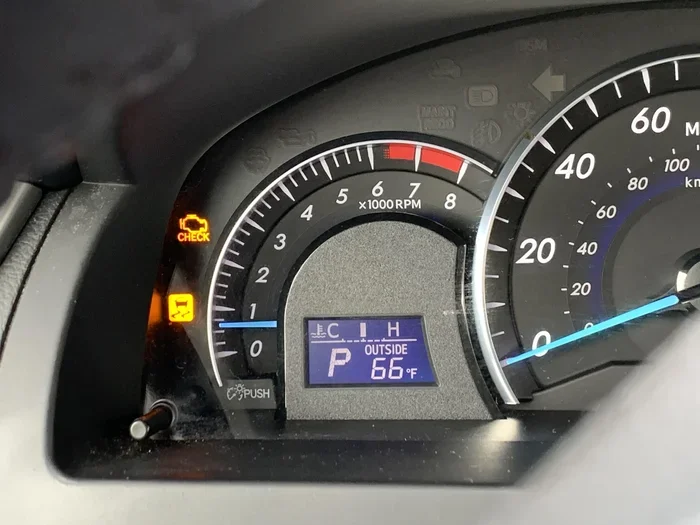
You are driving your Toyota down the road, and suddenly that little yellow engine icon lights up on your dashboard. Your heart drops. What does it mean? Will it go away on its own? More importantly, does Toyota check engine light reset itself without any effort from you?
This is a question Toyota owners ask all the time. The short answer is: sometimes it does, but not always. The longer answer depends on what triggered the light in the first place. In this guide, we will walk you through everything you need to know about the Toyota check engine light. We will cover what causes it, when it resets on its own, and what you should do when it stays on.
Whether you drive a Toyota Camry, a Toyota RAV4, or a Toyota Corolla, understanding your dashboard warning lights is essential. Let us break this down in simple, practical terms so you never have to wonder again.
Key Takeaways
- The check engine light may turn off on its own if the problem is minor and fixed naturally, like a loose gas cap.
- Toyota vehicles use OBD-II systems that store fault codes even after the light goes off.
- A manual reset is often needed using an OBD-II scanner or by disconnecting the battery.
- Common causes include loose fuel caps, sensor issues, and emission problems that trigger the light.
- Ignoring the light can lead to costly repairs like catalytic converter failure or engine misfires.
- Toyota service centers have specialized tools to properly diagnose and reset warning lights.
- Drive cycles matter because the Toyota system needs time to recheck all sensors before clearing codes.
📑 Table of Contents
- What Does the Toyota Check Engine Light Mean?
- Does the Check Engine Light Reset Itself on Its Own?
- How to Manually Reset the Toyota Check Engine Light
- Why You Should Never Ignore the Check Engine Light
- How Toyota’s Diagnostic System Works
- When to See a Professional
- Preventing Check Engine Light Issues in Your Toyota
- Final Thoughts on the Toyota Check Engine Light
What Does the Toyota Check Engine Light Mean?
The check engine light is part of your Toyota’s onboard diagnostics system. This system is called OBD-II, and it has been standard in all Toyota vehicles sold in the United States since 1996. The system constantly monitors your engine, emission controls, and various sensors. When it detects something is not working correctly, it stores a fault code and illuminates the check engine light.
The light can show up in two ways. Sometimes it stays solid. Other times, it flashes. A solid light usually means there is a non-emergency issue. A flashing light, however, signals a more serious problem, often related to engine misfires or catalytic converter damage. If your light is flashing, you should pull over safely and get your Toyota inspected right away.
Common Reasons the Check Engine Light Comes On
There are dozens of reasons the check engine light might activate. Here are the most common ones Toyota owners encounter:
- Loose or damaged gas cap – This is the number one cause. A loose fuel cap lets vapor escape from the tank, which messes with the emission system.
- Faulty oxygen sensor – This sensor measures unburned oxygen in your exhaust. When it fails, fuel economy drops and emissions rise.
- Catalytic converter issues – A failing catalytic converter is expensive to fix and often triggers the light.
- Mass airflow sensor failure – This sensor tells the engine how much air is coming in. A bad reading causes poor performance.
- Spark plug or ignition coil problems – Worn spark plugs can cause engine misfires that activate the warning.
- Emission control system faults – Any part of the emission system can trigger the light if it is not working properly.
Each of these issues stores a specific fault code in your Toyota’s computer. A mechanic can read these codes with an OBD-II scanner to pinpoint the exact problem.
Does the Check Engine Light Reset Itself on Its Own?
Here is where things get interesting. The answer to does Toyota check engine light reset itself is not a simple yes or no. It depends on the severity of the issue and how your Toyota’s system is designed.
When the Light Does Reset Itself
In some situations, the Toyota check engine light will turn off by itself. This usually happens when:
- The issue is minor – For example, if your gas cap was loose and you tightened it, the system may detect the fix during the next drive cycle.
- The problem clears naturally – Sometimes a temporary sensor glitch goes away on its own. The system rechecks and finds no problem, so it turns the light off.
- Multiple drive cycles complete – Toyota vehicles run through several drive cycles before they fully re-evaluate all systems. After enough cycles without the problem reappearing, the light may go off.
A drive cycle is essentially a series of engine operations that test different parts of your vehicle. It includes cold starts, idling, highway driving, and stop-and-go conditions. Toyota needs to see consistent good readings across all these conditions before it clears a fault code.
When the Light Does Not Reset Itself
Unfortunately, not all check engine lights go away on their own. The light will stay on if:
- The problem is ongoing – If the faulty sensor or component is still broken, the system keeps storing the code and the light stays illuminated.
- The issue is serious – Major problems like a bad catalytic converter or severe engine misfire will keep the light on until the repair is made.
- The fault code has not been cleared – Even after you fix the problem, the stored code may keep the light on until it is manually cleared.
Many Toyota owners make the mistake of thinking the light is off because the problem is solved. But the fault code is still in the computer. The only way to clear it is to use a diagnostic tool or reset the system.
How to Manually Reset the Toyota Check Engine Light
If your Toyota check engine light stays on after you have fixed the problem, you may need to reset it manually. There are a few ways to do this. Some are simple and free, while others require professional tools.
Method 1: Use an OBD-II Scanner
An OBD-II scanner is the best tool for the job. You can buy one at most auto parts stores for under $50. Here is how it works:
- Locate your Toyota’s OBD-II port. It is usually under the dashboard on the driver’s side.
- Plug the scanner into the port.
- Turn the ignition to the “On” position (do not start the engine).
- Follow the scanner’s instructions to read and clear the fault codes.
- The check engine light should turn off after the codes are cleared.
This method is the most reliable because it actually removes the stored codes from your Toyota’s computer. Some scanners also let you monitor live sensor data, which is helpful for diagnosing issues.
Method 2: Disconnect the Battery
Some people ask, does unplugging a car battery reset codes? The answer is yes, but with caveats. Disconnecting the negative battery terminal for about 15 minutes can reset the Toyota computer and clear fault codes. However, this method also erases other settings like your radio presets, clock, and power window calibration.
Additionally, some Toyota models are smarter about this. They may not clear codes from a simple battery disconnect. They need a proper drive cycle after reconnection to fully re-evaluate the system. If you go this route, make sure you know what you are losing before you disconnect anything.
Method 3: Visit a Toyota Service Center
The safest and most thorough option is to visit a Toyota service center. They have professional-grade diagnostic tools that can read every fault code, clear them properly, and verify that all systems are working correctly. If you are not sure what triggered the light, this is the best first step. A technician can also tell you if the issue is something you can fix yourself or if it needs professional attention.
Many Toyota owners wonder if does maintenance service include an oil change and similar basic services are enough to keep warning lights away. Regular maintenance goes a long way in preventing check engine light issues, but it does not cover every possible trigger.
Why You Should Never Ignore the Check Engine Light
It is tempting to ignore the check engine light, especially if your Toyota seems to be driving fine. But ignoring it is a mistake. Here is why:
- Small problems become big problems – A loose gas cap is cheap to fix. A damaged catalytic converter costs over $1,000 to replace.
- Fuel economy suffers – Many issues that trigger the check engine light also reduce your gas mileage. You could be losing miles per gallon every day.
- Emissions testing may fail – If your state requires emissions testing, a check engine light means automatic failure in most cases.
- Engine damage can occur – Issues like engine misfires or low oil pressure can cause permanent engine damage if left unchecked.
The check engine light is your Toyota’s way of telling you something needs attention. Treating it as a suggestion instead of a warning is never a good idea.
Quick Tips for Toyota Owners
- Check your gas cap first – Before anything else, make sure your fuel cap is tight. This fixes the problem about 20% of the time.
- Do not panic if the light flashes and then stops – A temporary flash can happen, but if it returns, get it checked.
- Keep an OBD-II scanner in your glove box – It is one of the most useful tools a Toyota owner can have.
- Note when the light came on – Did it happen after filling up gas? After a long drive? This information helps mechanics diagnose the issue faster.
- Do not keep driving with a flashing light – A flashing check engine light means stop driving and get help immediately.
How Toyota’s Diagnostic System Works
Toyota vehicles use a sophisticated diagnostic system that goes beyond just turning on a light. The onboard computer continuously monitors dozens of sensors and systems. Here is a quick look at how it works:
- Sensors – Your Toyota has sensors for oxygen levels, engine temperature, airflow, throttle position, and much more.
- Computer (ECU) – The engine control unit processes data from all sensors and compares it to expected values.
- Fault codes – When a reading falls outside the expected range, the ECU stores a specific code that identifies the problem.
- Warning lights – The ECU triggers the check engine light or other dashboard warnings based on the severity of the issue.
- Self-clearing logic – After a problem is resolved, the system runs through several drive cycles. If the problem does not return, it clears the code and turns off the light.
Understanding this system helps you know what to expect when the check engine light comes on. It also explains why sometimes the light goes away on its own and other times it does not.
Common Toyota Models and Check Engine Light Issues
Different Toyota models have different tendencies when it comes to check engine light issues. Here are a few examples:
- Toyota Camry – Often triggered by oxygen sensor failures and loose gas caps.
- Toyota RAV4 – Known for catalytic converter issues in higher mileage vehicles.
- Toyota Corolla – Spark plug and ignition coil problems are common triggers.
- Toyota Highlander – Mass airflow sensor failures occur frequently in older models.
- Toyota Tacoma – Gas cap issues and EVAP system leaks are common causes.
If you own one of these models, knowing the common triggers can help you respond faster when the light comes on. It also helps you understand that some issues are more model-specific than others.
When to See a Professional
You can handle some check engine light situations on your own. Tightening a loose gas cap is something anyone can do. But there are times when you absolutely need professional help.
You should see a Toyota mechanic if:
- The check engine light is flashing
- You notice poor engine performance or strange noises
- The light comes on along with other warning lights
- You have tried tightening the gas cap and the light stays on after several drive cycles
- Your Toyota is showing other symptoms like reduced power or rough idling
A professional Toyota mechanic has access to advanced diagnostic equipment that can read manufacturer-specific codes. These codes go beyond what a basic OBD-II scanner shows. They give a much clearer picture of what is going on inside your engine.
Many Toyota dealerships also offer free or low-cost code reading services. It is worth calling your local Toyota service center before you pay for a diagnostic at an independent shop. Sometimes the fix is simpler and cheaper than you think.
Preventing Check Engine Light Issues in Your Toyota
The best way to deal with the check engine light is to prevent it from coming on in the first place. Regular Toyota maintenance goes a long way. Here are some preventive steps you can take:
- Keep up with oil changes – Fresh oil keeps your engine running smoothly and prevents many issues that trigger warning lights.
- Replace spark plugs on schedule – Worn spark plugs cause misfires that activate the check engine light.
- Check your gas cap regularly – Make sure it seals properly every time you refuel.
- Address small issues quickly – Do not ignore minor symptoms like slight rough idling or reduced fuel economy.
- Use the right fuel – Using the recommended fuel grade for your Toyota model prevents engine knock and other fuel-related issues.
- Get regular inspections – A routine inspection can catch problems before they trigger the check engine light.
Taking these steps does not guarantee you will never see the check engine light. But it does significantly reduce your chances of dealing with unexpected warning lights and costly repairs.
Final Thoughts on the Toyota Check Engine Light
So, does Toyota check engine light reset itself? The answer is: it depends. Minor issues like a loose gas cap may resolve on their own after a few drive cycles. But most problems need a manual reset or professional diagnosis to fully clear. The key is to never ignore the light, no matter how minor it seems.
Your Toyota is a complex machine with sophisticated diagnostics. The check engine light is there to protect your engine and keep your vehicle running safely. Respect it, respond to it quickly, and you will save money, fuel, and headaches in the long run. Whether you use a simple OBD-II scanner or visit a Toyota service center, taking action is always better than hoping the light will just go away.
Stay proactive with your Toyota maintenance, keep an eye on your dashboard, and remember that a quick response to the check engine light can prevent major repairs down the road. Your Toyota will thank you with years of reliable service.
Frequently Asked Questions
How long does it take for a Toyota check engine light to reset itself?
If the issue is minor and resolved, the Toyota system may clear the light after 10 to 20 drive cycles. A drive cycle includes a cold start followed by normal driving. If the problem keeps coming back, the light will stay on and the fault code will remain stored in the computer.
Can I drive my Toyota with the check engine light on?
If the light is solid and your Toyota is driving normally, you can usually drive a short distance to a safe location or mechanic. However, if the light is flashing, you should stop driving immediately and get your vehicle towed to avoid serious engine damage.
Does a loose gas cap always trigger the check engine light?
Not always, but a loose or damaged gas cap is one of the most common triggers. The Toyota emission system relies on a sealed fuel tank. When the cap does not seal properly, vapor escapes and the system flags it as a leak, which turns on the check engine light.
Will disconnecting the battery reset the Toyota check engine light?
Disconnecting the battery can reset the light temporarily, but it may not clear all fault codes. Some Toyota models require a proper diagnostic scan to fully clear stored codes. Also, battery disconnects erase other settings like your radio presets and clock.
How much does it cost to diagnose a Toyota check engine light?
Many auto parts stores offer free OBD-II code reading. If you visit a Toyota dealership or mechanic, diagnostic fees typically range from $50 to $150 depending on the location and complexity of the issue.
What is the difference between a solid and flashing check engine light on a Toyota?
A solid check engine light indicates a non-emergency issue that needs attention soon. A flashing check engine light signals a serious problem, often an engine misfire that can damage the catalytic converter. A flashing light requires immediate attention.
=== CONCLUSION ===
Does Toyota check engine light reset itself? The answer is nuanced. Sometimes it does, especially for minor issues that resolve naturally. But most of the time, you need to take action. Whether that means tightening your gas cap, using an OBD-II scanner, or visiting a Toyota service center, the important thing is to respond quickly. Ignoring the check engine light never ends well. Stay informed, stay proactive, and keep your Toyota running strong for miles to come.