Does a Toyota Hold Its Value Better Than Other Cars
Does a Toyota hold its value better than other cars? Yes, and the gap is significant. Toyota vehicles consistently outperform competitors in resale value thanks to unmatched reliability and strong demand. Toyota resale value remains a top reason buyers choose the brand.
Does a Toyota hold its value better than other cars? The answer is a resounding yes. When you look at the Toyota resale value charts year after year, the brand consistently sits at the top. Whether you are buying a new SUV or a used sedan, a Toyota tends to lose less money over time than its competitors. This is not a coincidence. It comes down to a mix of reliability, brand trust, and real-world durability that few other manufacturers can match.
Many car buyers focus on the sticker price and forget about the long-term cost of ownership. A car that holds its value saves you thousands when it is time to trade in or sell. Toyota understands this, and it builds vehicles with that reputation in mind. In this article, we will break down exactly why a Toyota holds its value so well, compare it to other brands, and give you practical tips to maximize your own vehicle’s worth.
By the end, you will know which Toyota models are the best investments, how depreciation works, and what you can do to protect your resale price. Let us dive in.
Key Takeaways
- Toyota holds value better than most brands: average depreciation is lower than the industry norm.
- Reliability is the biggest factor: fewer repairs mean higher resale and lower cost of ownership.
- Certain models outperform others: the Tacoma, 4Runner, and Camry lead the pack.
- Hybrid Toyotas are gaining value: fuel efficiency boosts demand and protects resale price.
- Maintenance history matters: full service records increase trade-in and private sale worth.
- Buy used to save, sell late to profit: timing your purchase and sale maximizes equity.
📑 Table of Contents
Why Toyota Holds Its Value So Well
Toyota has earned a reputation that few brands can rival. When people think of a reliable car, they often think of Toyota first. That reputation does not happen by accident. It is built over decades of consistent engineering and customer satisfaction.
The Reliability Factor
Toyota vehicles are famous for lasting well beyond 200,000 miles. According to a study by iSeeCars, the Toyota Camry is one of the longest-lasting cars on the road. You can find plenty of examples of a Toyota Camry going to 500,000 miles with proper care. That kind of longevity naturally boosts resale value. Buyers know they are getting a car that will not break the bank with repairs.
Reliability also means lower maintenance costs over the life of the vehicle. When a car needs fewer visits to the shop, it retains more of its original worth. This is a huge factor in Toyota depreciation rates compared to brands that require more frequent fixes. A Toyota reliability rating is not just a number; it translates directly into real-world savings and a stronger resale market position.
Brand Loyalty and Market Demand
Toyota has one of the most loyal customer bases in the automotive world. People who buy a Toyota often come back for their next vehicle. This repeat business creates strong demand in the used car market. High demand means better resale prices and a quicker sale when you are ready to move on.
The Toyota brand loyalty also extends to trucks and SUVs. Models like the Tacoma and 4Runner have cult followings. A used Tacoma can sell for near its original price because buyers are willing to wait for one. This demand acts as a buffer against steep depreciation and helps Toyota retain value far better than the average car depreciation rate.
Toyota vs. Other Brands: Depreciation Comparison
To understand how a Toyota stacks up, we need to look at the numbers. Depreciation is the biggest cost of owning a car. Most vehicles lose about 15% to 25% of their value in the first year. Toyota typically falls on the lower end of that range, which makes it a standout in the Toyota cost of ownership conversation.
How Long Does a Toyota Last?
The average lifespan of a Toyota is impressive. Many models easily reach 250,000 to 300,000 miles. The Toyota 4Runner is a great example. Its durability is legendary. You can read more about the average life expectancy of a Toyota 4Runner to see how it holds up over time. This durability directly impacts its resale value and makes it a top choice for buyers who want a vehicle that will last.
When you compare a Toyota to a similar-sized SUV from a domestic brand, the difference is clear. The Toyota will likely have a higher trade-in value after five years. That is money back in your pocket. The Toyota longevity is a key selling point that sets it apart from competitors with shorter lifespans.
Resale Value by Model
Not all Toyotas are created equal when it comes to holding value. Here is a quick look at how some popular models compare:
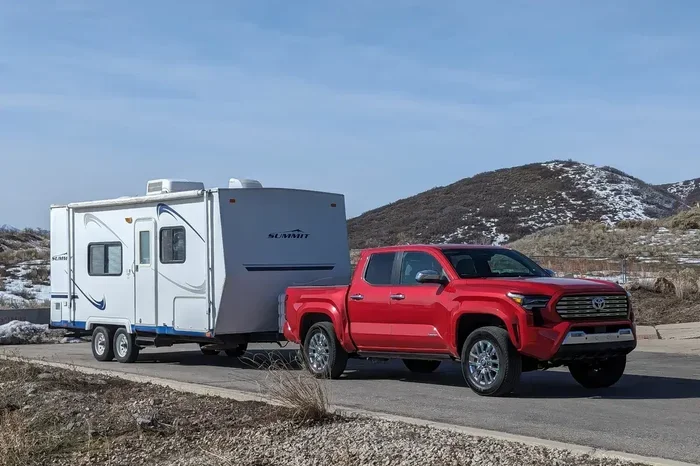
- Toyota Tacoma: Holds about 65% of its value after 5 years. One of the best in the truck segment for Toyota truck resale.
- Toyota 4Runner: Retains roughly 60% of its value. The rugged off-road reputation keeps demand high and supports strong Toyota SUV value.
- Toyota Camry: Holds around 55% of its value. A solid sedan that buyers trust for daily commuting.
- Toyota RAV4: Depreciates a bit faster but still above average for compact SUVs.
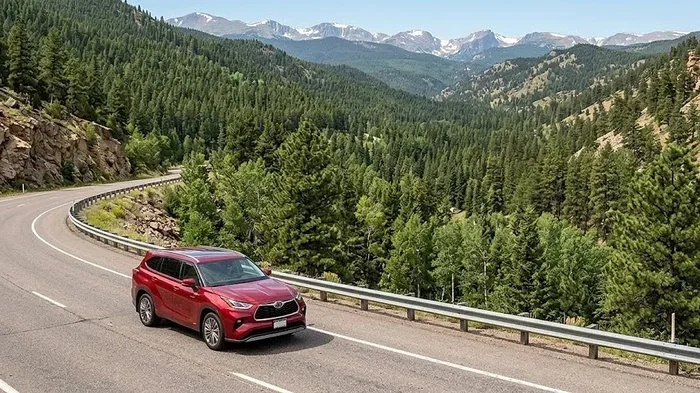
- Toyota Highlander: Similar to the RAV4, with strong family-friendly demand.
Compare these numbers to the average for all cars, which is around 40% to 50% after five years. Toyota consistently outperforms the average. This means a used Toyota price stays higher for longer, making it a smarter financial choice.
Factors That Affect Toyota Depreciation
While Toyota builds durable vehicles, several factors influence how fast a specific car loses value. Understanding these can help you make a smarter purchase and protect your trade-in value.
Mileage and Condition
Mileage is the single biggest factor in depreciation. A car with 150,000 miles will be worth less than one with 80,000 miles, even if they are the same year. However, a high mileage Toyota that was well-maintained can still hold its value better than a low-mileage car from a less reliable brand.
The condition of the interior and exterior also matters. Dents, scratches, and worn upholstery can lower the resale price. Keeping your Toyota clean and fixing small issues promptly helps preserve its worth. A well-kept Toyota maintenance cost record shows buyers that the vehicle was cared for.
Maintenance History
A full service history is a selling point. When you sell your Toyota, buyers love to see records of oil changes, tire rotations, and major services. This proves the vehicle was cared for. A Toyota maintenance log can add hundreds of dollars to your trade-in value.
On the flip side, a car with no records or known issues will depreciate faster. Always follow the recommended Toyota maintenance schedule to protect your investment. This simple habit pays off directly when you are ready to sell or trade in.
Best Toyota Models for Holding Value
If you are looking to buy a Toyota specifically for its resale potential, some models stand out. These vehicles combine reliability with strong market demand and offer the best Toyota hold value characteristics.
SUVs and Trucks
The Tacoma and 4Runner are the kings of value retention in the Toyota lineup. The Tacoma, in particular, has a reputation for being virtually indestructible. Its resale value is so strong that some people buy used Tacomas specifically because they hold up so well. The 4Runner shares a similar story. It is a rugged, off-road capable SUV that buyers trust for the long haul.
Another strong contender is the Toyota Tundra. While full-size trucks generally depreciate faster, the Tundra holds value better than many competitors. Its durability and towing capacity make it a practical choice that remains desirable on the used market. If you are considering a truck, the Tundra is a smart pick for Toyota truck resale.
Sedans and Compacts
The Camry and Corolla are Toyota’s best-selling sedans, and they also hold value well. The Camry is known for its comfort and longevity. The Corolla is the economy choice that still delivers reliability. Both models are common in the used market, which keeps demand steady and supports used Toyota prices that stay firm.
For those interested in hybrid technology, the Toyota Prius and RAV4 Hybrid are worth mentioning. Hybrid Toyotas are gaining popularity, and their fuel efficiency helps them hold value. You can explore whether do hybrid SUVs hold their value in our dedicated article, which shows that the trend is positive for Toyota’s hybrid lineup. The Toyota demand for efficient vehicles continues to grow.
How to Maximize Your Toyota’s Resale Value
Buying a Toyota is only half the battle. How you own it determines how much it is worth when you sell. Here are some proven strategies to keep your vehicle’s value high and protect your Toyota resale value.
Follow the Maintenance Schedule
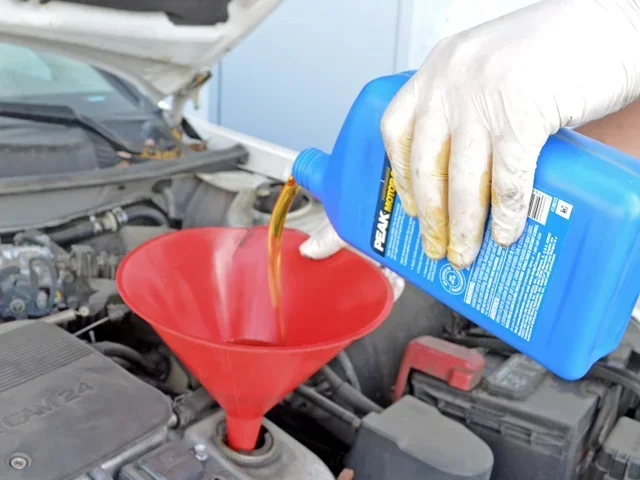
Stick to the factory-recommended service intervals. Change the oil on time, rotate the tires, and replace fluids as needed. These simple steps prevent major problems and show future buyers that the car was well cared for. Regular maintenance also keeps the Toyota maintenance cost predictable and low.
Keep Records
Save every receipt and service invoice. A binder or digital folder with your maintenance history is a powerful selling tool. It builds trust and can justify a higher asking price. A complete record is one of the easiest ways to boost your trade-in value.
Avoid Modifications
Aftermarket wheels, loud exhausts, or heavy body kits can turn off buyers. Stick to factory specifications. If you must modify, choose changes that are easily reversible. The more stock a Toyota looks, the easier it is to sell at a premium. Modifications can limit your resale market appeal.
Drive Gently
Aggressive driving accelerates wear and tear. Smooth acceleration, gentle braking, and obeying speed limits all contribute to a longer-lasting vehicle. A Toyota that has been driven calmly will always fetch a better price than one that has been abused. Gentle driving also reduces Toyota depreciation over time.
Sell at the Right Time
Timing matters. Selling a Toyota just before a new model year launch can yield a better price. Also, consider the season. Convertibles sell better in spring and summer, while trucks and SUVs are in demand year-round. Do your research on the local market to find the sweet spot. Good timing can mean the difference between a fair price and a great one.
The Bottom Line: Is a Toyota Worth It?
The answer is clear. A Toyota holds its value better than most other cars on the road. The combination of reliability, durability, and brand demand creates a vehicle that costs less to own over time. Whether you buy new or used, a Toyota is a smart financial choice that delivers long-term benefits.
If you are still on the fence, consider the long-term savings. A car that depreciates slowly means more equity in your vehicle. You can trade it in for a better deal or sell it privately for a handsome profit. Toyota has built its legacy on vehicles that work hard and last long, and that reputation shows in every transaction. The Toyota hold value advantage is real and measurable.
So the next time you are in the market for a car, remember that a Toyota is not just a mode of transportation. It is an investment that holds its worth. Choose a Toyota, and you choose peace of mind and value retention. Your future self will thank you when it is time to sell.
Frequently Asked Questions
Which Toyota holds its value the longest?
The Toyota Tacoma and 4Runner consistently top the list for longest value retention. Both models have strong brand loyalty and legendary durability that keep resale prices high.
How much does a Toyota depreciate in 5 years?
On average, a Toyota loses about 35% to 45% of its value over five years. This is significantly less than the industry average of 50% or more, making Toyota one of the best brands for slow depreciation.
Is it better to buy a new or used Toyota for value?
Buying a used Toyota is often the smartest move for value. You avoid the steep first-year depreciation hit and still get a reliable vehicle with plenty of life left. A certified pre-owned Toyota can offer the best of both worlds.
Does Toyota reliability really affect resale price?
Yes, absolutely. Reliability is the single biggest factor in resale price. Cars that need fewer repairs and last longer naturally hold more value. Toyota’s reputation for reliability directly translates into higher resale prices.
Can I improve my Toyota’s trade-in value?
Yes, by following the maintenance schedule, keeping detailed records, and avoiding modifications. A clean, well-documented Toyota with low mileage will always fetch a higher trade-in value than a neglected one.
Are Toyota hybrids a good investment for resale?
Toyota hybrids are an excellent investment for resale. Their fuel efficiency and proven reliability create strong demand in the used market. Hybrid Toyotas tend to hold their value better than their gas-only counterparts.