How Do You Turn Off the Check Engine Light on Toyota Tacoma
The check engine light on a Toyota Tacoma can mean anything from a loose gas cap to a serious engine problem. This guide shows you exactly how to diagnose, address, and turn off the check engine light on your Toyota Tacoma. You will learn simple DIY methods, when to see a mechanic, and how to prevent the warning from coming back.
The check engine light on a Toyota Tacoma can send anyone into a panic. One moment you are driving along, and the next, that little yellow engine icon lights up on your dashboard. It is frustrating, confusing, and honestly a bit scary. But here is the good news — most of the time, the problem is simple and fixable.
In this guide, we walk you through everything you need to know about the check engine light on a Toyota Tacoma. You will learn what triggers it, how to read the codes, and exactly how to turn off the check engine light on Toyota Tacoma. Whether you are a DIY whiz or a complete beginner, this article has you covered.
So grab a cup of coffee, and let us get into it. By the end of this read, you will know exactly what to do when that dreaded light shows up.
## What the Check Engine Light Means on a Toyota Tacoma
The check engine light is part of your Toyota Tacoma’s onboard diagnostics system. It is also called the malfunction indicator lamp, or MIL. This little light watches over your engine and emissions system. When it detects something is off, it turns on and stores a fault code in the computer.
### Understanding the Dashboard Warning
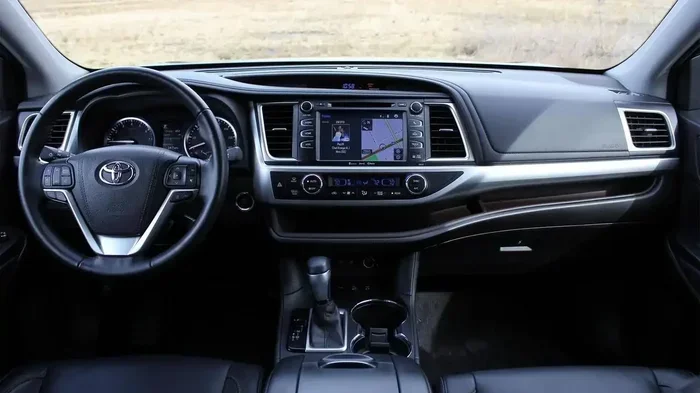
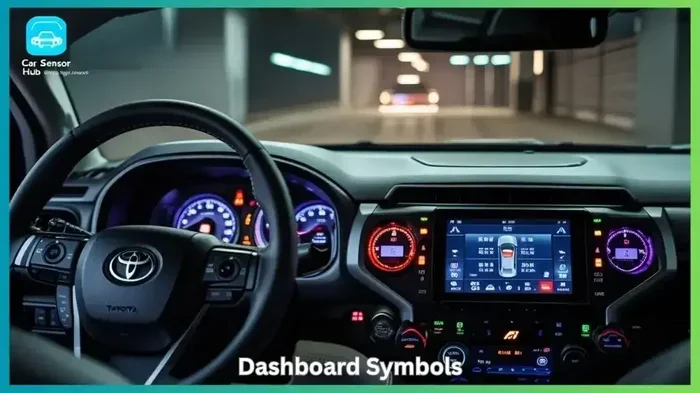
Your Toyota dashboard has several warning lights. The check engine light usually looks like an engine outline. Sometimes it says “CHECK ENGINE” in plain text. It can be yellow, orange, or amber. The color and behavior of the light tell you a lot about how urgent the issue is.
A steady light usually means a less urgent problem. A flashing light, on the other hand, signals something serious. A flashing check engine light means the engine is misfiring, and unburned fuel is entering the exhaust system. This can damage the catalytic converter quickly and lead to expensive repairs.
### Common Causes of the Check Engine Light
There are dozens of reasons the check engine light might come on. Here are the most common ones for a Toyota Tacoma:
- Loose or damaged gas cap — This is the number one cause. A loose cap lets fuel vapors escape and triggers the emissions warning.
- Faulty oxygen sensor — The sensor measures unburned oxygen in the exhaust. When it fails, fuel economy drops and emissions rise.
- Catalytic converter issues — A failing converter reduces engine performance and triggers the light.
- Mass airflow sensor failure — This sensor measures the air entering the engine. A bad reading causes poor combustion.
- Worn spark plugs or ignition coils — Misfires from old spark plugs are a very common trigger.
- Engine vacuum leaks — Cracked hoses or loose connections can cause lean fuel mixtures.
- EGR valve problems — The exhaust gas recirculation valve can get clogged or stuck.
If you recently filled up at the gas station, try tightening the cap first. That alone fixes the problem about 20 percent of the time.
## Tools You Need to Diagnose the Problem
Before you can turn off the check engine light, you need to know what is causing it. The right tools make this process much easier. You do not need to be a mechanic to handle this.
### Using an OBD-II Scanner
An OBD-II scanner is the best tool for diagnosing a check engine light. OBD stands for onboard diagnostics. The scanner plugs into a port under your dashboard and reads the fault codes stored in your truck’s computer.
You can buy a basic OBD-II scanner for under $30. More advanced models cost more but offer live data and enhanced features. Some scanners even connect to your phone through Bluetooth. This makes reading codes super easy right from your couch.
To use the scanner, follow these steps:
- Turn off the Toyota Tacoma engine.
- Locate the OBD-II port. It is usually under the dash on the driver’s side.
- Plug the scanner into the port.
- Turn the ignition to the “on” position — do not start the engine.
- Follow the scanner’s prompts to read the codes.
- Write down or save the codes for reference.
### Interpreting Diagnostic Trouble Codes
The codes you get from the scanner are called diagnostic trouble codes, or DTCs. Each code starts with a letter followed by four numbers. The letter tells you the category:
- P — Powertrain (engine and transmission)
- B — Body (airbags, climate control)
- C — Chassis (brakes, suspension)
- U — Network (communication between modules)
For example, a code like P0441 means there is an issue with the evaporative emission control system. You can look up the code online or in your scanner’s manual to understand what it means.
If you are not comfortable reading codes yourself, you can visit any auto parts store. Many stores like AutoZone or O’Reilly offer free code reading services. Just remember that clearing the light without fixing the problem will only make it come back.
## Step-by-Step Guide to Turn Off the Check Engine Light on Toyota Tacoma
Now for the part you have been waiting for — how to actually turn off the check engine light. There are three main methods. The best one depends on what is causing the light in the first place.
### Method 1: Fix the Underlying Issue
The best and most permanent way to turn off the check engine light is to fix the actual problem. If a loose gas cap triggered the light, tightening it might do the trick. After a few days of normal driving, the light should turn off on its own.
If the oxygen sensor is failing, replacing it will clear the code. The same goes for spark plugs, vacuum hoses, or any other faulty part. Once the repair is done, the truck’s computer needs a few driving cycles to re-evaluate the system. This usually takes about 50 to 100 miles of driving.
Here is a pro tip: after you fix the issue, drive your Tacoma normally for a few days. Avoid aggressive acceleration. Let the truck’s computer run its self-checks. The check engine light should go off by itself once the system confirms everything is working properly.
### Method 2: Disconnect the Battery
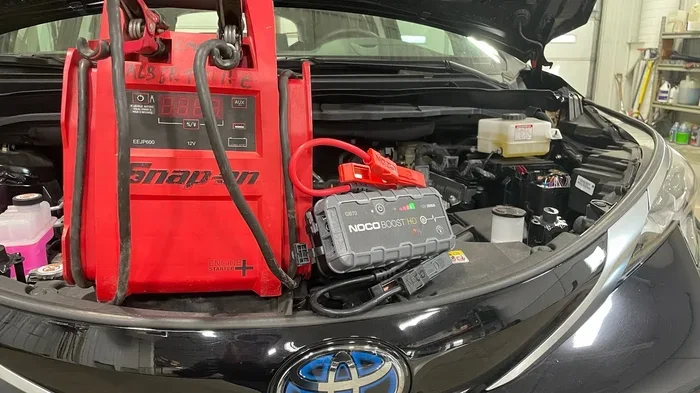
Disconnecting the battery is a quick way to reset the check engine light. This method works because it clears the stored codes from the truck’s memory. However, it does not fix the underlying problem. The light will come back if the issue is still there.
Here is how to do it safely:
- Turn off the engine and all accessories.
- Open the hood and locate the negative battery terminal.
- Use a wrench to loosen the nut on the negative cable.
- Remove the cable from the terminal and move it away from the battery.
- Wait at least 15 minutes.
- Reconnect the cable and tighten the nut.
- Start the engine and check if the light is off.
Keep in mind that disconnecting the battery will also reset your radio presets, clock, and possibly other settings. Some Toyota models may need a radio code after a battery disconnect, so check your owner’s manual first.
Also, some newer Toyota Tacomas have systems that are harder to reset with a battery disconnect. If this method does not work, move on to Method 3.
### Method 3: Use an OBD-II Scanner to Clear Codes
An OBD-II scanner is the cleanest and most reliable way to reset the check engine light. Once you have read the codes and fixed the problem, you can use the scanner to clear them from the system.
Here is the process:
- Plug the scanner into the OBD-II port.
- Turn the ignition to the “on” position.
- Navigate to the “Clear Codes” or “Erase DTCs” option on the scanner.
- Confirm the action.
- Turn off the ignition and wait a few seconds.
- Start the engine and check if the light is off.
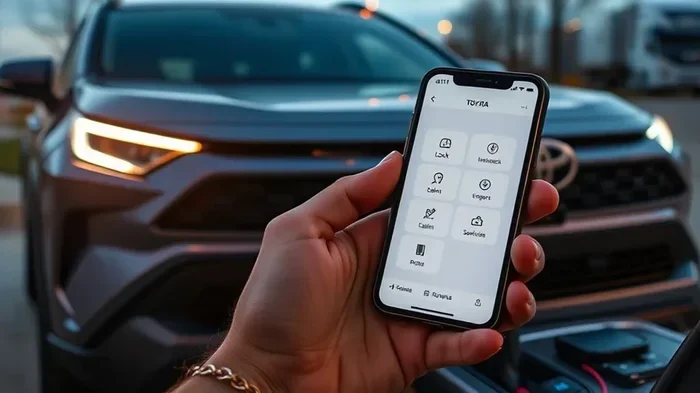
Most OBD-II scanners make this process straightforward. If you are using a Bluetooth scanner connected to your phone, the process is similar but done through an app.
If you want to learn more about how scanners work and how to read codes without one, you can check out this guide on how to read ABS codes without a scanner. The process is similar for different types of diagnostic codes.
## When You Should NOT Ignore the Check Engine Light
It is tempting to just ignore the check engine light and keep driving. Sometimes the truck feels fine, so why worry? But ignoring the light can lead to bigger problems and more expensive repairs down the road.
### Flashing vs. Solid Light
A solid check engine light means you should get it checked soon, but it is not usually an emergency. A flashing check engine light, however, is a different story entirely. A flashing light means there is an active misfire that can damage your catalytic converter.
If you see a flashing light, here is what you should do:
- Reduce your speed immediately.
- Avoid heavy acceleration.
- Find a safe place to pull over.
- Call a tow truck or a mobile mechanic if the light is flashing and the truck feels rough.
Driving with a flashing check engine light for even a short distance can cause thousands of dollars in damage to the catalytic converter and exhaust system.
### Driving Safety Considerations
Even with a steady check engine light, pay attention to how your Tacoma is running. If you notice any of these symptoms, stop driving and get help:
- Loss of power — The truck feels sluggish or weak.
- Strange noises — Knocking, pinging, or rattling sounds from the engine.
- Poor fuel economy — You are filling up way more often than usual.
- Smells — A rotten egg smell or burning odor from the exhaust.
- Smoke — Any smoke from the tailpipe or under the hood.
These signs suggest a serious problem that needs immediate attention.
## Preventing the Check Engine Light from Coming Back
Once you have successfully turned off the check engine light, you want to keep it off. Prevention is always better than cure, and a little regular maintenance goes a long way.
### Regular Maintenance Tips
Keeping your Toyota Tacoma in great shape reduces the chances of the check engine light coming back. Here are some simple habits that make a big difference:
- Check your gas cap after every fill-up. Make sure it clicks at least three times when you tighten it.
- Change your spark plugs on schedule. Refer to your owner’s manual for the recommended interval.
- Use the right grade of fuel. Using lower-octane fuel than recommended can trigger the light.
- Keep up with oil changes. Fresh oil keeps the engine running smoothly and reduces stress on sensors.
- Inspect hoses and connections regularly. Look for cracks, leaks, or loose fittings under the hood.
If you want to stay on top of your truck’s health, consider creating a maintenance schedule. A simple routine helps you catch small problems before they turn into big ones. You can find helpful tips on how to create a maintenance schedule for your vehicle.
### When to Visit a Repair Shop
Sometimes the problem is beyond a DIY fix. If you have tried tightening the gas cap, resetting the light, and it comes back within a few days, it is time to see a professional. A certified mechanic has the tools and experience to find problems that a basic scanner might miss.
You should also visit a repair shop if the check engine light comes on and your Tacoma is showing any other warning signs. A trained eye can spot issues early and save you money in the long run.
For Toyota Tacoma owners, you can take your truck to any Toyota dealership for diagnostics and repairs. They have access to factory-level diagnostic tools and genuine Toyota parts. This is especially helpful if your truck is still under warranty.
## Final Thoughts
The check engine light on a Toyota Tacoma does not have to be a scary experience. Most of the time, the cause is something simple like a loose gas cap or a worn spark plug. With the right tools and a little patience, you can diagnose the problem, fix it, and turn off the check engine light on Toyota Tacoma yourself.
Remember to always address the root cause before clearing the codes. A quick reset without a real fix will just bring the light back. And if the light is flashing, do not ignore it — get professional help right away.
Regular maintenance is your best friend when it comes to keeping the check engine light off. Stay on top of oil changes, spark plug replacements, and gas cap checks. Your Toyota Tacoma will reward you with years of reliable service.
Now that you know exactly what to do, the next time that yellow light comes on, you will not panic. You will know exactly what to do.
Key Takeaways
- A loose gas cap is the most common reason the check engine light comes on in a Toyota Tacoma.
- An OBD-II scanner helps you read fault codes and understand what triggered the warning.
- You can reset the light by fixing the issue, disconnecting the battery, or using a scanner.
- A flashing check engine light means a serious problem — pull over and get help immediately.
- Regular truck maintenance keeps the emissions system healthy and prevents future warnings.
- Ignoring the check engine light can lead to costly repairs and failed emissions tests.
Frequently Asked Questions
Can I drive my Toyota Tacoma with the check engine light on?
You can drive a short distance if the light is steady and the truck runs normally. However, if the light is flashing or you notice any unusual symptoms like loss of power or strange noises, stop driving and get the truck inspected immediately.
How much does it cost to diagnose a check engine light on a Toyota Tacoma?
Most auto parts stores offer free code reading. If you visit a mechanic, expect to pay between $75 and $150 for a diagnostic fee. The actual repair cost depends entirely on what is causing the light.
Will disconnecting the battery permanently turn off the check engine light?
No, disconnecting the battery only temporarily clears the codes. If the underlying problem is not fixed, the check engine light will come back within a few driving cycles.
How long does it take for the check engine light to turn off after a repair?
After fixing the problem, the light usually turns off after 10 to 30 successful driving cycles. A driving cycle means starting the truck cold, driving it for a while, and then turning it off. This allows the truck’s computer to recheck all systems.
What is the most common reason the check engine light comes on in a Toyota Tacoma?
The most common cause is a loose or damaged gas cap. Other frequent triggers include faulty oxygen sensors, worn spark plugs, and catalytic converter problems. A simple OBD-II scan will tell you exactly what is going on.
Can a bad battery cause the check engine light to come on in a Toyota Tacoma?
Yes, a weak or failing battery can cause voltage irregularities that trigger the check engine light. If your battery is more than three years old and the light is on, it is worth having the battery and charging system tested.