How Does a Trade-In Work at Toyota Here Is the Guide
A Toyota trade-in lets you swap your current vehicle toward a new or used Toyota purchase. The dealer appraises your car, applies the trade-in allowance as a down payment, and handles most of the paperwork. Knowing your trade-in value beforehand helps you negotiate a fair deal and avoid common pitfalls.
Trading in your car at a Toyota dealer is one of the easiest ways to move toward a new ride. Whether you own a sedan, truck, or SUV, the Toyota trade-in process is designed to be simple and transparent. You bring your vehicle, the dealer evaluates it, and the value gets applied toward your next purchase.
But there is more to it than just showing up. Understanding how car trade-in works helps you avoid surprises and walk away with a better deal. This guide walks you through every step of the trade-in process at Toyota, from preparation to final paperwork. Let us get into it.
Key Takeaways
- Know your trade-in value: Use online tools like Kelley Blue Book and Edmunds to estimate what your car is worth before visiting the dealer.
- Prepare your vehicle: Clean it thoroughly and gather all maintenance records to boost your trade-in allowance.
- Get multiple offers: Compare trade-in quotes from Toyota dealers and third-party buyers to ensure you get the best deal.
- Understand the paperwork: The dealer typically handles title transfer, registration, and trade-in documentation for you.
- Watch for negative equity: If you owe more than your car is worth, understand how this affects your new loan or lease.
- Timing matters: End of month or end of year can be the best time to trade in for better negotiations.
📑 Table of Contents
What Is a Toyota Trade-In?
A trade-in means you hand over your current vehicle to a dealer in exchange for credit toward a new or used car. Think of it as using your old car as a down payment. The dealer subtracts the trade-in allowance from the price of the new vehicle, and you only pay the difference.
Toyota dealers accept trade-ins for all their models. This includes popular picks like the Camry, RAV4, Tacoma, and Highlander. You can trade in a car, truck, van, or SUV regardless of the brand. However, the vehicle must meet certain condition and age requirements.
How Trade-In Value Is Determined
The dealer looks at several factors when deciding your trade-in value. These include the vehicle history report, mileage, condition, and current market demand. A well-maintained car with low mileage will always fetch a higher trade-in offer.
Dealers also use industry pricing tools like Kelley Blue Book and Edmunds to set a baseline. These tools compare your vehicle to similar ones sold in your area. The result is a fair trade-in estimate that reflects real market conditions.
Step-by-Step: How the Trade-In Process Works
The Toyota trade-in process follows a clear path. Knowing each step helps you feel confident and prepared. Here is what to expect from start to finish.
Step 1: Get an Online Estimate
Start by visiting the Toyota website or a third-party valuation tool. Enter your vehicle details such as year, trim, mileage, and condition. The tool gives you a rough trade-in value range. This number is your starting point for negotiations.
Make sure you answer the condition questions honestly. Overestimating your car’s condition can lead to a lower offer when the dealer inspects it. Accuracy builds trust and gets you a better trade-in allowance.
Step 2: Visit the Dealership
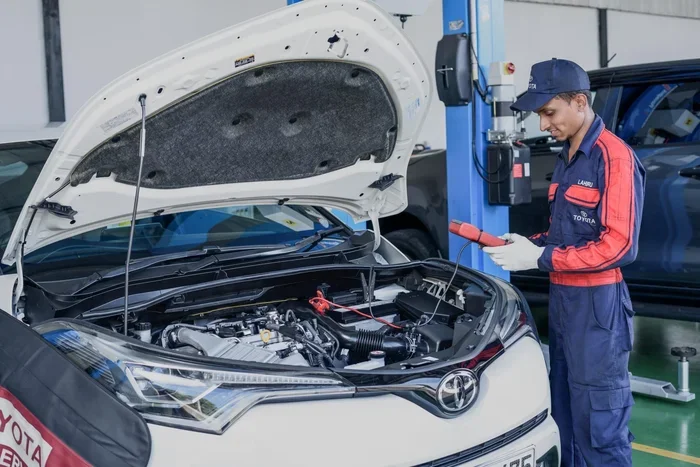
Next, head to your local Toyota dealer. Bring your vehicle, along with all relevant documents. The dealer will walk your car around, inspect it inside and out, and run a vehicle history report using the VIN.
The inspection usually takes 30 to 60 minutes. The dealer checks the engine, transmission, brakes, tires, and interior condition. They also verify the mileage matches the odometer reading. Any issues found during this inspection can lower the final trade-in offer.
Step 3: Review the Offer
Once the inspection is complete, the dealer presents a trade-in offer. This is the amount they are willing to credit toward your new Toyota purchase. Take your time reviewing the numbers. Compare the offer against your online estimate.
If the offer is lower than expected, do not be afraid to negotiate. You have leverage if you have competing offers from other dealers or buyers. How To Know If A Car Is A Good Deal applies here too. Always trust your instincts and walk away if the numbers do not feel right.
Step 4: Finalize the Deal
Once you accept the trade-in offer, the dealer moves to finalize paperwork. They handle the title transfer, registration, and any trade-in documentation. In most cases, you do not need to worry about the legal details.
The trade-in allowance is applied directly to the new vehicle price. This reduces the total amount you need to finance or pay out of pocket. The dealer will walk you through the final numbers before you sign anything.
Tips to Maximize Your Trade-In Value
Getting the best possible trade-in value takes a little effort. A few smart moves before you visit the dealer can make a big difference. Here are proven tips to help you maximize your trade-in offer.
Clean Your Vehicle Thoroughly
First impressions matter a lot during a trade-in inspection. Wash and wax the exterior. Vacuum the interior thoroughly. Clean the windows, dashboard, and trunk. A clean car signals that it has been well cared for.
Consider a professional detailing service if your car has stubborn stains or odors. The cost is small compared to the potential increase in your trade-in allowance. A fresh-looking vehicle simply photographs better and feels more appealing to the appraiser.
Gather Maintenance Records
Buyers and dealers love documented maintenance. If you have service records showing regular oil changes, tire rotations, and inspections, present them during the trade-in. These records prove your car has been properly maintained.
You can also check How Do I Create A Maintenance Schedule if you have not been keeping up with records. The key is to show the dealer that your vehicle has a service history you can be proud of. This alone can boost your trade-in value by hundreds of dollars.
Fix Minor Issues Beforehand
Small fixes can yield big returns. Replace burnt-out headlights, fix minor dents, and address any dashboard warning lights. The dealer will notice these things, and each one can chip away at your trade-in offer.
You do not need to make major repairs. Focus on cosmetic and simple mechanical fixes. A How Long Does It Take To Fit A New Bumper repair, for example, can improve your car’s overall appearance. The goal is to present the best possible version of your vehicle without spending a fortune.
Time Your Trade-In Strategically
Timing plays a bigger role than most people think. End of month is often the best time to trade in. Salespeople are trying to hit monthly quotas, so they may be more willing to offer a higher trade-in value.
End of year is another strategic window. Dealers want to clear out old model-year inventory. This creates more competition among buyers and can push up your trade-in allowance. Also, consider trading in during weekdays when the dealership is less crowded. You will get more focused attention from the appraiser.
Trade-In vs Selling Privately
Many car owners wonder whether they should trade in or sell their vehicle privately. Both options have pros and cons. The right choice depends on your priorities and circumstances.
Benefits of Trading In
- Convenience: The dealer handles all the paperwork and logistics. You do not need to list your car, take photos, or deal with strangers.
- Speed: A trade-in can be completed in a single visit. Selling privately can take weeks or even months.
- Tax savings: In most states, you only pay sales tax on the difference between the new car price and the trade-in value. This can save you hundreds of dollars.
- No haggling with private buyers: The negotiation is between you and the dealer, which is simpler than dealing with individual buyers.
Benefits of Selling Privately
- Higher payout: Private sales typically fetch more money than a dealer trade-in offer. You are selling directly to the end user.
- More control: You set the price, choose the buyer, and set the terms of the sale.
- No pressure: You are not obligated to buy a new car at the same time.
If you want the highest possible return and have time to spare, selling privately wins. But if you want speed, simplicity, and tax savings, a Toyota trade-in is the smarter choice.
Common Trade-In Mistakes to Avoid
Even experienced car owners make mistakes during the trade-in process. Avoiding these pitfalls can save you money and frustration.
Not Knowing Your Car’s Value
Walking into a dealer without knowing your trade-in value is a recipe for a low offer. Always research your vehicle using Kelley Blue Book, Edmunds, or similar tools. Knowledge gives you leverage during negotiations.
Ignoring Negative Equity
Negative equity means you owe more on your car loan than the vehicle is worth. This is also called being “underwater.” If you trade in a car with negative equity, the remaining balance often rolls into your new loan. This increases your monthly payment and total interest paid.
Before trading in, check your loan balance against your trade-in estimate. If you are underwater, consider paying down the loan first or waiting until your equity improves. Does Replacing A Transmission Extend The Life Of A Car is another relevant consideration if you are trying to decide whether to repair or trade in.
Skipping the Vehicle History Report
Dealers run a vehicle history report during the trade-in process. But you should run one yourself beforehand. This report reveals accidents, title issues, and service gaps that could lower your offer.
You can also How To Check If A Vehicle Is Stolen For Free using online tools. This ensures there are no surprises during the dealer’s inspection. Being proactive shows you are informed and serious about getting a fair deal.
Waiting Until the Last Minute
Rushing the trade-in process almost always leads to a worse outcome. Give yourself time to get multiple offers, compare numbers, and negotiate confidently. Last-minute decisions often leave money on the table.
What to Bring to Your Trade-In Appointment
Showing up prepared makes the entire process smoother. Here is a checklist of what to bring to your Toyota dealer for the trade-in appointment.
- Vehicle title: The original title in your name proves ownership.
- Registration: Current registration confirms the vehicle is legally on the road.
- Service records: Maintenance history supports your claim of a well-cared-for vehicle.
- Keys and remote: Bring all sets of keys, including the smart key fob if applicable.
- Loan information: If you still owe on the vehicle, bring your loan account details.
- Vehicle history report: Having this ready shows you have done your homework.
Bringing these documents signals to the dealer that you are organized and serious. It also speeds up the process significantly. You will spend less time waiting and more time reviewing the final offer.
How Trade-In Affects Your New Car Financing
The trade-in allowance directly impacts how you finance your new Toyota. Here is how it works. Say you are buying a new RAV4 priced at $35,000. Your trade-in value is $12,000. Your down payment requirement drops significantly because the trade-in credit covers part of the cost.
Without the trade-in, you might need a larger down payment or a higher monthly payment. The trade-in essentially acts as your first payment toward the new vehicle. This is why maximizing your trade-in value matters so much.
Keep in mind that sales tax is calculated on the difference between the new car price and the trade-in credit. In states with high sales tax, this difference alone can save you a meaningful amount. Always ask the dealer to break down the numbers so you can see exactly how the trade-in affects your total cost.
Also, consider whether to finance through the dealer or your own bank. Dealer financing sometimes offers promotional rates, especially on new Toyota models. Compare the dealer’s trade-in and financing package with your bank’s auto loan rate before making a final decision.
Final Thoughts on Trading In at Toyota
The Toyota trade-in process is straightforward when you know what to expect. Prepare your vehicle, research its value, gather your documents, and visit the dealer with confidence. The more work you put in beforehand, the better your trade-in offer will be.
Remember that a trade-in is a negotiation, not a one-time offer. You have the power to accept, counter, or walk away. Use the tips in this guide to make informed decisions and get the most out of your car trade-in. Your next Toyota is closer than you think.
Whether you are upgrading from an older Camry or moving up to a brand-new Tacoma, the trade-in route simplifies the entire process. You save time, reduce paperwork headaches, and often benefit from tax savings. Do your homework, stay patient, and trust the process.
Frequently Asked Questions
How long does the Toyota trade-in process take?
The entire trade-in process typically takes one to two hours at the dealership. The vehicle inspection alone takes about 30 to 60 minutes. Final paperwork and offer review may add another 30 minutes. If you have all your documents ready, the process moves even faster.
Can I trade in a car that still has a loan on it?
Yes, you can trade in a financed car. The dealer pays off the remaining loan balance as part of the trade-in process. If you owe less than the trade-in value, the difference becomes your equity. If you owe more, the negative equity may roll into your new loan or lease.
Does trading in affect my credit score?
The trade-in itself does not directly impact your credit score. However, applying for a new auto loan to cover the remaining balance may result in a hard credit inquiry. This can cause a small, temporary dip in your score. The long-term effect is minimal if you make your new payments on time.
What is the difference between trade-in value and trade-in allowance?
The trade-in value is what your car is actually worth in the market. The trade-in allowance is the credit the dealer applies toward your new purchase. The allowance may differ slightly from the market value based on the dealer’s reconditioning costs and profit margin.
Should I trade in at a Toyota dealer or sell privately?
It depends on your priorities. Trading in is faster and more convenient, and it may save you on sales tax. Selling privately usually gets you more money but takes more time and effort. If convenience matters most, go with the Toyota trade-in. If maximizing payout is your goal, sell privately.
How can I check my trade-in value before visiting the dealer?
You can use online tools like Kelley Blue Book, Edmunds, or the Toyota trade-in estimator on the official Toyota website. Enter your vehicle details and receive an instant estimate. These tools give you a strong baseline to compare against dealer offers. Always get multiple estimates for the most accurate picture.