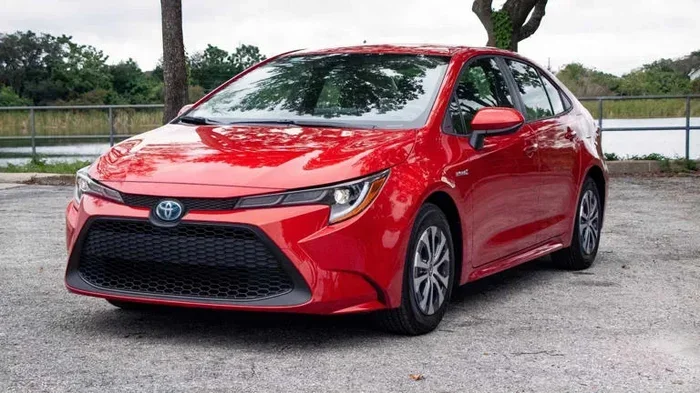
How Far Can a Toyota Corolla Hybrid Go on a Full Tank
The Toyota Corolla Hybrid can travel between 500 and 600 miles on a full tank under real-world conditions. Your actual range depends on driving habits, traffic, tire pressure, and hybrid battery health. This guide breaks down the numbers and shows you how to maximize every mile.
The Toyota Corolla Hybrid has earned a reputation for being one of the most reliable and fuel-efficient sedans on the road. Many buyers choose this car because they want to save money at the pump and reduce trips to the gas station. But a common question remains: how far can a Toyota Corolla Hybrid go on a full tank? The answer depends on several factors, including driving habits, road conditions, and the health of the hybrid system. In this article, we will break down the real-world range you can expect, the numbers that matter, and the simple steps you can take to stretch every mile. Whether you are a daily commuter or a weekend road tripper, understanding your fuel capacity helps you plan with confidence. We will also explore what happens when the hybrid battery is weak and how that changes your driving range. By the end, you will know exactly what to expect from your Toyota Corolla Hybrid.
The Toyota Corolla Hybrid offers a compelling mix of city-friendly electric driving and highway-friendly gasoline power. Its fuel tank holds about 11.3 gallons, which is a key number when calculating total distance. The official EPA rating for the 2024 model sits around 52 miles per gallon in the city and 53 mpg on the highway. Using those figures, a full tank could theoretically take you about 588 miles in city driving and 600 miles on the highway. However, real-world conditions rarely match the ideal numbers on paper. Your actual range will vary based on how you drive, where you drive, and how well you maintain the car. It is important to understand that the hybrid system uses both a gasoline engine and an electric motor. This combination allows the car to use less fuel, but it also means the total range is tied to both the tank and the battery’s state of charge.
Key Takeaways
- Real-World Range: Expect 500 to 600 miles per full tank in mixed driving, with highway trips reaching the higher end.
- Fuel Tank Capacity: The Corolla Hybrid holds approximately 11.3 gallons, which combined with its efficient hybrid system delivers impressive distance.
- Hybrid Battery Matters: A healthy battery improves fuel economy and extends range; a weak battery reduces both.
- Driving Style Is Key: Smooth acceleration, steady speeds, and regenerative braking help you get the most out of every gallon.
- Maintenance Boosts Range: Proper tire pressure, regular oil changes, and clean air filters keep the system running efficiently.
- You Can Still Drive With a Bad Battery: The car can run on gasoline alone, but performance and fuel economy will suffer significantly.
📑 Table of Contents
- Understanding the Toyota Corolla Hybrid’s Full Tank Range
- What Affects the Range of a Toyota Corolla Hybrid
- Real-World Range: City, Highway, and Mixed Driving
- How to Maximize Your Toyota Corolla Hybrid’s Fuel Efficiency
- Hybrid Battery Health and Its Impact on Range
- When the Battery Fails: Can You Still Drive the Toyota Corolla Hybrid?
- Common Mistakes That Reduce Your Toyota Corolla Hybrid’s Range
- Final Thoughts on the Toyota Corolla Hybrid’s Full Tank Range
Understanding the Toyota Corolla Hybrid’s Full Tank Range
The Official Fuel Tank Capacity
The Toyota Corolla Hybrid comes with a fuel tank that holds approximately 11.3 gallons (43 liters) in most model years. This capacity has remained fairly consistent across the generations. The official EPA rating for the 2024 Toyota Corolla Hybrid is around 52 miles per gallon in the city and 53 mpg on the highway. Using a simple calculation, a full tank could theoretically take you about 588 miles in city driving and 600 miles on the highway. However, real-world conditions rarely match the ideal numbers on paper. The actual range you get will vary based on how you drive, where you drive, and how well you maintain the car.
EPA Ratings vs Real-World Expectations
The EPA (Environmental Protection Agency) provides standardized fuel economy estimates. These numbers are useful for comparing different vehicles. However, they are based on controlled laboratory tests. Your daily driving will not perfectly match those conditions. Many Toyota Corolla Hybrid owners report getting slightly lower mpg in heavy traffic and slightly higher mpg on open highways. The difference between the EPA estimate and your real-world number can be 10 to 20 percent. That means your actual full tank range might be closer to 500 to 550 miles in mixed driving. Always keep this gap in mind when planning long trips.
What Affects the Range of a Toyota Corolla Hybrid
Driving Style and Speed
Your foot is the biggest factor in how far you can go. Aggressive acceleration burns more fuel. Smooth, gradual acceleration helps the hybrid system recover energy through regenerative braking. Driving at steady speeds, especially below 65 mph, improves fuel economy. On the highway, using cruise control at a constant speed can boost your range. Conversely, frequent hard braking and rapid acceleration will reduce your miles per gallon significantly. The Toyota Corolla Hybrid is designed to be efficient, but it still responds to how you treat the pedal.
Traffic and Road Conditions
Stop-and-go traffic is a mixed blessing for hybrids. In city traffic, the electric motor handles low-speed driving, which uses no gasoline. This can actually improve your fuel economy in heavy traffic compared to a conventional car. However, if you are stuck in gridlock for hours, the gasoline engine may kick in to recharge the battery, using fuel. Road elevation also matters. Hilly terrain requires more energy to climb, which reduces your range. Flat, straight roads are ideal for maximizing distance.
Tire Pressure and Vehicle Load
Underinflated tires create more rolling resistance, which forces the engine to work harder. Check your tire pressure at least once a month. Keeping tires at the recommended psi can improve fuel economy by up to 3 percent. Carrying heavy loads or roof cargo also increases aerodynamic drag. The more weight the engine and motor must move, the more fuel you will burn. A full trunk of heavy items will reduce your range more than a light load.
Hybrid Battery Health and Temperature
The hybrid battery plays a crucial role in the system’s efficiency. A healthy battery stores energy from regenerative braking and assists the gasoline engine. When the battery is weak or degraded, the car relies more on the gas engine, which lowers your fuel economy and range. Extreme temperatures also affect battery performance. Very cold weather can reduce the battery’s ability to hold a charge, while hot weather can cause the cooling system to work harder. Both extremes can shrink your full tank range by several miles. If you leave your Toyota Corolla Hybrid sitting idle for weeks, the hybrid battery may slowly lose its charge, which can reduce your range. To learn more about how long a hybrid can sit without being driven, see our detailed article.
Real-World Range: City, Highway, and Mixed Driving
City Driving Range
In city driving, the Toyota Corolla Hybrid excels because the electric motor handles much of the low-speed work. You can expect to see real-world fuel economy in the upper 40s to low 50s mpg in heavy city traffic. With an 11.3-gallon tank, that translates to a city range of roughly 500 to 550 miles. However, if you drive in a very congested urban area with lots of idling, the gasoline engine may run more often to keep the battery charged. In that case, your range might drop closer to 480 miles.
Highway Driving Range
On the highway, the Corolla Hybrid uses the gasoline engine more because steady speeds are efficient for the combustion engine. Real-world highway mpg often lands in the 50 to 55 mpg range. With a full tank, you could cover 570 to 600 miles on a long, flat highway drive. However, if you encounter strong headwinds, drive at higher speeds above 75 mph, or tackle mountainous terrain, your range will decrease. Highway driving is generally the best scenario for maximizing distance on a single tank.
Mixed Driving Range
For most owners, daily driving is a mix of city and highway. The combined fuel economy for the Toyota Corolla Hybrid is around 52 mpg according to the EPA. In real-world mixed driving, expect 47 to 52 mpg. This gives a practical full tank range of about 530 to 590 miles. Your actual number will depend on the proportion of city versus highway miles you accumulate.
| Driving Condition | Estimated MPG | Estimated Range (11.3 gal) |
|---|---|---|
| City | 45–52 | 510–590 miles |
| Highway | 50–55 | 570–620 miles |
| Mixed | 47–52 | 530–590 miles |
How to Maximize Your Toyota Corolla Hybrid’s Fuel Efficiency
Driving Habits That Boost Range
Small changes in how you drive can add up to significant fuel savings. Here are some habits to adopt:
- Accelerate gently and smoothly.
- Maintain a steady speed using cruise control on highways.
- Anticipate traffic flow to avoid hard braking.
- Use the EV mode when possible in low-speed situations.
- Keep your windows closed at high speeds to reduce drag.
Maintenance Tips for Better Mileage
Regular maintenance keeps the hybrid system running at peak efficiency. Follow these simple steps:
- Keep your tires properly inflated.
- Replace air filters on schedule.
- Use the recommended oil weight, such as 0W-20 synthetic oil.
- Keep the hybrid battery cooling system in good condition.
- Address any warning lights promptly.
The Role of Regenerative Braking
Regenerative braking is a key feature of the Toyota Corolla Hybrid. When you lift your foot off the accelerator or apply the brakes lightly, the electric motor acts as a generator. It converts kinetic energy back into electrical energy and stores it in the hybrid battery. This process recovers energy that would otherwise be lost as heat in traditional brakes. The more you use regenerative braking, the more energy you recapture. This directly improves your fuel economy and extends your range. You can maximize this benefit by coasting to decelerate early and avoiding abrupt stops.
Expert Insight: Many drivers overlook the impact of tire pressure on hybrid efficiency. Even a 2 psi drop can reduce your range by a few miles per tank. A simple monthly check can add up to 50 extra miles over several fill-ups.
Hybrid Battery Health and Its Impact on Range
How the Battery Affects Fuel Economy
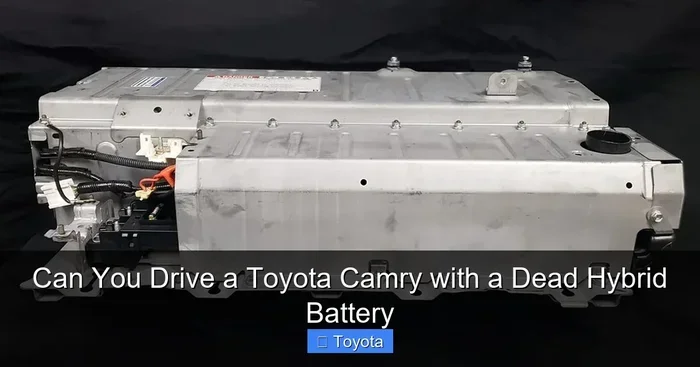
The hybrid battery is not just a starter battery; it is a large nickel-metal hydride or lithium-ion pack that powers the electric motor. When the battery is in good health, it can assist the gasoline engine during acceleration and recover energy during braking. A degraded battery cannot hold as much charge, so the gasoline engine must work harder. This increases fuel consumption and reduces your total range. You might notice that your fuel economy drops over time if the battery is aging.
Signs Your Hybrid Battery May Be Failing
Watch for these warning signs:
- A significant drop in fuel economy without a change in driving habits.
- The charge indicator shows the battery rarely holding a full state of charge.
- The car relies more on the gasoline engine, even at low speeds.
- Warning lights related to the hybrid system appear on the dashboard.
- Unusual noises from the powertrain area.
If you suspect battery degradation, it is important to address it early. A failing battery not only reduces your range but can also affect the overall performance of the vehicle. Many drivers wonder if they can still operate the car with a weak battery. For a similar discussion on the Toyota Prius, see our article about driving a Prius with a bad hybrid battery.
When the Battery Fails: Can You Still Drive the Toyota Corolla Hybrid?
If the hybrid battery dies completely, can you still drive the car? The short answer is yes, but with limitations. The Toyota Corolla Hybrid can run on the gasoline engine alone if the hybrid battery is completely dead. However, you will lose the electric assist, which means reduced power and lower fuel economy. The car may go into a protective mode, limiting speed and performance. You will likely see warning messages on the dashboard. It is not recommended to drive long distances with a failed hybrid battery because it can cause further damage to the powertrain. If your battery has failed, you should have the car towed to a qualified technician. For more information on driving with a bad hybrid battery, check our guide on driving a Toyota hybrid with a bad battery.
Common Mistakes That Reduce Your Toyota Corolla Hybrid’s Range
Ignoring Tire Pressure
Many owners forget to check tire pressure regularly. Underinflated tires are one of the most common reasons for reduced fuel economy. A drop of just 1 psi can lower your mpg slightly. Over time, this adds up to hundreds of fewer miles per tank. Make it a habit to check pressures at least once a month, including the spare.
Overloading the Vehicle
Carrying unnecessary weight in the trunk or on the roof rack increases fuel consumption. Every extra 100 pounds can reduce your mpg by about 1 percent. Keep your car light and aerodynamic to maximize your range. Remove roof boxes or bike racks when not in use.
Neglecting Maintenance
Skipping oil changes or air filter replacements can cause the engine to run less efficiently. A dirty air filter restricts airflow, making the engine work harder. Fresh oil reduces friction in the engine and hybrid components. Staying on top of maintenance helps preserve your fuel economy and range.
Final Thoughts on the Toyota Corolla Hybrid’s Full Tank Range
The Toyota Corolla Hybrid offers a compelling combination of fuel efficiency and practicality. On a full tank, you can realistically expect to travel between 500 and 600 miles, depending on your driving conditions and habits. The hybrid system provides a significant advantage over conventional Corolla models, especially in city driving. By understanding the factors that affect range and following the maintenance tips outlined here, you can get the most out of every gallon. Always pay attention to your hybrid battery health, as it directly influences your fuel economy. With proper care, your Toyota Corolla Hybrid will continue to deliver excellent range and reliability for years to come. The key is to drive smoothly, maintain the vehicle, and stay informed about your car’s needs.
Frequently Asked Questions
How many miles can a Toyota Corolla Hybrid go on a full tank?
Most owners can expect between 500 and 600 miles on a full 11.3-gallon tank. Your actual number will depend on whether you drive mostly in the city, on the highway, or a mix of both. Driving habits and road conditions also play a big role.
Does the hybrid battery affect the total range?
Yes, a healthy hybrid battery is essential for maximizing range. When the battery is weak, the gasoline engine works harder, which reduces your fuel economy and shortens the distance you can travel on a single tank.
Can you still drive a Toyota Corolla Hybrid if the hybrid battery dies?
You can drive the car on gasoline alone, but you will lose electric assist, which reduces power and fuel efficiency. It is best to have the car towed to a service center rather than driving long distances with a failed battery.
What driving habits help maximize the range of a Toyota Corolla Hybrid?
Smooth acceleration, steady highway speeds, and using regenerative braking by coasting early all help you get more miles per gallon. Keeping tire pressure correct and removing unnecessary weight from the car also makes a noticeable difference.
How does city driving compare to highway driving for the Corolla Hybrid range?
City driving often yields slightly lower mpg than highway driving because of stop-and-go conditions, though the electric motor helps in traffic. Highway driving generally allows the car to achieve its best fuel economy and longest range per tank.
What should you do if you notice a sudden drop in your Toyota Corolla Hybrid’s range?
A sudden drop often signals a problem with the hybrid battery, tire pressure, or engine maintenance. Check your tire pressure first, then inspect for warning lights. If the issue persists, visit a qualified technician to diagnose the hybrid system.