How Long Does a Toyota Camry Alternator Typically Last
The Toyota Camry alternator typically lasts between 100,000 and 150,000 miles, but many owners push it well beyond that with proper care. This guide covers the average lifespan, warning signs, and what you can do to extend its life. You will learn how to spot early failure and when to replace it before you are stranded.
The Toyota Camry alternator is a small but mighty component. It keeps your electrical system running. It charges the battery while the engine runs. Without it, your Camry would stall within minutes. So how long does a Toyota Camry alternator typically last? Most units survive 100,000 to 150,000 miles. But some last 200,000 miles with good care. The answer depends on driving habits, maintenance, and electrical loads. Let us walk you through everything you need to know.
Key Takeaways
- Average lifespan: Most Toyota Camry alternators last 100,000 to 150,000 miles, with some reaching 200,000 miles.
- Warning signs: Dimming headlights, battery warning light, whining noise, and electrical glitches signal a failing alternator.
- Maintenance matters: Regular belt checks and clean terminals can add years to alternator life.
- Replacement cost: Expect $300 to $600 for parts and labor, depending on the model year.
- Driving habits: Avoiding short trips and reducing electrical overload helps the alternator last longer.
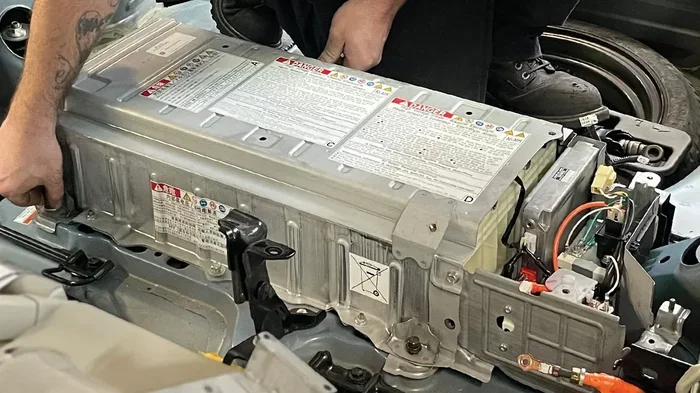
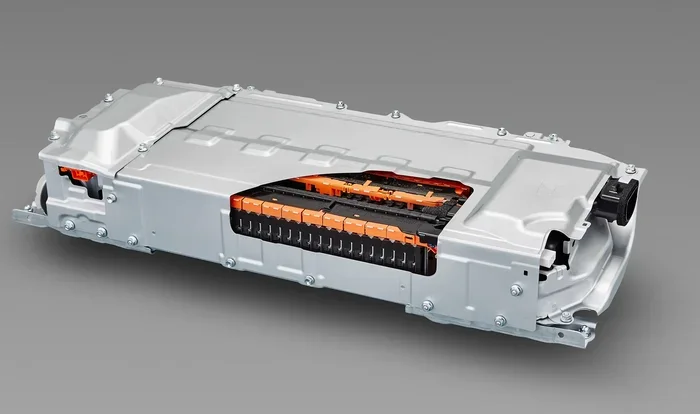
- Hybrid nuance: Hybrid Camry models have a different charging system that still relies on a conventional alternator.
- Don’t ignore it: A bad alternator can leave you stranded, so act quickly when symptoms appear.
📑 Table of Contents
- What Does a Toyota Camry Alternator Do?
- How Long Does a Toyota Camry Alternator Typically Last?
- Warning Signs Your Camry Alternator Is Failing
- Can You Extend the Life of Your Toyota Camry Alternator?
- How Much Does It Cost to Replace a Toyota Camry Alternator?
- Final Thoughts on Toyota Camry Alternator Longevity
What Does a Toyota Camry Alternator Do?
The alternator is the heart of your Camry’s charging system. It converts mechanical energy into electrical energy. This power keeps the battery charged and runs all the electronics. From the radio to the power windows, the alternator supplies the juice. Understanding its role helps you appreciate why it lasts so long.
The Charging System Basics
When the engine runs, the serpentine belt turns the alternator pulley. Inside, a rotor spins around a stator. This motion creates alternating current. A diode bridge then converts it to direct current. That DC power flows to the battery and electrical system. The voltage regulator controls the output. It keeps the voltage steady at around 13.5 to 14.5 volts. If any of these parts fail, the whole system suffers.
How the Alternator Powers Your Camry
Your Camry uses electricity for many things. The ignition system needs spark. The fuel injectors require precise pulses. The engine control unit runs complex calculations. All of these draw power. The alternator supplies it all. It also recharges the battery after each start. A healthy alternator keeps everything working smoothly. It works quietly in the background, day after day.
How Long Does a Toyota Camry Alternator Typically Last?
Most Toyota Camry alternators are built to last a long time. The typical lifespan falls between 100,000 and 150,000 miles. Many owners report 180,000 miles or more. In fact, if you have ever wondered Can a Toyota Camry last 500,000 miles?, the alternator is a key part of that longevity story. With proper care, the charging system can easily outlast the warranty.
Average Alternator Lifespan
The factory-installed alternator on a Camry is designed for durability. Toyota engineers test these units under extreme conditions. They simulate hot weather, cold starts, and heavy electrical loads. Under normal driving, the alternator should last 100,000 miles or more. That is roughly 7 to 10 years for the average driver. Some Camry owners have gone 200,000 miles without a single alternator replacement. The key is to keep the charging system healthy.
Factors That Affect Alternator Longevity
Several things can shorten or extend alternator life. Here are the most important factors to consider:
- Driving conditions: Stop-and-go city driving puts more strain on the alternator than steady highway cruising.
- Electrical load: Adding aftermarket lights, sound systems, or winches increases the work the alternator must do.
- Belt condition: A worn serpentine belt can slip and overwork the alternator bearings.
- Heat exposure: Engine heat breaks down internal components over time. Parking in the shade helps.
- Battery health: A weak battery forces the alternator to work harder to recharge it.
- Maintenance: Regular inspections catch small issues before they become big problems.
Warning Signs Your Camry Alternator Is Failing
Your Camry will give you clues before the alternator dies completely. Catching these signs early can save you from a roadside breakdown. Here are the most common symptoms to watch for.
Common Symptoms to Watch For
- Dimming or flickering headlights: The lights may get brighter when you rev the engine and dim when you slow down.
- Battery warning light: This yellow or red light on the dashboard means the charging system is not working properly.
- Whining or grinding noise: A sound coming from the engine bay often points to worn alternator bearings.
- Electrical glitches: Power windows slow down, the radio cuts out, or the dash lights flicker.
- Stalling or rough idle: Without enough electrical power, the engine may stall at idle or during low-speed driving.
When to Get a Diagnostic Test
If you notice any of these signs, get a diagnostic test right away. A mechanic can check the alternator output voltage. They will test the battery too. A simple voltage test takes only a few minutes. It tells you if the alternator is charging correctly. Do not wait until the car dies completely. Acting early keeps you safe and saves money.
Quick Tip: Turn off all accessories and test the battery voltage with the engine off. Then start the engine and test again. The voltage should rise to 13.5 to 14.5 volts. If it stays below 13 volts, the alternator may be failing.
Can You Extend the Life of Your Toyota Camry Alternator?
Yes, you can take steps to make your alternator last longer. Simple habits and regular checks make a big difference. Think of it like maintaining the engine oil. A little care goes a long way.
Maintenance Tips for the Charging System
- Inspect the serpentine belt regularly: Look for cracks, glazing, or fraying. Replace it at the first sign of wear.
- Keep the terminals clean: Corroded battery terminals increase resistance and strain the alternator. Clean them with a wire brush.
- Check the belt tension: A loose belt slips and causes the alternator to work harder. Adjust it to factory specs.
- Listen for unusual noises: A grinding or squealing sound from the alternator area needs immediate attention.
- Monitor the dashboard lights: The battery warning light is your early warning system. Never ignore it.
Driving Habits That Help
How you drive affects the alternator’s lifespan. Short trips are especially hard on the charging system. The alternator does not have enough time to fully recharge the battery. Try to combine errands into longer drives when possible. Also, avoid turning on every electrical accessory at once. This reduces the load on the alternator. Just like how long a hybrid can sit without being driven, the alternator keeps the battery alive when the car is parked. But it works best when you give it a chance to recharge.
Common Mistakes That Shorten Alternator Life
- Ignoring a squealing belt: A slipping belt puts extra stress on the alternator bearings.
- Using cheap replacement parts: Low-quality alternators fail much sooner than OEM units.
- Neglecting battery health: A failing battery forces the alternator to overwork.
- Overloading the electrical system: Adding too many high-draw accessories without upgrading the alternator is risky.
- Skipping regular inspections: Small issues like a loose belt can lead to total alternator failure.
Quick Tips for Alternator Care: 1. Check the serpentine belt every 10,000 miles. 2. Clean battery terminals twice a year. 3. Keep the engine bay free of dirt and debris. 4. Address any warning lights immediately. 5. Use only OEM or high-quality aftermarket alternators.
How Much Does It Cost to Replace a Toyota Camry Alternator?
Replacing a Camry alternator is not cheap, but it is also not a budget-breaker. The cost depends on the model year, the type of alternator, and labor rates in your area. Here is a breakdown of what to expect.
Parts and Labor Breakdown
The alternator itself is the biggest cost factor. OEM parts cost more but offer the best reliability. Aftermarket alternators are cheaper but may not last as long. Labor involves removing the serpentine belt and unbolting the unit. It is a straightforward job for most mechanics. Here is a typical cost comparison:
| Option | Parts Cost | Labor Cost | Total Cost |
|---|---|---|---|
| OEM Alternator | $250 – $400 | $100 – $200 | $350 – $600 |
| Aftermarket Alternator | $150 – $300 | $100 – $200 | $250 – $500 |
| Rebuilt Alternator | $100 – $200 | $100 – $200 | $200 – $400 |
These prices are estimates and can vary by region. Always get a quote from a trusted shop before committing.
DIY vs. Professional Replacement
If you are handy with tools, you can replace the alternator yourself. It is a manageable job for a home mechanic. You will need a socket set, a serpentine belt tool, and a multimeter. Safety is important. Disconnect the battery before starting. Work on a cool engine. However, if you are not comfortable, leave it to a professional. This is different from does leaving a car door open drain the battery, which is a simple fix you can do yourself. An alternator replacement involves the charging system and electrical connections. Mistakes can lead to bigger problems.
Final Thoughts on Toyota Camry Alternator Longevity
The Toyota Camry alternator is a durable component that can serve you well over 150,000 miles. With regular care and smart driving habits, many owners never need a replacement. The key is to pay attention to the warning signs. Do not ignore a dimming headlight or a dashboard light. Address small issues quickly and keep the charging system clean. A well-maintained alternator gives you peace of mind on every drive.
Key Takeaways for Camry Owners
Remember these simple points. First, the Toyota Camry alternator typically lasts 100,000 to 150,000 miles. Second, warning signs like dim lights and whining noises should never be ignored. Third, regular belt and terminal maintenance extends its life. Fourth, replacement costs are reasonable when you catch the problem early. Finally, a healthy alternator is essential for a long-lasting Camry. Treat it well, and it will treat you well in return.
Frequently Asked Questions
How do I know if my Toyota Camry alternator is bad?
Look for dimming headlights, a battery warning light on the dash, or a whining noise from the engine bay. You can also have a mechanic test the alternator output voltage. A reading below 13.5 volts while the engine runs usually means the alternator is failing.
Can I drive with a bad alternator?
You can drive a short distance on battery power alone, but it is risky. The battery will drain quickly without the alternator charging it. You could stall and be left stranded. Have the alternator tested or replaced as soon as possible.
How often should I replace the alternator belt?
The serpentine belt should be inspected every 10,000 miles and replaced every 60,000 to 100,000 miles. A worn belt can slip and cause the alternator to work harder, shortening its life.
What causes a Toyota Camry alternator to fail early?
Common causes include a loose or worn serpentine belt, a weak battery, excessive electrical loads from aftermarket accessories, and exposure to extreme heat. Ignoring early warning signs also leads to premature failure.
Is it worth rebuilding an alternator?
Rebuilding an alternator can be cost-effective if the core is in good condition. However, a rebuilt unit may not last as long as a new OEM part. For most owners, a new or high-quality aftermarket alternator is the safer choice.
How long does a Toyota Camry alternator warranty last?
Toyota typically offers a 3-year or 36,000-mile warranty on new alternators, whichever comes first. Aftermarket parts may have their own warranties ranging from 1 to 5 years. Check with your dealer or parts supplier for specific details.