100 Percent Window Tint Everything You Need to Know
100 percent window tint is the darkest tint level available, blocking nearly all light from entering your vehicle. It offers maximum privacy, heat rejection, and UV protection but comes with strict legal limits in many areas. This guide covers everything you need to know before choosing 100 percent window tint for your car.
Have you ever looked at a car with super dark windows and wondered what it feels like to drive with that level of privacy? 100 percent window tint is the darkest tint option available, and it has become a popular choice for car owners who want maximum protection, style, and secrecy. But before you rush to tint every window, there is a lot you need to know.
This guide breaks down everything about 100 percent window tint in simple terms. We will cover the benefits, the different types of film, legal limits, installation tips, and common mistakes. Whether you are a first-timer or looking to upgrade your current tint, this article has you covered.
Key Takeaways
- Maximum Privacy: 100 percent window tint makes your car windows nearly opaque, giving you the highest level of privacy and security.
- Superior Heat Rejection: Dark tint films significantly reduce solar heat, keeping your car cooler in hot weather.
- UV Protection: These films block harmful ultraviolet rays that can damage your skin and fade your car interior.
- Legal Restrictions Apply: Many states and countries have strict window tint laws that may limit or prohibit 100 percent tint on certain windows.
- Multiple Film Types: Ceramic, carbon, and metallic tints each offer different performance levels for 100 percent window tint applications.
- Professional Installation Matters: Proper tint installation prevents bubbles, peeling, and other common problems.
- Cost Varies: The price of 100 percent window tint depends on film quality, vehicle type, and installation method.
📑 Table of Contents
- What Is 100 Percent Window Tint?
- Benefits of 100 Percent Window Tint
- Types of 100 Percent Window Tint Films
- Legal Considerations for 100 Percent Window Tint
- How to Install 100 Percent Window Tint
- Common Mistakes to Avoid with 100 Percent Window Tint
- Cost of 100 Percent Window Tint
- How Long Does 100 Percent Window Tint Last?
- Is 100 Percent Window Tint Right for You?
- Final Thoughts on 100 Percent Window Tint
What Is 100 Percent Window Tint?
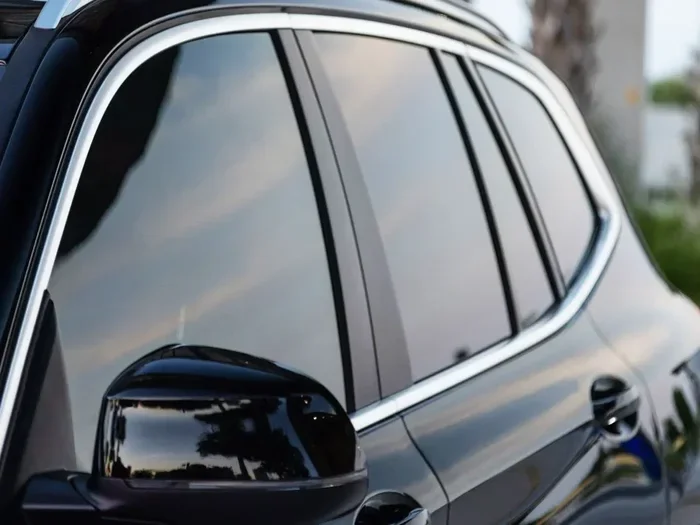
100 percent window tint refers to a window film that blocks nearly all visible light from passing through your car windows. The tint percentage measures how much light the film allows in. A 100 percent tint means almost zero light gets through, creating a very dark, almost opaque look. This is the darkest level you can get for your vehicle.
It is important to understand that tint percentage works on a scale. A 50 percent tint blocks half the light. A 20 percent tint lets through only 20 percent of light. And 100 percent window tint blocks almost everything. The technical term for this measurement is visible light transmission, or VLT percentage. The lower the VLT, the darker the tint.
How Tint Percentage Works
The tint percentage directly affects how dark your windows look and how much light enters the car. Here is a quick breakdown of common tint levels:
- 50 percent tint: Blocks half the light. Good for reducing glare and UV rays while still maintaining clear visibility.
- 35 percent tint: A popular moderate option. Offers a sleek look with decent privacy and heat rejection.
- 20 percent tint: Often called “limo tint.” Very dark. Hard to see through from the outside.
- 5 percent tint: Also known as “limo black.” Nearly invisible from the outside. Used mainly for privacy.
- 100 percent tint: The darkest possible level. Blocks almost all light. Maximum privacy and heat rejection.
When people talk about 100 percent window tint, they mean the darkest end of this spectrum. It creates a bold, sleek look that many car enthusiasts love.
Benefits of 100 Percent Window Tint
There are many reasons car owners choose 100 percent window tint for their vehicles. Let us look at the biggest benefits.
Maximum Privacy and Security
The most obvious benefit of 100 percent window tint is total privacy. When your windows are completely dark, nobody on the outside can see into your car. This is especially valuable if you carry valuables, travel through unsafe areas, or simply prefer not to have strangers looking at your belongings. Privacy and security go hand in hand with the darkest tint levels.
Superior Heat Rejection
Dark window films are excellent at blocking solar heat. When sunlight hits your car, it heats up the interior significantly. 100 percent window tint rejects a large portion of this heat, keeping your car cooler. In hot climates, this can make a massive difference in comfort. You spend less time blasting the air conditioning and more time enjoying a cool ride.
UV Protection for Your Skin and Interior
Harmful ultraviolet rays are a real concern. They can cause skin damage and accelerate the fading of your car’s dashboard, seats, and trim. 100 percent window tint films block a high percentage of UV rays, protecting both your health and your car’s interior. Interior protection is one of the most underrated benefits of quality window film.
Glare Reduction
Driving with harsh sunlight or bright headlights behind you can be dangerous. Glare reduction is a major advantage of dark tint. 100 percent window tint cuts down on glare significantly, making your driving experience safer and more comfortable, especially during long road trips or sunrise and sunset drives.
Enhanced Aesthetic Appeal
Let us not ignore the visual impact. A fully tinted car with 100 percent window tint looks sleek, aggressive, and premium. It gives any vehicle a polished, finished appearance. Many car owners choose dark tint purely for the aesthetic boost it provides. It is one of the most effective aftermarket tint upgrades you can make.
Types of 100 Percent Window Tint Films
Not all 100 percent window tint films are the same. Different materials offer different performance levels, durability, and price points. Here are the main types you should consider.
Ceramic Tint
Ceramic tint is the gold standard in window film technology. It uses nano-ceramic particles to block heat and UV rays without interfering with electronic signals. This means your GPS, phone connectivity, and radio signals stay strong. Ceramic 100 percent window tint offers the best performance but comes at a higher price point.
Carbon Tint
Carbon tint is a popular mid-range option. It provides excellent heat rejection and a matte finish that does not fade over time. Carbon films are durable and offer a good balance of performance and cost. For those looking for quality 100 percent window tint without breaking the bank, carbon is a solid choice.
Metallic Tint
Metallic tint contains tiny metal particles that reflect heat and light. It offers strong heat reduction and a shiny, reflective appearance. However, metallic films can interfere with electronic signals. If you rely heavily on wireless connectivity, this is something to consider before choosing metallic 100 percent window tint.
Dyed Tint
Dyed tint is the most budget-friendly option. It uses dye layers to absorb heat and create a dark appearance. While it is affordable, dyed films tend to fade and bubble over time. They offer basic UV protection and heat rejection but do not last as long as ceramic or carbon options.
Hybrid Tint
Hybrid tint combines metal and dye layers to offer a balance of performance and affordability. It provides better durability than pure dyed tint and less signal interference than full metallic tint. Hybrid 100 percent window tint can be a great middle-ground option for many car owners.
Legal Considerations for 100 Percent Window Tint
This is where things get important. Window tint laws vary by country, state, and even city. Before you go for 100 percent window tint, you need to understand the legal limits in your area.
Understanding Legal Tint Limits
Most regions have specific rules about how dark your tint can be and which windows it can be applied to. For example, many states allow 100 percent window tint on rear side windows and the rear windshield but restrict the front side windows and windshield to lighter tint levels. Legal tint limits are enforced for safety reasons, primarily related to driver visibility.
Why Tint Laws Exist
Law enforcement agencies need to see inside vehicles during traffic stops. Very dark tint can create safety concerns for police officers and other drivers. Glare reduction that benefits the driver can also reduce visibility for other drivers on the road. This is why most jurisdictions regulate tint percentage limits carefully.
Medical Exemptions
Some states offer medical exemptions for darker tint. If you have a medical condition that requires protection from sunlight, you may qualify for an exception to standard window tint laws. Check with your local Department of Motor Vehicles or equivalent authority to learn about available exemptions in your area.
Penalties for Illegal Tint
Driving with 100 percent window tint that exceeds legal limits can result in fines, failed inspections, and even tickets that require you to remove the tint. The penalties vary by jurisdiction but are never worth the risk. Always verify the legal tint limits in your area before installation.
How to Install 100 Percent Window Tint
Installing 100 percent window tint can be done professionally or as a DIY project. Both approaches have pros and cons. Let us break them down.
Professional Installation
Professional tint installation is the recommended route for most people. Experienced installers have the tools, skills, and environment needed to apply film cleanly and bubble-free. They also know how to handle curves, edges, and different window shapes. The cost of professional installation varies but typically ranges from $200 to $800 depending on the film type and vehicle size.
DIY Installation
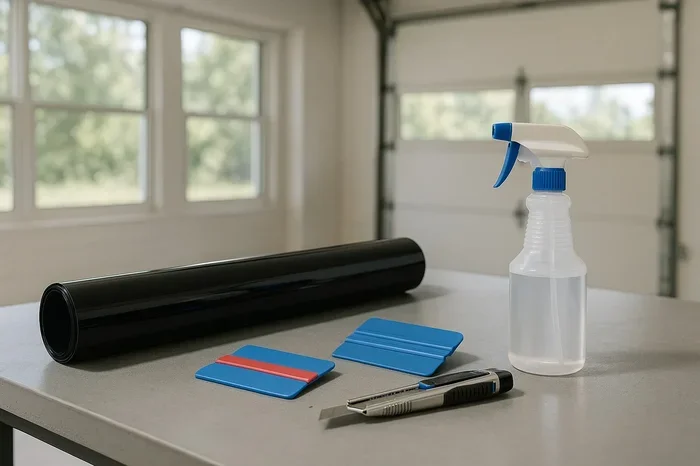
Some car owners prefer to install 100 percent window tint themselves to save money. DIY kits are widely available and affordable. However, applying dark tint is challenging. Any mistakes show up clearly on 100 percent window tint because there is no light to hide imperfections. Bubbles, creases, and misaligned edges are very visible with dark film.
Tips for a Clean Installation
Whether you go professional or DIY, here are some tips to ensure a clean result:
- Clean your windows thoroughly before application. Any dust or debris will show under the film.
- Work in a dust-free, temperature-controlled environment.
- Use a quality window film application solution to help position the film correctly.
- Use a squeegee to push out all air and water bubbles.
- Let the film cure for at least 48 hours before rolling down the windows.
- Avoid parking in direct sunlight for the first few days after installation.
Common Problems and How to Fix Them
Even with careful installation, issues can arise. Tint bubbles are one of the most common problems. Small bubbles often disappear on their own as the film cures. Larger bubbles may need to be lifted and re-applied with more solution. Peeling edges can be fixed with a bit of soapy water and a squeegee. If the problem persists, a professional can often repair the damage without removing the entire film.
Common Mistakes to Avoid with 100 Percent Window Tint
Many people make avoidable mistakes when getting 100 percent window tint. Here are the most common ones and how to prevent them.
Ignoring Local Laws
This is the number one mistake. Do not assume that because a shop offers 100 percent window tint, it is legal everywhere. Always research your local window tint laws before committing. Getting pulled over for illegal tint is not worth the hassle or the fine.
Choosing the Cheapest Film
Budget films may seem appealing, but they often fade, bubble, and lose their UV protection within a year or two. Investing in a quality window film pays off in the long run. Look for reputable brands and read reviews before making a decision.
Skipping the Warranty
Many professional installers offer warranties on their tint installation work. Skipping the warranty means you are on your own if something goes wrong. Always ask about warranty coverage before you commit to an installer.
Applying Tint to Damaged Windows
If your windows have chips, cracks, or scratches, do not apply tint over them. The film will accentuate the damage and make it worse. Fix any window damage first, then apply your 100 percent window tint.
Not Curing the Film Properly
Rushing the curing process leads to premature bubbling and peeling. Give your tint at least 48 to 72 hours to cure fully before exposing it to water or rolling down the windows. Proper curing ensures your 100 percent window tint lasts for years.
Cost of 100 Percent Window Tint
The cost of 100 percent window tint varies widely based on several factors. The type of film, the quality of the material, the vehicle size, and whether you choose professional installation all affect the final price.
On average, you can expect to pay between $150 and $500 for a full vehicle tint job with quality film. Premium ceramic films for 100 percent window tint can push the cost toward the higher end or beyond. DIY kits are available for as low as $50 to $100 but require time, patience, and skill to apply correctly.
When considering the cost, think about the long-term benefits. Quality 100 percent window tint protects your car interior, reduces cooling costs, and enhances your driving comfort. It is an investment that pays dividends over time.
How Long Does 100 Percent Window Tint Last?
The lifespan of 100 percent window tint depends on the film quality, installation method, and how well you maintain it. On average, high-quality tint lasts between 5 and 10 years. Ceramic and carbon films tend to last longer than dyed or hybrid options.
Proper maintenance extends the life of your tint. Avoid using abrasive cleaners on your tinted windows. Use a soft cloth and ammonia-free cleaning solutions. Park in shaded areas when possible to reduce UV exposure that can degrade the film over time. With good care, your 100 percent window tint will look great for many years.
Is 100 Percent Window Tint Right for You?
Deciding whether 100 percent window tint is right for you depends on your priorities, lifestyle, and local laws. If you value maximum privacy, heat rejection, and UV protection, and your local regulations allow it, then 100 percent window tint is an excellent choice. It transforms your driving experience and gives your vehicle a bold, premium look.
However, if you live in an area with strict legal tint limits or frequently drive in low-light conditions where visibility is already limited, you may want to consider a slightly lighter tint percentage. The key is finding the right balance between your desired level of darkness and practical driving needs.
Take your time researching film types, installers, and local laws. The more informed you are, the better result you will get. 100 percent window tint is a significant upgrade that enhances comfort, style, and protection for your vehicle. Make sure you are making the choice that works best for your specific situation.
Final Thoughts on 100 Percent Window Tint
100 percent window tint offers the ultimate level of darkness, privacy, and protection for your vehicle. From superior heat rejection and UV protection to enhanced aesthetics and privacy and security, the benefits are clear. But the decision should never be made lightly. Legal limits, film quality, and proper installation all play crucial roles in your final result.
Take the time to understand your options. Choose a reputable installer or a high-quality DIY kit. Respect the window tint laws in your area. And invest in a film that will last. When done right, 100 percent window tint is one of the best upgrades you can make to your car. It looks great, feels great, and protects your vehicle inside and out.
Now that you have all the information you need, you are ready to make an informed decision. Whether you go for professional tint installation or tackle it yourself, 100 percent window tint will transform the way you experience every drive.
Frequently Asked Questions
Is 100 percent window tint legal everywhere?
No, window tint laws vary by location. Many states and countries restrict how dark tint can be on front side windows and windshields. Always check your local legal tint limits before applying 100 percent window tint to any window.
Can I see through 100 percent window tint at night?
Seeing through 100 percent window tint at night is extremely difficult, especially on the driver and passenger windows. This is why most jurisdictions restrict dark tint on front windows. If you need night visibility, consider a lighter tint percentage for the front side windows.
What is the best film type for 100 percent window tint?
Ceramic tint is widely considered the best option for 100 percent window tint because it offers superior heat rejection, UV protection, and signal clarity. Carbon tint is another excellent choice that balances performance and cost effectively.
How much does 100 percent window tint cost?
The cost of 100 percent window tint ranges from about $150 to $800 for a full vehicle, depending on the film type and whether you choose professional installation. Premium ceramic films cost more but offer better durability and performance.
How long does 100 percent window tint take to cure?
Most window film installations need 48 to 72 hours to cure fully. During this time, avoid rolling down your windows and keep the vehicle out of direct sunlight. Proper curing ensures your tint lasts longer and looks better.
Will 100 percent window tint bubble or peel over time?
Quality films installed properly should not bubble or peel for many years. However, cheap films or poor tint installation can lead to bubbling and peeling. Choosing a reputable installer and a durable window film is the best way to prevent these issues.