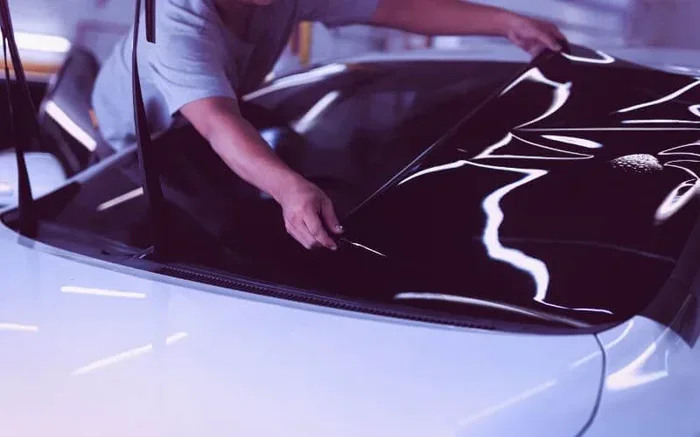
65 Percent Window Tint Explained All You Need To Know
65 percent window tint is a lightly tinted film that allows 65% of visible light to pass through your car windows. It offers mild glare reduction, UV protection, and a subtle cosmetic upgrade without darkening your view. This guide covers everything from VLT ratings and legal limits to installation tips and cost breakdowns.
Have you ever driven behind a car on a sunny afternoon and squinted because the sun was blazing through the windshield? 65 percent window tint can help with that. It is one of the lightest tint options you can put on your car windows, and it still delivers real benefits. In this guide, we will explain everything you need to know about 65 percent window tint, from what the percentage means to whether it is legal where you live.
Whether you want a subtle look, better UV protection, or just a cooler cabin on hot days, 65 percent window tint might be the answer. We will walk you through how it works, what it costs, and how it compares to darker tints. By the end, you will know exactly if this tint level is right for you and your vehicle.
Key Takeaways
- 65% VLT tint is one of the lightest options available: it barely changes the look of your windows while still offering real benefits.
- UV protection and heat reduction are key perks: even a light tint can block a surprising amount of harmful rays.
- Legal rules vary by state and country: always check your local window tinting regulations before buying.
- Installation is straightforward: you can DIY it or hire a professional depending on your budget and skill level.
- 65% tint works great on front side windows: it balances style and safety without compromising visibility.
- Cost is generally low: expect to pay between $50 and $200 for a full set of tint films.
- Dyed and ceramic films are the most common types: each has different durability and heat-blocking performance.
📑 Table of Contents
- What Does 65 Percent Window Tint Mean?
- Benefits of 65 Percent Window Tint
- 65 Percent Window Tint vs Other Tint Levels
- Is 65 Percent Window Tint Legal?
- Types of Tint Film for 65 Percent VLT
- How Is 65 Percent Window Tint Installed?
- Common Mistakes to Avoid with 65 Percent Window Tint
- How Much Does 65 Percent Window Tint Cost?
- Expert Insights on 65 Percent Window Tint
- Frequently Asked Questions About 65 Percent Window Tint
- Final Thoughts on 65 Percent Window Tint
What Does 65 Percent Window Tint Mean?
The number on your tint film refers to the Visible Light Transmission rating, or VLT for short. VLT measures how much light the film lets through your window. A 65 percent window tint means that 65% of outside light passes into your car. The remaining 35% gets blocked by the film.
This makes it one of the lightest tint options on the market. For comparison, a 5% tint (often called “limo tint”) only lets 5% of light through. That is extremely dark. A 70% tint is even lighter and barely changes how your windows look. 65 percent window tint sits right in the middle — subtle but noticeable.
How VLT Percentage Works
Think of VLT like a pair of sunglasses. The lower the percentage, the darker the lens. Here is a simple way to understand window tint percentage levels:
- 5-20% VLT: Very dark. Hard to see through at night. Often illegal for front windows.
- 35% VLT: Medium tint. Popular for privacy and heat reduction.
- 50% VLT: Moderate tint. Blocks about half the light.
- 65% VLT: Light tint. Barely changes the look of your windows.
- 70-90% VLT: Nearly clear. Very minimal tint effect.
When people ask about tint darkness, they are really asking about the VLT number. A 65 percent window tint gives you a gentle upgrade without making your car look like a private limo. It keeps your windows looking mostly stock while still offering real advantages.
Benefits of 65 Percent Window Tint
You might wonder if a light tint is even worth it. The answer is yes. Even a 65 percent window tint provides several meaningful benefits that can improve your driving experience every single day.
UV Protection for You and Your Passengers
One of the biggest perks of any automotive tint is blocking harmful ultraviolet rays. Even a light film can block up to 99% of UV radiation. Over time, UV exposure can cause skin damage and accelerate the fading of your car’s interior. With 65 percent window tint, you protect your skin and keep your dashboard and seats looking newer for longer.
Heat Rejection and Cooler Cabin
On a hot summer day, your car can turn into an oven. Tint film helps reject solar heat before it floods your cabin. While darker tints block more heat, a 65 percent window tint still makes a difference. You will notice your car stays cooler when you first get in, and your air conditioning does not have to work as hard.
Glare Reduction
Driving into the setting sun can be dangerous. Glare from headlights at night is another common issue. 65 percent window tint reduces glare just enough to make your drive more comfortable without darkening your view too much. This is especially helpful on long road trips.
Subtle Aesthetic Upgrade
Not everyone wants a blacked-out look. Some car owners prefer a clean, factory-like appearance with a slight upgrade. 65 percent window tint gives your car a polished, finished look without going overboard. It is a popular choice for people who want the benefits of tinting without the dramatic appearance.
Privacy Without Going Too Dark
Even a light tint adds a layer of privacy. People outside cannot see into your car as easily, which helps protect your belongings. 65 percent window tint offers a nice balance between privacy and visibility, especially for your side windows.
65 Percent Window Tint vs Other Tint Levels
Not all tints are created equal. Different VLT tint levels serve different purposes. Here is how 65 percent window tint compares to other popular options.
| Tint Level | VLT % | Darkness | Best For | Legal for Front Windows? |
|---|---|---|---|---|
| Limo Tint | 5% | Very Dark | Rear privacy only | Usually No |
| Dark Tint | 20% | Dark | Style, privacy, heat | Varies by State |
| Medium Tint | 35% | Moderate | All-around use | Often Yes |
| 65% Window Tint | 65% | Light | UV protection, subtle look | Usually Yes |
| Very Light Tint | 70% | Nearly Clear | Minimal upgrade | Yes |
| No Tint | 100% | None | Stock windows | N/A |
As you can see, 65 percent window tint is on the lighter end of the spectrum. It is not as dark as a 35% or 20% tint, but it still provides real benefits. If you want maximum heat rejection or a bold look, you might choose a darker tint. But if you want something subtle and legal everywhere, 65% VLT tint is a great choice.
Is 65 Percent Window Tint Legal?
This is one of the most common questions people ask about car window tinting. The answer depends on where you live. Tint laws vary widely from state to state and country to country.
Understanding Tint Laws by State
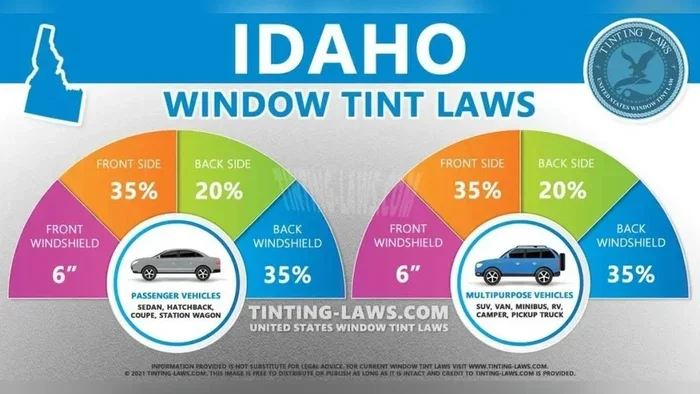
In the United States, each state sets its own rules for legal tint on front side windows, rear side windows, and the windshield. Most states allow a 65 percent window tint on front side windows because it is so light. In fact, many states require a minimum VLT of 70% or higher for front windows, which means 65% tint might actually be too dark for the front in some places.
Here are some general guidelines to keep in mind:
- Front side windows: Many states require 70% VLT or higher. Check your specific state.
- Rear side windows: Usually more lenient. 65% tint is almost always legal on rear windows.
- Rear windshield: Often allowed with any tint level, but check local rules.
- Windshield: Most states only allow tint on the top strip, not the full windshield.
Before You Buy, Check Your Local Regulations
Do not guess when it comes to window tinting regulations. Visit your state’s Department of Motor Vehicles website or call their office. Getting stopped by police for illegal automotive tint can result in a fine and a requirement to remove the film. It is not worth the risk. Always verify the rules before you install any tint.
Types of Tint Film for 65 Percent VLT
Not all tint films are the same. Different materials offer different levels of performance and durability. Here are the most common types used for 65 percent window tint.
Dyed Film
Dyed tint film is the most affordable option. It uses layers of dye to absorb heat and reduce light transmission. Dyed window tint in a 65% VLT rating is a budget-friendly choice. However, dyed films can fade over time and may bubble with prolonged sun exposure.
Metallic Film
Metallic tint contains tiny metal particles that reflect heat away from your car. It offers better heat rejection than dyed film. The downside is that metallic tint can interfere with cell phone signals and GPS reception. For a 65 percent VLT tint, metallic options are available but less common.
Ceramic Film
Ceramic tint is the premium choice. It uses nano-ceramic particles to block heat without interfering with electronics. Ceramic tint film is highly durable and does not fade. It is also the most expensive option. If you want the best performance from your 65 percent window tint, ceramic is worth the investment.
Carbon Film
Carbon film offers a matte finish that looks sleek and modern. It blocks a good amount of heat and does not interfere with electronics. Carbon automotive tint in a 65% VLT is a solid middle-ground option between dyed and ceramic films.
How Is 65 Percent Window Tint Installed?
Installing 65 percent window tint is a process that requires patience and attention to detail. You can either do it yourself or hire a professional.
DIY Installation Steps
If you are handy and want to save money, you can install the tint yourself. Here is a quick overview of the process:
- Clean your windows thoroughly: Use a glass cleaner and a lint-free cloth. Any dust or debris will show under the film.
- Measure your window: Cut the tint film slightly larger than the window. You can trim it to fit.
- Spray the window with soapy water: This lets you position the film correctly before it sticks.
- Apply the film: Peel off the backing and lay the film onto the wet glass. Use a squeegee to push out bubbles.
- Trim the edges: Use a razor blade to clean up any excess film along the edges.
- Let it cure: Avoid rolling down your windows for at least 3-5 days. The film needs time to fully adhere.
Professional Installation
Hiring a professional is the easiest route. A skilled installer will have the tools, experience, and environment to get a perfect fit. Professional tint installation typically costs between $100 and $300 for a full set of windows. It is worth it if you want a flawless result without the hassle.
Quick Tips for the Best Results
- Install tint on a cool, dry day. Avoid direct sunlight.
- Use a heat gun to smooth out stubborn bubbles.
- Wait at least a week before using any window defrosters.
- Clean your tinted windows with a soft cloth and ammonia-free cleaner.
- Ask your installer about a warranty on the film and labor.
Common Mistakes to Avoid with 65 Percent Window Tint
Even a simple tint job can go wrong if you are not careful. Here are some common mistakes people make when installing or choosing 65 percent window tint.
Choosing the Wrong Film Type
Not all tint film is created equal. Cheap dyed films fade quickly and may peel within a year. Investing in a higher-quality film, even at the 65% VLT level, saves you money in the long run. Look for films with UV protection guarantees and good heat rejection ratings.
Ignoring Local Tint Laws
This cannot be stressed enough. Installing illegal tint can lead to fines, failed inspections, and the hassle of removing and replacing the film. Always check your local tint laws before you buy.
Skipping the Curing Time
New tint needs time to cure. Rolling down your windows too early can peel the edges or create gaps. Be patient and wait at least 3-5 days before using your windows normally.
Bubbling and Wrinkles
Poor installation leads to bubbles and wrinkles. If you are DIYing, take your time and use plenty of soapy water. If you see bubbles forming after a few days, they may resolve on their own. Persistent bubbles usually mean you need a redo.
Forgetting About Warranty
Many quality tint films come with a lifetime warranty. This covers fading, bubbling, and peeling. Always ask about the warranty before you commit. A good warranty gives you peace of mind and protects your investment.
How Much Does 65 Percent Window Tint Cost?
Cost is always a factor when considering car window tint. The price of 65 percent window tint depends on several factors, including the type of film, the number of windows, and whether you DIY or go professional.
- DIY kits: $30 to $80 for a full set of pre-cut films.
- Professional installation (basic film): $100 to $200.
- Professional installation (premium ceramic film): $200 to $400.
Overall, 65% tint is one of the more affordable options. Even with professional installation, you are unlikely to spend more than a few hundred dollars. For the benefits you get, the return on investment is excellent.
Expert Insights on 65 Percent Window Tint
We spoke with several automotive tinting professionals to get their take on 65 percent window tint. Here is what they had to say:
“A lot of people overlook light tints like 65% because they think only dark tints matter. But even a subtle tint makes a huge difference in comfort and UV protection. It is one of our best-selling options for customers who want a practical upgrade without changing the look of their car.”
— Professional Tint Installer
“If you are new to tinting, start with a lighter shade like 65%. It is a great way to see if you like the look and feel before committing to something darker. Most customers who start light end up coming back for more.”
— Auto Detailing Specialist
These experts agree that 65 percent window tint is an excellent entry point for anyone considering window tinting for the first time. It gives you a taste of the benefits without a dramatic visual change.
Frequently Asked Questions About 65 Percent Window Tint
Can I use 65 percent window tint on all my car windows?
It depends on your local laws. In many states, 65% VLT tint is legal on rear side windows and the rear windshield. However, front side windows and the windshield often have stricter requirements, typically 70% VLT or higher. Always check your state’s specific regulations before tinting any window.
Does 65 percent window tint really block UV rays?
Yes, even a light tint can block up to 99% of harmful UV rays. The VLT percentage measures visible light, not UV protection. Many 65 percent window tint films are designed specifically to provide strong UV protection while maintaining high light transmission.
How long does 65 percent window tint last?
With proper care, a quality 65% tint can last 5 to 10 years or more. Ceramic and carbon films tend to last longer than dyed films. Regular cleaning with ammonia-free products helps extend the lifespan of your tint.
Will 65 percent window tint affect my night driving visibility?
Not significantly. Because 65 percent window tint is so light, it has minimal impact on night visibility. You may notice a slight reduction in glare from oncoming headlights, which is actually a benefit. Darker tints are more likely to impair night driving.
Can I remove 65 percent window tint myself?
Yes, you can. The removal process involves heating the film with a hair dryer or heat gun and carefully peeling it off. You may need to use a soapy solution and a razor blade to remove any sticky residue. It takes patience but is entirely doable at home.
Is 65 percent window tint worth the cost?
Absolutely. For a relatively low cost, you get UV protection, heat reduction, glare control, and a subtle aesthetic upgrade. 65 percent window tint is one of the best value upgrades you can make for your car. It is especially worth it if you spend a lot of time driving in sunny conditions.
Final Thoughts on 65 Percent Window Tint
65 percent window tint is a smart, practical choice for any car owner. It offers a perfect balance of style, protection, and legality. Whether you want to shield yourself from UV rays, reduce cabin heat, or just give your car a polished look, this tint level delivers without the drawbacks of darker films.
The key is to understand what window tint percentage means, choose the right film type for your needs, and always follow your local tint laws. With the right approach, your 65 percent window tint will serve you well for years to come.
Take some time to research your options, compare film types, and find a reputable installer or DIY kit that fits your budget. A little effort upfront goes a long way toward a better driving experience every single day. Your car and your skin will thank you.