Can You Program a New Key Fob Yourself Without Help
Can you program a new key fob yourself without help? The short answer is yes, in many cases. This guide walks you through the entire process, from understanding how your key fob programming works to troubleshooting common problems. You will learn about different car key fob types, step-by-step DIY methods, and when it is smarter to call a pro. We also cover costs, common mistakes, and practical tips to keep your remote key fob working smoothly for years.
Have you ever lost your car keys or needed a spare? If so, you have probably wondered about key fob programming. The good news is that many drivers can handle this task on their own. You do not always need to visit a dealer or pay expensive fees. This guide will show you exactly how to program a new key fob yourself. We will cover everything from basic remote key fob systems to advanced smart keys. By the end, you will know whether a DIY approach works for your vehicle. You will also learn when it is smarter to seek professional help.
Programming your own key fob saves time and money. It also gives you a sense of independence. However, not all vehicles use the same method. Different car brands have different procedures. Some require special tools, while others need only a few button presses. This article breaks it all down in simple terms. Whether you drive a sedan, truck, or SUV, you will find useful information here. Let us dive into the world of car key programming and see what you can do on your own.
Before we get into the steps, let us talk about why this topic matters so much. Car keys have evolved a lot over the years. Older vehicles used simple metal keys. Today, most cars come with remote key fobs that lock, unlock, and even start the engine. These small devices use radio signals and computer chips to communicate with your vehicle. When something goes wrong, replacing a key fob can feel overwhelming. But with the right knowledge, you can tackle it confidently. Can you program a new key fob yourself? Yes, and we are going to prove it to you.
Key Takeaways
- Many vehicles allow DIY key fob programming: Most cars made after 2000 support self-programming with simple steps found in your owner manual.
- You need the right tools and preparation: A working key fob, a fresh battery, and your vehicle registration are essential before you start.
- Smart keys and proximity keys are harder to program: These advanced systems often require professional equipment or dealer access.
- Common mistakes cause programming failures: Timing errors, dead batteries, and incorrect button sequences are the top reasons DIY attempts fail.
- Professional help costs between $50 and $200: Hiring an auto locksmith is often faster and safer than struggling with complex systems.
- Regular maintenance prevents key fob issues: Battery replacement every two years and proper storage keep your remote key fob reliable.
- Always check your vehicle warranty: Some manufacturers cover key fob programming costs, saving you money on car key replacement.
📑 Table of Contents
- Understanding How Key Fob Programming Works
- Types of Key Fobs and Their Programming Methods
- Step-by-Step Guide to Programming a New Key Fob Yourself
- When You Should Call a Professional Instead
- Common Key Fob Programming Problems and How to Fix Them
- Tips to Keep Your Key Fob Working Like New
- Conclusion
Understanding How Key Fob Programming Works
To program a new key fob, you first need to understand how it works. Your car’s vehicle security system uses a special connection between the key and the ignition. When you press a button on your fob, it sends a coded signal. Your car receives that signal and responds if the code matches. This is what allows you to lock doors or start the engine from a distance.
How Your Car Key Fob Communicates
Every car key fob contains a small transmitter. This transmitter sends radio frequency signals to your car’s receiver. The signal carries a unique identification code. Think of it like a secret handshake between your key and your vehicle. If the handshake matches, the car responds. If it does not match, the car ignores the signal. This is why key fob programming must be done correctly. You are essentially teaching your car to recognize a new key.
The process happens very quickly, often in milliseconds. Modern vehicles use rolling codes that change every time you use the fob. This makes your car more secure against theft. When you program a new fob, you are adding its code to the car’s memory. The car’s computer stores this information in its vehicle immobilizer system. This system prevents the engine from starting without the correct key.
The Role of the Transponder Chip
Many modern keys contain a transponder key chip inside the plastic head. This chip sends a unique identification number to the car when you insert the key into the ignition. The car’s computer reads this number and checks it against its database. If the number matches, the engine can start. If it does not match, the car stays locked.
This transponder technology is a major security feature. It makes hot-wiring a car almost impossible. However, it also makes replacing lost keys more complicated. When you program a new fob, both the remote functions and the transponder chip must be registered. Some vehicles handle this in one step. Others require separate programming for each function. This is why understanding your specific vehicle matters before you begin.
Types of Key Fobs and Their Programming Methods
Not all key fobs are the same. Different vehicles use different types of car keys, and each type has its own programming method. Let us explore the most common types you will encounter.
Standard Remote Key Fobs
Standard remote key fobs are the most common type. They have buttons for locking, unlocking, and sometimes opening the trunk. These fobs usually do not have a transponder chip inside the remote itself. Instead, the transponder is in a separate mechanical key blade hidden inside the fob shell.
Programming a standard remote fob is usually the easiest DIY task. Most vehicles made after 2000 allow you to do this without special tools. The process typically involves turning the ignition on and off a specific number of times. Then you press buttons on the fob in a certain sequence. The car’s lights may flash or the doors may lock to confirm success. This method works for many popular brands like Toyota, Honda, Ford, and Chevrolet.
Smart Keys and Proximity Keys
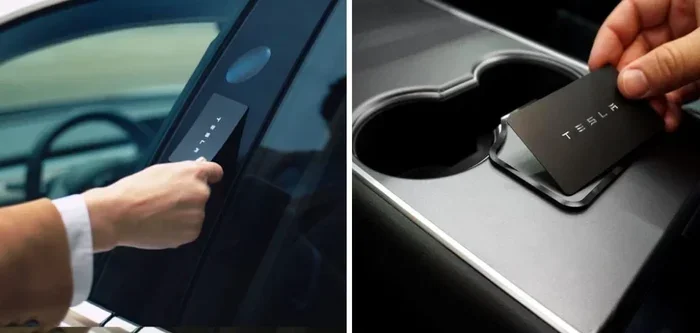
Smart keys, also called proximity keys, represent the newest technology. These fobs allow you to start your car without inserting the key at all. You simply press a start button while carrying the fob in your pocket or bag. The car detects the fob’s presence through key fob signal sensors placed around the vehicle.
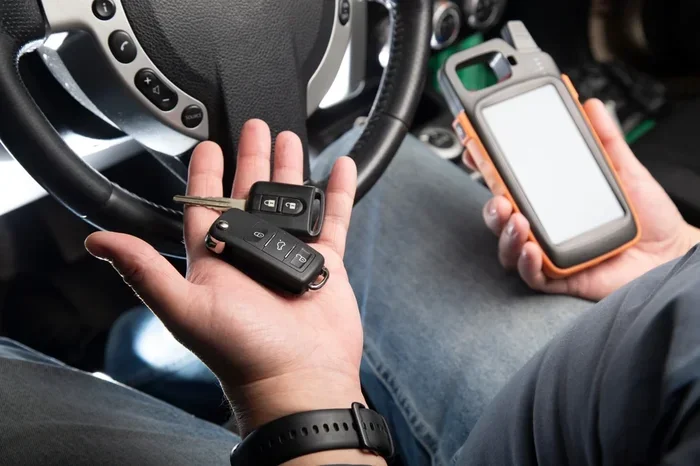
Programming a smart key is more complex. These systems often require dealer-level equipment or specialized diagnostic tools. The car’s computer must learn the fob’s unique encrypted code. This encryption is much stronger than what older fobs use. For this reason, many DIY key fob guides do not cover smart key programming. However, some newer vehicles do offer limited self-programming options. Always check your owner manual first before assuming you cannot do it yourself.
Flip Keys and Switchblade Keys
Flip keys, also known as switchblade keys, have a retractable metal blade that pops out when you press a button. These keys combine a remote fob with a traditional mechanical key. They are common on many European and Asian vehicles.
Programming a flip key involves both the remote functions and the transponder chip. The process is similar to programming a standard remote fob, but with extra steps for the transponder. You will need both the mechanical key and the remote fob portion to complete the programming. These keys can be trickier, but they are still manageable for most DIY enthusiasts.
Step-by-Step Guide to Programming a New Key Fob Yourself
Now that you understand the basics, let us walk through the actual programming process. Follow these steps carefully for the best results. Remember that exact steps vary by vehicle, so always refer to your vehicle owner manual as your primary guide.
What You Need Before You Start
Gather everything you need before you begin. Here is a simple checklist:
- A new key fob that is compatible with your vehicle
- A working key fob (if your vehicle requires one for programming)
- A fresh battery for the new fob (usually CR2025 or CR2032)
- Your vehicle registration and proof of ownership
- Your vehicle owner manual for specific instructions
- A quiet, distraction-free workspace near your car
Having everything ready prevents interruptions during the programming process. Some vehicles will time out if you take too long between steps. This means you would have to start over. Being prepared saves frustration and keeps you on track.
Programming Steps for Common Vehicles
While every car is different, many vehicles follow a similar pattern. Here is a general approach that works for many makes and models:
- Sit in the driver’s seat and close all doors.
- Insert your working key into the ignition.
- Turn the key to the “On” position without starting the engine.
- Turn the key back to the “Off” position.
- Repeat this on-off cycle a specific number of times (usually 3 to 5 times).
- Leave the key in the “On” position.
- Within a set time limit (often 30 seconds), press the lock or unlock button on your new fob.
- Wait for the doors to lock or the lights to flash as confirmation.
- Turn the key back to the “Off” position to exit programming mode.
- Test the new fob by standing a few feet away and pressing the buttons.
This general process works for many Ford, GM, and Chrysler vehicles from the past 15 years. Always double-check the exact steps for your specific make and model in the owner manual. The number of on-off cycles and the timing window can vary significantly.
Quick Tips for Success
Here are some practical tips that make the process smoother:
- Keep the working fob close to the new fob during programming. Some systems read both fobs at the same time.
- Do not rush through the steps. Follow each step in the correct order.
- If the car does not respond, do not panic. Wait a few seconds and try again from the beginning.
- Make sure the new fob battery is fresh. A weak battery causes many programming failures.
- Write down the exact steps you followed. This helps if you need to reprogram the fob later.
- Have your vehicle manual open and ready for reference throughout the process.
When You Should Call a Professional Instead
While DIY programming works for many situations, there are times when professional help is the better choice. Knowing when to call an auto locksmith can save you time, money, and frustration.
Situations That Need a Professional
Certain situations make self-programming difficult or impossible. Here are the most common ones:
- Your vehicle uses a smart key or proximity key system that requires dealer-level diagnostic equipment.
- You have lost all working key fobs and need to program a completely new one from scratch.
- Your car’s security system has been reset or flashed, clearing all previously programmed keys.
- You own a luxury or high-end vehicle with advanced encryption that prevents aftermarket fob programming.
- You have tried multiple times and the car will not accept the new fob.
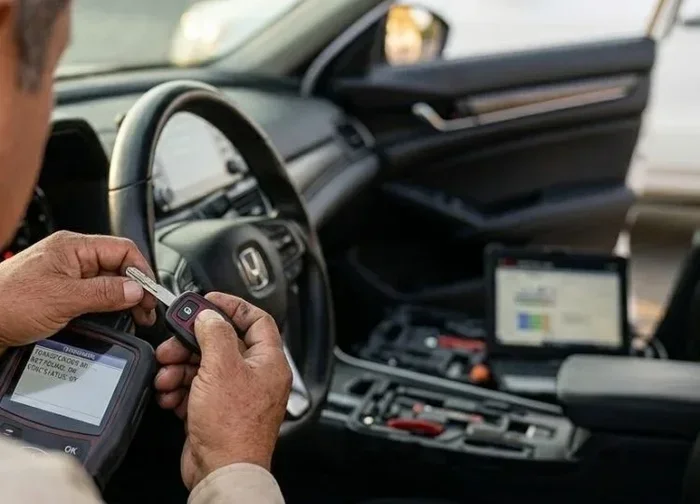
- Your vehicle requires a special scan tool to enter programming mode.
In these situations, a professional locksmith or dealer has the right tools and expertise. They can handle complex programming that goes beyond simple button sequences. A skilled auto locksmith often costs less than a dealer visit while providing the same quality of service.
Key Fob Programming Cost Considerations
Understanding the key fob programming cost helps you decide between DIY and professional help. DIY programming costs you nothing but time. A new replacement fob typically ranges from $20 to $100 depending on your vehicle. If you choose a locksmith or dealer for programming, expect to pay $50 to $200 on top of the fob cost.
For many drivers, the total cost of a DIY approach is much lower. You buy the fob online or at an auto parts store and program it yourself. However, if you make a mistake and need professional help anyway, you have spent both time and money. Weigh your comfort level with technical tasks before deciding. When in doubt, a quick call to a locksmith can give you clear guidance.
Common Key Fob Programming Problems and How to Fix Them
Even with careful preparation, things can go wrong during key fob programming. Here are the most common problems and their solutions.
Key Fob Not Working After Programming
This is the most frustrating problem. You followed every step, but the fob does nothing. The most common cause is a timing issue. Many vehicles have a very short window for entering programming mode. If you are even a few seconds too slow, the car exits the mode and you must start over.
Another common cause is a weak battery in the new fob. Always install a fresh battery before programming. Also check that you are using the correct fob for your vehicle. Using a fob meant for a different model will not work, even if it looks similar.
Signal Range Issues
Sometimes a newly programmed fob works near the car but not from a distance. This key fob range problem can have several causes. First, check the battery orientation. A battery installed backwards will power the fob but reduce its signal strength.
Second, physical damage to the fob can weaken the signal. Drop tests and water exposure are common culprits. If the fob looks damaged, replace it rather than trying to reprogram it. Finally, interference from other electronic devices can sometimes reduce range. Try programming the fob away from other electronics and test it again.
Battery Problems
The key fob battery is the most overlooked cause of programming failures. A battery that is even slightly low may not provide enough power during the programming handshake. Use a brand-new battery from a reputable brand. Avoid cheap off-brand batteries that may have inconsistent voltage levels.
Also, never mix old and new batteries. If you are replacing the battery in an existing fob before reprogramming it, put in a completely fresh pair. Most car fobs use CR2025 or CR2032 batteries. These are widely available and inexpensive. Keep spare batteries in your glove box so you are always prepared.
Tips to Keep Your Key Fob Working Like New
Once you have successfully programmed your new fob, you want it to last. Proper care extends the life of your car key fob and prevents future problems.
Battery Replacement Best Practices
Replace your key fob battery every two years, even if it still seems to work. A battery that is starting to weaken can cause intermittent signal problems. These small issues are easy to overlook but can lead to a dead fob at the worst possible moment.
When replacing the battery, use a clean, dry hand or wear gloves. Oils and moisture from your skin can corrode the battery contacts. Also, clean the battery contacts with a dry cloth before inserting the new battery. This simple step improves connection reliability and extends the life of your fob.
Protecting Your Key Fob from Damage
Your key fob is a small electronic device that deserves protection. Avoid dropping it on hard surfaces. The internal circuit board and antenna can crack from impact. Keep it away from water and extreme heat. Do not leave it on the dashboard in direct sunlight during summer.
Consider using a protective case or sleeve for your fob. These small accessories absorb shocks and prevent scratches. If you are into fitness or outdoor activities, keep your fob in a secure pocket rather than loose in a bag. Proper storage prevents the kind of damage that leads to key fob not working situations.
Conclusion
Can you program a new key fob yourself without help? Yes, you can in many cases. With the right preparation and patience, most standard key fobs can be programmed at home. Understanding how your vehicle security system works gives you confidence and saves money. Start with your owner manual, gather your tools, and follow the steps carefully.
Remember that not every vehicle is the same. Advanced smart keys and luxury vehicles may need professional assistance. That is perfectly fine. Knowing when to DIY and when to call in help is part of being a smart car owner. Whether you choose to program your fob yourself or seek professional help, the goal is the same. Get your car key replacement working reliably and get back on the road with confidence.
Frequently Asked Questions
How long does it take to program a new key fob yourself?
For most standard vehicles, the process takes between 5 and 15 minutes. Smart keys and vehicles with advanced security systems can take longer, sometimes up to 30 minutes. Having your owner manual open and all your materials ready helps keep the process quick and smooth.
Can I program a key fob without a working key?
This depends on your vehicle. Some cars allow you to program a new fob from scratch without any existing working key. However, many vehicles require at least one working fob to enter programming mode. Check your owner manual or call a locksmith to confirm what your specific model requires.
Is DIY key fob programming safe for my car?
Yes, following the correct steps in your owner manual is completely safe. You are not modifying any internal car systems. You are simply adding a new fob code to the car’s existing memory. The process is designed by the manufacturer to be safe for vehicle owners to perform.
What should I do if my new fob still does not work after programming?
First, check the battery and make sure it is fresh and installed correctly. Next, verify that you followed the exact steps for your vehicle model. If it still does not work, the fob may be defective or incompatible. Contact the seller for a replacement or consult a professional locksmith for further diagnosis.
How much does a replacement key fob cost without professional programming?
A replacement fob typically costs between $20 and $100 when purchased online or at an auto parts store. If you program it yourself, there is no additional labor cost. This is significantly cheaper than going to a dealer, where total costs including programming can range from $100 to $400 or more.
Do I need special tools to program a key fob at home?
For most standard remote key fobs, you need no special tools at all. Just your new fob, a fresh battery, and your vehicle. Smart key systems and some luxury vehicles may require a diagnostic scanner or specialized equipment. In those cases, a professional locksmith is the better option.