Can a Ford F-150 Pull a Fifth Wheel on the Highway
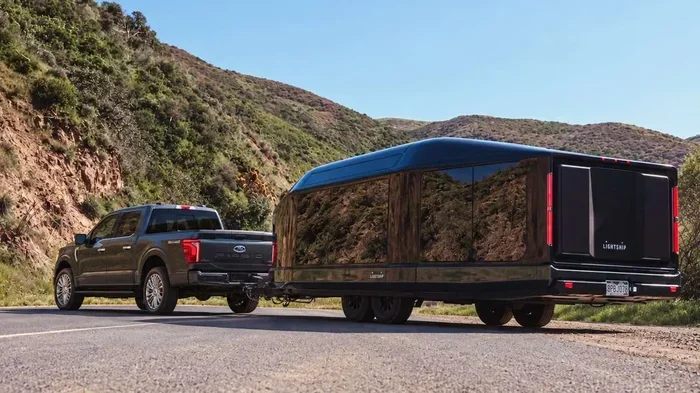
Yes, a Ford F-150 can pull a fifth wheel, but it depends on your truck’s model year, cab size, bed length, and towing package. The F-150 offers impressive towing capacity when properly equipped, making it a popular choice for fifth wheel towing among truck enthusiasts. This guide covers everything you need to know about towing capacity, hitch setup, highway safety, and common mistakes to help you tow with confidence.
The question of whether a Ford F-150 can pull a fifth wheel comes up a lot among truck buyers and camping enthusiasts. The short answer is yes. But the real question is how safely and effectively your specific F-150 can handle a fifth wheel trailer on the highway. The Ford F-150 has been America’s best-selling truck for decades, and its towing capabilities have improved dramatically with each new generation. Whether you are planning a cross-country trip with a fifth wheel camper or just starting to explore the world of truck towing, understanding your F-150’s limits and capabilities is essential.
Not every F-150 is built the same. A base model with a short bed and a smaller engine will not tow the same way a SuperCrew cab with a long bed and a towing package will. Factors like axle ratio, payload capacity, and hitch type all play a role. In this article, we will walk you through everything you need to know about fifth wheel towing with a Ford F-150. We will cover towing limits, hitch options, highway driving tips, and the mistakes you should avoid at all costs.
Key Takeaways
- Yes, the F-150 Can Tow a Fifth Wheel: With the right towing package and hitch setup, the Ford F-150 handles fifth wheel trailers effectively on the highway.
- Payload and Towing Capacity Matter Most: Always check your specific F-150 model’s payload capacity and towing limits before attaching a fifth wheel.
- Hitch Type and Placement Are Critical: Choosing the right fifth wheel hitch and mounting it correctly ensures safe and stable towing.
- Highway Towing Requires Extra Precautions: Speed control, weight distribution, and trailer braking systems play a big role in safe highway towing.
- Avoid Common Mistakes Like Overloading: Exceeding payload limits or skipping weight distribution are the top errors F-150 owners make when towing.
- Regular Maintenance Keeps Your Setup Safe: Inspect your hitch, brakes, and wiring before every trip for reliable performance.
📑 Table of Contents
Can a Ford F-150 Pull a Fifth Wheel?
The Ford F-150 is more than capable of pulling a fifth wheel trailer. In fact, the latest generation F-150 can tow up to 14,000 pounds when properly equipped. That is enough to handle a wide range of fifth wheel setups, from lightweight truck campers to larger travel trailers. But capability does not mean every F-150 model can do the same job. Your specific truck’s configuration determines what it can safely tow.
What Makes the F-150 Suitable for Fifth Wheel Towing?
The F-150 comes with several features that make it a strong choice for fifth wheel towing. The available Max Trailer Tow Package includes a heavy-duty cooling system, a wiring harness, and a Class 5 hitch receiver rated for up to 2,500 pounds of tongue weight. The SuperCrew cab with a 6.5-foot or 8-foot bed provides the best balance of space and towing capability. The 3.5-liter EcoBoost V6 engine delivers strong torque at low RPMs, which is exactly what you need when hauling a heavy fifth wheel down the highway.
Another advantage is the available Pro Trailer Backup Assist system. This feature makes backing up a fifth wheel trailer much easier, especially for drivers who are new to towing. The system allows you to control the trailer’s steering with a dial on the dashboard, removing the guesswork from tight campground spots and backing maneuvers.
Fifth Wheel vs. Gooseneck: What Is the Difference?
Before we go further, it helps to understand the difference between a fifth wheel and a gooseneck hitch. Both mount in the bed of the truck, but they use different coupling mechanisms. A fifth wheel hitch uses a kingpin that connects to a horseshoe-shaped coupler on the trailer. A gooseneck hitch uses a ball that the trailer’s neck rests on. Fifth wheel setups are more common for recreational trailers because they offer a smoother ride and better stability. Gooseneck hitches are often used for livestock trailers and lighter-duty applications.
For the purposes of this article, we are focusing on fifth wheel towing with the Ford F-150. The principles apply to gooseneck setups as well, but the hitch hardware and installation differ.
Understanding Towing Capacity and Payload Limits
Before you hitch up a fifth wheel to your F-150, you need to understand two critical numbers: towing capacity and payload capacity. These numbers are not the same, and confusing them can lead to dangerous situations on the road.
What Is Towing Capacity?
Towing capacity is the maximum weight your truck can safely pull behind it. For the Ford F-150, this number ranges from about 5,000 pounds for a base model to 14,000 pounds for a fully loaded Max Trailer Tow Package. Your towing capacity depends on your engine, cab size, bed length, axle ratio, and whether you have the towing package installed.
What Is Payload Capacity?
Payload capacity is the maximum weight your truck can carry in its bed and cab, including the weight of the passengers, cargo, and the tongue weight of the trailer. This is where many F-150 owners get tripped up. A fifth wheel hitch sits in the bed of the truck, and a significant portion of the trailer’s weight transfers directly onto the truck’s rear axle. If your payload capacity is exceeded, you risk damaging your truck, losing control, or causing a serious accident.
F-150 Towing and Payload by Configuration
Here is a quick comparison of different F-150 configurations and their approximate towing and payload limits. Keep in mind these numbers vary by model year and specific trim.
| Configuration | Engine | Towing Capacity | Payload Capacity |
|---|---|---|---|
| Base Model, 5.5-ft Bed | 3.3L V6 | ~7,700 lbs | ~1,400 lbs |
| XLT, 6.5-ft Bed | 5.0L V8 | ~11,500 lbs | ~1,800 lbs |
| Lariat, 8-ft Bed | 3.5L EcoBoost | ~13,500 lbs | ~2,100 lbs |
| Raptor, 8-ft Bed | 3.5L EcoBoost | ~14,000 lbs | ~1,750 lbs |
| Max Tow Package, SuperCrew | 3.5L EcoBoost | ~14,000 lbs | ~2,300 lbs |
Always check your specific truck’s door jamb sticker or owner’s manual for exact numbers. These figures are approximate and can vary based on options and aftermarket modifications.
Quick Tips
- Always weigh your truck fully loaded before towing, including passengers and cargo.
- Use a public scale at a truck stop to get accurate weight readings.
- Remember that the tongue weight of a fifth wheel should be about 15 to 25 percent of the total trailer weight.
Choosing the Right Fifth Wheel Hitch for Your F-150
Selecting the right fifth wheel hitch is one of the most important decisions you will make for your towing setup. The hitch is the connection point between your truck and the trailer, and choosing the wrong one can compromise safety and performance.
Types of Fifth Wheel Hitches
There are several types of fifth wheel hitches available for the Ford F-150. The most common options include:
- Fixed-Mount Hitches: These are bolted directly to the truck bed and provide a solid, stable connection. They are ideal for heavy-duty towing but require a permanent setup.
- Sliding Hitches: These rails allow the hitch to slide forward and backward, giving you more room to maneuver the truck and trailer. They are especially useful when the trailer bed length limits how close you can position the hitch.
- Lifting Hitches: These hitches can be raised or lowered to reduce the truck’s payload when the trailer is not attached. They are convenient for owners who also use their truck bed for other purposes.
Popular brands for F-150 fifth wheel hitches include Reese, Curt, and Hensley. Each offers different weight ratings and features, so choose one that matches your towing needs.
Hitch Placement and Bed Length
Where you place the hitch in the truck bed matters a lot. The general rule is to position the hitch so that the trailer’s kingpin sits over the rear axle or slightly ahead of it. This placement helps distribute weight properly and improves stability. For an 8-foot bed, you typically have more flexibility in hitch placement. For a 6.5-foot bed, you may need a sliding hitch to achieve the correct position without the trailer hitting the cab.
Installing a Fifth Wheel Hitch
Installing a fifth wheel hitch is a job you can do yourself with the right tools, but many owners prefer to have it done professionally. A proper installation ensures the hitch is level, securely mounted, and aligned with the trailer’s coupling mechanism. If you install it yourself, make sure to follow the manufacturer’s instructions exactly and use all recommended hardware and torque specifications.
Common Mistakes
- Skipping the weight distribution system: A weight distribution bar helps spread the trailer’s tongue weight across all axles. Skipping this can lead to dangerous trailer sway.
- Using the wrong hitch for your trailer weight: Always match the hitch rating to your trailer’s gross weight. Using an under-rated hitch is a serious safety risk.
- Forgetting to check the hitch pin and locking mechanism: A loose hitch pin can cause the trailer to separate from the truck. Always double-check before every trip.
Highway Driving with a Fifth Wheel Setup
Driving a Ford F-150 with a fifth wheel trailer on the highway is a different experience than driving without one. The added length, weight, and wind exposure all change how your truck handles on the road. Understanding these changes will help you drive more safely and confidently.
Managing Trailer Sway
Trailer sway is one of the biggest dangers of highway towing. It happens when the trailer starts to oscillate from side to side, often caused by wind, improper weight distribution, or passing trucks. The F-150’s available trailer sway control system helps counteract this by applying individual brakes and reducing engine power. However, technology is not a substitute for proper setup. Make sure your load is balanced, your hitch is correctly positioned, and your weight distribution system is properly adjusted.
If you do experience trailer sway, do not slam on the brakes. Instead, ease off the accelerator and let the truck slow down gradually. Keep the steering wheel straight and let the system do its job.
Braking and Speed Considerations
When you are towing a fifth wheel, your stopping distance increases significantly. A fully loaded F-150 with a fifth wheel trailer can weigh 15,000 pounds or more. At highway speeds, that much weight takes a lot longer to stop. Always leave extra following distance and brake early and gently. Avoid sudden braking whenever possible.
Speed also plays a role. Most experts recommend keeping your speed under 65 mph when towing a fifth wheel. Higher speeds increase wind resistance, heat buildup in the brakes, and the likelihood of trailer sway. The F-150’s powerful engine makes it tempting to push the speed limit, but patience and caution will keep you safer on long highway trips.
Fuel Economy While Towing
Towing a fifth wheel will reduce your fuel economy, and that is normal. Expect your MPG to drop by 3 to 5 miles per gallon compared to driving without a trailer. The F-150’s EcoBoost engine handles the extra load well, but it still burns more fuel when pulling a heavy fifth wheel. Plan your fuel stops accordingly, especially on long highway stretches where gas stations may be far apart.
Expert Insights
Experienced fifth wheel owners recommend doing a practice run in an empty parking lot before hitting the highway. Get a feel for how your F-150 handles with the trailer attached. Practice turning, backing up, and emergency braking in a safe environment. This preparation builds confidence and helps you avoid surprises on the road.
Common Mistakes When Towing a Fifth Wheel
Even experienced truck owners make mistakes when towing a fifth wheel. Being aware of the most common errors can help you avoid them and stay safe on the road.
Overloading the Truck
The most dangerous mistake is exceeding your truck’s payload capacity. When you add the weight of the trailer’s tongue, passengers, cargo, and the hitch itself, it is easy to go over the limit. Overloading causes excessive wear on your brakes, suspension, and tires. It also makes the truck harder to control, especially in emergency situations. Always weigh your setup before you hit the road.
Ignoring Weight Distribution
Proper weight distribution is essential for stable towing. If too much weight is loaded toward the rear of the trailer, the front of the truck will lift, reducing steering control. If the weight is too far forward, the rear of the truck may sag, affecting braking and handling. Use a weight distribution system with spring bars to balance the load properly across all axles.
Neglecting Trailer Maintenance
Your trailer needs regular maintenance just like your truck does. Check the trailer brakes, wheel bearings, tires, and lights before every trip. A blown tire on a fifth wheel trailer at highway speed can be catastrophic. Inspect the kingpin, coupler, and locking jaws for wear and damage. A little prevention goes a long way toward avoiding costly repairs and dangerous breakdowns.
Underestimating the Turning Radius
A fifth wheel trailer significantly increases your turning radius. The trailer’s rear overhang swings wide on tight turns, and it can clip curbs, signs, and even other vehicles if you are not careful. When making right turns, swing out wider than normal. When navigating tight spaces, remember that the trailer follows a tighter path than the truck, a phenomenon known as “off-tracking.”
Expert Tips for Safe and Smooth Towing
Towing a fifth wheel with a Ford F-150 can be a rewarding experience when done right. Here are some expert tips to help you get the most out of your setup and stay safe on every trip.
Pre-Trip Checklist
Before every towing trip, run through this checklist to make sure everything is in order:
- Check the hitch pin and locking mechanism to confirm the trailer is securely attached.
- Verify that the trailer’s brake lights and turn signals are working properly.
- Inspect all tires on both the truck and trailer for proper inflation and tread depth.
- Make sure the load inside the trailer is balanced and securely fastened.
- Confirm your mirrors provide clear visibility past the trailer.
- Test the trailer brakes by applying them gently while driving slowly.
- Check your truck’s fluid levels, especially coolant and transmission fluid.
Maintenance Tips for Towing
Towing puts extra stress on your F-150, so regular maintenance is even more important. Here are some key areas to focus on:
- Brake pads and rotors: Towing wears brakes faster. Inspect them regularly and replace them when needed.
- Transmission fluid: The extra heat from towing can degrade transmission fluid more quickly. Change it at the recommended intervals or more frequently if you tow often.
- Tire pressure: Check tire pressure on both the truck and trailer before every trip. Underinflated tires generate more heat and are more prone to blowouts.
- Hitch hardware: Inspect all bolts, pins, and locking mechanisms on your fifth wheel hitch for wear and looseness.
Upgrades That Make Towing Easier
If you plan to tow frequently, consider these upgrades for your F-150:
- Tow mirrors: Extended side mirrors give you better visibility past the trailer.
- Trailer brake controller: A dedicated brake controller lets you apply the trailer’s brakes independently from the truck’s brakes, improving stopping power and control.
- Upgraded suspension: Heavy-duty leaf springs or air bags help level the truck when loaded and improve ride quality.
- Backup camera with trailer guidance: This feature helps you see the trailer’s position when backing up, making campground maneuvering much easier.
Final Thoughts
The Ford F-150 is a capable and versatile truck that can absolutely pull a fifth wheel on the highway. With the right configuration, hitch setup, and driving habits, you can enjoy safe and comfortable fifth wheel towing for years to come. The key is understanding your truck’s limits, investing in quality equipment, and always prioritizing safety over convenience.
Whether you are a first-time fifth wheel owner or a seasoned tower, taking the time to set up your F-150 correctly and drive with awareness will make every trip more enjoyable. Respect the weight, respect the road, and your F-150 will reward you with reliable performance and peace of mind on every journey.
Start by checking your truck’s specifications, choosing the right hitch, and practicing in a safe environment. Once you are confident in your setup, you will be ready to hit the highway with your fifth wheel and enjoy the freedom that comes with it.
Frequently Asked Questions
What is the maximum fifth wheel weight a Ford F-150 can tow?
The Ford F-150 can tow up to 14,000 pounds when equipped with the Max Trailer Tow Package and the 3.5-liter EcoBoost engine. However, your specific configuration, bed length, and axle ratio will determine your exact towing limit. Always consult your owner’s manual for the precise figures for your truck.
Do I need a special hitch to tow a fifth wheel with an F-150?
Yes, you need a fifth wheel hitch specifically designed for the F-150. These hitches mount to the bed rails or crossmembers and provide the kingpin connection needed for a fifth wheel trailer. Popular options include fixed-mount, sliding, and lifting hitches from brands like Reese and Curt.
Can I tow a fifth wheel with a regular cab F-150?
You can tow a fifth wheel with a regular cab F-150, but the towing capacity will be lower than with a SuperCrew cab. Regular cab models with a long bed offer the best towing capability in the regular cab lineup. Always verify your specific model’s towing capacity before purchasing a fifth wheel trailer.
Is a weight distribution system necessary for fifth wheel towing?
A weight distribution system is highly recommended for fifth wheel towing. It helps distribute the trailer’s tongue weight across all axles, improving stability, steering control, and braking performance. Without proper weight distribution, your F-150 may experience trailer sway and uneven tire wear.
What is the best bed length for fifth wheel towing on an F-150?
The 8-foot bed offers the most flexibility for fifth wheel towing because it allows proper hitch placement and enough room for longer trailers. A 6.5-foot bed can also work with a sliding hitch, but it limits the size of trailers you can tow. Choose the bed length based on the size of the fifth wheel you plan to haul.
How does the F-150’s Pro Trailer Backup Assist work with a fifth wheel?
The Pro Trailer Backup Assist system uses a dial on the dashboard to control the steering of the trailer while you control the gas and brakes. This makes backing up a fifth wheel much easier, especially in tight spaces. The system works with compatible fifth wheel hitches and requires a one-time calibration for your specific setup.