Does AutoZone Program TPMS Sensors for Your Vehicle
Does AutoZone program TPMS sensors? Yes, many AutoZone locations offer tire pressure sensor programming, resets, and replacements for common vehicles. However, services vary by store, so always call ahead to confirm availability. This guide covers everything you need to know about AutoZone’s TPMS capabilities, costs, and alternatives.
Have you ever driven down the road and suddenly seen that little light on your dashboard start blinking? If so, you know the panic that comes with a tire pressure monitoring system warning. One moment you are cruising along, and the next you are wondering if your tires are about to fail.
Many car owners head to their local auto parts store hoping for a quick fix. The big question on everyone’s mind is: does AutoZone program TPMS sensors? It is a valid concern, especially when you want to save time and money on tire pressure sensor replacements and programming. In this article, we will walk you through everything you need to know about AutoZone’s TPMS services, what they can and cannot do, and how to handle your tire pressure monitoring system like a pro.
By the end of this guide, you will have a clear picture of your options. You will know whether a trip to AutoZone makes sense for your TPMS sensor needs. We will also share practical tips, common mistakes to avoid, and expert insights that will keep your tires safe and your dashboard quiet.
Key Takeaways
- AutoZone Can Program TPMS Sensors: Many AutoZone stores offer tire pressure sensor programming and resets, but availability depends on your location and vehicle model.
- Not All Stores Offer Full TPMS Services: Smaller parts-only locations may lack the tools needed for sensor programming, while larger stores with service bays are more equipped.
- Cost Varies by Service Type: TPMS resets may be free or low-cost, while sensor replacement and programming range from $25 to $75 per sensor.
- DIY Options Exist: If AutoZone cannot help, aftermarket TPMS tools let you program sensors at home with the right equipment and knowledge.
- Regular Maintenance Matters: Monthly tire pressure checks and timely sensor replacements keep your TPMS system working reliably and safely.
- Know When to Seek Professional Help: Luxury vehicles, advanced sensor integrations, and dealer-level programming needs may require a tire service center or dealership.
📑 Table of Contents
What Is a TPMS Sensor and Why Does It Matter?
Your tire pressure monitoring system is a safety feature built into modern vehicles. It uses small sensors inside each tire to track tire pressure readings in real time. When pressure drops below the recommended level, your dashboard warning light turns on.
There are two types of TPMS systems. Direct TPMS uses physical sensors mounted inside the tire. These sensors sit on the valve stem or are banded to the wheel. They send pressure data wirelessly to your car’s computer. Indirect TPMS works differently. It uses your vehicle’s anti-lock braking sensors to detect when a tire is spinning faster than others. A low tire has a smaller rolling radius, which causes it to spin faster.
Both systems serve the same purpose. They alert you before a tire becomes dangerously underinflated. Underinflated tires reduce fuel efficiency. They also increase the risk of blowouts and uneven tread wear. Keeping your tire pressure sensor working properly is essential for safe driving.
How TPMS Sensors Work in Practice
Each sensor has a small battery that powers it. When you start your car, the sensors wake up and send a signal. Your vehicle’s computer reads the pressure from each tire. If one tire is low, the light comes on. Some systems show exact pressure readings. Others simply tell you that something is wrong.
The battery inside a tire pressure sensor typically lasts between five and ten years. When the battery dies, the sensor stops working. At that point, you need a TPMS sensor replacement. This is where many drivers start asking questions about where to get help.
Common Signs Your TPMS Needs Attention
Watch for these warning signs. They tell you your tire pressure monitoring system needs attention:
- The TPMS light stays on after you start the car
- The light flashes when you first turn the key
- You notice uneven tire wear
- Your fuel economy drops suddenly
- You feel vibration or pulling while driving
- The tire pressure light comes on in cold weather
If you notice any of these signs, do not ignore them. A working TPMS warning light system keeps you and your passengers safe on the road.
Quick Tip: Check your tire pressure with a manual gauge at least once a month. Even if your TPMS reset light is off, a quick check can catch slow leaks early.
Does AutoZone Program TPMS Sensors?
This is the question most drivers want answered. The short answer is: it depends. AutoZone is one of the largest auto parts retailers in the United States. They offer a wide range of tire service options. But their TPMS programming capabilities vary by location and the tools they have on hand.
Some AutoZone stores have the equipment needed to program TPMS sensors. Others do not. Large-format stores with full service bays are more likely to offer TPMS sensor programming than smaller, parts-only locations. The best way to find out is to call your local store and ask directly.
What AutoZone Can Typically Do
At stores that offer TPMS services, AutoZone can usually help with the following tasks:
- TPMS sensor replacement for common vehicle models
- Sensor programming to match your vehicle’s system
- TPMS reset after tire rotation or sensor replacement
- Diagnostic scanning to identify faulty sensors
- Tire pressure checks and basic tire service
AutoZone also sells aftermarket TPMS sensors and TPMS tools you can use at home. If they cannot program the sensor in-store, they may be able to point you to a compatible tool or recommend a local tire service center that can help.
What AutoZone Cannot Do
There are limits to what AutoZone can handle. Here are some things they typically cannot do:
- Program sensors for luxury or specialty vehicles
- Perform advanced TPMS reprogramming that requires dealer-level software
- Replace sensors that are integrated into the valve stem assembly on some modern wheels
- Handle TPMS bypass installations, which are illegal in many states
If your vehicle needs specialized programming, you may need to visit a dealership or a dedicated tire shop. AutoZone staff are honest about these limitations. They will tell you upfront if your vehicle is outside their service range.
Expert Insight: Always call ahead before visiting AutoZone for TPMS programming. Ask specifically if they have an OBD scanner or TPMS tool compatible with your vehicle make and model. This saves you a wasted trip and helps you plan your next steps.
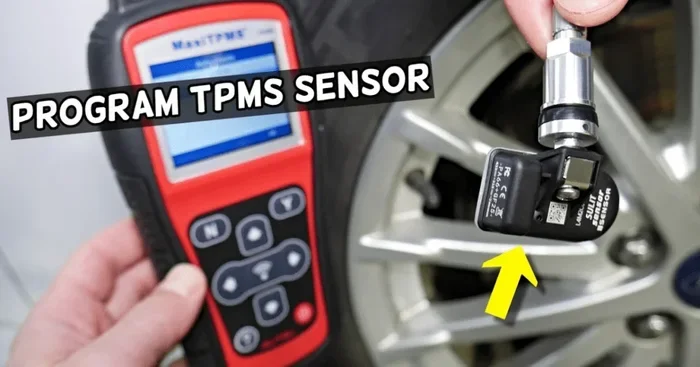
How TPMS Sensor Programming Works
Understanding how TPMS programming works helps you know what to expect. The process is not as complicated as it sounds, but it does require the right equipment.
The Programming Process Step by Step
Here is how a professional typically programs a tire pressure sensor:
- The technician connects an OBD scanner or TPMS tool to your vehicle’s diagnostic port
- The scanner reads the vehicle’s TPMS module and identifies the sensor type
- The new sensor is activated and placed on the valve stem
- The technician uses the tool to send a signal that pairs the sensor with the vehicle
- The TPMS reset is performed to clear any error codes
- The system is tested to confirm all sensors are communicating properly
This process usually takes about 15 to 30 minutes per vehicle. It is quick and straightforward when the right tools are available.
Why Programming Matters
You might wonder why programming is even necessary. The answer is simple. Each vehicle’s tire pressure monitoring system expects sensors with specific IDs and protocols. A sensor from one vehicle may not communicate with another vehicle’s computer. Programming tells the car’s computer to recognize the new sensor.
Without proper programming, the TPMS warning light will stay on even after you install a new sensor. This defeats the entire purpose of replacing the sensor in the first place.
Quick Tip: When you buy a TPMS sensor from AutoZone, ask the staff if the sensor comes pre-programmed. Some aftermarket sensors are universal and need programming. Others are vehicle-specific and come ready to install.
AutoZone TPMS Services: What to Expect
If you decide to visit AutoZone for TPMS sensor help, here is what you can expect from the experience.
The Visit Process
When you walk into an AutoZone store, head to the service desk. Explain that you need TPMS programming or sensor replacement. The staff will check your vehicle’s year, make, and model against their available tools.
If your vehicle is supported, they will walk you through the next steps. If not, they will help you find a nearby tire service center or suggest a DIY approach using an aftermarket TPMS tool.
Pricing and Cost Expectations
The cost of TPMS programming at AutoZone varies. Some stores offer basic TPMS reset services for free or at a low cost. Sensor replacement pricing depends on the type of sensor you need. Here is a general cost breakdown:
| Service | Estimated Cost | Notes |
|---|---|---|
| TPMS Reset | Free – $10 | Quick reset after tire rotation |
| Sensor Programming | $10 – $25 | Per sensor, varies by store |
| Sensor Replacement | $25 – $75 per sensor | Aftermarket sensor price |
| Full Sensor Kit | $100 – $300 | All four sensors plus programming |
Keep in mind that these are estimates. Actual prices depend on your location, vehicle model, and the specific sensor needed. Always ask for a price estimate before any work begins.
Common Mistakes: Many drivers buy a TPMS sensor online and assume any store can program it. Not all sensors are compatible with all vehicles. Always check compatibility before purchasing. Also, some drivers ignore the TPMS reset step after replacement. This causes the warning light to stay on and can trigger inspection failures.
When You Need a New TPMS Sensor vs. Reprogramming
Not every TPMS issue requires a new sensor. Sometimes the problem is software-related. Other times, the sensor itself has failed. Knowing the difference saves you time and money.
Signs You Need a New Sensor
You likely need a TPMS sensor replacement if you notice any of the following:
- The tire pressure light stays on even after you inflate your tires to the correct level
- Your tire pressure readings are inconsistent between tires
- The sensor battery has died (common after 5-10 years)
- The sensor was damaged during a tire change or road hazard
- The TPMS reset does not clear the warning light
Signs You Only Need Reprogramming
You may only need a TPMS reset or reprogramming if:
- You recently rotated your tires and the light came on
- You replaced tires but kept the same sensors
- The dashboard warning light appeared after a battery disconnect
- The light comes on in cold weather and goes away after driving
- You had a minor tire repair and the sensor was not disturbed
In these cases, a simple TPMS reset is all that is needed. AutoZone can often handle this type of reset quickly and affordably.
Expert Insight: Cold weather is the most common trigger for false TPMS alerts. When temperatures drop, air pressure inside tires decreases. This can trigger the tire pressure light even when your tires are properly inflated. Before assuming the worst, check your tire pressure with a manual gauge. If the readings are normal, a TPMS reset should fix the issue.
Tips for Maintaining Your TPMS System
Proper maintenance keeps your tire pressure monitoring system working reliably. Follow these tips to avoid unexpected TPMS warning light issues.
Regular Maintenance Checklist
- Check tire pressure monthly with a reliable tire pressure gauge
- Inspect valve stems for cracks or damage
- Replace sensor batteries when they start to weaken
- Perform a TPMS reset after every tire rotation
- Keep a record of sensor replacement dates
- Use the correct aftermarket TPMS sensors for your vehicle
- Have your tire service professional check sensor battery life during routine visits
DIY TPMS Programming Options
If AutoZone cannot program your sensors, you have other options. Many aftermarket TPMS tools are available for home use. Devices like the Autel MX Sensors or the Foxwell TPMS tool let you program sensors yourself.
These tools range from $50 to $300. They are a great investment if you change your own tires or manage a fleet of vehicles. However, they require some technical knowledge. If you are not comfortable working with diagnostic tools, stick with a professional tire service center.
Before buying a DIY TPMS tool, make sure it supports your vehicle. Check the compatibility list and confirm it can handle your direct TPMS or indirect TPMS system.
Quick Tip: When shopping for a TPMS tool online, look for one that supports multi-protocol programming. This means it works with most vehicle makes and models, saving you from buying multiple tools over time.
Conclusion
So, does AutoZone program TPMS sensors? The answer is yes, at many locations. But it depends on your vehicle, the store’s equipment, and the specific service you need. AutoZone offers a range of tire pressure monitoring system services, from simple resets to sensor replacement and programming.
Before you visit, call your local store to confirm they can handle your TPMS sensor needs. Ask about their equipment and whether they support your vehicle model. This small step saves time and ensures you get the help you need.
Your tire pressure monitoring system is a critical safety feature. Whether you get help from AutoZone or a dedicated tire service center, keeping your sensors working properly is essential. Regular maintenance, timely TPMS sensor replacement, and proper TPMS reset procedures will keep your tires in great shape and your dashboard light off.
Take charge of your vehicle’s safety today. Check your tire pressure, inspect your sensors, and know your options. A well-maintained TPMS system gives you peace of mind every time you hit the road.
Frequently Asked Questions
Can I program TPMS sensors myself at home?
Yes, you can program TPMS sensors yourself if you have the right tools. Aftermarket TPMS programming tools like the Autel MX Sensors or Foxwell TPMS tool are designed for DIY use. However, you need to make sure the tool is compatible with your vehicle’s make and model before you start.
How much does it cost to program a TPMS sensor at AutoZone?
The cost varies by location and service. A basic TPMS reset at AutoZone may be free or cost up to $10. Sensor programming typically runs between $10 and $25 per sensor. Full sensor replacement with programming can range from $100 to $300 for all four tires.
What happens if I don’t program a new TPMS sensor?
If you install a new TPMS sensor without programming it, your dashboard warning light will likely stay on. The vehicle’s computer cannot recognize an unprogrammed sensor. This means your tire pressure monitoring system will not work properly, which compromises safety and can cause inspection failures.
How long does TPMS sensor programming take at AutoZone?
The process is usually quick and takes about 15 to 30 minutes per vehicle. If the store has the right equipment and your vehicle is a common model, you can often get it done during the same visit. More complex vehicles may take a bit longer.
Does AutoZone sell TPMS sensors?
Yes, AutoZone sells aftermarket TPMS sensors both in-store and online. They carry sensors for a wide range of vehicle makes and models. However, not all AutoZone locations can program the sensors they sell, so it is wise to call ahead and confirm available services.
How often should I replace my TPMS sensors?
TPMS sensor batteries typically last between five and ten years. When the battery dies, the sensor stops working and you will need a replacement. It is a good practice to have your tire service professional check sensor battery life during routine tire rotations or oil changes.