Does the Toyota 4Runner Have a 3rd Row for Passengers
The Toyota 4Runner does not come with a factory third row seat. The 4Runner is a midsize SUV designed with two rows of seating, comfortably fitting five passengers. If you need extra seating for a larger family, the 4Runner’s cabin layout may not meet your needs. However, the 4Runner excels in rugged reliability, off-road capability, and long-term durability. Let us break down everything you should know about the 4Runner seating configuration.
Key Takeaways
- No Factory Third Row: The Toyota 4Runner is built with a standard two-row seating layout and does not offer a third row from the factory.
- Five-Passenger Capacity: The 4Runner comfortably seats five passengers across both rows with ample legroom and comfort features.
- Multiple Trim Levels: Different 4Runner trims offer varying features, but none include a third-row seating option.
- Strong Cargo Space: Without a third row, the 4Runner offers generous cargo room behind the rear seats for luggage and gear.
- Family-Friendly Alternative: If you need third-row seating, Toyota offers other SUVs like the Highlander that may better fit larger families.
- Built for Durability: The 4Runner is known for its long lifespan and rugged build, making it a reliable choice for daily driving and adventures.
- Aftermarket Options Exist: Some owners explore aftermarket solutions, but these are not standard or recommended by Toyota.
📑 Table of Contents
- Understanding the Toyota 4Runner Seating Setup
- Which 4Runner Trims Offer the Best Seating Experience
- How Many Passengers Can a 4Runner Seat
- Comparing 4Runner Seating to Other Toyota SUVs
- What You Need to Know About 4Runner Cargo Space
- Is the 4Runner a Good Family Vehicle
- Aftermarket Seating Options and What to Consider
- The Bottom Line on 4Runner Seating
Understanding the Toyota 4Runner Seating Setup
If you are shopping for a Toyota SUV and keeping an eye on space, you may have asked yourself, does Toyota 4Runner have 3rd row? The short answer is no. The 4Runner is a two-row SUV. It seats five passengers comfortably and focuses on rugged capability rather than maximum passenger count.
The 4Runner has been around since the 1980s. Toyota built it as a tough, dependable midsize SUV. Over the decades, it has earned a loyal fan base. People love it for off-road adventures, daily commutes, and long road trips. But when it comes to seating, the 4Runner keeps it simple with two rows.
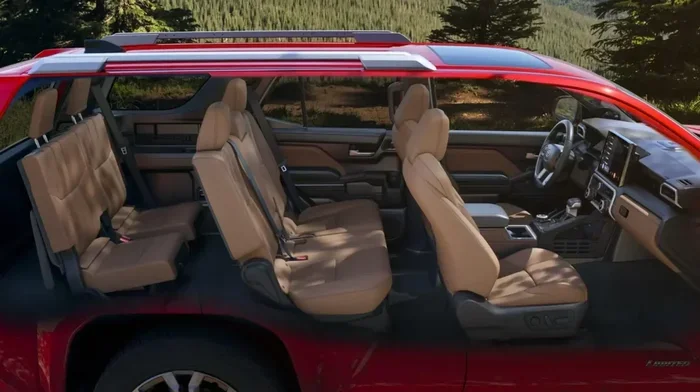
The front row features two bucket seats. These seats are comfortable and offer plenty of adjustment options. The rear row is a bench seat or split bench, depending on the trim. Both rows provide good legroom and headroom for most adults. The cabin feels spacious for a midsize SUV, even without a third row.
Toyota designed the 4Runner with a focus on durability. The seats use tough materials that can handle heavy use. The fabric and trim options vary by trim level, but they all share a practical, no-nonsense design. You will not find fancy leather everywhere, but you will find seats that hold up over time.
One thing that sets the 4Runner apart is its body-on-frame construction. This design gives the SUV excellent strength and off-road capability. It also means the cabin layout stays more upright and boxy. That shape maximizes interior space in a smart way, even within a two-row setup.
Why the 4Runner Stays with Two Rows
Toyota made a deliberate choice with the 4Runner. The SUV prioritizes ruggedness, towing capacity, and off-road performance. Adding a third row would change the vehicle’s structure and reduce some of those strengths. The two-row design keeps the 4Runner nimble and capable on trails and rough terrain.
The 4Runner shares its platform with the Toyota Tacoma pickup truck. Both vehicles focus on utility and durability. A third row would add weight and complexity that does not fit the 4Runner’s core mission. Toyota keeps the design focused and purposeful.
Also, the 4Runner targets buyers who value adventure and reliability. Many owners use it for camping, overlanding, and outdoor activities. A two-row setup works well for these use cases. Families who need more seating often look at other Toyota models instead.
Which 4Runner Trims Offer the Best Seating Experience
The Toyota 4Runner comes in several trim levels. Each trim offers different features, but none include a third row. Here is a closer look at what each trim brings to the seating experience.
SR5 Trim
The SR5 is the base trim of the 4Runner. It comes standard with a 60/40 split-fold rear bench seat. This layout allows you to fold down the seat backs for extra cargo space. The SR5 seats five passengers and offers solid comfort for the price.
Key seating features in the SR5 include:
- Manual front seat adjustment
- Rear bench seat with fold-down capability
- Cloth upholstery as standard
- Ample headroom and legroom for adults
TRD Off-Road and TRD Pro Trims
The TRD Off-Road and TRD Pro trims add sport-tuned features. These trims include upgraded seats with better lateral support. The TRD Pro also offers SofTex synthetic leather seating. All trims maintain the standard two-row layout with five-passenger capacity.
The TRD Off-Road trim includes a rear seat back reminder. This feature reminds the driver to check the rear seat before walking away. It is a small but thoughtful safety addition. Both TRD trims also feature unique seat trim designs that give the cabin a more rugged feel.
Limited and Premium Trims
The Limited and Premium trims offer the most comfort-oriented seating. These trims include leather-trimmed seats, power-adjustable front seats, and heated rear seats. The Premium trim adds a power liftgate and other convenience features. Again, all trims stick with the two-row, five-passenger layout.
If you want the most comfortable rear seating experience, the Limited or Premium trim is the way to go. These trims add extra comfort features that make longer trips more enjoyable for rear passengers.
How Many Passengers Can a 4Runner Seat
The Toyota 4Runner seats five passengers. This is the standard for most midsize SUVs. The front row holds two passengers, and the rear row holds three. The 4Runner’s cabin dimensions support this layout well.
Here is a quick breakdown of the seating layout:
- Front Row: Two bucket seats with adjustable headrests
- Rear Row: A 60/40 split-fold bench seat
- Total Capacity: Five passengers
- Seat Materials: Vary by trim, from cloth to leather
The 4Runner’s rear seat legroom is generous for the class. Adults can sit comfortably without feeling cramped. The rear seat also folds down to create a flat cargo floor. This is great for hauling gear, bikes, or larger items.
Compared to the Toyota 4Runner seating eight concept, the standard 4Runner cannot seat eight passengers. Some people confuse the 4Runner with larger SUVs that offer third-row seating. The 4Runner simply is not built for that purpose.
Rear Seat Comfort Features
Depending on the trim, the rear seats may include:
- 60/40 split-fold design for flexible cargo options
- Rear HVAC vents for climate control
- Rear seat power outlets in some trims
- Rear seat center armrest with storage
These features make the 4Runner a comfortable choice for family outings and road trips. The rear passengers will appreciate the attention to detail in the cabin design.
Comparing 4Runner Seating to Other Toyota SUVs
If you need a third row, Toyota has other options. The Toyota Corolla is a sedan and does not offer third-row seating either. But Toyota does build SUVs with three rows. Understanding the differences helps you choose the right vehicle.
Toyota 4Runner vs. Toyota Highlander
The Toyota Highlander is Toyota’s midsize three-row SUV. It seats up to eight passengers. The Highlander offers a third-row seat that the 4Runner does not have. If your family needs more seating capacity, the Highlander is the better choice.
However, the 4Runner wins in off-road capability and ruggedness. The Highlander is more road-focused. The 4Runner has a body-on-frame design that makes it stronger for towing and trail driving. The Highlander uses a unibody frame, which is lighter and more fuel-efficient.
| Feature | Toyota 4Runner | Toyota Highlander |
|---|---|---|
| Seating Rows | Two rows | Three rows |
| Passenger Capacity | 5 passengers | 8 passengers |
| Frame Design | Body-on-frame | Unibody |
| Off-Road Capability | Excellent | Limited |
| Fuel Efficiency | Lower | Higher |
| Cargo Space (seats up) | Large | Smaller |
Toyota 4Runner vs. Toyota Sequoia
The Toyota Sequoia is a full-size SUV with three rows. It seats up to eight passengers as well. The Sequoia is much larger than the 4Runner. It offers more passenger space and cargo room. But it also has a larger footprint and lower fuel economy.
The 4Runner is the better choice if you want a compact, maneuverable SUV. The Sequoia is ideal for larger families who need the extra rows. Both vehicles share Toyota’s reputation for reliability and longevity.
What You Need to Know About 4Runner Cargo Space
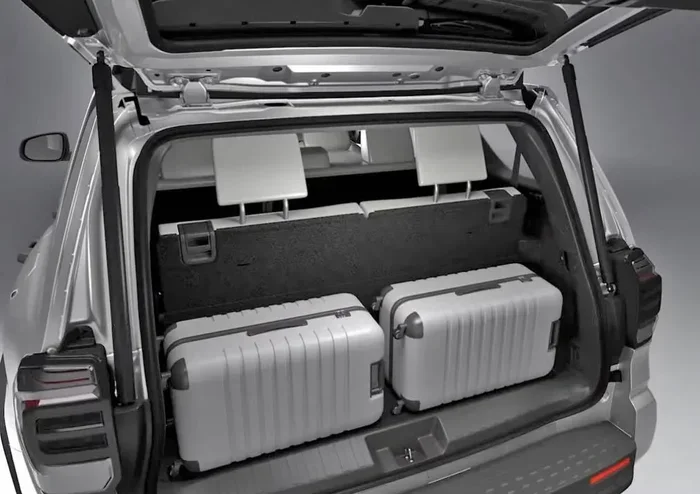
Since the 4Runner does not have a third row, the cargo area is a big advantage. With the rear seats up, the 4Runner offers about 47.2 cubic feet of cargo space. With the rear seats folded down, that number jumps to around 89.7 cubic feet.
This generous cargo capacity makes the 4Runner excellent for outdoor enthusiasts. You can fit coolers, camping gear, luggage, and more. The flat cargo floor when seats are folded makes loading and unloading easy.
Maximizing Your 4Runner’s Cargo Area
Here are some tips for getting the most out of your 4Runner’s cargo space:
- Use the 60/40 split-fold rear seat to accommodate longer items
- Add cargo organizers to keep gear tidy
- Use roof racks for bulky items like bikes or kayaks
- Consider a cargo net or tie-down system for secure storage
The 4Runner’s cargo versatility is one of its strongest selling points. Even without a third row, the vehicle handles plenty of gear and luggage. For a family of four or five, the space is more than adequate for most trips.
Is the 4Runner a Good Family Vehicle
The Toyota 4Runner is a solid family vehicle for families of four or five. It offers a safe, durable, and capable platform. The 4Runner comes with Toyota Safety Sense features, including adaptive cruise control, lane departure warning, and automatic emergency braking.
Families who need to seat more than five passengers should consider other options. The 4Runner’s two-row design is perfect for smaller families or couples who enjoy outdoor adventures. It is also a great choice for single parents or empty nesters who want a reliable SUV.
The 4Runner’s resale value is another strong point. Toyota vehicles hold their value well, and the 4Runner is no exception. This makes it a smart long-term investment for any family.
When thinking about long-term ownership, it is worth noting that the average life expectancy of a Toyota 4Runner is impressive. Many owners report 200,000 miles or more with proper maintenance. This longevity makes the 4Runner a dependable family vehicle for years to come.
Safety Features for Families
The 4Runner includes several safety features that families appreciate:
- Toyota Safety Sense 2.0 suite of active safety features
- Multiple airbags for front and rear passengers
- Rear seat reminder system to prevent children from being left inside
- Star Safety System with vehicle stability control
These features give parents peace of mind. The 4Runner earns strong safety ratings from the Insurance Institute for Highway Safety. It is a trustworthy choice for family transportation.
Aftermarket Seating Options and What to Consider
Some 4Runner owners wonder about adding a third row through aftermarket modifications. While aftermarket third-row seats exist for some vehicles, they are not common or recommended for the 4Runner. The 4Runner’s cabin structure is not designed to support a third row safely.
Aftermarket modifications can also void your warranty and compromise safety. Toyota engineers the 4Runner’s cabin for a specific seating layout. Changing that layout can affect crash safety and structural integrity.
If you absolutely need more seating capacity, consider these alternatives:
- Buy a different Toyota SUV like the Highlander or Sequoia
- Use a second vehicle for larger family trips
- Explore cargo organizers and storage solutions for the existing cabin
Sticking with the factory design is always the safest and most reliable choice. The 4Runner’s two-row layout works well for most buyers. It offers the right balance of passenger comfort and cargo versatility.
The Bottom Line on 4Runner Seating
So, does Toyota 4Runner have 3rd row? The answer remains no. The 4Runner is a two-row, five-passenger SUV built for rugged capability and long-term reliability. It does not offer a factory third row, and aftermarket solutions are not recommended.
The 4Runner excels in its niche. It is a dependable trail-ready SUV that handles daily driving and weekend adventures with equal ease. The two-row seating layout is a deliberate design choice that supports the vehicle’s core strengths.
If your family needs more than five seats, Toyota offers other models that can help. The Highlander and Sequoia both provide third-row seating. But if you value durability, off-road prowess, and resale value, the 4Runner is hard to beat.
Before buying any vehicle, sit in the cabin and test the seating for yourself. Visit a Toyota dealership and bring your family. Make sure the 4Runner’s two-row layout works for your lifestyle. A test drive will give you the best feel for the space and comfort the 4Runner offers.
The Toyota 4Runner remains one of the most popular SUVs on the road. Its seating configuration is just one piece of the puzzle. The combination of capability, reliability, and comfort makes it a standout choice for buyers who prioritize adventure and dependability over maximum passenger count.
Frequently Asked Questions
Can you add a third row to a Toyota 4Runner?
Toyota does not offer a factory third-row option for the 4Runner. Aftermarket third-row kits exist for some vehicles, but they are not recommended for the 4Runner. Modifying the cabin can compromise safety and void your warranty.
How many passengers can a Toyota 4Runner seat?
The Toyota 4Runner seats five passengers. The front row holds two people, and the rear row holds three. This is standard across all 4Runner trim levels.
Which Toyota SUV has a third row?
Toyota offers several SUVs with third-row seating, including the Highlander, Highlander Hybrid, and Sequoia. These vehicles seat seven to eight passengers depending on the configuration.
Is the Toyota 4Runner good for families?
Yes, the 4Runner is a great family vehicle for families of four or five. It offers strong safety features, durable construction, and excellent resale value. Families who need more than five seats should consider other Toyota models.
Does the 4Runner’s rear seat fold down?
Yes, the 4Runner’s rear bench seat features a 60/40 split-fold design. This allows you to fold down part or all of the rear seat to create extra cargo space for larger items.
What is the cargo space behind the 4Runner’s rear seats?
With the rear seats up, the 4Runner offers approximately 47.2 cubic feet of cargo space. With the seats folded down, the cargo area expands to roughly 89.7 cubic feet, making it very versatile for hauling gear and luggage.
=== CONCLUSION ===
The Toyota 4Runner does not have a third row. It is a two-row, five-passenger SUV built for rugged capability and long-term reliability. This design choice supports the 4Runner’s strengths in off-road performance, towing capacity, and durability. For families of four or five, the 4Runner offers a comfortable and practical seating arrangement.
If you need more seating capacity, Toyota has other SUVs that can meet that need. But if you value adventure, reliability, and resale value, the 4Runner remains one of the best choices in the midsize SUV segment. Understanding the 4Runner’s seating layout helps you make an informed buying decision. Know what the vehicle offers, and you will find the right Toyota for your lifestyle.