Can a Toyota Corolla Last 20 Years and Still Run Great
Yes, a Toyota Corolla can last 20 years and still run great with the right maintenance habits and driving care. The Corolla is one of the most reliable cars ever built, known for its durability, low repair costs, and strong resale value. Owners who follow a consistent maintenance schedule regularly report crossing the 200,000-mile mark with ease.
For decades, the Toyota Corolla has been the go-to car for millions of drivers worldwide. It is affordable, fuel-efficient, and incredibly dependable. But the real question on many buyers’ minds is simple: can a Toyota Corolla last 20 years and still deliver a great driving experience?
The short answer is a confident yes. Toyota built the Corolla with a reputation for longevity that few other sedans can match. Owners who commit to basic upkeep often find their Corollas running strong well past the 20-year mark. In this article, we will explore everything you need to know about Toyota Corolla longevity, from engine durability to maintenance secrets that keep these cars alive for decades.
Whether you are buying a used Corolla or already own one, this guide will help you understand what it takes to make your car last. We will cover common issues, maintenance schedules, real-world mileage examples, and expert tips that make all the difference. Let us dive in.
Key Takeaways
- Toyota Corollas routinely last 20+ years when properly maintained and driven carefully.
- Regular oil changes, fluid checks, and timing belt replacements are the biggest factors in extending Corolla lifespan.
- The 1.8L and 2.4L engines found in most Corollas are known for exceptional durability and low repair costs.
- Corrosion protection and rust prevention become more important as the car ages past 15 years.
- Toyota parts are widely available and affordable, making long-term ownership budget-friendly.
- Hybrid Corolla models add extra longevity benefits thanks to simpler drivetrain mechanics.
- A Corolla can easily hit 200,000 to 300,000 miles with disciplined care and smart driving habits.
📑 Table of Contents
- Why the Toyota Corolla Has Legendary Longevity
- How Many Miles Can a Toyota Corolla Last?
- Essential Maintenance for a 20-Year-Old Corolla
- Common Problems With Aging Toyota Corollas
- How to Maximize Your Corolla’s Lifespan
- Is a 20-Year-Old Corolla Worth Buying?
- Final Thoughts on Toyota Corolla Longevity
Why the Toyota Corolla Has Legendary Longevity
The Toyota Corolla is not just another compact sedan. It is one of the best-selling cars in history for a reason. Toyota designed the Corolla to be simple, reliable, and easy to repair. These core principles are what give the Corolla its exceptional lifespan.
A Proven Track Record of Reliability
Toyota has spent decades refining the Corolla platform. Each new generation builds on the lessons of the last. The result is a car that avoids unnecessary complexity. Fewer complex parts mean fewer things that can break. This is the philosophy behind Toyota reliability ratings that consistently place the Corolla at the top.
Many owners report driving their Corollas for 200,000 to 300,000 miles without major engine or transmission failures. Some even push past 300,000 miles with only routine maintenance. This kind of durability is rare in the automotive world and is a big reason the Corolla holds its value so well.
If you are comparing vehicles, you might also want to check out how long a Toyota Camry can last. Both models share Toyota’s commitment to longevity, though the Corolla is more affordable and easier to maintain day to day.
Simple Engineering Equals Fewer Problems
Toyota keeps the Corolla’s engineering straightforward. The engines are not overly complex. The transmissions are tried and tested. Even the electronics are kept relatively simple compared to luxury brands. This simplicity is a huge advantage when you are trying to reach the 20-year mark.
Here is what makes the Corolla’s engineering so durable:
- Overbuilt engine blocks that handle high mileage with ease
- Conventional timing chains in most modern models (replacing older timing belts)
- Simple HVAC systems that rarely need expensive repairs
- Durable suspension components designed for daily driving
- Efficient four-cylinder engines that do not strain under normal use
All of these factors work together to give the Corolla a long service life that few competitors can match.
How Many Miles Can a Toyota Corolla Last?
Mileage is one of the best indicators of a car’s remaining life. And the Corolla is a mileage champion. Most experts agree that a well-maintained Corolla can comfortably reach 200,000 to 300,000 miles. Some owners push even higher.
What the Numbers Tell Us
Let us look at some real-world numbers. The average American drives about 13,500 miles per year. At that rate, a Corolla that lasts 20 years would have around 270,000 miles on the odometer. This is well within the Corolla’s capability. Many Corolla owners report hitting 200,000 miles with only minor repairs needed.
Toyota itself has acknowledged the Corolla’s durability in various reliability studies. J.D. Power and Consumer Reports consistently give the Corolla high marks for long-term dependability. These ratings reflect real-world ownership experiences from thousands of drivers.
For broader context on Toyota’s overall durability, you can read about whether Toyota vehicles can last 500,000 miles. The principles that apply to the broader Toyota lineup also apply to the Corolla.
Factors That Influence Mileage Lifespan
Not all Corollas reach 300,000 miles. Several factors determine how far your specific car will go. Understanding these factors can help you maximize your Corolla’s lifespan.
1. Maintenance Habits
This is the single biggest factor. Owners who follow the recommended Corolla maintenance schedule religiously will see their cars last far longer than those who skip services. Oil changes, fluid flushes, and belt replacements all play a role.
2. Driving Conditions
Highway driving is much easier on a Corolla than stop-and-go city driving. Extreme heat, cold, and humidity also take a toll over time. Cars driven in moderate climates tend to last longer.
3. Driving Habits
Gentle acceleration, smooth braking, and avoiding aggressive driving all reduce wear on engine and transmission components. Smart driving habits directly translate to a longer-lasting car.
4. Storage and Care
Cars that are garaged and protected from the elements age better. Regular washing and waxing prevent rust and paint deterioration. These small steps matter more than most people realize.
Essential Maintenance for a 20-Year-Old Corolla
Maintenance is the backbone of Corolla longevity. Without it, even the most durable car will eventually break down. But with a solid routine, you can keep your Corolla running like new for two decades or more.
Oil Changes: The Foundation of Longevity
Regular oil changes are the single most important maintenance task for any car. For the Corolla, you should change the oil every 5,000 to 7,500 miles with conventional oil or every 7,500 to 10,000 miles with synthetic oil. Fresh oil keeps the engine lubricated, reduces friction, and prevents harmful buildup.
Skipping oil changes is the fastest way to kill an engine. Over time, oil breaks down and loses its protective properties. Sludge accumulates, and internal components start to wear prematurely. Do not skip this simple but critical task.
Timing Chain and Belt Inspection
Older Corolla models used a timing belt that needed replacement every 60,000 to 100,000 miles. Newer models use a timing chain that is designed to last the life of the engine. However, even timing chains can stretch over very high mileage. Have your mechanic inspect the timing chain during major service intervals.
If your Corolla still has a timing belt, do not wait until it breaks. A snapped timing belt can cause catastrophic engine damage. Replacement is relatively inexpensive compared to the cost of engine repairs.
Fluid Flushes and Filter Replacements
Your Corolla relies on several vital fluids to operate correctly. Here is a quick list of what to keep on top of:
- Coolant: Flush every 30,000 to 50,000 miles to prevent overheating and corrosion
- Transmission Fluid: Change every 60,000 to 100,000 miles for smooth shifting
- Brake Fluid: Replace every 2 years to maintain safe braking performance
- Power Steering Fluid: Check and top off as needed
- Air Filter: Replace every 15,000 to 30,000 miles for optimal engine breathing
- Fuel Filter: Replace every 30,000 to 50,000 miles to keep fuel flow clean
Staying on top of these fluid services is one of the best ways to ensure your Toyota Corolla engine durability stands the test of time.
Brake System Care
Brake pads and rotors wear out over time, but the Corolla’s braking system is straightforward and affordable to maintain. Replace brake pads when they reach about 3mm of thickness. Resurface or replace rotors as needed. Fresh brake fluid every two years keeps the system responsive and safe.
Rust Prevention for Aging Corollas
Rust is one of the biggest enemies of any 20-year-old car. Corollas are not immune to corrosion, especially in areas with harsh winters or road salt. Here are some tips to keep rust at bay:
- Wash the undercarriage regularly, especially in winter months
- Apply rust-proofing or undercoating when the car is new
- Fix any paint chips or scratches promptly
- Keep the interior dry to prevent floor pan rust
- Check the wheel wells and rocker panels for early signs of corrosion
Rust prevention becomes increasingly important after the 15-year mark. A little effort now can save you from expensive body repairs later.
Common Problems With Aging Toyota Corollas
No car is perfect, and even the most reliable Toyota Corolla will develop some issues as it ages. Knowing what to expect helps you stay ahead of costly repairs.
Engine Oil Consumption
Some older Corolla models, particularly those with the 1.8L engine, may develop slight oil consumption over time. This is not a design flaw but rather a normal sign of engine wear at high mileage. Check your oil level regularly and top off as needed. If consumption becomes excessive, have a mechanic inspect for worn valve seals or piston rings.
Suspension Wear
After 150,000 miles or more, suspension components like shocks, struts, and control arm bushings may need replacement. These are normal wear items and relatively affordable to fix. A car that pulls to one side or bounces excessively after bumps is a sign that suspension attention is needed.
Electrical Gremlins
Older Corollas may develop minor electrical issues over the years. Power window motors, door lock actuators, and sensors are common culprits. These repairs are usually straightforward and inexpensive. The simplicity of the Corolla’s electrical system makes these fixes much easier than on more complex vehicles.
Exhaust System Corrosion
The exhaust system is exposed to road salt, moisture, and heat. Mufflers, resonators, and exhaust pipes can rust through over time. Regular inspections and prompt replacement of corroded parts keep your Corolla running clean and quietly.
Transmission Concerns
The Corolla has historically used either a conventional automatic or a continuously variable transmission (CVT). Both types are reliable when properly maintained. Regular fluid changes are essential. If you notice hesitation, slipping, or rough shifting, address the issue promptly to prevent more serious damage.
How to Maximize Your Corolla’s Lifespan
Want to push your Corolla past the 20-year mark? Here are some proven strategies that make a real difference.
Follow the Maintenance Schedule Strictly
Toyota provides a detailed maintenance schedule for every Corolla model year. Follow it to the letter. Do not skip services just because the car seems fine. Preventive maintenance is always cheaper than reactive repairs.
Drive Gently and Consistently
Avoid hard accelerations and sudden braking whenever possible. Highway cruising at steady speeds is the easiest on your engine and transmission. If you can, avoid short trips that do not allow the engine to fully warm up.
Address Issues Early
Do not ignore warning signs. Unusual noises, vibrations, or warning lights are your car telling you something is wrong. The sooner you address a problem, the cheaper and simpler the repair will be.
Keep Records of All Maintenance
A detailed maintenance log adds value if you ever sell the car. It also helps you track service intervals and catch patterns before they become serious issues.
Use Quality Parts and Fluids
Do not cheap out on parts and fluids. Use the recommended oil grade, OEM or quality aftermarket filters, and name-brand fluids. Your Corolla deserves the same care you would give any long-term investment.
Is a 20-Year-Old Corolla Worth Buying?
If you are considering a used Corolla that is 20 years old, the answer depends on its history. A Corolla with full maintenance records and a clean title can be an excellent purchase. These cars hold their value well and cost very little to own day to day.
Before buying a high-mileage or older Corolla, have a trusted mechanic inspect it thoroughly. Look for signs of accidents, rust, and neglected maintenance. A well-cared-for 20-year-old Corolla can easily go another 10 years with proper attention.
Also consider that Toyota parts availability is excellent. Even for older models, most parts are still in production or widely available through salvage yards. This makes long-term ownership much more practical than with many other brands.
If you are also curious about other Toyota models, you might want to learn about how long a Toyota hybrid can sit without being driven. This is relevant for Corolla Hybrid owners who may not drive their car every day.
Final Thoughts on Toyota Corolla Longevity
The Toyota Corolla is one of the most dependable cars ever manufactured. With proper care, regular maintenance, and smart driving habits, a Corolla can absolutely last 20 years and still run great. The key is consistency. Do not skip oil changes, address small problems early, and protect the body from rust.
Whether you are a first-time buyer or a longtime Corolla owner, the message is clear. This car is built to endure. It is one of the best investments you can make in a daily driver. The Toyota Corolla lifespan is a testament to Toyota’s engineering philosophy of building cars that last. So yes, your Corolla can absolutely reach the 20-year mark and keep on running strong for many more miles to come.
Take care of your Corolla, and it will take care of you for decades. That is the promise of one of the most trusted names in automotive history.
Frequently Asked Questions
What is the average lifespan of a Toyota Corolla?
A well-maintained Toyota Corolla can last between 200,000 and 300,000 miles, which translates to roughly 15 to 20 years of average driving. Some owners push their Corollas past 300,000 miles with diligent care and regular maintenance.
What maintenance tasks are most important for a Corolla lasting 20 years?
Regular oil changes, coolant flushes, transmission fluid changes, and timing belt or chain inspections are the most critical tasks. Staying on top of these services prevents the most common causes of engine and transmission failure over time.
Are older Toyota Corollas expensive to repair?
No, older Corollas are generally very affordable to repair. Toyota parts are widely available and reasonably priced. The simple engineering of the Corolla makes most repairs straightforward and less costly than many competing vehicles.
Can a Toyota Corolla hybrid last 20 years?
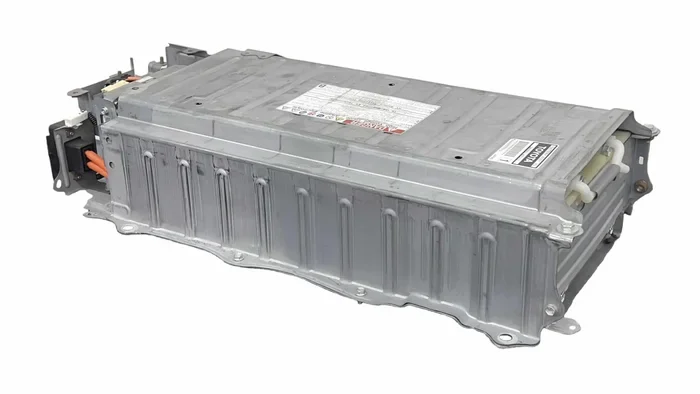
Yes, the Corolla Hybrid can last 20 years or more. The hybrid system adds electric motor assist that reduces wear on the gasoline engine. However, the hybrid battery may need replacement after 15 to 20 years, which can be a significant but manageable expense.
What are the most common problems with 20-year-old Corollas?
The most common issues include minor oil consumption, suspension wear, exhaust corrosion, and small electrical gremlins. None of these are catastrophic, and all are relatively affordable to fix with regular attention.
How can I make my Toyota Corolla last longer than 20 years?
Follow the maintenance schedule strictly, drive gently, address issues early, protect the car from rust, and use quality parts and fluids. Cars that are driven consistently and cared for proactively almost always outlive their expected lifespan.