Does Toyota Corolla Have AWD Everything You Need To Know
The Toyota Corolla is primarily a front-wheel drive car, but Toyota does offer AWD on select trims and newer hybrid models. If you live in a cold climate or deal with rough roads, AWD can make a big difference in traction and confidence. Let us walk you through every Corolla drivetrain option, which trims come with AWD, and whether it is worth the extra cost.
So, does Toyota Corolla have AWD? The short answer is yes, but with some important caveats. Not every Corolla comes with all-wheel drive, and the availability depends heavily on the model year, trim level, and whether you are looking at a sedan or a crossover. If you have been shopping for a Corolla and noticed some trims list AWD while others do not, you are not alone. This is one of the most common questions buyers ask, and it is a great one to get right before signing on the dotted line.
The Toyota Corolla has been one of the best-selling sedans in the world for decades. Millions of drivers trust it for daily commuting, road trips, and everything in between. Most of those millions drive a front-wheel drive Corolla, and that works perfectly fine for the majority of people. But if you live somewhere with harsh winters or you enjoy light off-road adventures, AWD becomes a much more compelling feature.
In this guide, we will break down everything you need to know about the Toyota Corolla AWD system. We will cover which trims offer it, how the system works, what the benefits are, and whether AWD is worth the extra money for your specific situation. By the end, you will have a clear picture of whether AWD belongs in your next Corolla purchase.
Key Takeaways
- Most Toyota Corollas are FWD: The standard drivetrain is front-wheel drive across the majority of trims and model years.
- AWD is available on select trims: Newer Corolla models, especially the Corolla Cross and certain hybrid trims, offer AWD as an option.
- AWD adds cost and weight: Expect slightly lower fuel economy and a higher price tag when choosing AWD.
- AWD helps in bad weather: If you deal with snow, ice, or heavy rain, AWD provides better grip and stability.
- The Corolla Cross has AWD standard on some trims: This SUV-like variant brings AWD into the Corolla family more readily.
- Maintenance matters for AWD systems: Regular fluid changes and inspections keep your AWD system running smoothly.
- Consider your climate and needs: AWD is most valuable in regions with harsh winters or unpaved roads.
📑 Table of Contents
- Understanding the Toyota Corolla Drivetrain Options
- How the Toyota Corolla AWD System Works
- Which Corolla Trims Come with AWD?
- Benefits of Choosing AWD in a Toyota Corolla
- Drawbacks of AWD in the Corolla
- Should You Choose AWD for Your Toyota Corolla?
- Common Mistakes Buyers Make When Choosing Corolla Drivetrain
- Expert Insight: The Long-Term View on Corolla AWD
- Final Thoughts
Understanding the Toyota Corolla Drivetrain Options
Toyota has offered different drivetrain configurations for the Corolla over the years. Understanding these options is the first step in deciding whether AWD makes sense for you. Let us look at what is available and how the choices have evolved.
Front-Wheel Drive: The Standard Setup
The vast majority of Toyota Corollas sold over the past several decades have been front-wheel drive. This means the engine sends power to the front wheels only. FWD Corollas are lighter, more fuel-efficient, and cheaper to manufacture. For most drivers in urban and suburban settings, FWD is perfectly adequate.
Front-wheel drive also gives the Corolla more interior space since there is no driveshaft running to the rear axle. You get a flat floor in the back and more cargo room. If you live in a mild climate where snow and ice are rare, FWD is the smart, practical choice.
All-Wheel Drive: When and Where It Is Available
Toyota introduced AWD on the Corolla in select markets and model years. The availability of AWD depends on the generation of the Corolla you are looking at. Newer models, particularly from the 2020s onward, have expanded AWD offerings. The Corolla Cross, which is a compact crossover built on the Corolla platform, also offers AWD on several trims.
Here is a quick breakdown of where you will typically find AWD in the Corolla lineup:
- Corolla Sedan: AWD is available on certain trims, mostly in newer model years. Not all trims come with AWD.
- Corolla Hatchback: Some hatchback trims offer AWD, particularly higher-trim versions.
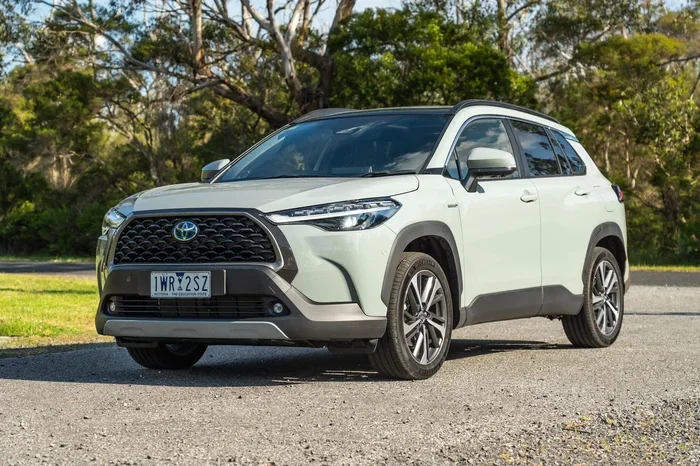
- Corolla Cross: This compact crossover offers AWD on multiple trims, making it the most accessible AWD option in the Corolla family.
- Corolla Hybrid: Certain hybrid trims come with AWD, especially in the crossover variant.
If you are shopping for a used Corolla, always check the specific trim and model year to confirm AWD availability. The drivetrain option can vary significantly between different generations.
How the Toyota Corolla AWD System Works
Understanding how the AWD system functions in a Corolla helps you appreciate what it does for you on the road. Toyota uses a relatively straightforward AWD setup in the Corolla, and it is designed for everyday driving conditions rather than extreme off-roading.
The Technology Behind Toyota AWD
Toyota’s AWD system in the Corolla typically uses an electronically controlled coupling. This system monitors traction at each wheel and automatically distributes power between the front and rear axles as needed. When the front wheels start to slip, the system sends power to the rear wheels to maintain grip.
This is different from a traditional part-time AWD system that requires manual engagement. The Toyota system works automatically and seamlessly. You do not need to flip a switch or worry about when to engage AWD. It happens in the background based on real-time driving conditions.
AWD vs. FWD: What You Gain
When you choose AWD over FWD in a Corolla, here is what you get:
- Better traction in snow and ice: Power to all four wheels helps you accelerate and maintain control on slippery surfaces.
- Improved stability in rain: AWD reduces the chance of hydroplaning by distributing power more evenly.
- Enhanced confidence on uneven roads: Gravel, dirt, and uneven pavement are easier to navigate with AWD.
- Better resale value: AWD Corollas tend to hold their value slightly better in markets where AWD is in demand.
On the flip side, AWD adds weight to the vehicle, which can slightly reduce fuel economy. AWD systems also cost more upfront and may require additional maintenance over time. These trade-offs are important to consider before making your decision.
Which Corolla Trims Come with AWD?
The trim levels that offer AWD change depending on the model year and generation. Here is a general guide to help you identify which Corolla trims come with AWD.
Corolla Sedan AWD Trims
In recent model years, Toyota has offered AWD on higher trims of the Corolla sedan. The base L and LE trims typically come with FWD, while the SE and higher trims may offer AWD as an option or standard feature. Always verify with the specific model year, as Toyota has changed the availability across generations.
Corolla Hatchback AWD Options
The Corolla hatchback has a more sporty character, and AWD fits well with that performance-oriented image. Higher trims of the hatchback, particularly the SE and XSE, are more likely to offer AWD. This makes the hatchback a great choice for drivers who want both style and all-weather capability.
The Corolla Cross: AWD as a Key Feature
The Toyota Corolla Cross deserves special mention because it brings AWD into the Corolla family more broadly. This compact crossover sits between the Corolla sedan and the RAV4 in Toyota’s lineup. Several trims of the Corolla Cross come with AWD, making it an excellent option for buyers who want the Corolla nameplate with the practicality of AWD.
If you are considering the Corolla Cross, check the specific trim to see if AWD is standard or optional. Higher trims often include AWD as a standard feature, while lower trims may offer it as an add-on package.
Benefits of Choosing AWD in a Toyota Corolla
Now that you know which Corollas come with AWD, let us talk about why you might want it. AWD is not just a luxury feature. It serves a real purpose for many drivers, and the benefits can be significant depending on where you live and how you drive.
Better Traction in Winter Conditions
If you live in a region that gets snow or ice, AWD can be a game-changer. The Corolla is a lightweight front-wheel drive car by default, which means it can struggle for traction on snowy roads. AWD solves this problem by sending power to the wheels that have the most grip. This means better acceleration from a standstill and more confident cornering in winter weather.
Even if you use winter tires, AWD complements them beautifully. The combination of winter tires and AWD gives you the best possible traction in cold weather. This is especially helpful for hills, steep driveways, and unpaved roads.
Improved Handling in Wet Conditions
Rain can be just as dangerous as snow when it comes to losing traction. AWD helps the Corolla maintain stability on wet roads by ensuring all four wheels are working together. This reduces the likelihood of understeer or oversteer, which can make a big difference in emergency situations.
Confidence on Unpaved Roads
Do you drive on gravel roads, construction sites, or dirt paths? AWD gives the Corolla a versatility that FWD simply cannot match. The ability to distribute power to all four wheels means you can handle rougher terrain with ease. This is a big reason why the Corolla Cross with AWD has become popular among drivers who need a daily commuter that can also handle light adventure.
Resale Value Considerations
AWD vehicles tend to hold their value better in certain markets. If you plan to sell or trade in your Corolla down the road, having AWD can make it more appealing to buyers in colder regions. This is a practical consideration that can offset some of the upfront cost of AWD.
Drawbacks of AWD in the Corolla
AWD is not perfect, and it is important to understand the downsides before you commit. Being informed helps you make the best decision for your needs and budget.
Reduced Fuel Economy
AWD systems add weight and mechanical complexity. In the Corolla, this typically translates to a slight reduction in fuel economy. You might see a drop of 1 to 2 miles per gallon compared to the FWD version. Over time, this can add up at the pump, especially if you drive a lot of miles each year.
If fuel economy is a top priority for you, the FWD Corolla hybrid is one of the most efficient options on the market. It delivers excellent mileage without the trade-off of AWD.
Higher Purchase Price
AWD typically adds $1,000 to $2,000 to the price of a Corolla. This might not sound like much, but it adds up when you factor in higher insurance premiums and potentially higher maintenance costs. Make sure the AWD option fits within your budget before you commit.
Additional Maintenance
AWD systems require regular maintenance to stay in good shape. This includes checking and changing the differential fluid and ensuring the AWD components are functioning properly. While Toyota AWD systems are reliable, they do require more attention than a simple FWD setup. Keeping up with your maintenance service schedule helps keep everything running smoothly.
Should You Choose AWD for Your Toyota Corolla?
The decision to go with AWD in a Toyota Corolla comes down to your personal circumstances. Let us walk through a few scenarios to help you decide.
Choose AWD If You Live in a Cold Climate
If you deal with snow, ice, or freezing temperatures for several months a year, AWD is a wise investment. It will improve your daily driving experience and safety during the winter months. The extra cost pays for itself in peace of mind and improved capability.
Stick with FWD If You Live in a Mild Climate
If you live in a region with mild winters and mostly dry roads, FWD is the smarter choice. You will save money upfront, get better fuel economy, and face less complexity under the hood. The Corolla is an incredibly capable FWD car, and most drivers will never miss AWD.
Consider the Corolla Cross for Maximum Versatility
If you want the Corolla experience with AWD built in, the Corolla Cross is your best bet. It combines the reliability and efficiency of the Corolla nameplate with the practicality of a crossover and the availability of AWD. This is a great middle ground for drivers who are not sure if they need AWD full-time but want the option.
Before making your final decision, consider visiting a dealership to test drive both the FWD and AWD versions. The difference in handling, especially on wet or uneven surfaces, is something you will feel immediately. And if you are buying used, a Carfax report can help you verify the drivetrain and maintenance history of any Corolla you are considering.
Also, keep in mind that proper maintenance plays a big role in how long your Corolla lasts. The Toyota Corolla is known for its longevity, and choosing the right drivetrain for your needs helps ensure you get the most out of your investment. Whether you go with FWD or AWD, the Corolla remains one of the most reliable and affordable compact cars on the market.
Common Mistakes Buyers Make When Choosing Corolla Drivetrain
Avoid these common pitfalls when deciding between FWD and AWD for your Corolla:
- Assuming all trims have AWD: Not every Corolla trim comes with AWD. Always confirm the drivetrain for the specific trim and model year you are looking at.
- Overlooking the Corolla Cross: If AWD is important to you, the Corolla Cross offers more AWD options than the sedan or hatchback.
- Ignoring fuel economy differences: AWD costs more at the pump. Factor in the long-term fuel cost difference when calculating your total ownership cost.
- Skipping the test drive: Always test drive both FWD and AWD versions if possible. The difference in handling is noticeable and personal.
- Forgetting about tire choice: AWD works best with matching tires. Poor tire choices can negate the benefits of AWD, especially in winter conditions.
Taking the time to avoid these mistakes will save you money and ensure you end up with a Corolla that truly fits your lifestyle and driving needs.
Expert Insight: The Long-Term View on Corolla AWD
From a long-term ownership perspective, the Toyota Corolla AWD system is reliable and well-engineered. Toyota designs these systems to last the life of the vehicle with proper care. Most AWD Corolla owners report few issues with the drivetrain even after 100,000 miles or more. The key is staying on top of regular maintenance and addressing any unusual noises or vibrations early.
If you are someone who values longevity and reliability, the Corolla delivers on both fronts regardless of whether you choose FWD or AWD. The oil you choose also plays a role in keeping your drivetrain healthy. Using the correct oil viscosity ensures smooth operation of the engine and AWD components.
Toyota’s commitment to quality means that whether your Corolla has AWD or FWD, you are getting a vehicle backed by decades of engineering and real-world reliability. The Corolla continues to be a top choice for buyers who want a car that is affordable, efficient, and dependable. And with AWD now available on more trims than ever, there has never been a better time to consider the Corolla if all-weather capability matters to you.
Final Thoughts
So, does Toyota Corolla have AWD? Yes, it does, but not on every trim or model year. The Corolla is primarily a front-wheel drive vehicle, and that works great for millions of drivers worldwide. However, Toyota has thoughtfully added AWD to select trims, particularly in the Corolla Cross and higher-trim sedans and hatchbacks. If you live in a region with harsh winters or you simply want the extra confidence that comes with all-wheel drive, AWD is a worthwhile option.
Weigh the pros and cons based on your driving conditions, budget, and long-term plans. Whether you choose FWD or AWD, the Toyota Corolla remains one of the best compact cars you can buy. It is reliable, efficient, affordable, and now available with AWD for those who need it. Make your choice with confidence, knowing you have all the information you need to pick the right drivetrain for your lifestyle.
Frequently Asked Questions
Does every Toyota Corolla come with AWD?
No, most Toyota Corollas come with front-wheel drive as standard. AWD is available only on specific trims and model years. Always check the drivetrain details for the exact trim you are interested in.
Is AWD worth it on a Toyota Corolla?
It depends on where you live and how you drive. If you experience snow, ice, or rough roads regularly, AWD adds real value and safety. For drivers in mild climates, FWD is usually sufficient and more cost-effective.
Which Toyota Corolla has AWD standard?
The Toyota Corolla Cross offers AWD on several trims, and in some markets, it comes standard. The Corolla sedan and hatchback typically offer AWD as an option on higher trims rather than standard across the lineup.
Does AWD reduce the Toyota Corolla’s fuel economy?
Yes, AWD typically reduces fuel economy by 1 to 2 miles per gallon compared to FWD. The added weight and mechanical drag of the AWD system cause this slight decrease. However, the difference is usually small in everyday driving.
Can you add AWD to a Toyota Corolla that came with FWD?
No, converting a FWD Corolla to AWD is not practical or cost-effective. The AWD system is integrated into the vehicle’s design from the factory. If AWD is important to you, choose a trim or model that comes with it from the start.
How do you maintain the AWD system in a Toyota Corolla?
Regular maintenance includes checking the differential fluid, inspecting driveshaft components, and following the recommended service schedule. Staying on top of these items helps ensure your AWD system lasts the life of the vehicle.