How Long Do Toyota Tacomas Last and What You Should Know
The Toyota Tacoma is one of the most durable trucks on the road, with many models easily surpassing 200,000 miles and some reaching 300,000 miles or more. Regular maintenance, smart driving habits, and timely repairs play a huge role in determining your Tacoma’s lifespan. In this guide, we break down everything you need to know about Toyota Tacoma longevity, from average lifespan and common issues to proven tips that help your truck last for decades.
Key Takeaways
- Average Lifespan: Most Toyota Tacomas last between 200,000 and 300,000 miles with proper care.
- Maintenance Matters: Staying on top of oil changes, fluid replacements, and scheduled service dramatically extends Tacoma life.
- Common Issues: Rust, transmission wear, and engine overheating are the top threats to Tacoma longevity.
- Driving Habits: Gentle driving, avoiding overloading, and warming up the engine all contribute to a longer-lasting truck.
- Resale Value: High-mileage Tacomas still hold strong resale value thanks to Toyota’s legendary reliability reputation.
- Comparable Longevity: Tacomas often outlast many competing trucks, including the Ford Ranger and Chevy Colorado.
- Model Year Matters: Newer Tacomas (2016+) benefit from improved engineering and materials that boost long-term durability.
📑 Table of Contents
- How Long Do Toyota Tacomas Last and What Affects Their Lifespan
- Average Lifespan of a Toyota Tacoma
- Factors That Affect How Long a Toyota Tacoma Lasts
- Common Issues That Shorten Tacoma Lifespan
- Maintenance Tips to Extend Your Tacoma’s Life
- Tacoma Longevity Compared to Other Trucks
- Is a High-Mileage Tacoma Worth Buying?
- Final Thoughts on Toyota Tacoma Longevity
How Long Do Toyota Tacomas Last and What Affects Their Lifespan
If you are shopping for a used pickup or already own a Toyota Tacoma, you have probably wondered about Toyota Tacoma longevity. The good news is that these trucks are built to last. With the right care, a Tacoma can easily hit the 200,000-mile mark and keep going strong. Some owners report pushing their Tacomas past 300,000 miles without major problems.
But not every Tacoma reaches that milestone. What separates the trucks that last from the ones that don’t? It comes down to a mix of maintenance habits, driving conditions, model year, and a bit of luck. In this article, we will walk you through everything you need to know about how long Toyota Tacomas last and what you can do to maximize your truck’s life.
Whether you drive a first-generation Tacoma from the early 2000s or a brand-new 2024 model, this guide has practical tips that apply to every owner. Let us dive in.
Average Lifespan of a Toyota Tacoma
So, what is the real Toyota Tacoma lifespan? Most industry experts and owner reports point to an average of 200,000 to 300,000 miles. Some Tacomas even reach 400,000 miles when they receive exceptional care. To put that in perspective, the average truck on the road today gets traded in around 150,000 miles. A well-maintained Tacoma can easily double that.
Here is a quick breakdown by generation:
- First Generation (1995-2004): These early Tacomas are known for their simplicity and ruggedness. Many are still on the road with 250,000+ miles.
- Second Generation (2005-2015): This generation saw major improvements in comfort and safety. Tacomas from this era commonly reach 250,000-300,000 miles.
- Third Generation (2016-Present): The newest Tacomas benefit from advanced engineering, better materials, and improved fuel efficiency. Long-term data is still coming in, but early signs are very promising.
When you compare the Toyota Tacoma lifespan to other trucks, it holds up very well. For example, how many miles will a Ford Ranger last? Rangers typically reach 200,000-250,000 miles with good care, which is slightly less than what a well-maintained Tacoma can achieve.
What Does High Mileage Mean for a Tacoma?
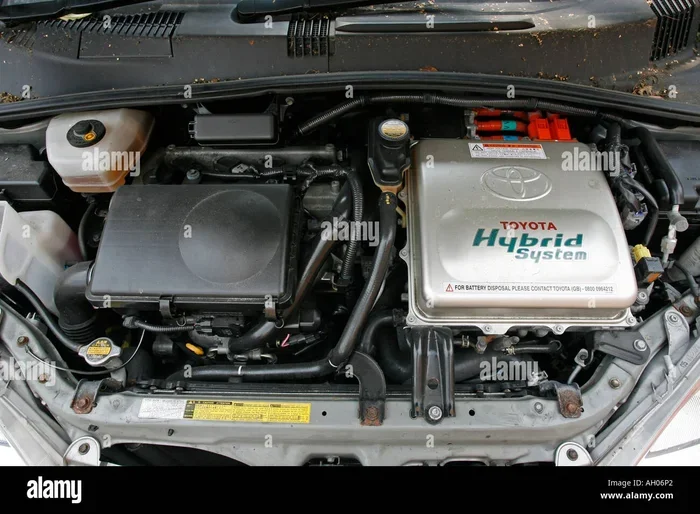
For a Toyota Tacoma, anything over 200,000 miles is considered high mileage. But here is the thing: Toyota engines are designed to handle the long haul. Many Tacoma engines can run for 300,000 miles or more before needing a major rebuild. The key is consistent maintenance and paying attention to warning signs early.
If you are shopping for a high-mileage Tacoma, do not be scared off. A Tacoma with 200,000 miles that has been well cared for can easily give you another 100,000 miles of reliable service. Just make sure to get a pre-purchase inspection and request full maintenance records.
Factors That Affect How Long a Toyota Tacoma Lasts
No two Tacomas age the same way. Several factors determine whether your truck will hit 200,000 miles or 400,000 miles. Let us break down the biggest influences.
Maintenance Habits
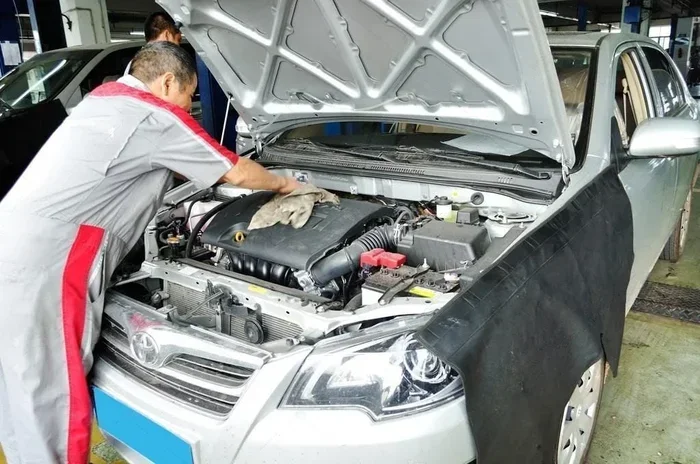
This is the single most important factor. Toyota Tacoma maintenance is not complicated, but it does need to be consistent. Skipping oil changes or ignoring fluid checks will shorten your truck’s life significantly.
Here are the maintenance tasks that matter most for longevity:
- Regular Oil Changes: Change your oil every 5,000 to 7,500 miles. Clean oil keeps the engine running smoothly and prevents premature wear.
- Transmission Fluid: Replace transmission fluid every 60,000 to 90,000 miles. Dirty fluid causes grinding and shifting problems.
- Coolant Flushes: Flush the coolant system every 30,000 miles to prevent overheating.
- Brake Inspections: Check brakes regularly. Worn pads can damage rotors and other expensive components.
- Tire Rotations: Rotate tires every 5,000 to 7,500 miles for even wear and better fuel economy.
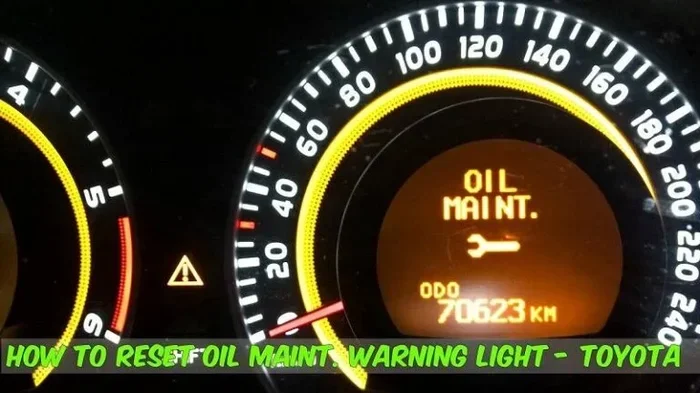
One simple habit that many Tacoma owners overlook is resetting the oil life indicator after each service. This keeps you on track and ensures you never miss an oil change. Staying disciplined with your Tacoma maintenance schedule is the best investment you can make in your truck’s future.
Driving Conditions and Habits
How you drive your Tacoma matters just as much as how you maintain it. Aggressive driving, constant towing, and short trips all take a toll on the engine and other components.
Consider these driving factors:
- Highway Driving: Steady highway cruising is the easiest on a Tacoma’s engine and drivetrain. If most of your miles are highway miles, your Tacoma will last longer.
- Stop-and-Go City Driving: Frequent stopping and starting creates more wear on the brakes, transmission, and engine.
- Towing and Hauling: Towing heavy loads puts extra stress on the engine, transmission, and suspension. If you tow regularly, you need to be even more diligent with maintenance.
- Short Trips: Short trips that do not allow the engine to fully warm up can cause moisture buildup and accelerated wear.
The best thing you can do is drive gently, warm up the engine before pushing it hard, and avoid overloading the truck beyond its rated capacity.
Climate and Environment
Where you live and drive plays a surprising role in Tacoma longevity. Trucks in cold, snowy climates face more rust and corrosion. Trucks in salty coastal areas are especially vulnerable. On the other hand, dry, warm climates are gentler on the body but can cause other issues like overheating if the cooling system is not maintained.
If you live in a harsh environment, take extra precautions:
- Wash the undercarriage regularly to remove salt and road grime.
- Apply rust-proofing or undercoating as a preventive measure.
- Check for early signs of rust, especially around the wheel wells and frame.
Model Year and Generation
Not all Tacomas are created equal. Newer models benefit from years of engineering improvements that address known issues from earlier generations. For example, the second-generation Tacomas (2005-2015) had some known transmission issues that Toyota addressed in later model years.
When buying a Tacoma for longevity, consider these factors:
- Engine Type: The 2.7-liter four-cylinder and 3.5-liter V6 are both reliable, but the V6 handles heavy loads better and tends to last longer under stress.
- Transmission: The automatic transmission in newer Tacomas is more refined and durable than older versions.
- Build Quality: Each generation uses improved materials and manufacturing processes, contributing to longer-lasting trucks.
Common Issues That Shorten Tacoma Lifespan
Even the most reliable trucks develop problems over time. Knowing what to watch for can save you thousands of dollars and years of headaches.
Rust and Corrosion
Rust is the silent killer of many Toyota Tacomas, especially older models. The frame, rocker panels, and wheel wells are the most common areas where rust develops. Left unchecked, rust can compromise the structural integrity of the truck and significantly reduce its lifespan.
To prevent rust from becoming a serious problem:
- Inspect the undercarriage at least twice a year.
- Address any surface rust immediately before it spreads.
- Keep the truck clean, especially during winter months when salt is on the roads.
Transmission Problems
Transmission issues are one of the most expensive repairs a Tacoma owner can face. Older second-generation Tacomas are particularly prone to transmission wear around the 150,000-200,000-mile mark. Signs of transmission trouble include rough shifting, slipping gears, and delayed engagement.
The best defense is regular transmission fluid changes and paying attention to any unusual sounds or behavior. If you notice anything off, get it checked immediately. Catching transmission problems early can prevent a full replacement.
Engine Overheating
Overheating can cause catastrophic engine damage if not addressed quickly. The most common causes of overheating in Tacomas are a failing thermostat, low coolant, or a malfunctioning water pump. The Toyota Tacoma engine is robust, but it is not immune to overheating, especially in hot climates or when towing heavy loads.
Keep an eye on your temperature gauge and never ignore a rising needle. If your Tacoma starts overheating, pull over safely and let the engine cool down before continuing.
Suspension Wear
The Tacoma is a workhorse, and all that work takes a toll on the suspension. Shocks, struts, and bushings wear out over time, especially if you frequently haul heavy loads or drive on rough roads. Worn suspension components affect handling, ride comfort, and tire wear.
Replacing suspension parts on schedule keeps the truck driving smoothly and prevents cascading damage to other components like tires and steering systems.
Maintenance Tips to Extend Your Tacoma’s Life
Want your Tacoma to be the one that hits 300,000 miles? Follow these proven tips.
Stick to a Maintenance Schedule
The easiest way to ensure your Tacoma lasts a long time is to follow a regular maintenance schedule. Toyota provides recommended service intervals in the owner’s manual. Following these guidelines keeps every system running at peak performance.
If you are not sure where to start, consider creating a custom maintenance schedule based on your driving habits and conditions. For example, if you drive in stop-and-go traffic or tow frequently, you may need to service your truck more often than the standard intervals suggest.
Use Quality Parts and Fluids
It can be tempting to save money with cheaper parts and fluids, but this often backfires. Using low-quality oil or aftermarket parts that do not meet Toyota specifications can lead to premature wear and expensive repairs down the road.
Stick with OEM (Original Equipment Manufacturer) parts or high-quality aftermarket alternatives that meet or exceed Toyota standards. Your Tacoma’s engine and systems are engineered to work best with specific fluids and components.
Address Problems Early
This is the golden rule of vehicle ownership. The longer you ignore a problem, the worse and more expensive it becomes. A small leak today can become a major engine failure next month. A squeaking brake today means worn pads; tomorrow, it means damaged rotors.
Stay proactive. Listen to your Tacoma. If something sounds, feels, or looks different, get it checked. Early intervention is always cheaper than major repairs.
Keep the Truck Clean
Cleanliness is not just about appearance. Regular washing removes corrosive materials that damage the paint and undercarriage. Waxing protects the exterior, and cleaning the interior prevents wear on seats and surfaces.
Pay special attention to the undercarriage during winter months when road salt is prevalent. A quick rinse after driving through salt or mud can prevent rust from taking hold.
Tacoma Longevity Compared to Other Trucks
How does the Toyota Tacoma longevity stack up against the competition? Let us take a quick look.
| Truck Model | Average Lifespan (Miles) | Known Strengths |
|---|---|---|
| Toyota Tacoma | 200,000 – 300,000+ | Legendary reliability, strong resale value, proven durability |
| Ford Ranger | 200,000 – 250,000 | Good fuel economy, modern features, solid performance |
| Chevy Colorado | 180,000 – 250,000 | Comfortable ride, available diesel engine, good towing |
| Honda Ridgeline | 200,000 – 280,000 | Car-like handling, reliable V6 engine, unique bed design |
As you can see, the Tacoma consistently ranks at or near the top in longevity. This is one reason why Toyota truck reliability is so highly regarded in the automotive world. When people talk about trucks that last, the Tacoma always comes up first.
For more on Toyota longevity, check out our article on can Toyota last 500,000 miles. And if you are curious about how other Toyota models compare, we also cover how long a Toyota Camry can last in a separate guide.
Is a High-Mileage Tacoma Worth Buying?
The short answer is yes, in most cases. A well-maintained Tacoma with 200,000 miles can easily serve you for another 100,000 miles or more. The key is to do your homework before buying.
Here is what to look for when considering a high-mileage Tacoma:
- Maintenance Records: Ask for service history. A truck with documented maintenance is far more reliable than one with unknown history.
- Pre-Purchase Inspection: Always get a professional inspection before buying. A mechanic can spot hidden issues that are not visible from the outside.
- Frame Condition: Check for rust, cracks, or repairs on the frame. The frame is the backbone of the truck, and frame problems are expensive to fix.
- Engine and Transmission Health: Listen for unusual noises, check for fluid leaks, and test drive the truck thoroughly.
- Tire and Suspension Condition: Worn tires and suspension components are signs of hard use and can be costly to replace.
If the truck checks all these boxes, a high-mileage Tacoma can be one of the best truck purchases you will ever make. The Toyota Tacoma resale value remains strong even at high mileage, which means you will recover most of your investment when it is time to sell or trade in.
Final Thoughts on Toyota Tacoma Longevity
The Toyota Tacoma is a truck that is built to last. With an average lifespan of 200,000 to 300,000 miles and the potential to go much further, it is one of the most durable trucks you can buy. The secret is not magic, it is consistent Toyota Tacoma maintenance, smart driving habits, and paying attention to problems before they become serious.
Whether you are keeping your Tacoma for 10 years or 20 years, the investment you make in regular service pays off in reliability, safety, and resale value. A well-cared-for Tacoma is a truck that keeps giving back for years to come.
Take care of your Tacoma, and it will take care of you. That is the Toyota promise, and the Tacoma delivers on it every single time.
For more tips on keeping your Toyota in top shape, visit our Toyota section for articles on maintenance, longevity, and ownership advice.
Frequently Asked Questions
How many miles can a Toyota Tacoma last?
With proper maintenance and care, a Toyota Tacoma can last between 200,000 and 300,000 miles. Some well-maintained Tacomas have been reported to reach 400,000 miles or more. Regular oil changes, fluid replacements, and timely repairs are the key factors that determine your Tacoma’s ultimate mileage.
What is the most common problem with Toyota Tacomas?
The most common issues reported by Tacoma owners include rust and corrosion, transmission wear (especially in second-generation models), and engine overheating. Regular maintenance and early intervention can prevent most of these problems from becoming serious or costly.
Is it worth buying a Tacoma with over 200,000 miles?
Yes, a well-maintained Tacoma with over 200,000 miles is often a great purchase. These trucks are known for their durability and can easily last another 100,000 miles or more. Always request maintenance records and get a professional pre-purchase inspection before buying.
How often should I change the oil in my Toyota Tacoma?
Toyota recommends changing the oil every 5,000 to 7,500 miles for most Tacomas. If you drive in severe conditions such as towing, extreme heat, or stop-and-go traffic, you may need to change the oil more frequently. Always use the recommended oil grade for your specific model year.
Do newer Tacoma models last longer than older ones?
Newer Tacoma models generally benefit from improved engineering, better materials, and advanced manufacturing processes. While older Tacomas are also very durable, newer generations have addressed many of the known issues from earlier years. However, a well-maintained older Tacoma can still last just as long as a newer one.
How can I make my Toyota Tacoma last longer?
The best ways to extend your Tacoma’s lifespan include sticking to a regular maintenance schedule, using quality parts and fluids, driving gently, avoiding overloading, and addressing problems early. Keeping the truck clean and protecting it from harsh weather conditions also helps significantly.