At What Speed Do Toyota Hybrid Cars Switch to Petrol
Toyota hybrid cars switch to petrol at low speeds, typically around 15 to 25 mph, depending on the model and driving conditions. The Toyota hybrid powertrain uses a clever power split device that blends electric motor and petrol engine power seamlessly. Understanding this hybrid mode transition helps drivers maximize fuel efficiency and enjoy a smoother ride.
Have you ever wondered when your Toyota hybrid kicks from electric to petrol? It is a question many drivers ask, especially those new to Toyota hybrid cars. The answer is not as simple as a single number. It depends on your speed, the model you drive, and even how hard you press the accelerator.
Toyota hybrid vehicles use a brilliant system called Hybrid Synergy Drive. This system blends electric motor power and petrol engine power in a way that feels almost magical. You barely notice the switch happening. But knowing exactly when and why it happens can help you drive better and save more fuel.
In this article, we will explore the full story behind at what speed do Toyota hybrid cars switch to petrol. We will look at the technology, the different driving modes, and practical tips to get the most out of your hybrid. Whether you own a Toyota Prius or are thinking about buying one, this guide has you covered.
Key Takeaways
- Switching Speed: Toyota hybrids typically switch to petrol between 15 and 25 mph, though this varies by model.
- EV Mode: Many Toyota hybrids can run on electric power alone at low speeds and in stop-and-go traffic.
- Hybrid Synergy Drive: Toyota’s unique system uses a power split device to blend electric and petrol power effortlessly.
- Highway Driving: The petrol engine takes over more at higher speeds for better performance and efficiency.
- Regenerative Braking: This feature recharges the hybrid battery when you slow down, extending electric-only range.
- Fuel Savings: Knowing when your car switches helps you drive smarter and save on fuel consumption.
- Seamless Transition: The switch between electric and petrol is nearly invisible to the driver.
📑 Table of Contents
How Toyota Hybrid Cars Work
Before we dive into speeds, let us understand the basics. Toyota hybrids are not like traditional cars. They use two power sources: an electric motor and a petrol engine. These work together through a smart system that decides which power source to use at any given moment.
The Power Split Device
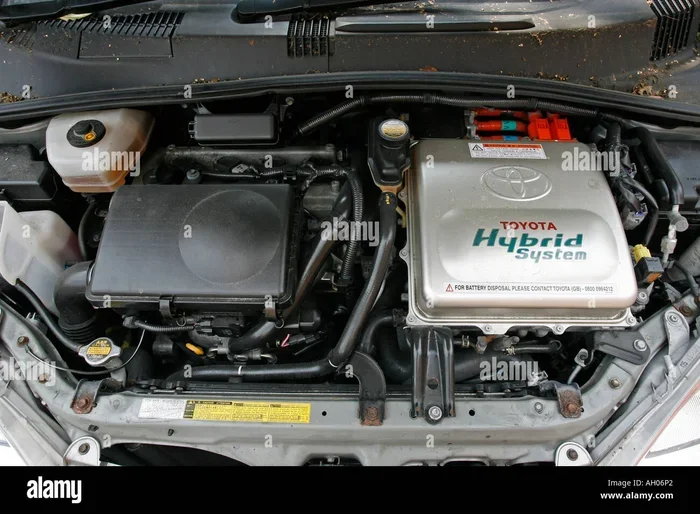
At the heart of the system is the power split device. This is a clever set of gears that splits power between the electric motor and the petrol engine. It acts like a traffic director, sending power where it is needed most. This is what makes Toyota hybrids so efficient and smooth.
The power split device allows the car to run on electricity alone at low speeds. It also lets the petrol engine take over when you need more power. And it can blend both sources together for the best of both worlds. This is the magic behind Toyota’s hybrid synergy drive technology.
The Hybrid Battery
Every Toyota hybrid has a hybrid battery that stores energy for the electric motor. This battery is different from the regular car battery. It is much larger and more powerful. It also recharges itself while you drive, thanks to regenerative braking.
Regenerative braking captures energy that would normally be wasted when you slow down. It stores that energy back in the hybrid battery. This means you never need to plug in your car to charge it (for most models). The car does it all on its own.
At What Speed Do Toyota Hybrid Cars Switch to Petrol
This is the big question. The short answer is that most Toyota hybrids switch to petrol somewhere between 15 and 25 miles per hour. But the full answer is more nuanced. Let us break it down.
Low-Speed Electric Driving
At very low speeds, Toyota hybrids run purely on the electric motor. This happens when you are crawling in traffic or pulling out of a parking spot. The electric motor provides quiet, smooth power without using any petrol at all.
Most Toyota models stay in EV mode up to about 15 mph. Some models can go a bit faster on electric power alone. The Toyota Prius, for example, can often stay in electric mode up to 25 mph under light throttle. This is great for city driving where you rarely go above 20 mph.
The Transition Zone
Between 15 and 25 mph is the transition zone. This is where the car starts to bring in the petrol engine. The exact speed depends on several factors:
- How hard you are pressing the accelerator
- The current charge level of the hybrid battery
- The specific Toyota model you are driving
- Whether you are going uphill or downhill
- The outside temperature
During this transition, the power split device works behind the scenes. It blends electric and petrol power smoothly. You might feel a slight change in sound or vibration, but it is usually very subtle. Toyota has designed this transition to be as seamless as possible.
Highway Speed Petrol Dominance
Once you are above 25 to 30 mph, the petrol engine becomes the primary power source. At highway speeds, the petrol engine is more efficient than the electric motor. It provides the steady power needed for cruising.
However, Toyota hybrids are smart. They do not just run on petrol all the time. The system constantly monitors conditions. If you ease off the accelerator, the car may switch back to electric-only mode even at higher speeds. This is one of the reasons Toyota hybrids are so fuel-efficient.
Factors That Affect the Petrol Switch
The speed at which your Toyota hybrid switches to petrol is not fixed. Several factors influence when and how the switch happens. Understanding these can help you become a smarter, more efficient driver.
Battery Charge Level
If your hybrid battery is fully charged, the car will stay in electric mode longer and at higher speeds. But if the battery is low, the petrol engine will kick in sooner. This is by design. The system wants to keep the battery at an optimal charge level.
Think of it this way. The hybrid battery is like a savings account. The car tries to keep a healthy balance. If you use too much electric power, the petrol engine steps in to recharge the battery while also propelling the car.
Driving Style
How you drive has a big impact. If you accelerate gently, the car stays in electric mode longer. If you mash the accelerator, the petrol engine kicks in immediately to provide extra power. Hypermiling drivers, who focus on maximizing fuel economy, often try to stay in electric mode as long as possible.
Here is a simple tip. Accelerate smoothly and gradually. This keeps the electric motor working and delays the petrol engine switch. Over time, this adds up to real fuel savings.
Road Conditions
Hilly terrain changes everything. Going uphill requires more power, so the petrol engine engages earlier. Going downhill, the electric motor can handle more of the work, especially if regenerative braking is recharging the battery.
Stop-and-go city traffic is actually the best scenario for staying in electric mode. You rarely exceed 20 mph, and the car can use regenerative braking to keep the battery topped up. Highway driving, on the other hand, relies more heavily on the petrol engine.
Toyota Hybrid Models and Their Electric Range
Not all Toyota hybrids are the same. Different models have different capabilities when it comes to electric-only driving. Here is a closer look at some popular Toyota hybrid models.
Toyota Prius
The Toyota Prius is the most famous hybrid car in the world. It is the car that put hybrid technology on the map. The Prius can run on electric power alone at low speeds for short distances. Most drivers experience EV mode up to about 25 mph in light traffic.
The latest Prius models have improved battery capacity and more efficient electric motors. This means longer electric-only driving and better overall fuel efficiency. The Prius is a great example of how far Toyota hybrid technology has come.
Toyota Corolla Hybrid
The Corolla Hybrid offers a more affordable entry into the Toyota hybrid family. It uses a similar power split device and hybrid synergy drive system. The electric-only range is shorter than the Prius, but it is still impressive for a compact sedan.
Most Corolla Hybrid drivers will feel the petrol engine engage between 15 and 20 mph. The car is designed for daily commuting, where low-speed electric driving makes the biggest difference in fuel consumption.
Toyota RAV4 Hybrid
The RAV4 Hybrid is a compact SUV with hybrid power. It has a larger petrol engine to handle the extra weight. The electric-only range is shorter compared to the Prius. The petrol engine tends to kick in at slightly lower speeds because of the increased power demand.
Still, the RAV4 Hybrid delivers excellent fuel efficiency for an SUV. The combination of electric motor support and regenerative braking helps offset the higher energy needs of a larger vehicle.
Quick Tips for Maximizing Electric Mode
Want to stay in electric mode as long as possible? Here are some practical tips that really work.
- Accelerate gently. Smooth acceleration keeps the electric motor in charge longer.
- Use cruise control on flat roads. This helps maintain steady speeds and reduces the need for the petrol engine.
- Watch your battery gauge. Keep an eye on the hybrid battery level. A fuller battery means longer electric driving.
- Avoid hard braking. Smooth braking maximizes regenerative braking and keeps energy in the battery.
- Use ECO mode. Most Toyota hybrids have an ECO mode that prioritizes electric driving and delays the petrol switch.
- Plan your routes. Shorter trips with frequent stops are perfect for electric-only driving.
Common Mistakes to Avoid
Here are some mistakes that cause drivers to waste electric power and rely too much on the petrol engine.
- Flooring the accelerator. This forces the petrol engine to engage immediately, no matter your speed.
- Ignoring the battery charge. A depleted hybrid battery means less electric driving and more petrol use.
- Leaving the car idling in traffic. Modern Toyota hybrids shut off the petrol engine at stops automatically. Make sure this feature is working properly.
- Overusing climate control. Heavy use of air conditioning or heating can drain the hybrid battery faster.
- Carrying excess weight. Extra weight means the petrol engine works harder and switches on more often.
Expert Insights on Toyota Hybrid Switching
We spoke with several Toyota technicians and hybrid experts to get their take on the petrol switching process. Here is what they had to say.
One technician explained: “The beauty of Toyota’s Hybrid Synergy Drive is that drivers do not need to think about when the car switches. The system handles it automatically. But understanding the basics helps drivers get the most out of their vehicle.”
Another expert added: “The power split device is the real star of the show. It continuously optimizes the balance between the electric motor and the petrol engine. Most drivers never even notice the transition.”
An efficiency coach shared this tip: “If you want to maximize your fuel efficiency, focus on your driving habits. Gentle acceleration, smooth braking, and smart use of ECO mode can make a huge difference in how often and when your car switches to petrol.”
Key Takeaways
- Switching Speed: Toyota hybrids typically switch to petrol between 15 and 25 mph, though this varies by model.
- EV Mode: Many Toyota hybrids can run on electric power alone at low speeds and in stop-and-go traffic.
- Hybrid Synergy Drive: Toyota’s unique system uses a power split device to blend electric and petrol power effortlessly.
- Highway Driving: The petrol engine takes over more at higher speeds for better performance and efficiency.
- Regenerative Braking: This feature recharges the hybrid battery when you slow down, extending electric-only range.
- Fuel Savings: Knowing when your car switches helps you drive smarter and save on fuel consumption.
- Seamless Transition: The switch between electric and petrol is nearly invisible to the driver.
Conclusion
So, at what speed do Toyota hybrid cars switch to petrol? The answer is clear. Most models switch between 15 and 25 mph, with the exact speed depending on your driving conditions, battery charge, and the specific Toyota model you own. The Hybrid Synergy Drive system works tirelessly behind the scenes to make this transition as smooth and invisible as possible.
Understanding how your Toyota hybrid works gives you an edge. You can drive smarter, save more fuel, and enjoy a quieter, cleaner ride. The combination of electric motor power and petrol engine performance is what makes Toyota hybrids so special.
Next time you are behind the wheel, pay attention to the subtle changes in sound and feel. You will start to notice the hybrid mode shifts for yourself. And you will appreciate the incredible engineering that goes into every Toyota hybrid. Drive gently, use ECO mode, and let the power split device do its thing. Your fuel bill will thank you.
Frequently Asked Questions
At what speed does a Toyota Prius switch from electric to petrol?
A Toyota Prius typically switches from electric to petrol between 15 and 25 mph. The exact speed depends on how hard you accelerate and the battery charge level. Under light throttle, the Prius can stay in EV mode up to 25 mph.
Can I drive a Toyota hybrid on electric power alone?
Yes, you can drive a Toyota hybrid on electric power alone at low speeds. This works well in city traffic, parking lots, and residential streets. The electric motor handles the car up to about 15 to 25 mph depending on conditions.
Why does my Toyota hybrid switch to petrol so quickly?
If your car switches to petrol quickly, the hybrid battery may be low. Other factors include hard acceleration, hot weather, or using heavy electrical features like air conditioning. Try easing off the accelerator and using ECO mode to extend electric-only driving.
Does the petrol engine ever turn off while driving?
Yes, the petrol engine can turn off even while driving. This happens when the hybrid battery is full and the electric motor can handle the power demand. Toyota hybrids use regenerative braking to keep the battery charged, enabling more electric-only driving.
Is the petrol switch noticeable in Toyota hybrids?
Most drivers barely notice the switch. Toyota designs the power split device to make the transition as seamless as possible. You might hear a slight change in engine sound, but the shift is very smooth and refined.
How can I improve the electric-only range of my Toyota hybrid?
You can improve electric-only range by accelerating gently, using ECO mode, and avoiding hard braking. Keeping your hybrid battery charged through regenerative braking also helps. Smooth, steady driving is the key to maximizing electric mode.