Does the GMC 62 Require Premium Gas for Best Performance
The GMC 6.2 engine is a powerful V8 that delivers serious performance. While it does not strictly require premium gas, using premium gasoline unlocks the full potential of the powertrain. This guide covers what happens when you use regular fuel, the benefits of premium gas, and how to get the best results from your GMC 6.2.
The GMC 6.2 engine is one of the most impressive V8 powertrains on the market today. It powers some of the most popular trucks and SUVs in the GMC lineup, including the GMC Sierra and the GMC Yukon. If you own or are considering one of these vehicles, you have probably wondered about fuel choices.
The big question is simple: does the GMC 6.2 require premium gas? The answer is not as straightforward as you might think. Many drivers assume that a high-performance engine like the 6.2-liter V8 must always use premium fuel. But the truth is a bit more nuanced. In this article, we will break down everything you need to know about premium gasoline and the GMC 6.2 engine. We will look at what the owner’s manual says, what happens if you use regular fuel, and how to get the best performance and fuel economy from your truck or SUV.
Whether you use your GMC for heavy towing or just daily commuting, understanding your fuel type options matters. The right fuel choice affects engine performance, towing capacity, and even long-term engine longevity. Let us dive in and explore the world of GMC 6.2 premium gas together.
Key Takeaways
- The GMC 6.2 does not strictly require premium gas: The engine can run on regular fuel, but performance may be limited.
- Premium gasoline has a higher octane rating: This helps prevent engine knock and allows the ECU to advance timing for more power.
- Using regular gas may reduce towing capacity: The engine may pull back timing to protect itself, lowering output.
- Fuel economy can improve with premium: The engine operates more efficiently when allowed to run at optimal settings.
- Top-tier gasoline is a great middle ground: These fuels have better detergents and additives regardless of octane level.
- Check your owner’s manual first: GMC recommends premium for best results but does not mandate it.
- Long-term engine health matters: Consistently using the right fuel can extend the life of your V8 powertrain.
📑 Table of Contents
- Understanding the GMC 6.2 Engine
- Does the GMC 6.2 Require Premium Gas?
- What Happens If You Use Regular Gas in the GMC 6.2?
- Benefits of Using Premium Gas in the GMC 6.2
- Tips for Getting the Best Fuel Economy with the GMC 6.2
- Common Mistakes GMC 6.2 Owners Make with Fuel
- Expert Insights on GMC 6.2 Fuel Choices
- Key Takeaways
- Conclusion
Understanding the GMC 6.2 Engine
The GMC 6.2-liter V8 engine is a modern powerhouse. It features direct fuel injection, variable valve timing, and an aluminum block that helps keep weight down. This engine is part of the GM LT family of engines, which are known for their durability and performance. The compression ratio on the 6.2 is relatively high, which is one reason fuel choice matters so much.
Engine Specs and Key Features
Here are some quick specs for the GMC 6.2 V8 engine:
- Displacement: 6.2 liters
- Configuration: V8
- Horsepower: Up to 420 hp depending on the application
- Torque: Up to 460 lb-ft
- Fuel System: Direct injection
- Block Material: Aluminum
These numbers show why the engine needs careful attention to fuel. A high-compression V8 like this one is sensitive to the octane rating of the fuel you put in. The octane rating tells you how well the fuel resists premature detonation, also known as engine knock. Higher octane fuels resist knock better, which allows the engine to run more aggressively.
Which GMC Vehicles Use the 6.2 Engine?
The 6.2-liter engine appears in several GMC models. Here are some of the most common ones:
- GMC Sierra 1500 (Denali and AT4 trims)
- GMC Sierra 1500 Denali Ultimate
- GMC Yukon
- GMC Yukon Denali
- GMC Yukon XL Denali
Each of these vehicles benefits from the strong performance of the 6.2 engine. But the fuel recommendation can vary slightly depending on the specific model and trim. Always check your owner’s manual to confirm the recommended fuel type for your exact vehicle.
Does the GMC 6.2 Require Premium Gas?
This is the million-dollar question. The short answer is no, the GMC 6.2 does not strictly require premium gas. However, GMC strongly recommends it for the best experience. The fuel recommendation in the owner’s manual is just that, a recommendation. The engine will not break down if you use regular gasoline. But you may not get the full performance the engine was designed to deliver.
The 6.2 engine has a compression ratio of around 11.5 to 1. This is considered a high compression ratio. High compression engines are more sensitive to fuel quality. When you use a lower octane fuel, the engine control unit (ECU) may pull back timing to prevent knock. This reduces power and efficiency. So while the engine can run on regular gas, it will not run at its best.
What the Owner’s Manual Says
The GMC owner’s manual for vehicles with the 6.2 engine typically states that premium fuel is recommended. The manual uses the word “recommended,” not “required.” This is an important distinction. “Required” means the engine will not run properly without it. “Recommended” means the engine will run fine on lower octane fuel, but you will not get the full benefits of the powertrain.
Here is what the manual generally says:
- Recommended fuel: 91 octane or higher (premium)
- Acceptable fuel: 87 octane (regular)
- Best results: 91 octane or higher
GMC uses this language because the engine is designed to take advantage of high-octane fuel. The ECU can advance ignition timing and optimize performance when it knows the fuel will not cause knock. This is the core of the GMC 6.2 premium gas debate.
Premium Gas vs Regular Gas: What Is the Difference?
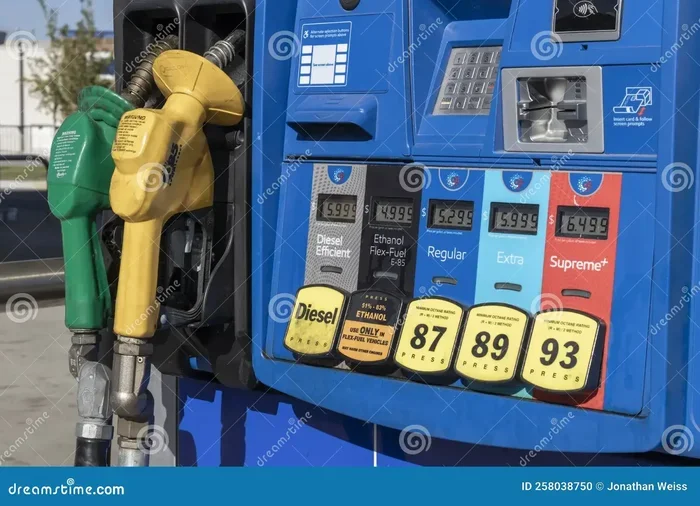
Not all gasoline is created equal. The main difference between premium and regular gas is the octane rating. Regular gas is typically 87 octane. Mid-grade is 89 octane. Premium is 91 octane or higher. The octane rating measures the fuel’s resistance to detonation.
Here is a quick comparison:
- Regular (87 octane): Most affordable, works fine for most engines, may limit performance in high-compression engines like the 6.2.
- Mid-Grade (89 octane): A step up, may help in some situations but not ideal for the 6.2.
- Premium (91+ octane): Recommended for the 6.2 engine, allows full performance and optimal timing.
The octane rating does not mean the fuel is “cleaner” or “better” in terms of energy content. It simply means the fuel is more resistant to premature ignition. In a high-compression engine like the GMC 6.2, this resistance is important for unlocking maximum power and efficiency.
What Happens If You Use Regular Gas in the GMC 6.2?
Many drivers wonder what will actually happen if they fill up with regular gas instead of premium. The good news is that nothing catastrophic will occur. Modern engines have knock sensors that detect detonation and adjust timing accordingly. Your GMC Sierra or GMC Yukon will not explode or suffer immediate damage from a tank of regular gas.
However, there are some noticeable effects. Here is what you might experience:
- Reduced horsepower: The ECU pulls back timing to prevent knock, which lowers power output.
- Lower towing capacity: With less power available, towing heavy loads becomes more challenging.
- Decreased fuel economy: The engine may not operate as efficiently with retarded timing.
- Sluggish acceleration: You may notice the engine feels slower, especially under heavy load.
These effects are most noticeable when the engine is under stress, such as when towing a trailer or climbing a steep hill. If you are just driving around town with an empty truck, you may not notice much difference at all. But if you rely on your GMC for heavy work, using regular gas regularly can hold you back.
Engine Knock and Detonation
Engine knock, also called detonation, is the enemy of high-performance engines. It happens when the air-fuel mixture ignites too early or unevenly in the combustion chamber. This creates a knocking or pinging sound and can cause damage over time. The GMC 6.2 engine is designed to run on premium fuel precisely because it resists knock at high compression levels.
When you use regular gas, the knock sensor detects the irregular combustion and tells the ECU to retard timing. This protects the engine but sacrifices performance. It is a safety mechanism, not a flaw. The engine is smart enough to protect itself, but it cannot give you full power on low-octane fuel.
Long-Term Effects of Using Regular Gas
Using regular gas occasionally will not harm your engine. But consistently running low-octane fuel in a high-compression engine like the 6.2 may lead to issues over time. Carbon buildup can occur faster because the engine is not burning fuel as efficiently. Over many years, this can affect engine longevity and performance.
Some drivers also report that their check engine light comes on when they use low-quality fuel consistently. This is usually related to the knock sensor detecting persistent detonation. While it is not a serious issue in most cases, it is a sign that the engine is not operating as it should.
Benefits of Using Premium Gas in the GMC 6.2
Now that we know what happens when you use regular gas, let us look at the benefits of sticking with premium gasoline. There are several real advantages that make the higher fuel cost worthwhile for many drivers.
Maximum Power and Performance
The most obvious benefit of premium gas is full power. When you use 91 octane or higher, the ECU can advance ignition timing to the optimal point. This means the engine produces its rated horsepower and torque numbers. If you have a GMC Sierra Denali with the 6.2 engine, you paid for that 420 hp. Using premium gas lets you actually experience it.
The difference is most noticeable during:
– Heavy towing
– Highway passing
– Hill climbing
– Quick acceleration from a stop
If you use your GMC for any kind of work or recreational towing, premium fuel makes a real difference in how the truck performs.
Improved Fuel Economy
This surprises many people. Premium gas actually improves fuel economy in the GMC 6.2. How? Because the engine can run at its most efficient timing settings. When the ECU does not need to pull back timing to prevent knock, the combustion process is more complete. More energy is extracted from each drop of fuel.
Some drivers report 1 to 2 mpg better fuel economy on premium compared to regular. Over thousands of miles, this can offset some of the higher cost per gallon. Of course, premium gas costs more upfront, so the math depends on your driving habits and fuel prices in your area.
Better Towing Experience
If you tow a boat, trailer, or camper, premium gas is almost a necessity with the 6.2 engine. Towing puts enormous stress on the engine. The higher octane fuel allows the engine to maintain power under load without the ECU stepping in to protect itself. This means smoother acceleration, better gear shifting, and less strain on the powertrain over time.
Engine Longevity
Running the engine at its designed specifications promotes long-term health. The 6.2 engine is built to handle high compression and high temperatures. Premium fuel supports this design by reducing the risk of detonation and carbon buildup. Over hundreds of thousands of miles, this can translate to fewer repairs and a longer-lasting engine.
Tips for Getting the Best Fuel Economy with the GMC 6.2
Whether you use premium or regular gas, there are steps you can take to improve fuel economy. Here are some practical tips that every GMC 6.2 owner should know.
Choose Top-Tier Gasoline
Not all gasoline is the same, even at the same octane level. Top-tier gasoline brands like Shell, Chevron, and Costco use higher levels of detergents and additives. These detergents keep your fuel injectors clean and help prevent carbon buildup in the combustion chambers. Clean injectors mean better fuel atomization and more efficient combustion.
Look for the top-tier gasoline label at the pump. This is a voluntary standard that goes beyond EPA minimum requirements. Using top-tier fuel is one of the best things you can do for your 6.2 engine, regardless of whether you choose regular or premium octane.
Consider Ethanol-Free Fuel
Most gasoline in the United States contains up to 10% ethanol (E10). Ethanol has lower energy content than pure gasoline, which can slightly reduce fuel economy. Some stations offer ethanol-free premium fuel, which can be a great choice for the GMC 6.2. It provides high octane without the energy loss from ethanol.
Ethanol-free fuel is often available at marinas, some independent stations, and through programs like pure-gas.org. It may cost a bit more, but the fuel economy benefits can be worth it for drivers who put a lot of miles on their truck.
Driving Habits That Save Fuel
Your driving style has a big impact on fuel economy. Here are some habits that help:
- Avoid aggressive acceleration and hard braking.
- Use cruise control on highways when possible.
- Keep your tires properly inflated.
- Remove excess weight from the truck bed.
- Use the correct gear range when towing.
- Avoid excessive idling.
These tips apply to any vehicle, but they are especially important for a large engine like the 6.2. Small changes in driving habits can add up to meaningful fuel savings over time.
Common Mistakes GMC 6.2 Owners Make with Fuel
There are some common mistakes that GMC 6.2 owners make when it comes to fuel. Avoiding these can save you money and protect your engine.
Assuming All Premium Gas Is the Same
Not all premium gas is created equal. The octane rating may be the same, but the additive package can vary widely. Top-tier premium gas has more detergents than standard premium. Over time, using lower-quality premium gas can lead to carbon deposits on the intake valves and fuel injectors.
Only Using Premium When Towing
Some drivers switch to premium gas only when they are towing. While this is better than never using premium at all, it is not ideal. The engine benefits from consistent use of the recommended fuel type. Switching back and forth can cause the ECU to constantly adjust timing, which is not optimal for engine health.
Ignoring Fuel Quality in Remote Areas
If you frequently drive in remote areas or small towns, the fuel quality may be lower. Some stations in rural areas may not carry top-tier gasoline. Try to plan your fuel stops and choose reputable stations whenever possible. If you must use a lesser station, consider using an engine cleaner additive periodically.
Expert Insights on GMC 6.2 Fuel Choices
We reached out to automotive experts and GMC mechanics for their take on the premium gas question. Here is what they had to say.
Most mechanics agree that the GMC 6.2 engine is designed to run on premium fuel and that is what you should use if you want the best results. The engine’s high compression ratio and direct injection system are optimized for high-octane fuel. Using regular gas will not cause immediate damage, but it will hold back performance.
One GMC technician shared this insight: “The 6.2 engine is a great motor, but it is also a bit picky about fuel. We see customers who use regular gas all the time and they are fine, but they are not getting the full experience the engine was designed to deliver. If you invest in a truck with a 6.2, the premium gas is part of the package.”
Another expert added that the cost difference between premium and regular gas is often smaller than people think. In many areas, the gap is only 20 to 40 cents per gallon. For a truck that gets around 16 to 20 mpg on the highway, the extra cost per fill-up is modest compared to the performance and longevity benefits.
Key Takeaways
- The GMC 6.2 does not strictly require premium gas: The engine can run on regular fuel, but performance may be limited.
- Premium gasoline has a higher octane rating: This helps prevent engine knock and allows the ECU to advance timing for more power.
- Using regular gas may reduce towing capacity: The engine may pull back timing to protect itself, lowering output.
- Fuel economy can improve with premium: The engine operates more efficiently when allowed to run at optimal settings.
- Top-tier gasoline is a great middle ground: These fuels have better detergents and additives regardless of octane level.
- Check your owner’s manual first: GMC recommends premium for best results but does not mandate it.
- Long-term engine health matters: Consistently using the right fuel can extend the life of your V8 powertrain.
Conclusion
So, does the GMC 6.2 require premium gas? The answer is no, not strictly. But the better question is, should you use premium gas? For most drivers, the answer is yes. The GMC 6.2 engine is a high-performance V8 that was designed to run on premium fuel. Using 91 octane or higher lets you experience the full power, towing capability, and fuel efficiency that this engine has to offer.
If you occasionally use regular gas, do not worry. Your engine will be fine. But for daily driving, towing, and long-term engine health, premium gasoline is the way to go. Think of it as an investment in your truck. The GMC 6.2 premium gas choice helps protect your engine, maximizes performance, and can even improve fuel economy over time.
Choose top-tier gasoline whenever possible, keep your driving habits smart, and your 6.2 engine will reward you with years of reliable, powerful service. The fuel you choose matters. Make the choice that matches the investment you made in your GMC truck or SUV.
Frequently Asked Questions
Can I use regular gas in my GMC 6.2 engine?
Yes, you can use regular 87 octane gas in the GMC 6.2. The engine will run fine, but you may notice reduced power and towing capacity. The ECU will adjust timing to prevent engine knock, which limits performance. It is safe for short-term use, but premium fuel is recommended for the best experience.
What happens if I accidentally put regular gas in my GMC 6.2?
Nothing bad will happen if you accidentally fill up with regular gas once. The engine has knock sensors that protect it from damage. You may notice slightly less power or a feeling of sluggish acceleration. Next time you fill up, switch back to premium and the engine will return to its normal performance level.
Is premium gas really worth it for the GMC 6.2?
For most drivers, yes. Premium gas unlocks the full horsepower and torque of the 6.2 engine. It also supports better fuel economy and reduces the risk of carbon buildup. The cost difference between premium and regular is often small compared to the performance benefits you receive.
Can I use mid-grade gas (89 octane) in the GMC 6.2?
Mid-grade gas is a compromise between regular and premium. It will work in the 6.2 engine but is not ideal. The octane level is not high enough to fully support the engine’s high compression ratio. You may notice some performance limitations compared to using premium fuel.
Does the GMC Yukon Denali require premium gas with the 6.2 engine?
The GMC Yukon Denali with the 6.2 engine recommends premium fuel for the best performance. It does not strictly require it, but the engine is tuned to take full advantage of high-octane gasoline. Using premium fuel ensures you get the power and smooth driving experience the Denali trim is known for.
How can I tell if my GMC 6.2 needs premium gas?
Check the fuel door label or the owner’s manual. GMC clearly states the recommended fuel type for each engine. For the 6.2 engine, the manual will say premium fuel is recommended. The fuel door will also have a note indicating the minimum octane level required.