Can I Use a 21 Wiper Blade Instead of 20 on My Vehicle
Using a 21 wiper blade instead of 20 is sometimes possible, but it depends on your vehicle, wiper arm length, and manufacturer specs. A one-inch difference may seem small, yet it can affect coverage, performance, and driving safety. This guide walks you through everything you need to know before swapping wiper blade sizes.
Ever stood in the auto parts aisle, holding a 21 wiper blade, and wondered if it would work where a 20 belongs? You are not alone. This question pops up in garages, online forums, and repair shops every single day. The truth is, wiper blade sizes are not always interchangeable, even when they differ by just one inch.
Your windshield wiper blade is one of the most important safety components on your vehicle. It directly affects your rain visibility and your ability to drive safely in bad weather. Using the wrong size can lead to poor performance, uneven wiping, and even damage to your windshield or wiper arms.
In this article, we will answer the question of whether you can use a 21 wiper blade instead of 20. We will look at compatibility, risks, fitment, and expert tips. By the end, you will know exactly what to do the next time you need a wiper blade replacement.
Key Takeaways
- Size matters: Wiper blade length directly impacts how well your windshield gets cleaned.
- One inch can make a difference: A 21 blade instead of 20 may cause overhang or gaps in coverage.
- Check your owner manual: The manufacturer specifies the exact wiper blade size for a reason.
- Fitment is key: Using the wrong size can damage your wiper arms or scratch your windshield.
- Universal adapters exist: Some wiper blades come with adjustable brackets for flexible fitment.
- Safety first: Poor wiper performance reduces rain visibility and increases driving risk.
- When in doubt, ask a pro: A quick visit to an auto parts store can save you time and money.
📑 Table of Contents
- Understanding Wiper Blade Sizes
- Can You Use a 21 Wiper Blade Instead of 20?
- How to Find the Right Wiper Blade Size for Your Vehicle
- Risks of Using the Wrong Wiper Blade Size
- Types of Wiper Blades and How They Affect Fitment
- Expert Tips for Wiper Blade Replacement
- Common Mistakes People Make With Wiper Blades
- Final Thoughts
Understanding Wiper Blade Sizes
Wiper blade sizes are measured in inches. Most vehicles use different lengths for the driver and passenger sides. For example, a common setup is a 20-inch blade on one side and a 21-inch blade on the other. But what happens when you mix them up?
How Wiper Blade Length Is Determined
Automakers design each vehicle with a specific wiper blade size in mind. The size is based on the shape of your windshield, the reach of the wiper arm, and the coverage area needed for clear vision. These OEM specifications are not random. They are carefully tested to give you the best wiper blade performance in all conditions.
The length of the blade determines how much of the glass it can clean in one sweep. Too short, and you get missed spots. Too long, and the blade may not make proper contact or may extend beyond the windshield edge.
Why One Inch Makes a Difference
A one-inch difference might not sound like much. But on a curved windshield, that extra inch changes everything. A 21 wiper blade instead of 20 can overhang the windshield edge, put extra pressure on the wiper arm, or leave a gap at the top or bottom of the glass.
Here is a quick look at what that one inch affects:
- Coverage area: The blade may clean areas it was not designed to reach.
- Wiper arm pressure: Extra length can cause the arm to bend or lose tension.
- Contact with the windshield: The blade may lift at one end, reducing wiping efficiency.
- Noise and streaking: An ill-fitting blade often squeaks or leaves streaks behind.
Can You Use a 21 Wiper Blade Instead of 20?
The short answer is: it depends. In some cases, a 21 wiper blade instead of 20 will work fine. In other cases, it can cause real problems. Let us break this down.
When It Works
Some vehicles have symmetric wiper systems. This means both wiper arms move the same way and cover similar areas. On these cars, the manufacturer may allow a one-inch difference between sides. If your owner manual says the driver side is 20 and the passenger side is 21, then using a 21 on the 20 side might be acceptable.
Also, some universal wiper blades come with adjustable adapters. These blades can fit multiple sizes and may allow a slight deviation from the recommended length. Always check the product specifications before assuming a universal blade will work.
When It Does Not Work
On many vehicles, the driver and passenger sides have different wiper arm lengths and movement patterns. Using a 21 wiper blade instead of 20 on the wrong side can cause the blade to hit the windshield frame, the hood, or the cowling area. This is not just a performance issue. It is a safety issue.
Here are situations where a wrong size will cause problems:
- The blade extends beyond the windshield edge and catches wind.
- The wiper arm cannot reach the full length of the blade.
- The blade lifts off the glass at one end, creating a gap.
- The arm puts too much pressure on one spot, causing premature wear.
Front and Rear Wiper Blade Differences
Do not forget about your rear wiper blade. Many SUVs, hatchbacks, and trucks have a rear wiper that is a different size than the front ones. The rear wiper blade has its own OEM specification, and swapping sizes there can be just as problematic as on the front.
Always check both front and rear blade sizes before making a purchase. A quick look in your owner manual or on the old blade packaging will save you a lot of hassle.
How to Find the Right Wiper Blade Size for Your Vehicle
Finding the correct wiper blade size is easier than you think. You do not need to be a mechanic to do it right. Here are the best ways to get the exact size your vehicle needs.
Check Your Owner Manual
Your vehicle owner manual is the most reliable source. It lists the exact wiper blade dimensions for both the driver and passenger sides. Look in the maintenance or specifications section. If you have lost your manual, a digital copy is often available on the manufacturer website.
Look at the Old Blade
The easiest shortcut? Check the old blade itself. Most wiper blades have the size printed on the package or on the blade frame. Pull out the old blade and look for a number followed by “inch” or the inch symbol. This tells you exactly what you need.
Use an Online Wiper Size Finder
Many auto parts websites offer a free wiper blade fitment tool. You enter your vehicle make, model, and year, and the tool tells you the exact size. This is a fast and reliable method, especially if you are shopping online.
Ask an Auto Parts Store Employee
Do not underestimate the help of a knowledgeable store employee. Most auto parts stores have wiper blade fitment guides and staff who can look up your vehicle in seconds. This is a free service that can save you from buying the wrong part.
Risks of Using the Wrong Wiper Blade Size
Using the wrong wiper blade size is not just an inconvenience. It can lead to real problems that affect your vehicle and your safety. Here is what can go wrong.
Poor Windshield Coverage
The most obvious risk is poor coverage. A blade that is too long or too short will not clean the full windshield area. This means you will have streaks or dry spots right in your line of sight. In heavy rain, that can be dangerous.
Wiper Arm Damage
Wiper arms are designed to apply a specific amount of pressure across the blade. When the blade is the wrong size, the pressure distribution changes. This can cause the arm to bend, weaken, or even snap over time. Replacing a wiper arm costs far more than a correctly sized blade.
Windshield Damage
A blade that does not sit flat on the glass can cause scratches. The metal frame or adapter may press against the windshield at an angle, leaving marks or even cracks. Windshield repairs are expensive, and in some cases, a cracked windshield needs a full replacement.
Reduced Driving Safety
At the end of the day, wipers exist to keep your view clear. Poor wiper blade performance means poor driving safety. In fog, rain, or snow, every inch of clear glass matters. Using the wrong size blade puts you and others on the road at risk.
Types of Wiper Blades and How They Affect Fitment
Not all wiper blades are the same. The type of blade you choose can also affect whether a 21 wiper blade instead of 20 swap is possible. Let us look at the main types.
Conventional Wiper Blades
Conventional blades are the traditional style with a metal frame and rubber inserts. They are the most common type and the least expensive. Because they have a fixed frame, the length is rigid. You cannot stretch or compress a conventional blade to fit a different size requirement.
Beam Wiper Blades
Beam blades have a sleek, frameless design. They use a single piece of flexible rubber that conforms to the windshield curve. Beam blades often provide better wiper blade performance and a cleaner wipe. However, they still come in specific sizes and are not adjustable beyond the manufacturer’s intended length.
Hybrid Wiper Blades
Hybrid blades combine elements of both conventional and beam designs. They have a hidden frame inside a sleek shell. These blades offer a good balance of durability and performance. Like other types, they are built to specific wiper blade dimensions and should be matched to your vehicle.
Winter Wiper Blades
Winter or winter-ready blades are designed to handle ice and snow. They often have a protective boot or cover over the mechanism. These blades also come in fixed sizes, and using the wrong length can reduce their effectiveness in cold weather conditions.
Expert Tips for Wiper Blade Replacement
Replacing your wiper blades is one of the easiest maintenance tasks you can do at home. Follow these expert tips to get the best results every time.
Step-by-Step Wiper Blade Installation
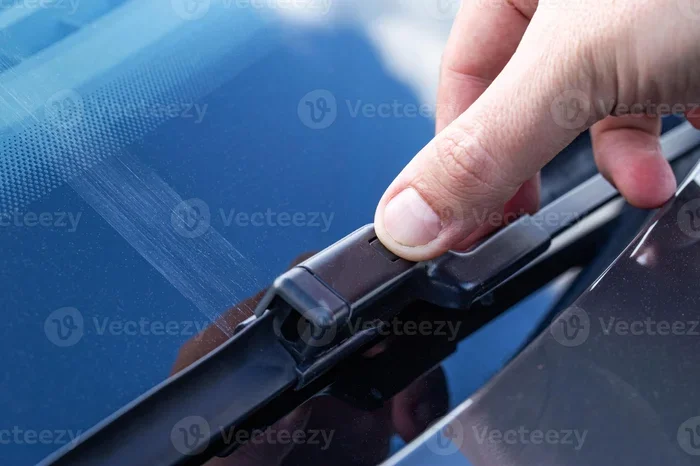
- Lift the wiper arm away from the windshield.
- Press the small tab or button on the old blade connector.
- Slide the old blade off the arm gently.
- Align the new blade with the connector and push it firmly until it clicks.
- Lower the wiper arm back onto the windshield carefully.
- Repeat for the other blade if needed.
How Often Should You Replace Your Wiper Blades?
Most experts recommend replacing wiper blades every six to twelve months. Over time, the rubber degrades from sun exposure, dirt, and use. Signs that it is time for a replacement include streaking, squeaking, chattering, or visible cracks in the rubber.
Best Practices for Wiper Blade Maintenance
- Clean your windshield whenever you fill up the gas tank.
- Wipe the wiper blade rubber with a damp cloth to remove debris.
- Lift the wiper arms away from the windshield during winter storms to prevent freezing.
- Never use wipers to scrape ice off the glass. Use an ice scraper instead.
- Store your vehicle in a shaded area when possible to reduce rubber degradation.
Common Mistakes People Make With Wiper Blades
Even well-meaning car owners make mistakes when it comes to wiper blades. Here are the most common ones to avoid.
Guessing the Size
Never guess your wiper blade size. Even if two vehicles are the same make and model, different model years can use different sizes. Always verify with your owner manual or the old blade.
Ignoring the Wiper Arm Type
Wiper arms come in different styles, including side-lock, bayonet, and pin adapters. The blade must match both the size and the connector type. A blade that is the right length but the wrong connector will not install properly.
Forgetting the Rear Wiper
If your vehicle has a rear wiper, do not forget to check its size too. Many people replace only the front blades and leave the rear one worn out, which hurts overall visibility.
Buying Based on the Wrong Vehicle Listing
When shopping online, double-check that the blade is listed for your specific vehicle. A blade listed for a similar model year or trim level may not be a perfect fit.
Final Thoughts
So, can you use a 21 wiper blade instead of 20? The answer is not a simple yes or no. It depends on your vehicle, your wiper system, and the manufacturer’s recommendations. In some cases, a one-inch difference works just fine. In other cases, it can lead to poor performance, damage, and safety risks.
The best approach is always to follow the OEM specifications listed in your owner manual. When you use the right wiper blade size, you get better rain visibility, longer blade life, and peace of mind on the road. If you are ever unsure, consult your owner manual, visit an auto parts store, or ask a trusted mechanic.
Taking a few extra minutes to get the right blade size is a small effort that pays off in big ways. Your windshield is your window to the road. Keep it clear, keep it safe, and always use the right wiper blade for your vehicle.
Frequently Asked Questions
Can I use a 21 wiper blade instead of 20 on the driver side?
It depends on your vehicle. Some cars allow a one-inch difference between sides, while others require exact sizes. Always check your owner manual or the specifications listed on the old blade before making a swap.
What happens if my wiper blade is one inch too long?
A blade that is one inch too long may overhang the windshield edge, cause streaking, or put extra stress on the wiper arm. In some cases, it can also hit the windshield frame or hood, leading to damage.
Are 20 and 21 wiper blades interchangeable?
They are not always interchangeable. Wiper blade fitment depends on your vehicle model, wiper arm design, and manufacturer specifications. Using the wrong size can reduce performance and potentially damage your windshield.
How do I know what size wiper blade I need?
You can find the correct size in your owner manual, on the old blade packaging, or by using an online wiper size finder tool. Many auto parts stores also offer free fitment lookups.
Will using the wrong size wiper blade void my warranty?
Using an incorrect wiper blade that causes damage to the windshield or wiper system may not be covered under warranty. Always follow the manufacturer recommendations to avoid any warranty issues.
How often should I replace my wiper blades?
Most experts recommend replacing wiper blades every six to twelve months. If you notice streaking, squeaking, or chattering, it is time for a new set. Regular replacement keeps your rain visibility sharp and your driving safe.
=== CONCLUSION ===
Choosing the right wiper blade size is one of the simplest yet most important maintenance tasks you can do for your vehicle. Using a 21 wiper blade instead of 20 might seem like a minor detail, but it can have a big impact on your wiper blade performance, driving safety, and even the lifespan of your windshield. Always stick to the OEM specifications and take a few extra minutes to verify the correct size before purchasing.
Remember, your wipers are your first line of defense against rain, snow, and debris. Give them the right tools, and they will keep you seeing clearly on every drive. Stay safe, stay prepared, and never underestimate the power of a properly fitted wiper blade.