Can Spark Plugs Last 200 Miles or Are You Being Fooled
Can spark plugs last 200 miles? The short answer is yes, but that does not mean they should. Many drivers are misled by exaggerated marketing claims about spark plug longevity. In this guide, we break down the real spark plug lifespan, expose common myths, and help you decide when to replace yours.
Have you ever wondered, can spark plugs last 200 miles? Maybe you have been driving with the same set for a while, and your friend told you they still have plenty of life left. Or perhaps you saw an ad claiming certain plugs can go tens of thousands of miles without replacement. The truth is not always what it seems. In this article, we are going to pull back the curtain and show you what really happens inside your engine when spark plugs age. You will learn the real numbers, the myths that trick drivers every day, and exactly when you should replace your plugs to keep your engine running strong.
The question of spark plug longevity confuses a lot of people. Some drivers think plugs last forever. Others change them every few thousand miles out of fear. The reality sits somewhere in the middle, and it depends on several factors we will explore in detail. By the end of this guide, you will know exactly how to judge the condition of your ignition system and make smart decisions about your spark plug replacement schedule. No fluff. No sales pitches. Just honest, practical information you can use right away.
Key Takeaways
- Spark plugs can technically last 200 miles: But that does not mean they are performing at their best.
- Marketing claims can be misleading: Some brands exaggerate durability to sell more products.
- Real-world spark plug lifespan varies: Driving habits, engine type, and fuel quality all play a role.
- Warning signs are easy to spot: Misfires, rough idle, and poor fuel economy signal worn plugs.
- Regular inspection saves money: Catching problems early prevents costly engine repairs.
- Quality matters more than quantity: Premium spark plugs often outperform cheap long-life options.
- Follow manufacturer recommendations: Your owner manual knows best when it comes to replacement intervals.
📑 Table of Contents
What Happens When Spark Plugs Age
The Life Cycle of a Spark Plug
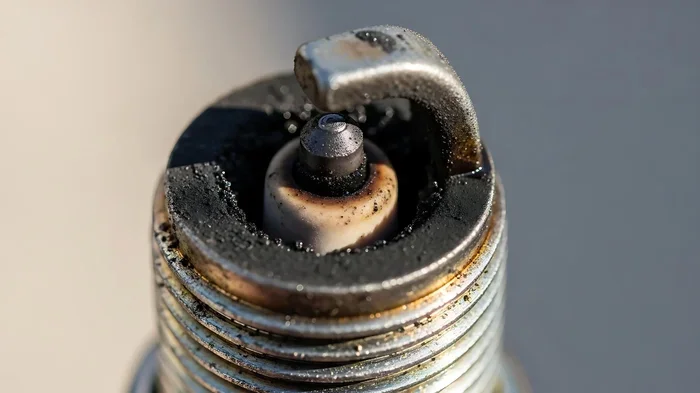
Every spark plug has a limited lifespan. The electrode is the part that creates the spark. Over time, that electrode wears down. The gap between the center and ground electrode gets wider. When the gap is too wide, the spark becomes weak. A weak spark means incomplete combustion. Incomplete combustion leads to a chain of problems you do not want to deal with.
Think of it like a flashlight battery. When the battery is new, the light shines bright. As it drains, the light gets dimmer. Spark plugs work the same way. The combustion chamber needs a strong, consistent spark to burn fuel efficiently. When the spark weakens, your engine suffers.
Why 200 Miles Is Not a Magic Number
Here is the thing about asking if spark plugs can last 200 miles. Yes, they physically can. But that question misses the real point. The better question is, “How many miles should my spark plugs last?” The answer depends on the type of plug you use and your driving conditions. A standard copper core plug might need replacement every 20,000 to 30,000 miles. Iridium or platinum plugs can go 60,000 to 100,000 miles or more. So 200 miles is barely a fraction of their expected life.
Some drivers run into trouble when they push old plugs beyond their limit. The engine starts to misfire. Fuel economy drops. Power feels sluggish. These are not signs of a plug lasting 200 miles. They are signs of a plug that has been used way past its useful life.
Common Myths About Spark Plug Longevity
Myth 1: Premium Plugs Last Forever
One of the biggest myths is that expensive iridium spark plugs or platinum spark plugs never need replacing. This is simply not true. Even the best long-life spark plugs wear down over time. The electrode erodes. Carbon buildup accumulates on the tip. The spark plug gap changes. No plug is immune to the effects of heat, pressure, and combustion byproducts.
Premium plugs do last longer than basic copper ones. That is a fact. But “longer” does not mean “never.” If a product claims otherwise, be skeptical. No reputable manufacturer will tell you their plugs never need replacement.
Myth 2: All Plugs Are the Same
Another myth is that every spark plug is basically the same. This could not be further from the truth. Different materials, designs, and heat ranges serve different engines. A plug that works great in a compact car might fail quickly in a high-performance engine. The torque specification for installation matters too. Over-tightening or under-tightening can cause serious problems.
Using the wrong plug can also damage your ignition coil. The coil works harder to bridge a wider gap, and that extra strain leads to premature failure. Always match your plugs to your vehicle’s specifications.
Myth 3: You Can Tell Plug Condition by Looking at the Engine
Some drivers believe they can judge plug health just by how the engine sounds or runs. While rough idling or engine misfire can signal worn plugs, these symptoms also point to many other problems. The only reliable way to check is to remove the plugs and inspect them. A spark plug tester can also help you measure the actual voltage output.
Real Factors That Affect Spark Plug Life
Driving Habits
How you drive has a huge impact on spark plug wear. Short trips in stop-and-go traffic are the worst. The engine never reaches full operating temperature. This causes carbon buildup on the electrodes. Over time, that buildup widens the gap and weakens the spark.
On the other hand, steady highway driving is much gentler on plugs. The engine runs at a consistent temperature, and combustion is more complete. If your daily commute is mostly highway miles, your plugs will last longer.
Fuel Quality
The fuel you put in your tank matters more than most people realize. Low-quality fuel contains more contaminants. These contaminants create deposits inside the combustion chamber. Those deposits coat the spark plug electrodes and interfere with spark delivery. Using top-tier fuel from reputable stations can help extend plug life significantly.
Engine Condition
A healthy engine keeps spark plugs in good shape longer. But if your engine has issues like oil leaks, coolant leaks, or poor engine timing, the plugs will degrade faster. Oil fouling is a common problem in engines with worn valve seals. Coolant leaks can cause white deposits on the plug tip. Both conditions shorten plug life dramatically.
Installation Quality
Even the best spark plugs will fail early if installed incorrectly. The spark plug gap must be set to the manufacturer’s specification. Too wide or too narrow, and the spark performance suffers. The plug must be torqued to the correct value. Too loose, and it can vibrate out. Too tight, and you risk damaging the threads in the cylinder head.
Using anti-seize compound is another detail that matters. Some manufacturers recommend it, while others say their plugs come pre-coated. Always check the plug packaging or your owner manual before applying any lubricant to the threads.
Warning Signs Your Spark Plugs Need Attention
Rough Idle
A rough or shaky idle is one of the first signs of worn spark plugs. When the plugs cannot fire consistently, the engine runs unevenly at a standstill. You might feel the vehicle vibrate through the steering wheel or seat. This is especially noticeable when stopped at a red light.
Difficulty Starting
Old spark plugs struggle to create a strong enough spark to ignite the fuel. On cold mornings, this problem gets worse. If your car takes longer to start than usual, the plugs might be the culprit. A weak spark is often the hidden cause behind hard starts.
Reduced Fuel Economy
When spark plugs do not fire properly, the engine compensates by using more fuel. You might notice you are visiting the gas station more often. A drop in fuel efficiency of 10% or more can point to ignition problems. New plugs often restore lost mileage and save you money at the pump.
Engine Misfire
A misfire is the most obvious symptom of bad spark plugs. You will feel a jerking sensation during acceleration. The check engine light might also come on. Misfires should never be ignored. They can damage the catalytic converter, which is an expensive repair.
Poor Acceleration
Worn plugs deliver weaker sparks. This means the fuel-air mixture does not burn as efficiently. You might notice sluggish response when you press the gas pedal. Replacing old plugs often brings back the pep in your engine’s step.
How Often Should You Really Replace Spark Plugs
Check Your Owner Manual First
The best source for spark plug replacement intervals is your vehicle’s owner manual. Manufacturers test their engines with specific plugs and provide recommended change intervals. For most modern cars, the range is between 30,000 and 100,000 miles. Always follow these guidelines unless you have a specific reason to deviate.
The Role of the Spark Plug Type
Copper core plugs are the most basic and shortest lasting. They typically need replacement every 20,000 to 30,000 miles. Platinum plugs can go about 60,000 miles. Iridium plugs are the longest lasting, often reaching 100,000 miles or more. The trade-off is cost. Iridium plugs are more expensive upfront, but they last longer and require fewer replacements.
Here is a simple comparison to help you understand the options:
- Copper Core Plugs: Budget-friendly, last about 20,000 to 30,000 miles. Great for older vehicles or high-performance engines that need frequent changes.
- Platinum Plugs: Mid-range durability, lasting around 60,000 miles. The platinum coating on the electrode resists wear better than copper alone.
- Iridium Plugs: The longest lasting option, often reaching 100,000 miles or more. Iridium is harder and more durable than platinum, making it ideal for modern engines.
When 200 Miles Matters
So when does the question “can spark plugs last 200 miles” actually matter? It matters when you are dealing with a vehicle that has not been driven in a long time. If a car sits unused for months, the plugs can corrode or develop deposits. In that case, 200 miles might be all you get before the plugs fail. It is also relevant when you are buying used plugs or refurbished parts from questionable sources. Always inspect plugs carefully before installing them, especially if they have been sitting on a shelf for a while.
Tips to Maximize Spark Plug Life
Keep Your Engine Tuned
A well-tuned engine puts less stress on spark plugs. Make sure your engine timing is set correctly. Replace worn ignition coils and spark plug wires promptly. A healthy ignition system means your plugs work less hard and last longer.
Use Quality Fuel
Top-tier gasoline contains detergents that keep the combustion chamber cleaner. Less carbon buildup means healthier plugs. It is a small cost that pays off in plug longevity and overall engine health.
Inspect Plugs During Regular Maintenance
When you get your oil changed or tires rotated, ask your mechanic to pull and inspect the plugs. A quick visual check can reveal a lot. Look for worn electrodes, carbon deposits, or oil fouling. Catching these issues early saves you from bigger problems down the road.
Do Not Ignore Warning Signs
If your engine starts acting up, do not wait. The longer you drive with bad plugs, the more damage you risk. A simple spark plug replacement costs a fraction of what a new catalytic converter or engine repair would cost. Listen to your car. It tells you when something is wrong.
Final Thoughts
So, can spark plugs last 200 miles? Yes, they can. But the real question you should be asking is how to make them last as long as they are designed to. Understanding your plug type, following manufacturer recommendations, and watching for warning signs will keep your engine running smoothly for years. Do not let marketing hype or misleading claims fool you into keeping plugs too long or replacing them too early. Stay informed, stay proactive, and your ignition system will reward you with better performance, better fuel economy, and fewer trips to the mechanic.
Take a few minutes today to check your spark plugs. It is one of the simplest and most affordable maintenance tasks you can do for your vehicle. Whether your plugs are brand new or ready for replacement, staying on top of this small detail makes a big difference. Your engine works hard for you every day. Give it the care it deserves.
Frequently Asked Questions
Can spark plugs really last 200 miles?
Yes, spark plugs can physically last 200 miles. However, most modern spark plugs are designed to last tens of thousands of miles. If your plugs only last 200 miles, something is wrong. Check for fouling, incorrect gaps, or engine problems that might be accelerating wear.
How do I know if my spark plugs need replacing?
Look for rough idle, difficulty starting, reduced fuel economy, engine misfires, and poor acceleration. You can also remove the plugs and inspect them visually. Worn electrodes, heavy carbon buildup, or oil deposits are clear signs that replacement is needed.
What is the average spark plug lifespan for most cars?
The average lifespan depends on the plug type. Copper core plugs last about 20,000 to 30,000 miles. Platinum plugs last around 60,000 miles. Iridium plugs can go 100,000 miles or more. Always refer to your owner manual for the manufacturer’s specific recommendation.
Does driving style affect spark plug life?
Yes, driving style has a significant impact. Short trips, stop-and-go traffic, and frequent idling cause more carbon buildup and accelerate plug wear. Steady highway driving is much gentler on spark plugs and helps them last longer.
Can bad spark plugs damage other engine parts?
Absolutely. Worn spark plugs can cause misfires that damage the catalytic converter. They also put extra strain on the ignition coil and engine management system. Over time, neglected plugs can lead to costly repairs that could have been prevented with a simple replacement.
Should I use anti-seize compound when installing spark plugs?
It depends on the manufacturer’s recommendation. Some plugs come pre-coated and do not need additional anti-seize. Others benefit from a thin application on the threads. Always check the plug packaging or your owner manual before applying any compound to avoid over-torquing or thread damage.
=== CONCLUSION ===
The truth about spark plugs lasting 200 miles is simpler than most people think. Yes, they can physically last that distance. But the real goal is to understand your plugs, use the right type, and replace them at the right time. Do not let false claims or confusion about spark plug longevity lead you astray. Follow your owner manual, watch for warning signs, and keep your ignition system in top shape. Your engine will run better, your fuel economy will improve, and you will avoid expensive repairs down the road. Stay informed, stay proactive, and let your spark plugs do their job the way they were designed to.