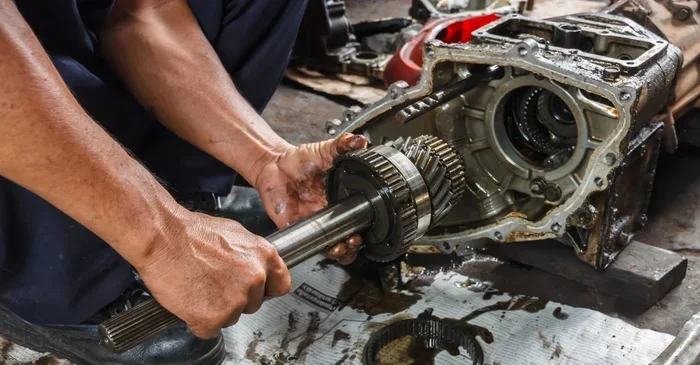
At What Mileage Does A Transmission Go Bad Over Time
At what mileage does a transmission go bad? Most transmissions start showing signs of wear between 100,000 and 150,000 miles, but some fail much earlier. Transmission failure mileage depends heavily on driving habits, maintenance history, and the type of vehicle you own. Regular transmission maintenance can push that lifespan well beyond what most drivers expect.
Every driver eventually faces this question: at what mileage does a transmission go bad? It is one of the most common worries for car owners, especially as the odometer climbs past the 100,000-mile mark. The truth is, there is no single magic number that applies to every vehicle on the road.
Your transmission is one of the hardest-working parts of your car. It handles the job of transferring power from the engine to the wheels. When it starts failing, your entire driving experience suffers. The good news? You can take steps to prevent major problems. Understanding transmission lifespan and transmission failure signs puts you ahead of most drivers.
In this guide, we will walk through everything you need to know. We will cover average mileage thresholds, the difference between automatic and manual systems, and the warning signs you should watch for. By the end, you will know exactly how to protect your car’s drivetrain and avoid costly repairs.
Key Takeaways
- Average Failure Point: Most transmissions go bad between 100,000 and 150,000 miles without proper care.
- Maintenance Matters: Regular fluid changes and inspections can add 50,000+ miles to your transmission life.
- Driving Style Counts: Aggressive driving and towing accelerate transmission wear significantly.
- Warning Signs Exist: Slipping gears, strange noises, and fluid leaks are early red flags you should never ignore.
- Type Matters: Manual and automatic transmissions have different failure patterns and mileage thresholds.
- Cost of Ignoring: Skipping small repairs leads to full transmission replacement, which can cost $1,800 to $3,500.
- Prevention Is Key: Simple habits like checking fluid levels and avoiding overheating can save you thousands.
📑 Table of Contents
- Understanding Your Transmission and Its Lifespan
- At What Mileage Does a Transmission Typically Start Failing
- Warning Signs Your Transmission Is Going Bad
- How to Extend Your Transmission Mileage
- Common Mistakes That Shorten Transmission Life
- When to Consider a Transmission Rebuild vs Replacement
- Key Takeaways
- Conclusion
Understanding Your Transmission and Its Lifespan
Before we dive into specific mileage numbers, let us talk about what a transmission actually does. Think of it as the bridge between your engine and your wheels. It adjusts the power and speed your car sends to the road. Without a working transmission, your vehicle simply cannot move properly.
The transmission lifespan varies a lot depending on several factors. Some cars last 200,000 miles or more with proper care. Others start showing serious problems at 80,000 miles. What makes the difference? Let us break it down.
Automatic vs Manual Transmission Mileage
Automatic and manual transmissions behave very differently over time. Automatic transmissions have more internal components that wear out. They use a torque converter, multiple solenoids, and complex valve bodies. All of these parts can fail as mileage increases.
Manual transmissions are generally simpler. They tend to last longer because there are fewer moving parts. Many manual cars can go 150,000 to 200,000 miles before needing a transmission rebuild or replacement. That said, the clutch in a manual car wears out and needs replacing, usually between 80,000 and 120,000 miles.
Here is a quick comparison of the two types:
- Automatic Transmission: Average failure starts around 100,000 to 150,000 miles. More complex, more parts to wear out.
- Manual Transmission: Average failure starts around 120,000 to 200,000 miles. Clutch wear is the main concern.
- CVT Transmission: Common in smaller cars. These often show wear between 80,000 and 120,000 miles.
Factors That Affect Transmission Mileage
So why do some transmissions fail early while others keep running strong? Several key factors play a role:
- Driving Habits: Hard acceleration and sudden stops put extra stress on your drivetrain.
- Towing and Hauling: Heavy loads make the transmission work harder, generating more heat and wear.
- Climate: Hot weather breaks down transmission fluid faster, reducing lubrication.
- Maintenance History: Skipping fluid changes is one of the biggest reasons transmissions fail early.
- Vehicle Make and Model: Some brands and models are known for reliable gearbox durability. Others have common problems at lower mileage.
At What Mileage Does a Transmission Typically Start Failing
Now let us get to the heart of the question. At what mileage does a transmission go bad for most drivers? The answer depends on the type of vehicle and how well it has been maintained.
The 100,000-Mile Mark
For many vehicles, 100,000 miles is when transmission problems start appearing. This does not mean every car fails at exactly 100,000 miles. But this is the range where worn components begin to show their age. You might notice shifting problems like rough gear changes or delays when switching from park to drive.
If you have owned your car for several years and never changed the transmission fluid, the 100,000-mile mark is a critical checkpoint. Old, dirty fluid loses its ability to lubricate properly. This accelerates wear on internal gears and clutch packs.
The 150,000-Mile Range
By 150,000 miles, many transmissions that have not been properly maintained start showing serious transmission failure symptoms. At this point, you might experience:
- Gears slipping in and out unexpectedly
- Burning smells coming from under the hood
- Strange grinding or whining noises
- Delayed engagement when shifting
- The check engine light coming on
Cars that have received regular transmission service can often push past 150,000 miles without major issues. This is why maintenance matters so much.
High-Mileage Transmissions: 200,000 Miles and Beyond
It is absolutely possible for a car transmission to last 200,000 miles or more. Vehicles that receive consistent care, gentle driving, and regular fluid changes can reach these high numbers. Some truck owners report their transmissions going strong well past 250,000 miles.
The key is staying ahead of small problems before they become big ones. Catching a transmission solenoid issue early or fixing a small fluid leak can save you from a full transmission replacement cost that could run anywhere from $1,800 to $3,500.
Warning Signs Your Transmission Is Going Bad
You do not have to wait for a breakdown to know something is wrong. Transmission warning signs appear long before total failure. Learning to recognize these early signals can save you a lot of money and headaches.
Slipping Gears
One of the most common transmission failure signs is gear slipping. This happens when your car unexpectedly shifts out of gear or feels like it is changing gears on its own. You might notice the RPMs spike without a corresponding increase in speed. This is a clear signal that your internal clutch packs or bands are wearing out.
Strange Noises
Listen to your car. A healthy transmission should operate quietly. If you hear grinding, buzzing, or whining sounds, especially when shifting gears, do not ignore them. These noises often point to worn bearings or damaged gears inside the drivetrain.
Fluid Leaks and Discoloration
Check under your car regularly. Red or brown fluid puddles are a strong indicator of a transmission fluid leak. Healthy transmission fluid should be bright red and smell slightly sweet. If it looks dark brown or black and smells burnt, your fluid is old and no longer doing its job properly.
Delayed Engagement
When you shift from park to drive or reverse, there should be an immediate response. If you notice a delay of a second or two, this could indicate transmission wear. The internal clutches and bands are struggling to engage properly.
Burning Smell
A burning smell coming from your engine area is never a good sign. This usually means the transmission fluid is overheating and breaking down. Overheated fluid loses its lubricating properties, which causes even more friction and damage to internal components.
How to Extend Your Transmission Mileage
The good news is that you have more control over your transmission’s lifespan than you might think. Simple, consistent habits can add tens of thousands of miles to your drivetrain. Here is what you can do starting today.
Change Your Transmission Fluid Regularly
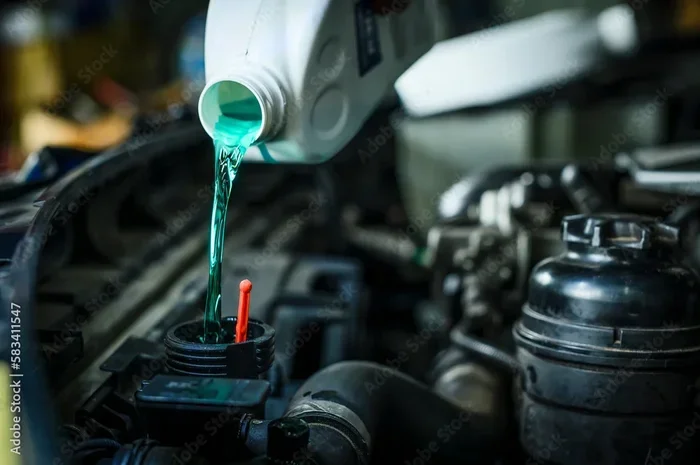
This is the single most important thing you can do for your automatic transmission or manual gearbox. Most manufacturers recommend a transmission fluid change every 30,000 to 60,000 miles. If you tow frequently or drive in hot climates, you should change it even more often, around every 20,000 to 30,000 miles.
Fresh fluid keeps all the internal parts lubricated and cool. It also carries away metal particles and debris that naturally accumulate over time. Old, dirty fluid is like sludge in your engine, and it causes wear that adds up quickly.
Get a Transmission Flush
A transmission flush goes deeper than a simple fluid drain and refill. It removes old fluid from the torque converter and cooler lines as well. Most experts recommend a flush every 45,000 to 60,000 miles. This is especially important for vehicles with over 100,000 miles on the clock.
Avoid Overheating
Heat is the number one enemy of any car transmission. Overheating breaks down fluid, warps metal parts, and accelerates wear. To keep your transmission cool:
- Avoid towing loads beyond your vehicle’s capacity
- Use an external transmission cooler if you haul frequently
- Give your car time to warm up in cold weather before driving hard
- Do not ride the brakes on steep downhill grades
Shift Gently and Avoid Riding the Clutch
How you drive directly impacts your transmission’s health. Smooth, gradual shifts put far less stress on internal components than jerky, aggressive movements. If you drive a manual car, avoid resting your foot on the clutch pedal while driving. This is called “riding the clutch” and it causes premature clutch wear.
Address Small Problems Immediately
Do not wait for a problem to get worse. If you notice a slight delay in shifting or a faint warning light, get it checked out. A small transmission repair today can prevent a full transmission rebuild tomorrow. Early intervention is always cheaper and less stressful.
Common Mistakes That Shorten Transmission Life
Many drivers unknowingly do things that damage their transmission over time. Avoiding these common mistakes can significantly extend your mileage before any major issues arise.
Ignoring the Check Engine Light
Your car’s check engine light is not just decoration. When it comes on, it is trying to tell you something. Modern vehicles have sensors that detect transmission problems early. Ignoring this light means you are ignoring a problem that will only get worse and more expensive to fix.
Skipping Fluid Checks
Many drivers never check their transmission fluid level. Low fluid means less lubrication, which means more friction and heat. Make it a habit to check your fluid levels at least once a month, especially if your car has higher mileage.
Shifting While the Car Is Still Moving
This is a big one for manual transmission drivers. Shifting from reverse to drive while the car is still rolling puts enormous stress on the gearbox components. Always come to a complete stop before changing gears.
Neglecting the Transmission Cooler
If your vehicle has a built-in transmission cooler, make sure it is functioning properly. A clogged or damaged cooler means the fluid cannot dissipate heat effectively. This leads to overheating and premature drivetrain failure.
When to Consider a Transmission Rebuild vs Replacement
At some point, even well-maintained transmissions may need major work. The question becomes: should you rebuild or replace?
A transmission rebuild involves removing the unit, inspecting all parts, and replacing the worn components. This is usually cheaper than a full replacement and can extend the life of your existing drivetrain by another 100,000 miles. A rebuild typically costs between $1,500 and $2,500.
A transmission replacement means installing a new or remanufactured unit. This is more expensive, often costing between $2,500 and $4,000 including labor. However, it gives you a fresh start with a warranty and a longer expected lifespan.
The decision depends on the condition of the rest of your vehicle, your budget, and how much life you expect to get out of the car. If you have a high-mileage vehicle with other issues, a replacement might not make financial sense. In that case, a rebuild or even selling the car might be the smarter move.
For most drivers, the transmission replacement cost is a major financial decision. Getting a second opinion from a trusted mechanic is always a smart step before committing to such a significant repair.
Key Takeaways
- Average Failure Point: Most transmissions start showing serious problems between 100,000 and 150,000 miles without proper care.
- Maintenance Is Everything: Regular fluid changes and flushes can push your transmission life well beyond 200,000 miles.
- Warning Signs Are Your Friends: Slipping gears, strange noises, fluid leaks, and burning smells should never be ignored.
- Driving Habits Matter: Gentle driving, proper shifting, and avoiding overheating all add significant mileage to your transmission.
- Manual and Automatic Are Different: Manual transmissions generally last longer, but the clutch wears out and needs attention.
- Act Early: Small repairs now prevent massive expenses later. The cost of a fluid change is nothing compared to a full rebuild.
- Know Your Options: Rebuilds and replacements are both viable paths. Choose based on your vehicle’s overall condition and your budget.
Conclusion
So, at what mileage does a transmission go bad? The honest answer is that it depends. Most transmissions begin showing wear between 100,000 and 150,000 miles, but that number can shift dramatically based on how well you maintain your car and how you drive it.
The best thing you can do is stay proactive. Check your fluid regularly. Watch for warning signs. Do not ignore unusual noises or sensations. A little attention goes a long way toward avoiding a major transmission failure down the road.
Your transmission is the heart of your vehicle’s drivetrain. Treat it well, and it will keep you moving for years to come. Start today by scheduling a fluid check or a transmission inspection. Your future self, and your wallet, will thank you.
Frequently Asked Questions
Can a transmission go bad before 50,000 miles?
Yes, it is possible, though it is not common. Poor maintenance, aggressive driving, or manufacturing defects can cause early transmission failure. If you notice any warning signs before 50,000 miles, get your vehicle inspected immediately.
How much does it cost to fix a transmission at 100,000 miles?
The cost varies widely depending on the damage. A simple transmission fluid change might cost $150 to $300. A rebuild can range from $1,500 to $2,500. A full replacement typically costs between $2,500 and $4,000. Early detection always saves money.
Is it worth rebuilding a transmission at 150,000 miles?
In most cases, yes. A rebuild restores your existing transmission and can add another 100,000 miles of life. It is usually more affordable than a full replacement and a great option if the rest of your vehicle is in good condition.
How often should I change my transmission fluid?
Most experts recommend changing your transmission fluid every 30,000 to 60,000 miles. If you tow heavy loads or drive in hot climates, you should change it more frequently, around every 20,000 miles. Check your owner’s manual for the manufacturer’s specific recommendation.
Does towing really damage a transmission?
Yes, towing beyond your vehicle’s rated capacity puts significant extra stress on the drivetrain. The transmission has to work harder, which generates more heat and accelerates wear. Always stay within your vehicle’s towing limits and consider installing an external transmission cooler if you tow regularly.
What is the difference between a transmission flush and a fluid change?
A transmission fluid change drains and replaces the fluid in the pan. A transmission flush removes all the old fluid from the entire system, including the torque converter and cooler lines. A flush provides a more thorough cleaning and is recommended for higher-mileage vehicles.